We evaluated how suicidal thoughts, interpersonal difficulties, hopelessness, and affective states are associated with self-injury & identified factors which may be effective treatment targets. @UWAresearch@UWApsych@PerthSRN@NSSI_RG https://t.co/pdo2FFqIqK
Excited to have the opportunity to share some of my PhD research at #AACBT22 (@AACBT_org_au) in Naarm/Melbourne this week. Machine learning can help us identify patients at-risk of dropout in routine practice. I think it’s pretty cool!
@A_page007
Please Share. Applications Now Open: The Allison Millner PhD Scholarship Round for 2023. The Scholarship aims to support outstanding graduates who are at the early part of their #Mentalhealth#suicideprevention career. Full details here 👉https://t.co/dwZ4VMeEYj
@NicoleTMHill "Fails 95% of the time" isnt necessarily true in my opinion. 95% of the time they may give false positives, but the predictions can still be highly sensitive and specific. Depends on the priorities of the risk assessment & consequences (e.g. containment)
@NicoleTMHill I've noticed the PPV is frequently left out of results sections, probably because its looks underwhelming in most cases. I don't think its a lost cause, we just need more innovation in the area
@A_page007 Agreed. Researchers should be taking their time to do ML the right way and seeking help from as many resources as possible, theres a lot of ways to get it wrong.
Always a pleasure to work with this group. Professor Houghton's comprehensive longitudinal studies of WA adolescents have provided a wealth of new knowledge regarding the antecedents of wellbeing and mental health difficulties
@PerthSRN produced short-form measure of #loneliness. The Perth Aloneness Scale (PALs-6) provides a brief measure of #adolescent loneliness for clinicians and researchers that also predicts elevated levels of depression @UWAresearch@UWApsych. Copies here
https://t.co/ERpkzHWbt3
My study is back up and running. If you are an Australian university student, please consider participating. The survey can be found here: https://t.co/1t6dNwpfm0
Vulnerability to suicide may increase among people with heightened reward responsiveness (high BAS) when experiencing competing incentives (high BIS). What does this mean for suicide prevention?https://t.co/lyJ1lSCGmW @UWApsych@UWAresearch@craigjbryan@PerthSRN
Feature in @PsychToday on our #Loneliness & #EmotionRegulation work. We found around half the differences in people's loneliness levels can be explained by the types of strategies we typically use to regulate our emotions. @Amit_Goldenb@EndLonelinessAU
https://t.co/QD1hNR5yBc
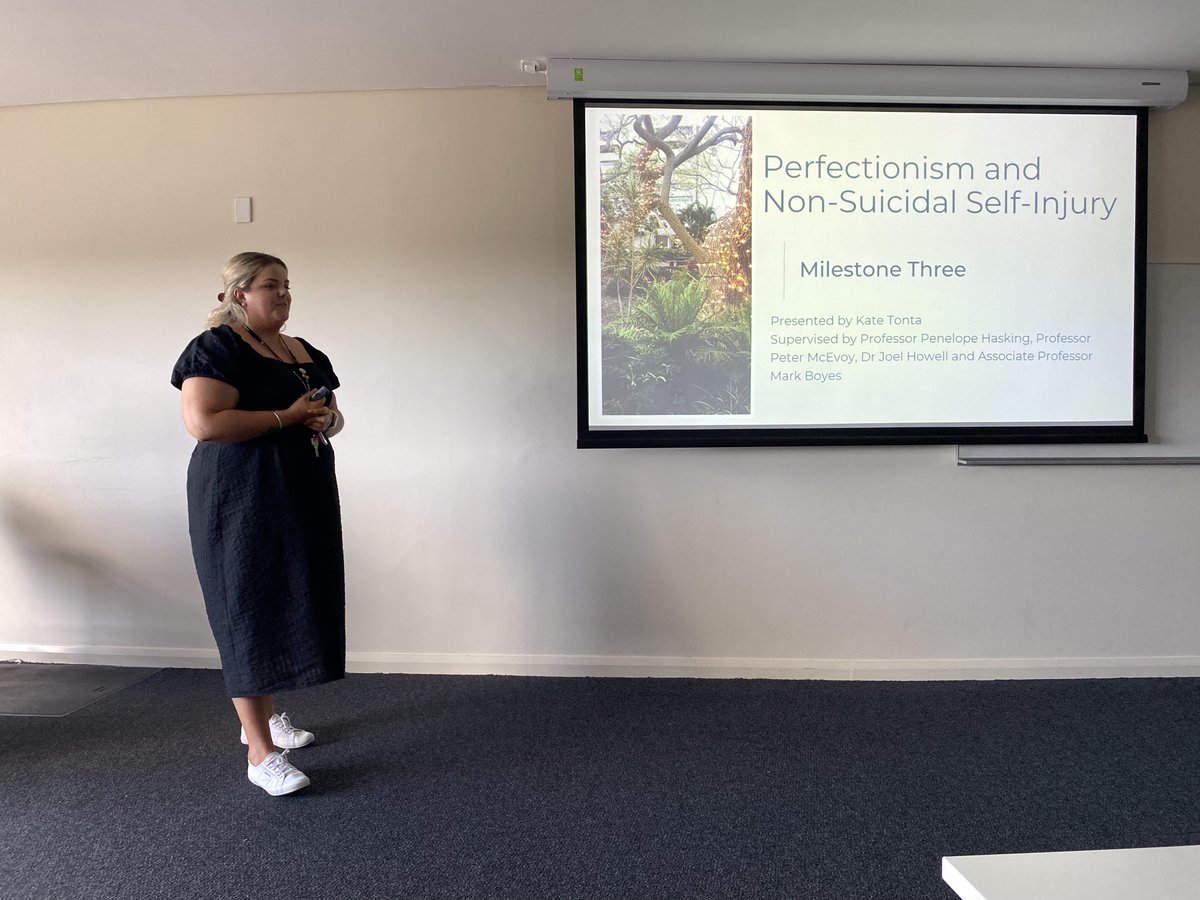
Great Milestone 3 presentation by @KateTonta today. Made even better by it being a family affair. Well done @KateTonta, we are all very proud of you! #SelfInjury#Perfectionism@me_boyo@joel_howl @PeterMcEvoy13
Suicide prevention has failed owing to the emphasis on mental health-focused solutions. However, @craigjbryan proposes that suicide should be seen as a highly complex problem with many risk factors. Delve more into his new book "Rethinking Suicide" here: https://t.co/0DyOc0ijhP