Internet Executive with more than 21 years of experience including general management of Human Resources Information systems in mid to large organizations on HR
Países que invierten en su gente y no se roban el dinero.
En Dubái, un hombre sufrió un infarto repentino en plena calle.
En menos de 4 minutos, un equipo de emergencias altamente capacitado llegó con tecnología de última generación, aplicó RCP avanzado y lo reanimó con éxito.
Hoy está vivo.
Eso no es suerte.
Es lo que pasa cuando el dinero público se usa para construir sistemas que salvan vidas, en lugar de llenar bolsillos.
I have been developing Agentic Systems for the past few years and the same patterns keep emerging. 👇
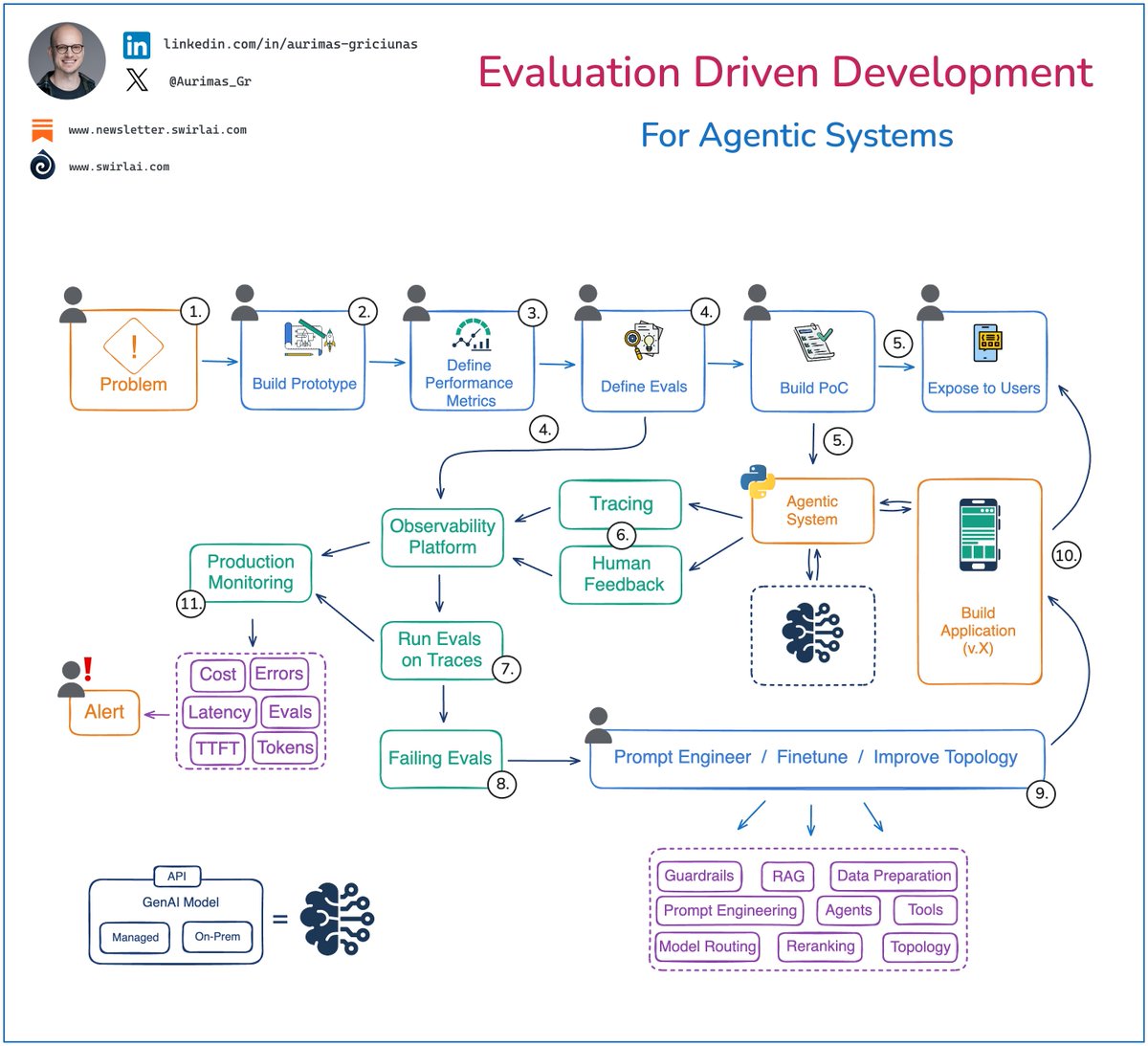
𝗘𝘃𝗮𝗹𝘂𝗮𝘁𝗶𝗼𝗻 𝗗𝗿𝗶𝘃𝗲𝗻 𝗗𝗲𝘃𝗲𝗹𝗼𝗽𝗺𝗲𝗻𝘁 is the most reliable way to be successful in building your 𝗔𝗴𝗲𝗻𝘁𝗶𝗰 𝗦𝘆𝘀𝘁𝗲𝗺𝘀 and continue improving them - here is my template.
Let’s zoom in:
𝟭. Define a problem you want to solve: is GenAI even needed?
𝟮. Build a Prototype: figure out if the solution is feasible.
𝟯. Define Performance Metrics: you must have output metrics defined for how you will measure success of your application.
𝟰. Define Evals: split the above into smaller input metrics that can move the key metrics forward. Decompose them into tasks that could be automated and move the given input metrics. Define Evals for each. Store the Evals in your Observability Platform.
ℹ️ Steps 𝟭. - 𝟰. are where AI Product Managers can help, but can also be handled by AI Engineers.
𝟱. Build a PoC: it can be simple (excel sheet) or more complex (user facing UI). Regardless of what it is, expose it to the users for feedback as soon as possible.
𝟲. Instrument your application: gather traces and human feedback and store it in an Observability Platform next to previously stored Evals.
𝟳. Run Evals on traced data: traces contain inputs and outputs of your application, run evals on top of them.
𝟴. Analyse Failing Evals and negative user feedback: this data is gold as it specifically pinpoints where the Agentic System needs improvement.
𝟵. Use data from the previous step to improve your application - prompt engineer, improve AI system topology, finetune models etc. Make sure that the changes move Evals into the right direction.
𝟭𝟬. Build and expose the improved application to the users.
𝟭𝟭. Monitor the application in production: this comes out of the box - you have implemented evaluations and traces for development purposes, they can be reused for monitoring. Configure specific alerting thresholds and enjoy the peace of mind.
✅ 𝗖𝗼𝗻𝘁𝗶𝗻𝘂𝗼𝘂𝘀 𝗗𝗲𝘃𝗲𝗹𝗼𝗽𝗺𝗲𝗻𝘁 𝗼𝗳 𝘆𝗼𝘂𝗿 𝗮𝗽𝗽𝗹𝗶𝗰𝗮𝘁𝗶𝗼𝗻:
➡️ Run steps 𝟲. - 𝟭𝟬. to continuously improve and evolve your application.
➡️ As you build up in complexity, new requirements can be added to the same application, this includes running steps 𝟭. - 𝟱. and attaching the new logic as routes to your Agentic System.
➡️ You start off with a simple Chatbot and add a route that can classify user intent to take action (e.g. add items to a shopping cart).
Join me in a free webinar this Friday to learn how LLMOps patterns fit into this picture: https://t.co/gNy4ijenih
What is your experience in evolving Agentic Systems? Let me know in the comments 👇
Software development will never be the same.
I want you to watch this video:
This is a spec-driven development environment.
100% of your time goes to writing specs and managing agents.
0% goes to writing the code.
🇺🇸 | URGENTE: Explosión sacude las instalaciones de SpaceX en Texas y el motor de Starship en llamas.
Los vapores provocan una explosión secundaria en el banco de pruebas.
LIBERTAD #ECONÓMICA Y RIQUEZA, EL LEGADO DE ADAM SMITH
En 1776, publicó "La #riqueza de las naciones", donde desarrolló su #teoría económica sobre el #capitalismo, hoy, 248 años después, estamos discutiendo de que tamaño tiene que ser el #Estado
🇵🇦 | MÁXIMA ALERTA: Sequía extrema golpea al Canal de Panamá. Con 130 barcos esperando para cruzar y rutas alternas siendo consideradas, se prevén pérdidas millonarias por la disminución de tránsitos diarios.
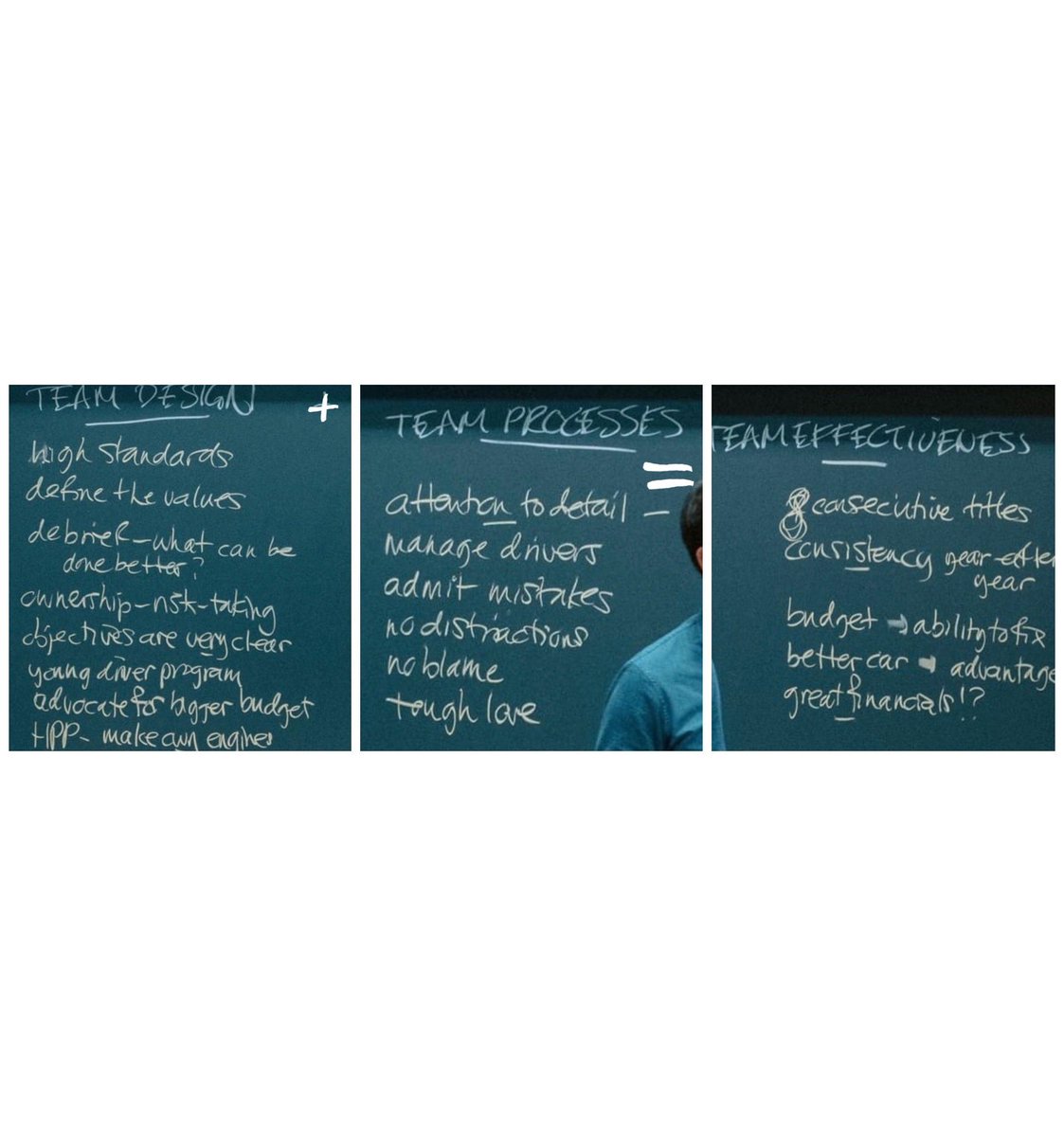
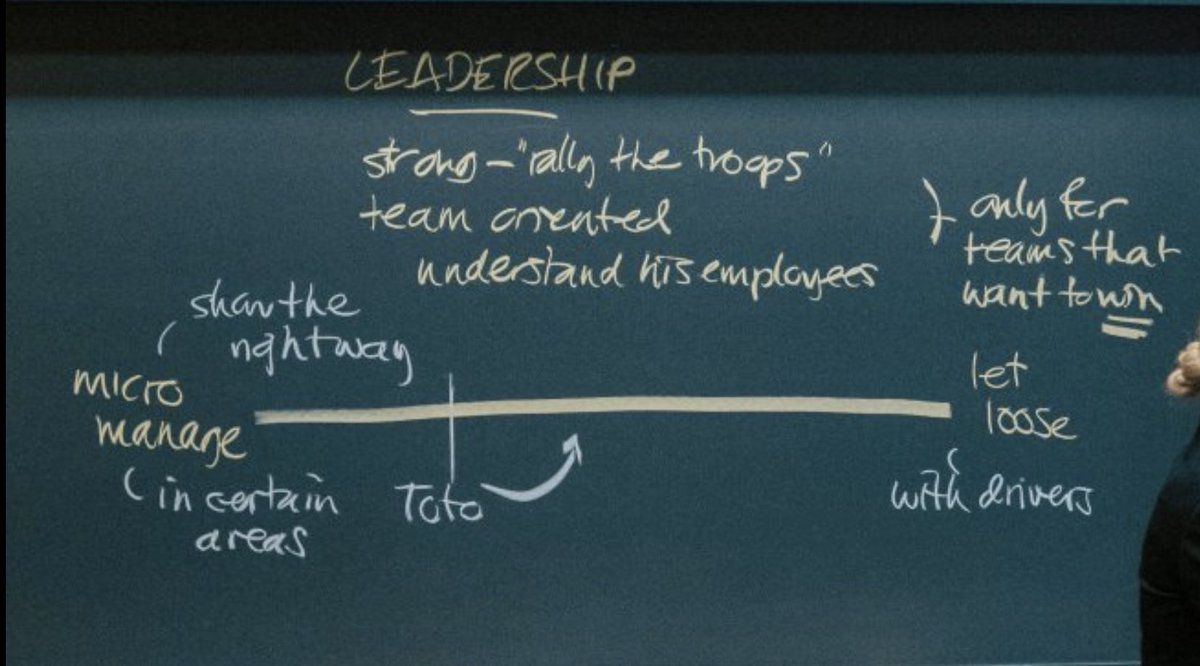
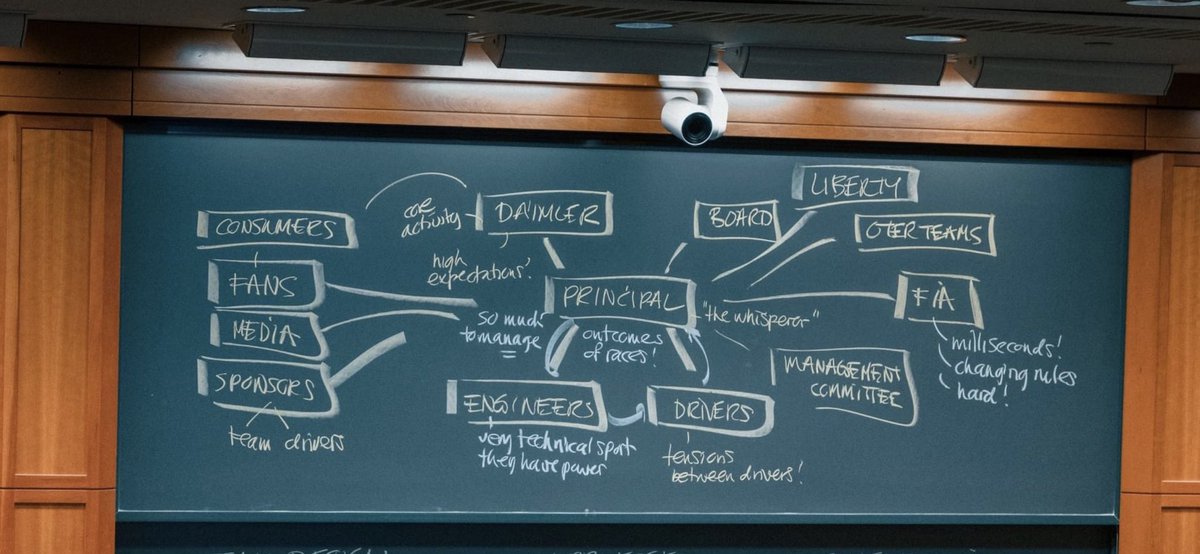
“Mercedes F1: Liderando un equipo de alto rendimiento".
Así se llama la cátedra de maestría que imparte Toto Wolff en Harvard.
Aquí algo de sus notas en el pizarrón.
Siempre es bueno aprender.
Tomorrow marks 39 years since I founded @Dell in my dorm room to make technology accessible to everyone and to enable human potential. 🥳Thank you to all the dedicated team members, customers, and partners worldwide who have made this journey possible! Here's to 39 more! 🌎💻🚀🙏