5000 euron alkupääomasta miljoonaliikevaihtoon
Eetu Koskinen, 26, on onnistunut kasvattamaan yhden miehen GP Garage Oy:n neljässä vuodessa Suomen suurimmaksi käytettyjen moottoripyörien kaupaksi.
https://t.co/hC2jS504Dx
"Operation Vivaldi was built on a months-long crescendo of preparation. It demonstrated how Ukraine might achieve an operational-level breakthrough on the contemporary battlefield." https://t.co/qvjQNAk668
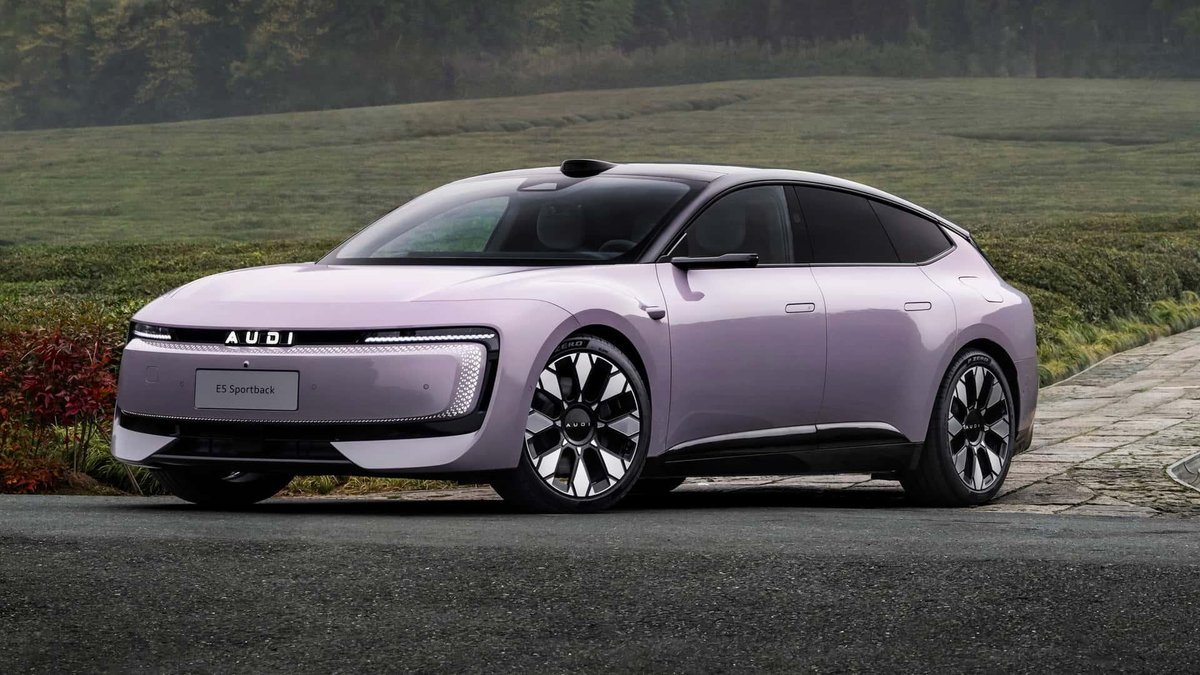
🇩🇪🇨🇳 Audi is trying to ban imports of AUDI into Germany
The German brand built a sub-brand just for China and started making premium EVs at a sharp price. It decided Europeans were not worthy of those cars and is now trying to block their import into Europe, so buyers have to take far more expensive, less capable cars from the original brand.
Traditional Audi and China’s state-owned SAIC created the AUDI electric sub-brand in China. The difference is the name in capital letters and no four rings logo.
The AUDI E5 Sportback and E7X were designed only for the Chinese market: high-tech, premium, strong value.
German company Auto China, which is importing cars from China into Europe, bought the AUDI cars in China, licensed them in the EU itself, and put them on sale in Germany.
Even with the importer’s fat markup, these grey-market cars undercut official Audi EVs built for Europe.
Audi’s own German-made counterpart, the S6 Sportback e-tron, costs Europeans €99,500, against about €60,000 for the China-made AUDI E5 already on sale in Germany, and about €26,800 in China.
Tarkastusvaliokunta julkaisi mietintönsä Fortumin Uniper-kaupoista. Luin sen tarkkaan, vaikka se ei ollut helppoa, koska vastuukysymys on häivytetty taiten. Aikoinani yritin varoitetaan Fortumia suoraan, UPIn globaalin turvallisuuden ohjelmajohtajana. Vastaus oli hiljaisuutta, koska kaikki oli mennyt jo niin pitkälle liian monen keskeisen poliitikon ja business-toimija taholta, ettei Venettä kannattanut kääntää.
Raportti syyllistyy ajallemme tyypilliseen helmasyntiin. Huolellinen kirjanpito siitä, mitä tapahtui. Mutta se ei kysy eikä vastaan, kuka kirjoitti käsikirjoituksen.
Venäjä vei ja Suomi vikisi. Ketään ei sen kummemmin nimetä. Aivan, kuin ajurina olisi ollut pelkästää rakenteelliset tekijät, joihin ei kukaan voinut vaikuttaa. Tämä on vääristävä lähtökohta. Kauppoja ajettiin, vaikka kasvavista riskeistä oltiin tietoisia.
Venäjä mainitaan käytännössä yhdessä lauseessa: muutos sen toiminnassa "on ikävällä tavalla yllättänyt". WTF. Näin ei puhuta toimijasta. Näin puhutaan säästä. Minun on vaikea ymmärtää tätä vastuun pakoilua. Koneessa on selkeästi tehokas valkopesuohjelma.
Tosiasiat ovat toiset. Vuoden 2017 kauppa tehtiin kolme vuotta Krimin jälkeen. Kremlin komissio hyväksyi suomalaisen valtionyhtiön strategisen järjestelyn ja asetti sille ehtoja. Uniper rahoitti Nord Stream 2:ta. Fortumin oma Venäjä-liiketoiminta takavarikoitiin 2023. Gazpromin toimitusrajoitukset kesästä 2021 eivät olleet markkinaheiluntaa vaan painostusta ennen hyökkäystä. Mietintö kutsuu tätä kaikkea vastapuoliriskiksi. Kansalaiselle ei haluta avata, mistä oikein oli kysymys.
Kun tekijä häivytetään, opitkin jäävät vääriksi. Likviditeettipuskuri ei suojaa siltä, että vieras valtio istuu yhtiön taseessa ja ajaa suomalaisten bulvaanien tuella geotaloudellisia päämääriään.
Suomen huoltovarmuus oli 2022 Berliinin ja Kremlin päätösten panttivankina. Omistajaohjaus kutsuttiin pöytään 9.7.2022. Vieraana, ei isäntänä. Tämä on suvereniteettikysymys, ei tiedonkulkukysymys, kuten raportissa väitetään.
Tosiasiassa valtiolliset toimijat olivat olleet pöydässä kaiken aikaa. Todellinen oppi syntyy siitä, kun kiusalliset kysymykset uskalletaan kysyä. Nyt se jää paljolti tutkivien journalistien harteille, jos heille siihen annetaan aikaa, mitä kutustuvalla medialla yksinkertaisesti ei enää ole.
Strategisen intressin yhtiöiden ulkomaiset järjestelyt on jatkossa seulottava taloudellisen turvallisuuden näkökulmasta. Riippuvuudet on kartoitettava ennen kauppaa, ei konkurssin partaalla.
Muistetaan nyt: Harmaassa ajassa ei ole neutraalia taloutta. Jokainen suuri kauppa on myös turvallisuuspäätös. Sillä on tekijänsä ja vastuulliset päättäjänsä.
https://t.co/jklazSYu7S
"Lisäksi vedettävät tykit ovat paljon kestävämpiä. Niitä voi vaurioittaa, mutta niitä on vaikea tuhota – se on niiden etu."
Aiemmista sodista oli jo opittu, että vedettävät tykit kestävät paremmin vastatykistöä. Jutussa on pari muutakin hyvää, kokemukseen perustuvaa, havaintoa.
"Jakość pocisków kalibru 155 mm produkowanych przez niektóre kraje azjatyckie jest fatalna". Najciekawsze fragmenty wywiadu z dowódca 7 Brygady Artylerii „Hrehit”.
Niedawno na łamach portalu Oboronka Ukraińskiej Prawdy ukazał się wywiad z Witalijem Kornijenko, dowódcą 7 Brygady Artylerii „Hrehit” 2 Korpusu GN "Chartia". Poniżej najciekawsze fragmenty:
O zmianach w taktyce użycia artylerii w wojnie rus-ukr.
"Na początku zarówno my, jak i Rosjanie mogliśmy trzymać na pozycjach po dwie, trzy armaty. Po stronie wroga trwało to jeszcze w 2023 roku. Potem zaczęło się to zmieniać, bo wystawiasz sześć armat – a godzinę później zostaje z nich wspomnienie. Nikt już nie wychodzi na szczere pole. Dziś sprzęt po prostu nie dojechałby nawet na pozycję.
Wyjazd załogi artyleryjskiej jest przygotowywany z wyprzedzeniem. Najpierw załogi dronów przeciwlotniczych „czyszczą” niebo z wrogiego rozpoznania na miejscu. Sama pozycja to kaponiera całkowicie wkopana w ziemię, z dobrze zamaskowanymi wejściami.
(...)
Jeśli wystrzelimy z armaty sto pocisków dziennie, jest mało prawdopodobne, że przetrwa ona do wieczora. Ponieważ niebo jest pełne dronów, każdy strzał zdradza pozycję – zostanie wykryta i zaczną ją rozbijać wszelkimi możliwymi środkami.
Teraz typowe zadanie to seria do 10 strzałów. Najpierw 3–5 pocisków na wstrzelanie się, a potem ogień w cel. Co najmniej pięć pocisków, z których każdy kosztuje minimum 2000 dolarów. To daje pojęcie o kosztach."
O sposobie wykorzystywania dział samobieżnych i holowanych.
"Działa samobieżne są używane „na wezwanie” i nie zawsze będą stosowane przeciwko piechocie czy jakiemuś budynkowi. Działa holowane są już wkopane i czekają na rozkaz, mogą działać szybko.
Działa samobieżne również pracują teraz z kaponier, ale holowane nadają się do tego lepiej – są po prostu mniejsze. Do tego działa holowane są znacznie wytrzymalsze. Mogą zostać uszkodzone, ale trudno je zniszczyć – to ich zaleta."
O rodzajach amunicji 155 mm.
"Amunicja 155 mm M107 nazywana jest „krótką”. Jest masowa i tania, produkują ją wszyscy nasi sojusznicy, a nawet nasz kraj. Mamy ich wystarczająco dużo, by prowadzić wojnę. Jest celna, ale jej zasięg wynosi 14–18 km w zależności od prochu.
Jeśli chodzi o te dalekiego zasięgu, to M795 i jego zagraniczne odpowiedniki. Jest dłuższy, waży więcej i jest znacznie droższy. Przy dobrym prochu poleci na 30 km, a z gazogeneratorem dennym jeszcze dalej. Taka amunicja i prochy są dość deficytowe.
Uważam, że rezygnacja z M107 nie jest do końca dobrym pomysłem. Pociski dalekiego zasięgu szybciej zużywają lufę, dekonspirują pozycję - przy ładunku dalekiego zasięgu z lufy wylatuje taki słup ognia… Wieczorem lub wczesnym rankiem błysk widać z odległości kilometrów."
O problemach z pociskami 155 mm produkcji azjatyckiej.
"Mamy szeroki wachlarz pocisków z różnych krajów i te z państw zachodnich są w normie. Jednak ich odpowiedniki produkowane przez niektóre kraje azjatyckie [chodzi zapewne o amunicję artyleryjską z Pakistanu produkowaną przez Pakistan Ordnance Factories oraz Indii wyprodukowaną przez nieistniejące już Ordnance Factory Board - dopisek mój]... ich jakość jest szczerze mówiąc fatalna.
"Na papierze masa pocisku jest określona jako 46 kilogramów, a my ważymy go na miejscu i ma 46,9 albo 45.4 kg. A te umowne pół kilograma ma ogromny wpływ na to, dokąd on poleci.
Nie wierzymy już w standardowe tabele dla pocisków i tworzymy własne dla każdego producenta, ważymy każdą partię, sortujemy je według masy, aby różnica między „skupieniami” była mała i leciało to mniej więcej w jedno miejsce. Nie mogę pozwolić sobie na błędy, żeby pocisk poleciał 2 km w bok, gdzie siedzą nasi chłopcy z piechoty.
Dodam, że nasi artylerzyści na ogół boją się pocisków z jednego kraju [Chodzi o Indie albo Pakistan - dopisek mój] . Bywały przypadki, że urywały hamulec wylotowy, a nawet rozrywały lufę. A kiedy rozrywa lufę, jest bardzo źle."
Źródło: https://t.co/UiIBC1vxGp
Poniżej: Skutki użycia w haubicy holowanej M777 należącej do ZSU, wadliwych pocisków kalibru 155 mm z niewłaściwie wykonanymi pierścieniami wiodącymi. Amunicja pochodzi prawdopodobnie z Indii (produkcja Ordinance Factory Board).
Norwegian researchers drove a Chinese EV into a mine to cut it off from the world. It still tried to call home.
The project is called Project Lion Cage. Tor Indstøy, a Telenor security executive, monitored his own NIO ES8 SUV for years. About 90% of the connections he logged went to Chinese servers, even though NIO tells European customers their data is processed in Europe.
The car carries cameras, microphones, location tracking and always-on modems. Most traffic is encrypted, so researchers could see where it went, not what it held. That is the gap. China's National Intelligence Law requires companies to assist state intelligence work. Nobody has proven spying. The question is who can be forced to hand over the feed.
A separate test by Oslo transit operator Ruter found the Chinese Yutong bus could be reached by its maker through software updates, including battery and power systems. Yutong says it cannot control steering or brakes.
Countries buying cheap Chinese EVs should expect to ask what else comes with the price.
Is a lower sticker price worth putting a Chinese-controlled sensor on every street?
‚“As of today, [Ukraine] doesn’t have a steel industry any more,” Oleksandr Vodoviz, head of the chief executive’s office at Metinvest, a steel and mining company that owns two of the three plants targeted in the recent attacks, told the FT.
…
“They knew everything about the plant, they knew exactly where to hit,” Vodoviz said. Ballistic missiles targeted the blast furnaces at the three plants, including two owned by Metinvest and an ArcelorMittal factory in Zelenskyy’s native city of Kryvyi Rih.
Metinvest and ArcelorMittal said the factories — which together made up 90 per cent of the country’s steel output — were now idle.
“Right now we do not understand how long it will take to make the repairs, days, weeks, months or years,” said Vodoviz. He said the shutdown of the plants, which together have more than 15,000 workers, could have major knock-on effects “and a huge impact on taxes”.‘
𝗘𝘃𝗲𝗿𝘆𝗼𝗻𝗲 𝗼𝗻 𝗫 𝗦𝗮𝘆𝘀 𝗦𝗮𝘂𝗱𝗶 𝗔𝗿𝗮𝗯𝗶𝗮'𝘀 𝗣𝗶𝗽𝗲𝗹𝗶𝗻𝗲 𝗪𝗶𝗹𝗹 𝗕𝗲 𝗙𝗶𝘅𝗲𝗱 𝗶𝗻 "𝗗𝗮𝘆𝘀". 𝗜 𝗛𝗮𝘃𝗲 𝗪𝗼𝗿𝗸𝗲𝗱 𝗧𝗵𝗼𝘀𝗲 𝗗𝗲𝘀𝗲𝗿𝘁𝘀. 𝗧𝗿𝘆 𝗢𝗻𝗲 𝘁𝗼 𝗧𝗵𝗿𝗲𝗲 𝗠𝗼𝗻𝘁𝗵𝘀.
First, let me say plainly that I love the desert and the Arab cultures. But it does shape a timeline the media does not understand because they are talking about something they have never experienced.
Lots of people on @X are saying the Saudi East-West pipeline and its pumping stations will be back online in days!?!
I have worked these deserts, in Saudi Arabia and across the Middle East, and that is not how it goes. Even if it is "Expedited", you are still looking at a month at the very least, and realistically one to three.
You have to first understand what the work actually is. This is not a "gas station attendant" tightening a few bolts or replacing a motor.
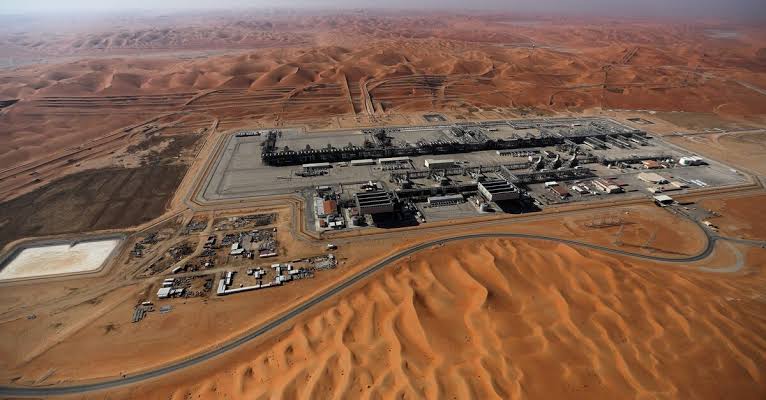
A pumping station hit by a ballistic missile has to be completely demolished, cleared, re-engineered and rebuilt, from the ground and concrete upwards, often with newer technology because the stations are decades old anyways and the original parts no longer exist.
That means engineering, contractors, subcontractors and sub-subcontractors, each waiting on the one below them, each relying on a supply chain that is nothing like the robust, on-time machine people imagine in Germany or Norway or the West.
Now layer the desert summer heat on top of that (we are still in September where the desert heat burns your feet even with shoes), and this is where the delays compound.
If you are not short on supplies, your truck is stuck in the sand.
If the truck moves, you are waiting on water, or waiting for the temperature to drop, because September in the Saudi desert is so brutal that crews can only work at night or in short bursts before exhaustion and medical emergencies set in.
The skilled labor is largely foreign, Pakistani, Afghan, Indian and others, working under experienced engineers who must be flown in and coordinated and some of those highly skilled workers likely left when the missiles started months ago. So how do you convince them to come back? Sure you have some of your own engineers but the highly skilled ones are always brought in from overseas.
And the rhythm of the day is cultural. There are the Prayer times that take thirty to forty five minutes each, several times a day, if they end up working during the day.
There is a midday rest or naps. These are not flaws, they are how the society works, but they are real hours that Western timelines never account for.
Then the piece almost no one has factored in.
The ports are blocked via Strait of Hormuz and Bab Al Mandeeb. The heavy equipment a rebuild like this needs, the kind that normally arrives by sea ordered from overseas, cannot come by sea now.
It has to be airlifted, which is far more expensive, far slower, and limited by what fits on an aircraft.
Some of this machinery is too large to fly intact, so it must be disassembled, flown in pieces, and reassembled on site. Every one of those steps is a new bottleneck stacked on the last.
I like to look at things from an order of effects point of view so;
1. FIRST, the immediate one, the repair itself drags out to weeks or months, not days, so Saudi export capacity stays crippled far longer than the market expects.
2. Second, the market one, that prolonged outage keeps upward pressure on oil and shipping costs, because the bypass everyone assumed would reopen quickly does not.
3. Third, the strategic one, and this is the part the optimists miss, even a fully repaired pipeline sits under the same threat that broke it. Why would the Houthis not simply hit it again, you bet they will.
They have shown they are less about careful calculation than the IRGC and more about action.
A rebuilt station is just a fresh target, which means the real constraint is NOT the repair time at all, perhaps it never was. It is that you cannot durably fix a node your enemy can strike at will at any time of day regardless of the weather conditions....
So ignore the days talk.
Between the engineering, the desert, the blocked ports and the standing threat of another strike, this is a one-to-three month problem at best, and possibly one that cannot be permanently solved while the war continues at all.
You know what to do, amplify this Signal.
𝗦𝗜𝗚𝗡𝗔𝗟, 𝗡𝗢𝗧 𝗡𝗢𝗜𝗦𝗘!!
Interesting (auto-translated) article here on professional wargaming from the Russian perspective - how their generals conduct Command and Staff War Games #Russia#NATO#Ukraine https://t.co/D5DUwwRPD7
this is Dario and sama's worst nightmare -
A law firm buying Nvidia servers.
Latham & Watkins is building an in-house AI stack..
this is US’s second-largest law firm with $8.3 Billion in revenue last year
And now it has -
- Nvidia hardware it controls
- open-weight models it can fine tune
- proprietary legal data it is trusted to protect
- infrastructure only Latham employees can access
A law firm has decades of contracts, negotiations, client context, legal reasoning, and institutional knowledge.
They dont want to give all of that away to OpenAI or Anthropic in exchange for expensive tokens..
And on top of that - risk their data being used to train frontier models..
This will happen more and more now..
The big AI labs have no moat.. nothing protecting their largest customers from moving on..
The biggest companies in the world will -
- own the compute
- own the data
- own the workflow
- fine tune the model around their business
- switch providers when the pricing or quality changes
Dario and sama want to make this illegal by bringing in regulation.. and become the AI overlords..
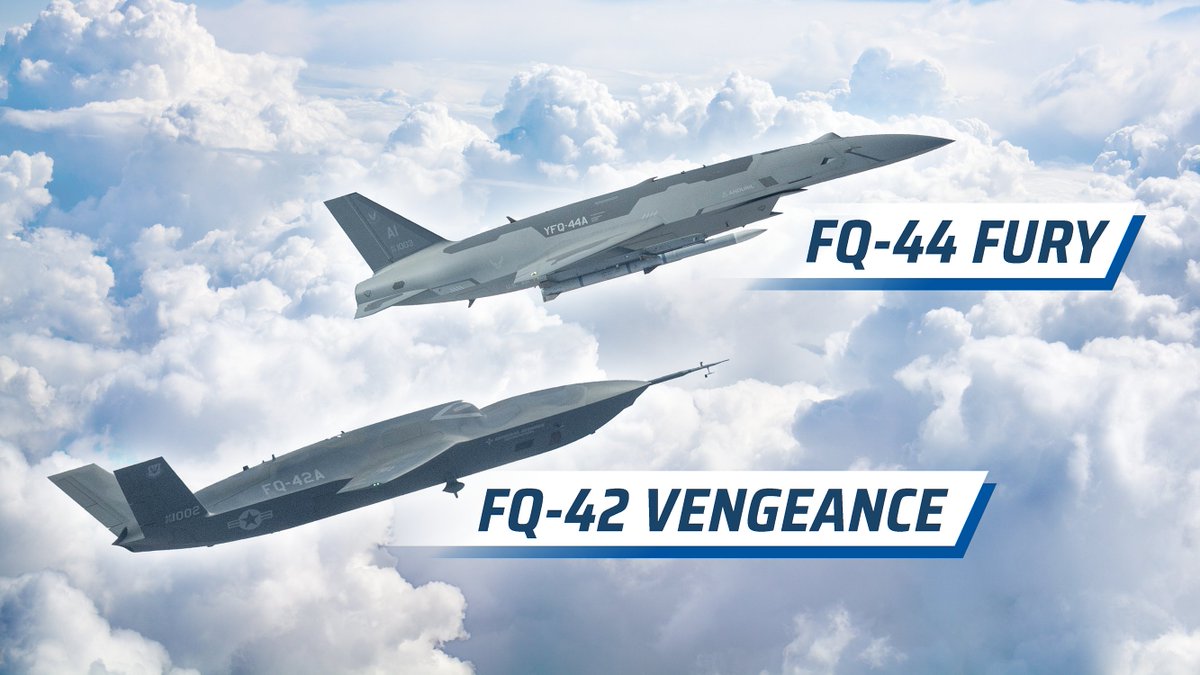
This morning, @SecAFOfficial announced the official names of the Air Force’s newest Collaborative Combat Aircraft, the FQ-42 Vengeance and FQ-44 Fury, during his keynote address at the @AFA_Air_Space's #AFANational Conference.
Revealing popular names was a natural next step for the CCA program as the Air Force modernizes the nation’s aerial combat fleet. The Air Force intends to purchase about 1,000 combat-ready, semi-autonomous systems that will extend reach, awareness and survivability of American airpower in contested environments. Meink confirmed that the service would have 500 of the aircraft by 2032.
More to follow.
Australian Insurance provider @Zurich is now offering cheaper insurance for Teslas with FSD (Supervised) activated — an Australian first 🇦🇺
Zurich says Tesla data shows FSD-equipped cars have 7x fewer major or minor collisions than regular EVs.
💥🌊BREAKING: The first naval battle in history between two unmanned surface vessels has taken place in the Black Sea.
A Ukrainian Navy Sargan 3000 USV, armed with a 12.7 mm Protector RWS, engaged and destroyed a Russian naval drone.
The engagement marks the first known combat between two uncrewed naval vessels at sea.
Vajaassa vuorokaudessa yli 14.000 kuuntelua 😳
Kuuntele sinäkin paasipodi -jakso nro 90. niin tiedät mitä tapahtui..
@Spotify@ApplePodcasts tai @YouTube
Tuosta 👇👇👇
Snídaně s dvojnásobným mistrem světa formule 1 zadělá člověku na skvělý zbytek dne.
Mika Häkkinen patří k největším legendám F1 a jeho souboje s Michaelem Schumacherem psaly historii motorsportu. Díky jeho ženě Markétě má dnes k Česku blízko celá rodina, a jejich děti dokonce závodí pod českou vlajkou.
Zdá se, že u Häkkinenů se dědí nejen rychlost, ale i vztah k naší zemi. A z obojího máme s Evou jako fanoušci motorsportu radost.








![Thorkill65's tweet photo. "Jakość pocisków kalibru 155 mm produkowanych przez niektóre kraje azjatyckie jest fatalna". Najciekawsze fragmenty wywiadu z dowódca 7 Brygady Artylerii „Hrehit”.
Niedawno na łamach portalu Oboronka Ukraińskiej Prawdy ukazał się wywiad z Witalijem Kornijenko, dowódcą 7 Brygady Artylerii „Hrehit” 2 Korpusu GN "Chartia". Poniżej najciekawsze fragmenty:
O zmianach w taktyce użycia artylerii w wojnie rus-ukr.
"Na początku zarówno my, jak i Rosjanie mogliśmy trzymać na pozycjach po dwie, trzy armaty. Po stronie wroga trwało to jeszcze w 2023 roku. Potem zaczęło się to zmieniać, bo wystawiasz sześć armat – a godzinę później zostaje z nich wspomnienie. Nikt już nie wychodzi na szczere pole. Dziś sprzęt po prostu nie dojechałby nawet na pozycję.
Wyjazd załogi artyleryjskiej jest przygotowywany z wyprzedzeniem. Najpierw załogi dronów przeciwlotniczych „czyszczą” niebo z wrogiego rozpoznania na miejscu. Sama pozycja to kaponiera całkowicie wkopana w ziemię, z dobrze zamaskowanymi wejściami.
(...)
Jeśli wystrzelimy z armaty sto pocisków dziennie, jest mało prawdopodobne, że przetrwa ona do wieczora. Ponieważ niebo jest pełne dronów, każdy strzał zdradza pozycję – zostanie wykryta i zaczną ją rozbijać wszelkimi możliwymi środkami.
Teraz typowe zadanie to seria do 10 strzałów. Najpierw 3–5 pocisków na wstrzelanie się, a potem ogień w cel. Co najmniej pięć pocisków, z których każdy kosztuje minimum 2000 dolarów. To daje pojęcie o kosztach."
O sposobie wykorzystywania dział samobieżnych i holowanych.
"Działa samobieżne są używane „na wezwanie” i nie zawsze będą stosowane przeciwko piechocie czy jakiemuś budynkowi. Działa holowane są już wkopane i czekają na rozkaz, mogą działać szybko.
Działa samobieżne również pracują teraz z kaponier, ale holowane nadają się do tego lepiej – są po prostu mniejsze. Do tego działa holowane są znacznie wytrzymalsze. Mogą zostać uszkodzone, ale trudno je zniszczyć – to ich zaleta."
O rodzajach amunicji 155 mm.
"Amunicja 155 mm M107 nazywana jest „krótką”. Jest masowa i tania, produkują ją wszyscy nasi sojusznicy, a nawet nasz kraj. Mamy ich wystarczająco dużo, by prowadzić wojnę. Jest celna, ale jej zasięg wynosi 14–18 km w zależności od prochu.
Jeśli chodzi o te dalekiego zasięgu, to M795 i jego zagraniczne odpowiedniki. Jest dłuższy, waży więcej i jest znacznie droższy. Przy dobrym prochu poleci na 30 km, a z gazogeneratorem dennym jeszcze dalej. Taka amunicja i prochy są dość deficytowe.
Uważam, że rezygnacja z M107 nie jest do końca dobrym pomysłem. Pociski dalekiego zasięgu szybciej zużywają lufę, dekonspirują pozycję - przy ładunku dalekiego zasięgu z lufy wylatuje taki słup ognia… Wieczorem lub wczesnym rankiem błysk widać z odległości kilometrów."
O problemach z pociskami 155 mm produkcji azjatyckiej.
"Mamy szeroki wachlarz pocisków z różnych krajów i te z państw zachodnich są w normie. Jednak ich odpowiedniki produkowane przez niektóre kraje azjatyckie [chodzi zapewne o amunicję artyleryjską z Pakistanu produkowaną przez Pakistan Ordnance Factories oraz Indii wyprodukowaną przez nieistniejące już Ordnance Factory Board - dopisek mój]... ich jakość jest szczerze mówiąc fatalna.
"Na papierze masa pocisku jest określona jako 46 kilogramów, a my ważymy go na miejscu i ma 46,9 albo 45.4 kg. A te umowne pół kilograma ma ogromny wpływ na to, dokąd on poleci.
Nie wierzymy już w standardowe tabele dla pocisków i tworzymy własne dla każdego producenta, ważymy każdą partię, sortujemy je według masy, aby różnica między „skupieniami” była mała i leciało to mniej więcej w jedno miejsce. Nie mogę pozwolić sobie na błędy, żeby pocisk poleciał 2 km w bok, gdzie siedzą nasi chłopcy z piechoty.
Dodam, że nasi artylerzyści na ogół boją się pocisków z jednego kraju [Chodzi o Indie albo Pakistan - dopisek mój] . Bywały przypadki, że urywały hamulec wylotowy, a nawet rozrywały lufę. A kiedy rozrywa lufę, jest bardzo źle."
Źródło: https://t.co/UiIBC1vxGp
Poniżej: Skutki użycia w haubicy holowanej M777 należącej do ZSU, wadliwych pocisków kalibru 155 mm z niewłaściwie wykonanymi pierścieniami wiodącymi. Amunicja pochodzi prawdopodobnie z Indii (produkcja Ordinance Factory Board).](https://pbs.twimg.com/media/HSvsz7FXcAAe07m.jpg)