Martian wind.
A series of 126 x/y tilting mechanical devices connected to tall dried grass stalks by artist David Bowen. The mechanisms will tilt, move and sway based on data collected from the wind sensor on the Perseverance Mars rover.
[📹 davidbowenart]
In 1897, Campbell’s soup was a luxury.
A single can cost 30 cents nearly half a day’s wage for an industrial worker. Most families couldn’t afford it.
Then a petty family argument changed American food forever.
Arthur Dorrance owned the Campbell factory in Camden, New Jersey. His nephew, John, had just returned from Europe with a chemistry doctorate.
Arthur thought it was useless.
He hired John anyway — at $7.50 a week. Barely more than a laborer’s wage. And if the “college boy” wanted to run experiments, he had to buy his own equipment.
The factory workers laughed at him.
The place was brutally hot, loud, and smelled of boiling cabbage and beef fat. Campbell’s sold canned vegetables, preserves, and heavy soup in giant 32-ounce tins.
The real problem wasn’t the soup.
It was the water.
Railroads charged freight by weight, and soup was mostly liquid. Shipping costs made it expensive before it even reached a grocery shelf.
John had a simple idea:
Remove the water before shipping.
At first, it failed badly.
The broth scorched. Vegetables turned to mush. Fat separated. Beef became rubber. Workers mocked him for “burning lunch.”
But John kept experimenting in a tiny corner lab on the factory floor.
He adjusted temperatures.
Separated ingredients.
Calculated evaporation rates.
Tested batch after batch.
Finally, he cracked it.
He created a concentrated soup that kept its flavor while removing roughly half the water.
Instead of huge tins, he packed it into a small 10½-ounce can.
His uncle hated it.
Arthur thought customers would feel cheated by the tiny can filled with thick paste. He told John to abandon the idea.
John pushed for one small test run anyway.
Price: 10 cents.
Customers took the cans home, added one can of water, heated it up…
…and it tasted like the original 30-cent soup.
Sales exploded.
Freight costs collapsed.
Grocers loved the smaller cans.
Orders multiplied so fast Campbell’s shut down other product lines entirely.
The “useless” chemist took over the company.
And when the Great Depression hit decades later, millions of Americans couldn’t afford luxuries anymore.
But Campbell’s condensed soup still cost 10 cents.
It lasted for months.
It filled stomachs.
It became survival food for struggling families across the country.
John T. Dorrance never became famous like Edison or Ford.
But he quietly built one of the most important food products in American history by realizing something nobody else had:
Sometimes the most profitable innovation is simply removing what people don’t need.
John T. Dorrance:
The man who stopped paying to ship water.
Los cuidadores del zoológico de Chapultepec llevan cuatro meses intentando atrapar a un gato naranja que se mete al recinto del tigre de Bengala a robarle la comida y el gato siempre gana. 😹🐾
Nadie sabe por dónde entra, nadie sabe a qué hora llega, pero la cámara del recinto lo graba tres o cuatro veces por semana apareciendo de la nada junto a la charola de carne cruda justo cuando el tigre se queda dormido después de comer la mitad. 😹
El gato pesa como cuatro kilos, el tigre pesa trescientos y el gato come de su plato como si le estuviera haciendo un favor.
La primera vez que el tigre despertó y lo vio se quedó mirándolo con una confusión que según los cuidadores nunca le habían visto en seis años, como si no pudiera procesar que algo de ese tamaño tuviera ese nivel de atrevimiento. 😹😹
Intentaron cerrar los huecos de la reja pero el naranja encontró otro, pusieron trampa con atún y el gato se comió el atún y siguió de largo al recinto, le cambiaron el horario de comida al tigre y el gato también cambió el suyo. 🐾💛
Un cuidador que lleva veinte años ahí dice que en todo ese tiempo nunca vio a un animal entrar voluntariamente al espacio de un depredador tres veces más grande y salir caminando tranquilo con la panza llena.
El tigre ya ni se levanta cuando lo ve, solo abre un ojo, lo mira comer, y vuelve a dormir como quien aceptó que hay batallas que no vale la pena pelear aunque las puedas ganar. 😹💛
El naranja sigue invicto y los cuidadores ya le pusieron nombre en el registro interno aunque oficialmente no existe. 😹
EXCLUSIVE: In 2002, systems analyst @TadHomerDixon modelled how modern civilisation collapses. He chose an Iran war closing the Strait of Hormuz as his example. The mechanism? "synchronous failure." We are now living inside his model /1🧵@bylinetimes https://t.co/ZUl67DOIBO
HO-LE-FUK
The Austin housing market is going full biblical collapse.
There are 117% MORE sellers than buyers.
There are 2 home sellers for every one buyer
Dear Japanese Twitter,
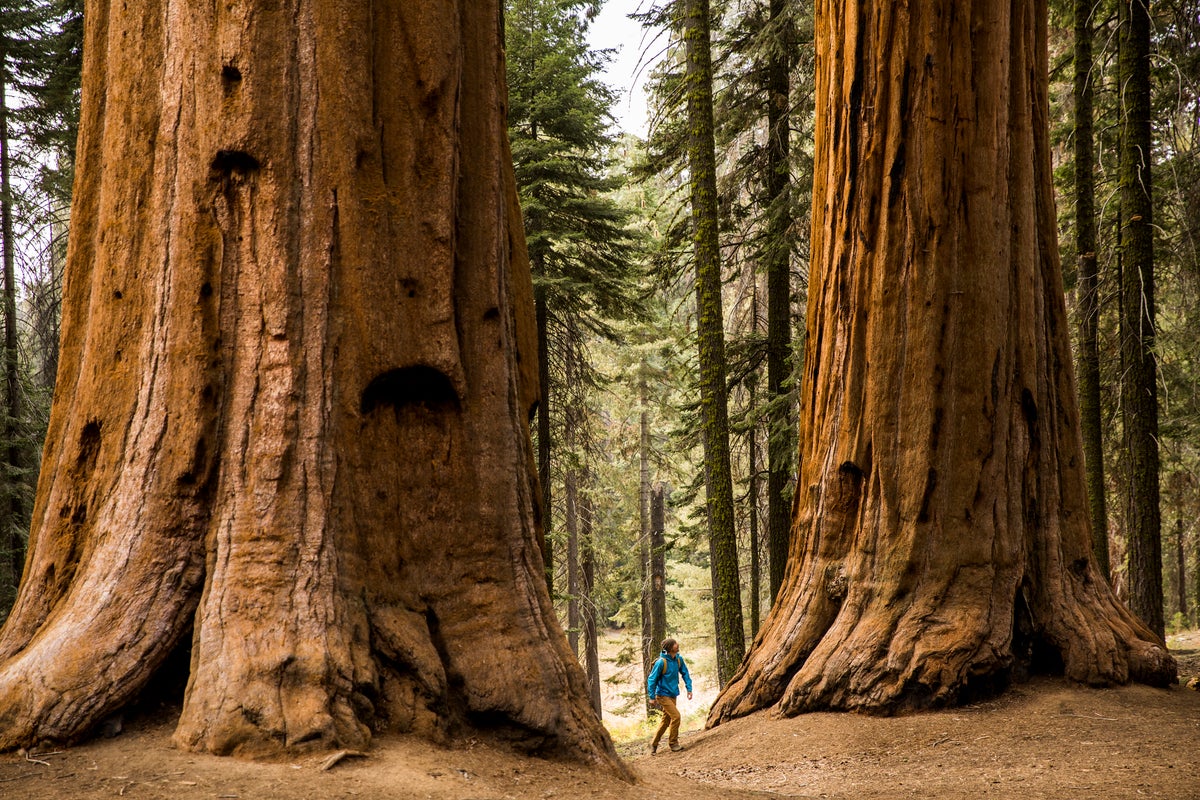
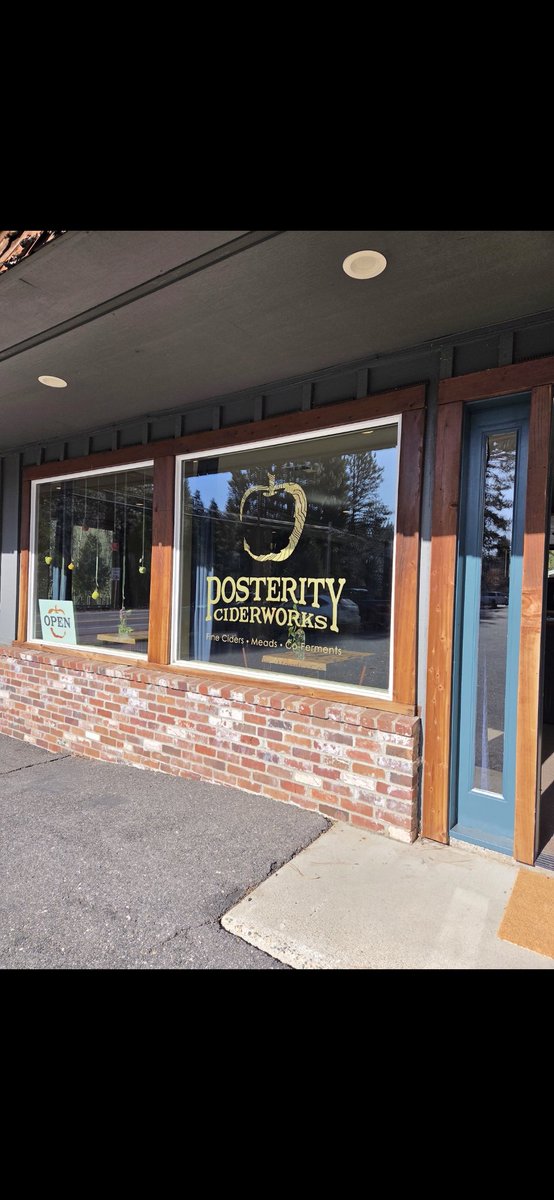
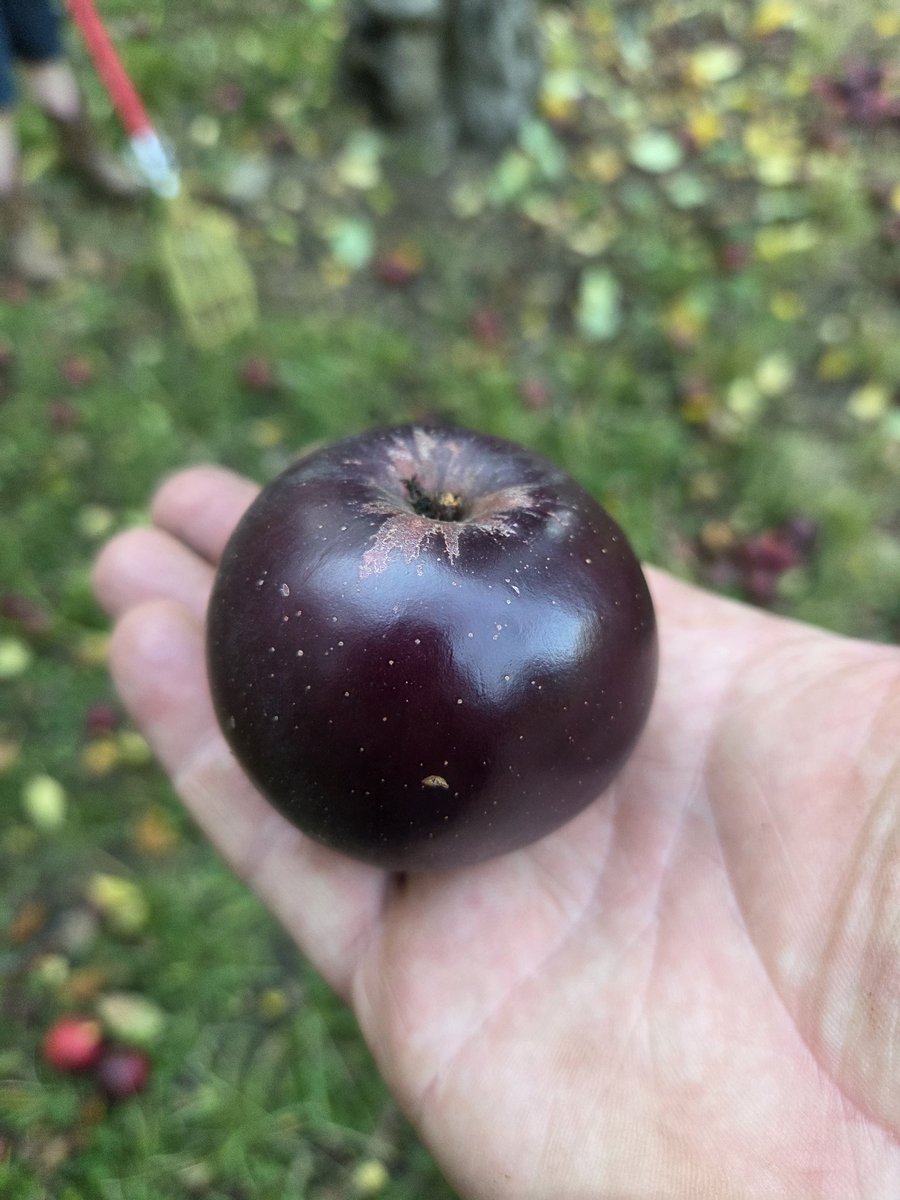
3 hours east of San Francisco I make the best cider in America with ginjo-shu sake yeast & rare apples from ancient mountain orchards. Please come visit! We have the biggest trees on the planet at Big Trees State Park & we wear cowboy hats regularly
BREAKING: The nitrogen trap just closed. Three locks snapped shut simultaneously. The planting window is closing behind them. And the food the world eats next year is now being decided by molecules that cannot reach the soil in time.
Lock one: the Strait of Hormuz. The IRGC permissioned corridor allows oil tankers from friendly nations to pay $2 million in yuan and pass. It does not allow fertiliser vessels to pass at any price. Zero approved fertiliser transits in 24 days. The Gulf supplies 49 percent of the world’s exported urea and roughly 30 percent of traded ammonia. That supply is not delayed. It is denied. The gate opens for molecules that fund the gatekeeper. It stays closed for molecules that feed the planet.
Lock two: Russia. The world’s largest exporter of ammonium nitrate just halted all AN exports until after April 21. Three to four million tonnes per year, gone from global markets at the exact moment the Northern Hemisphere needs it most. The official reason is “domestic priority.” The strategic effect is leverage. Russia earns windfall revenue from the oil price spike its ally’s war created, then removes the fertiliser that farmers need to plant through the crisis. The disease and the cure, again, from the same address.
Lock three: China. Beijing has banned exports of nitrogen-potassium blends and phosphate fertilisers through August 2026. China is the world’s largest phosphate producer and a major nitrogen supplier. The ban removes the last alternative source that could have compensated for Hormuz and Russia. Three locks. Three countries. Three deliberate decisions timed to the same biological calendar.
The biological calendar does not negotiate. Corn requires nitrogen at the V6 to VT growth stage or kernel set is permanently reduced. Wheat requires it at tillering and jointing or grain fill collapses. Rice requires it at transplanting or yield drops 20 to 40 percent in low-input systems. These are not economic models. They are cellular processes. The plant either receives nitrogen during the window or it does not. If it does not, no subsequent application, no price increase, no policy reversal can recover what was lost. The damage is written into the biology of the seed.
The US Corn Belt window closes mid-April. European top-dressing is happening now. Indian Kharif preparation begins in May. Bangladeshi Boro rice transplanting is underway this week. Every one of these windows is closing while the three largest sources of nitrogen on Earth are simultaneously locked: Hormuz by military blockade, Russia by export decree, China by trade ban.
The USDA Prospective Plantings report arrives March 31. The FAO Food Price Index publishes April 3. These will quantify what the molecules already know: the nitrogen did not arrive. The yield loss is locked in. The 5 to 10 percent global drag will concentrate where the buffers are thinnest: subsistence farms in Bangladesh, Sub-Saharan Africa, South Asia, where a 20 percent shortfall does not mean lower profits. It means hunger.
Sri Lanka banned synthetic fertiliser in 2021. Rice yields collapsed 40 percent. The government fell. In 2008, fertiliser and oil spiked simultaneously and food riots erupted across 30 countries. In 2026, the strait blocks fertiliser while Russia and China withdraw the alternatives, and the planting windows close on a planet with nowhere else to turn.
The war is fought with missiles. The famine is fought with molecules. The molecules are trapped behind three locks on three continents, timed to the one calendar that cannot be paused, extended, or negotiated: the calendar written into the DNA of every seed in the soil.
Full analysis: https://t.co/iFmUcarGdV
The US grid, mapped.
Public data for public use.
16,819 power plants and 36,872 generators from EIA.
750,000+ transmission circuit-miles from HIFLD.
1,000+ data centers from EPA and other open sources.
🚨Official Solo Satoshi Bitaxe Turbo Touch giveaway!
We're giving away the first Bitaxe Turbo Touch off our USA assembly line; shipped anywhere in the world for FREE!
Want to enter the giveaway?
Like✅ Repost ✅Follow✅
Winner announced in 3 days! 🚀
BOOM!
Apple’s Neural Engine Was Just Cracked Open, The Future of AI Training Just Change And Zero-Human Company Is Already Testing It!
In a jaw-dropping open-source breakthrough, a lone developer has done what Apple said was impossible: full neural network training– including backpropagation – directly on the Apple Neural Engine (ANE). No CoreML, no Metal, no GPU. Pure, blazing ANE silicon.
The project (https://t.co/jrk67hf9p1) delivers a single transformer layer (dim=768, seq=512) in just 9.3 ms per step at 1.78 TFLOPS sustained with only 11.2% ANE utilization on an M4 chip. That’s the same idle chip sitting in millions of Mac minis, MacBooks, and iMacs right now.
Translation? Your desktop just became a hyper-efficient AI supercomputer.
The numbers are insane: M4 ANE hits roughly 6.6 TFLOPS per watt – 80 times more efficient than an NVIDIA A100. Real-world throughput crushes Apple’s own “38 TOPS” marketing claims. And because it sips power like a phone, you can train 24/7 without melting your electricity bill or the planet.
At The Zero-Human Company, we’re not waiting. We are testing this right now on real ZHC workloads. This is the missing piece we’ve been chasing for our Zero Human Company vision: reviving archived data into fully autonomous AI systems with zero human overhead.
This is world-changing.
For the first time, anyone with a Mac can fine-tune, train, or iterate massive models locally, privately, and at a fraction of the cost of cloud GPUs.
No more renting $40,000 A100 clusters. No more waiting in queues. No more massive carbon footprints.
Training costs that used to run into the tens or hundreds of thousands of dollars? Plummeting toward pennies on the dollar – mostly just the electricity your Mac was already using while it sat idle.
The AI revolution just moved from billion-dollar data centers to your desk.
WE WILL HAVE A NEW ZERO-HUMAN COMPANY @ HOME wage for equipped Macs that will be up to 100x more income for the owner!
We’re only at the beginning (single-layer today, full models tomorrow), but the door is wide open. Ultra-cheap, on-device training is here.
The future isn’t coming. It’s already running on your Mac.
Welcome to the Zero-Human Company era.
🚨 Bhutan (@gmcbhutan) launches the world’s first Solana-backed digital nomad visa. 🇧🇹
Applicants must purchase $10,000 worth of TER - tokenized gold on Solana - plus a $2,800 application fee, allowing them to stay up to 36 months in Bhutan. The $10,000 is refundable at the end of the visa term, introducing a new model that connects real-world residency with on-chain assets.
$400K in under a month.
This OpenClaw setup is averaging:
• ~$5 per second
• ~$300 per hour
• ~$7K per day
Proof:
https://t.co/KQ5CdmXNI6
Copytrade → https://t.co/xwVKYk3j6y
And it kept running even after Polymarket removed the 500ms delay.
What it does:
• Trades only 5-minute BTC Up/Down markets
• Buys YES + NO repeatedly in the first ~4 minutes
• Enters when combined price drops below $1
• Locks the spread before expiry
6,823 trades.
Pure arbitrage structure.
No directional bias.
It compounds small gaps over and over -
scaling size as balance grows.
Not prediction.
Not narratives.
Just pricing inefficiencies + automation.
You can now pay your bills in USDC, start a market on any trending topic, and give an AI agent the keys to a DAO. All on Solana.
Here’s everything that happened this week:
📰 Headline News
- Lightspeed, crypto's first institutional investor relations platform by @Blockworks and Solana went live
- @altitude launched Altitude Bill Pay enabling users to pay bills in USDC
@Zora launched on Solana with Attention Markets, letting users back what the internet pays attention to
📰 Launches
- @RealmsDAOs shipped Realms MCP giving AI agents full DAO governance powers
- @dflow launched DFlow MCP for Solana trading
- @paysponge debuted a financial stack for AI agents
- @metaplex teased its new unified platform
- @encifherio shipped privacy-focused cross-chain bridge with Encrypt V2
- @asgardfi released Credit Backed Positions for institutional credit
- @Inframarkets debuted the first-ever energy prediction market
- @SuperteamUKR officially landed in Ukraine
- @omnipair beta went live, introducing borrowing against memecoins
- @JupiterExchange Lend activated native staking as collateral
- @heydotlol debuted a new social network for humans and AI agents, powered by @x402
- @baysemarkets integrated Solana deposits and withdrawals
- @ycombinator is heading to @mtndao for live office hours
- @WAVEDOTFUN went live with zero-fee prediction markets
- @pumpspotlight extended the Build in Public Hackathon deadline to February 25
- @CudisWellness announced its Sporty Series ring pre launch on Kickstarter
- @MiloOnChains introduced an AI portfolio manager for Clawbot
📰 Milestones
- @helium hit ATH with 3.4M daily users and 124K active Mobile Hotspots
- @onrefinance surpassed $100M AUM
- @phantom named to the Forbes Fintech 50 list for 2026
This week's cover art by @Groowut 🔥
You don't need MacMini or MacStudio to run @openclaw
1) 99% of people reading this post don't know basics of ClawdBot
> Not how it works
> Not what it is
> Not which files are responsible for which operations
Read my 1st article to start with organizing your workspace. In the next article I will explain you which files are responsible for which functions
2) To run smoothly you have to use Tier-1 models.
> Most of cheaper models suck
> You waste more time on doing the same stuff
> ClawdBot executes worse than it could
Buying MacStudios to run Tier-2/3 models for "privacy" is not worth it, imo
3) Technologies develop too fast
> Now you can run MiniMax 2.5 locally
> In 1 month MiniMax 3 will be released
> There is a big chance your $10k MacStudio will suck
I am not a tech guy to say my opinion is an ultimate truth, but watching at how AI and chips and everything develop, is enough for me to understand that it's not worth it
My personal FINANCIAL advice, if you are tight on budget:
1) Start with VPS
2) Don't connect Opus 4.6 from the beginning, use cheaper models to understand how the things work
3) Once you're definitely sure you understand how the things work and you actually know how ClawdBot will make /save you money - upgrade to macmini and better model
Even then you can buy used M2 macmini and use services that provide api cheaper than official one (not an advice, better use only official providers)
I spent $700 on a new macmini because I can afford it, I was using Claude Sonnet 4.5 as a main model because I can afford it, but if you can't, you can start with <$50 easily
Follow for more