A small public reference model for source-aware AI workflows.
The idea: connect passages, sources, claims, interpretations, source classes, and evaluation criteria so AI-assisted outputs become more reviewable and careful with disagreement.
https://t.co/g2CM6fdiL7
@AntigoneJournal How do we square this with accounts like those found in places like Tom Brown's School Days? They were good at Latin and Greek (compared to now) but not that good at it.... And they spent almost all their time on it. Is this for what we'd call undergraduates or something else?
1. Why are our leaders so self-serving?
https://t.co/d5BczP7e9E via @YouTube
This is a perfect series of videos around a simple, neat insight. "Anything worthwhile emerges from an ecology of selfish and shared interests." Music by Brian Eno. ft Elinor Ostrom.
In our latest episode of #simplifyingcomplexity, @NGruen1 and @rorysutherland go head to head to debate the virtues (or not) of 'systems thinking'.
One of the most entertaining episodes we've ever recorded.
Apple Podcasts https://t.co/OXZDSycN1N
Spotify https://t.co/gQxl4gSQKq
Since we are all talking about the new Odyssey movie, I remembered reading about Dimitrios Katsikis a few years back. He's a Greek blacksmith and he is completely dedicated to the craft of bringing ancient Greek armor back to life, while keeping the entire process as close to the historical practices as possible.
There are several articles about him online: https://t.co/8ROAAgTpKQ
https://t.co/OOP3qreGIx
“The regular meaning of words changed to fit the state of affairs”
καὶ τὴν εἰωθυῖαν ἀξίωσιν τῶν ὀνομάτων ἐς τὰ ἔργα ἀντήλλαξαν τῇ δικαιώσει #Thucydides
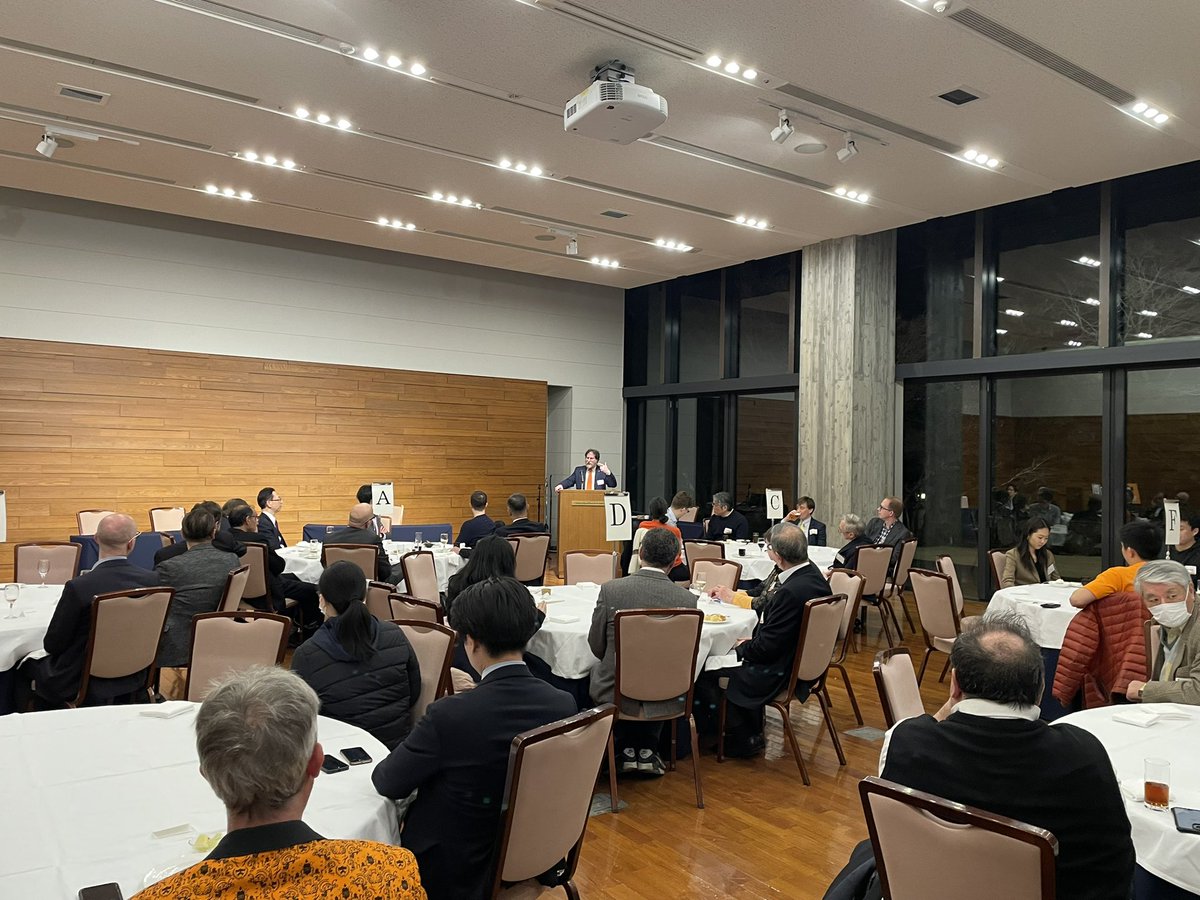
Princeton’s support for entrepreneurship has developed a lot since my undergraduate days, but the way it seeks to build upon its broad foundation in liberal arts speaks (in my mind) to its historical mission.
The office of @PrincetonInnov is visiting Japan and held an alumni greet event featuring a keynote by Prof. Craig Arnold and showcased a panel of leading #PrincetonU faculty who are facilitating campus research discoveries into entrepreneurial startups and patented technologies.
No matter how we tried to modify #LLM generated text (paraphrasing, humanization), people who frequently use LLMs for writing are consistently good at detecting model-generated text, though they change cues they rely on! Check out the paper to see what they are!
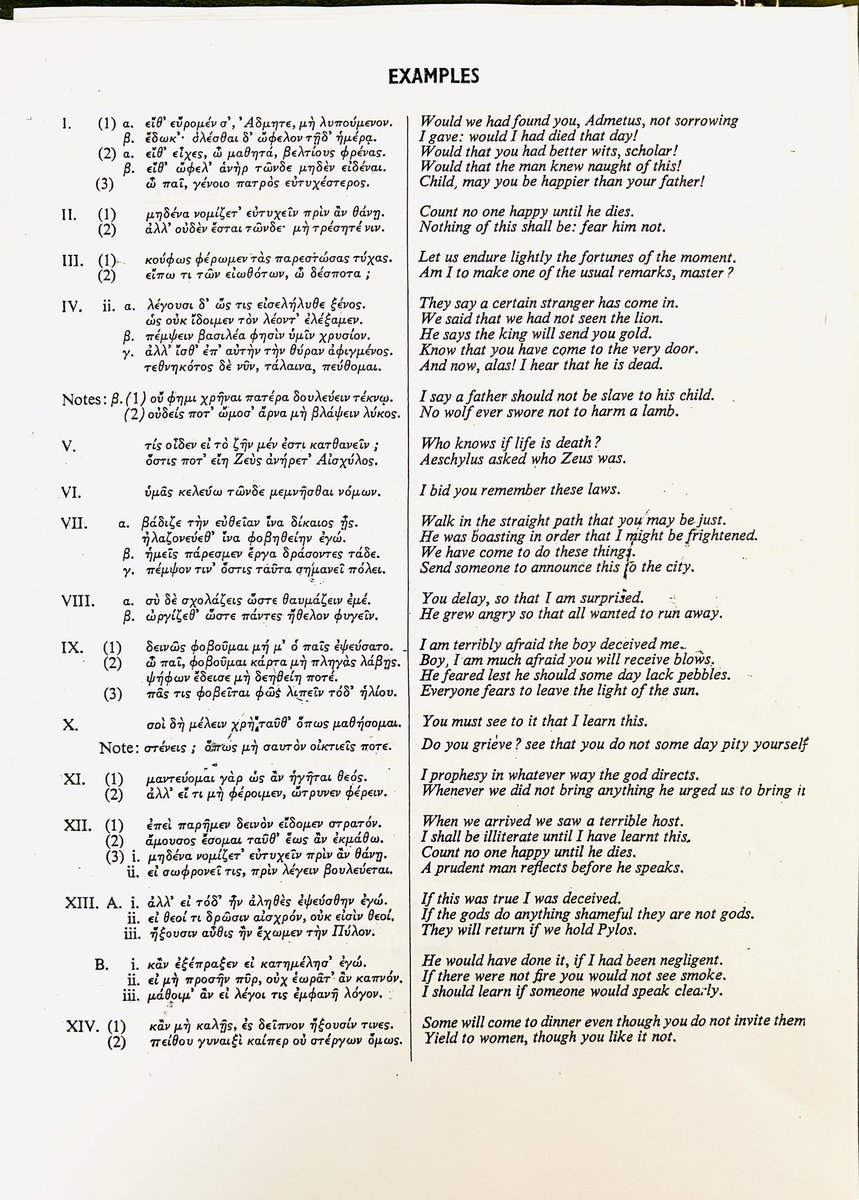
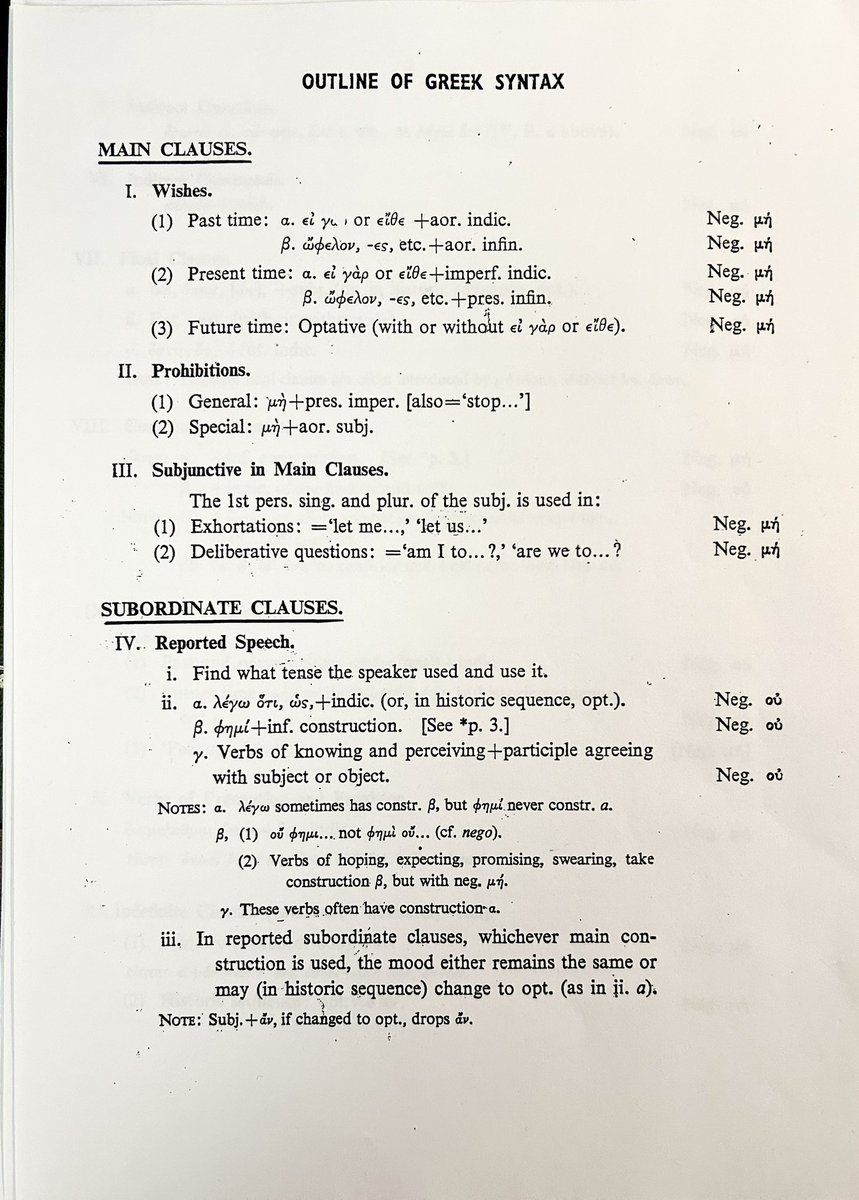
Inspired by the generous example of @AntigoneJournal, here is a summary of Greek syntax rules in 3 pages with a list of illustrative examples in verse at the end.
Used by generations of Eton schoolboys up to the 1970s, and still worth using as a basis.
Inspired by the generous example of @AntigoneJournal, here is a summary of Greek syntax rules in 3 pages with a list of illustrative examples in verse at the end.
Used by generations of Eton schoolboys up to the 1970s, and still worth using as a basis.
The Nebuta Festival in Aomori prefecture with its floats is one of the most famous festivals in Japan. This particular eye catching float by artist Gako Oshiro 大白 ��鴻 titled: 木鹿大王 妖術を使う (Bokuroku Daigo using sorcery) was one of the winners last year 2024 🐅🎊🐅🎊🐅
A path forward for Europe to compete online
Me in the FT
If US tech dominance was helped by its freer market.
… But the internet transforms the economics of public goods.
Digital services are so cheap to provide there's been a burgeoning of freely available digital public goods privately provided and funded via advertising (Google Search and Facebook), or even donations (Wikipedia).
Government could “bulk purchase” standard online accounting services like accounting so citizens and small businesses could get free access and a rich database to mine for further value.
Private digital services like 23andMe could be funded by Europe's public health services which could thenbecome custodians of the resulting data.
With the data secure, and appropriate consents, a giant new genomic database could then inform diagnosis, management and healthcare research. This in turn would spur advances in personalised medicine, improving lives and aiding industry development.
And what of bad behaviour on freely provided social media? Can we build social media around algorithms that improve discussion — rather than ruining it to maximise clicks? Europe’s mixed economy could support this via state institutions with broad social and cultural missions — for instance, universities and publicly funded broadcasters.
https://t.co/YMfmvPRK3z
@johnmilbank3 Tom Stoppard, Golding, Orwell (Animal Farm) all wrote fairly accessible works that that would work for that age group.
Of course, I think British children should study Melville later on, the way American children read Shakespeare
@johnmilbank3 It’s one of those books that is pretty accessible for 13-15 year olds, but not the classic people make it out to be. I agree it wouldn’t be hard to find a decent 20th century novel to replace it with