Development planning expert | Decades in the uncomfortable trenches of demography, sociology, macroeconomics, housing policy & sustainable development | Charts
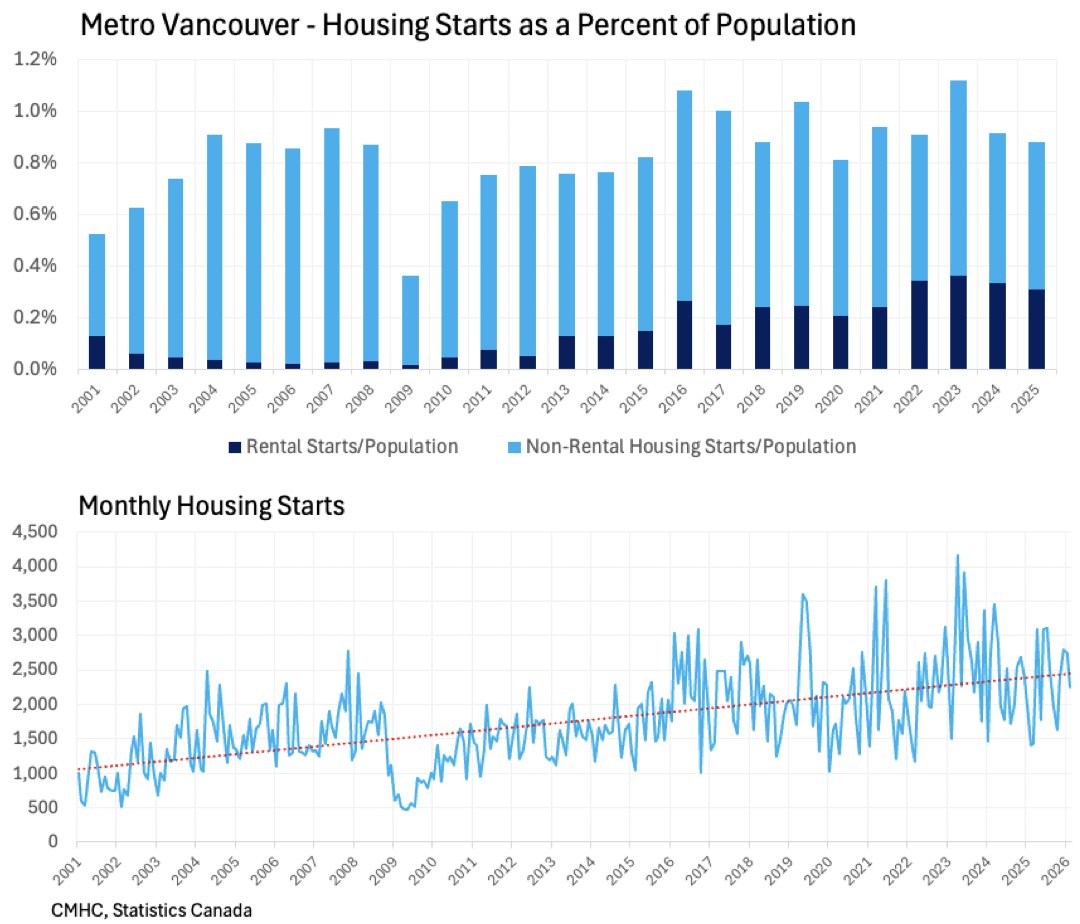
Housing starts swing wildly. Annoying I know.
Linear trend always “up,” polynomial shows the cycle (better fit with data).
Can we get to the mythical supply-sider green line where volatility is suppressed + more supply + more empty units...which presumably drives price⬇️?
Development fees both add to & overlap with other barriers, especially zoning & permitting processes. Add more costs like inclusionary zoning, offsite improvement costs, & even code changes cancelling out fee reductions & analysis is even more complex.
https://t.co/OHbYyRa98M
1/2
Productivity isn’t about working harder.
It’s about producing more from the effort already being put in.
Australians may be working harder than ever, but we’re getting less output for that effort.
This means lower profits, slower wage growth, weaker public finances and less prosperity to go around.
So when population grows but productivity falls, living standards go backwards.
Folks. Please think about this as an economic development strategy: https://t.co/4GNXEpyH87
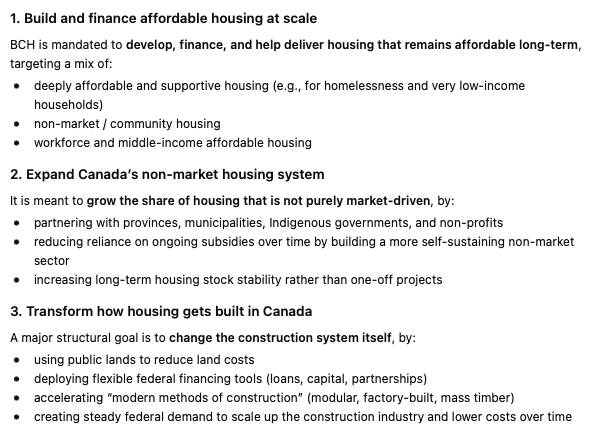
"Investing in the renewal and new construction of public housing has the power to shape the region’s future, delivering far-reaching gains over 25 years."
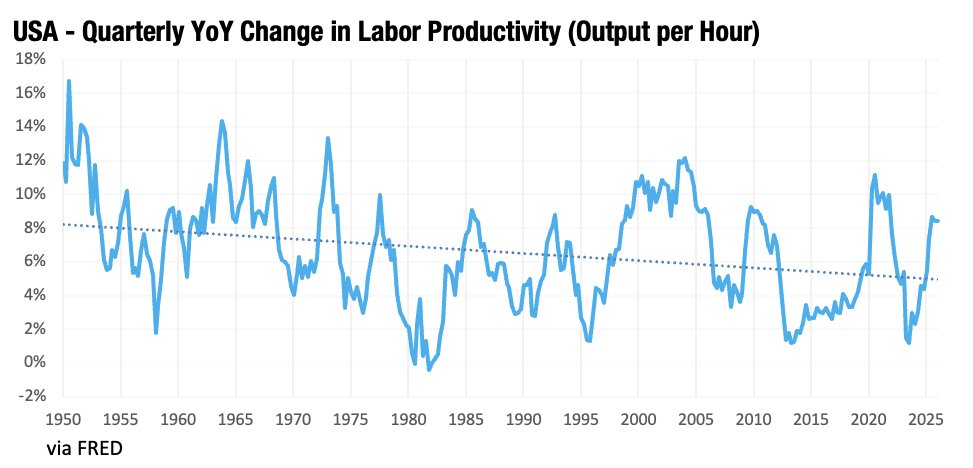
There are people who take quarterly labour productivity changes seriously. These are basically random numbers! Best not to. GDP itself not a lot better. (Seasonally adjusted shown). Longer term trends are interesting tho.
@LcpVan I know, and you have to be deep into your career as a UBC administrator to earn $300K/yr. And by then, housing isn't even an issue for you.
As my mom used to always say: "Vancouver est chère". If she only knew what chère means today.
@LcpVan Who do you predict will pick up the tab going forward?
Can't believe industry has been putting up with this for as long as it has.
Anybody running for office there on the slogan, "we all have to chip in to pay for growth"
Walkable Vancouver with a grocery store, parking for grocery store patrons and occupant of the apartments if they choose to own are car.
All packaged into one. 🤯
"Walkable city" doesn't necessarily mean car-free
But a key feature of walkable cities is that you can live next to or above a grocery store
And if you do, why would you need to drive?