These past few months, we've been enjoying giving talks about our Think Like A Scientist work - here is a photo from a @uoftalumni event in Calgary, AB, Canada.
Reach out if you are interested in hearing more about our ideas on accessible and inclusive science education!
‘I really like to work in my local community,’ explains @philipheron. ‘As I looked at Durham, I was like, okay, there’s a lot of coffee shops and one massive cathedral, but there’s also four prisons in the nearby areas.’
https://t.co/SkatiP0pUb
When @philipheron started investigating doing science education in prisons, he wanted people to feel like science could help them in some way. ‘To know that you can learn from science and science can learn from you.’
https://t.co/SkatiOZS4D
When @philipheron started investigating doing science education in prisons, he wanted people to feel like science could help them in some way. ‘To know that you can learn from science and science can learn from you.’
https://t.co/SkatiOZS4D
Scientific colour maps: yes!—But when and what not to do with them?
👉https://t.co/6shMBDbXLy
including resources for researchers, science communicators, software developers, publishing editors, and University faculty!
@ShepGracie@philipheron#DataVisualisation#UseBatlow
The illustration in 'Radio observations of the pulse profiles and dispersion measures of twelve pulsars' Harold Craft’s 1970 phD thesis. Suggested by Bernard andused by Peter Saville as the cover design for @joydivision’s 'Unknown Pleasures'
Calgary and Edmonton this week for @UofT - talking about Think Like A Scientist and the wonderful film 'The Science of Second Chances'. Check it out below!
https://t.co/V86523iy9d
Last Friday, I had the opportunity to teach the ~80 Earth Sciences doctoral students of the @ETH_en about science-proof and accessible #GraphicDesign during their PhD retreat in the Swiss Alps of @DavosKlosters.
Well worth the support, thanks @ETH_ERDW! 👏 ❤️
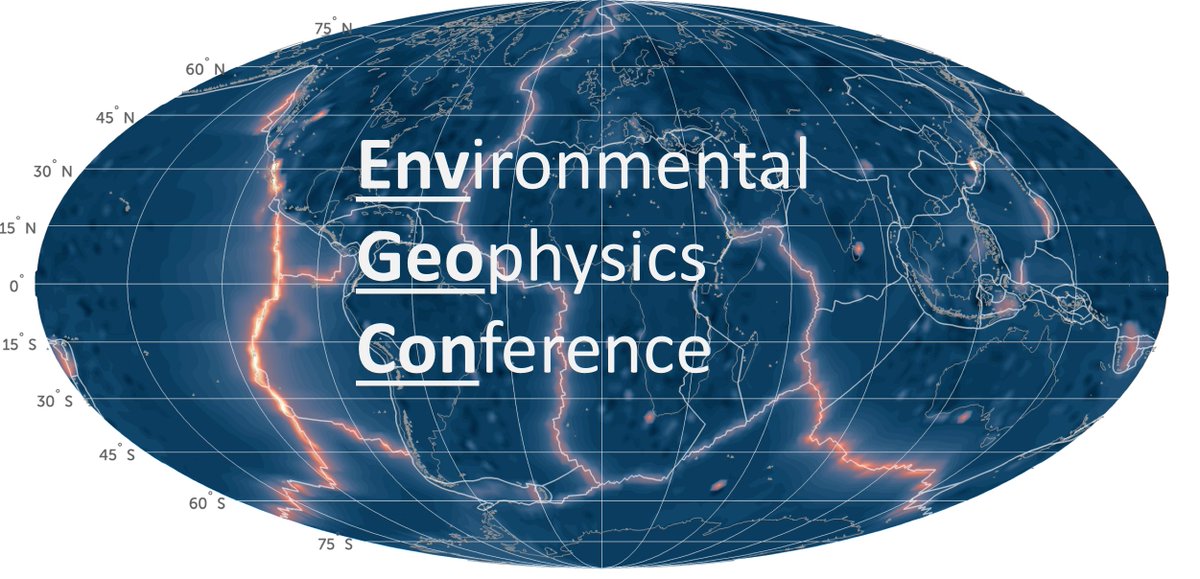
For our logo, the graphic is by Fabio Crameri based on Davies (2013) is available via the open-access https://t.co/QNa081jjWu repository.
Related reference: Davies, J. H. (2013), Global map of solid Earth surface heat flow, Geochem. Geophys. Geosyst. doi:10.1002/ggge.20271.
In scientific research, there is always something to do and be busy with. But it is also important to pause, get together & eat pizza.
On Tuesday, a few groups across @UofT got together under the banner of a Environmental Geophysics Conf!
@UTSC_DPES @UofTEarthSci@UTM_CPS
📢In today’s issue of @Patterns_CP, learn the importance of “Navigating color integrity in data visualization” to promote accurate and accessible science. @fcrameri and Sari Hason https://t.co/jzdAAljhIO
Feature | From ocean subduction to ocean island
@philipheron and colleagues discuss the links between supercontinents, subduction and mantle dynamics:
https://t.co/TnAckr3CIg
#Geoscience#Geology#Research
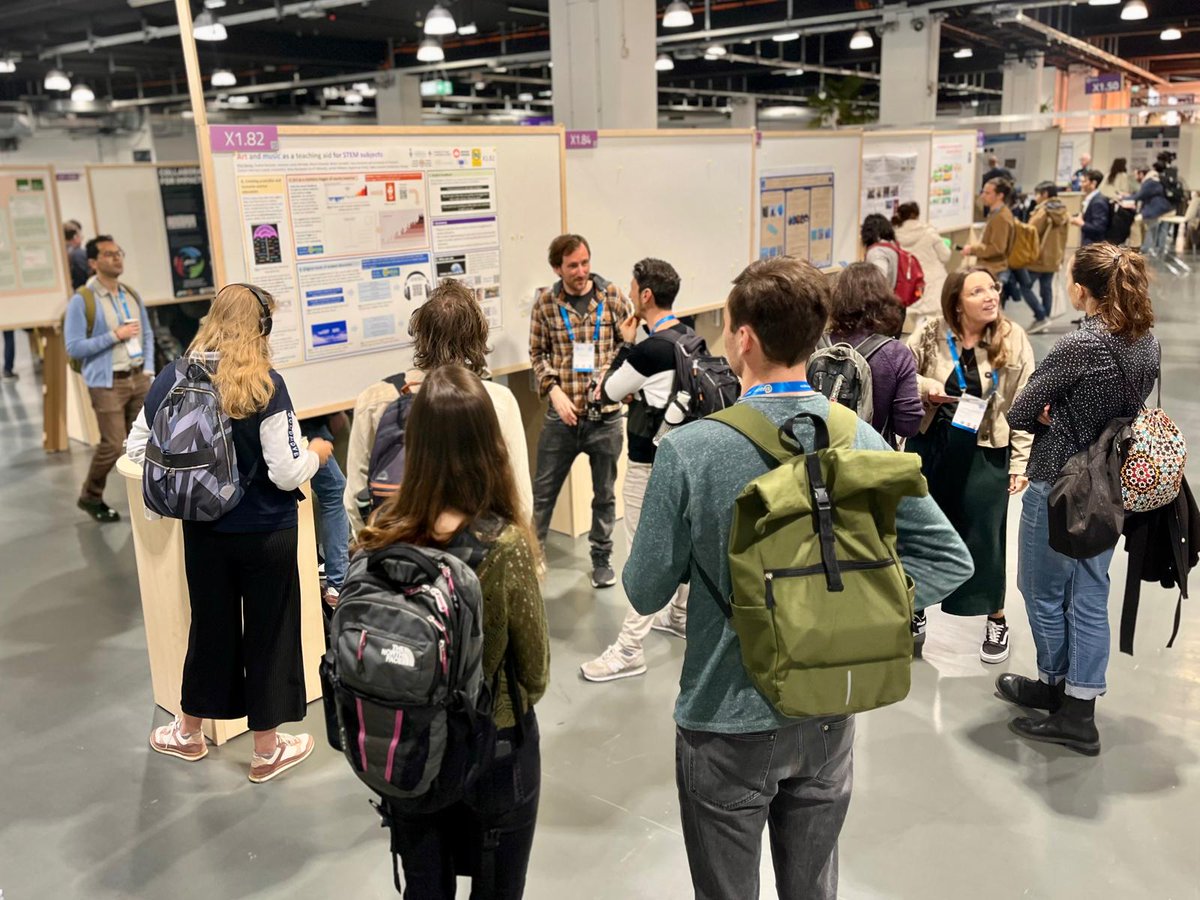
Our final poster this week was with @ErkanGun talking about slab break off and polarity reversal! He was busy all afternoon! @EuroGeosciences @UTSC_DPES
This was a really great time yesterday - not only did we chat continuously for nearly 5 hours, but we gave away our @fcrameri postcards and my 2006 iPod mini battery lasted almost constant playing of our two climate-related songs!
@EuroGeosciences @UTSC_DPES #EGU2024
I can't recommend this session enough...I went to this last year and it really helped get our art and science project off the ground! @drlperezdiaz @iamhazelgibson@fcrameri@EuroGeosciences
https://t.co/93KB2XgbeD