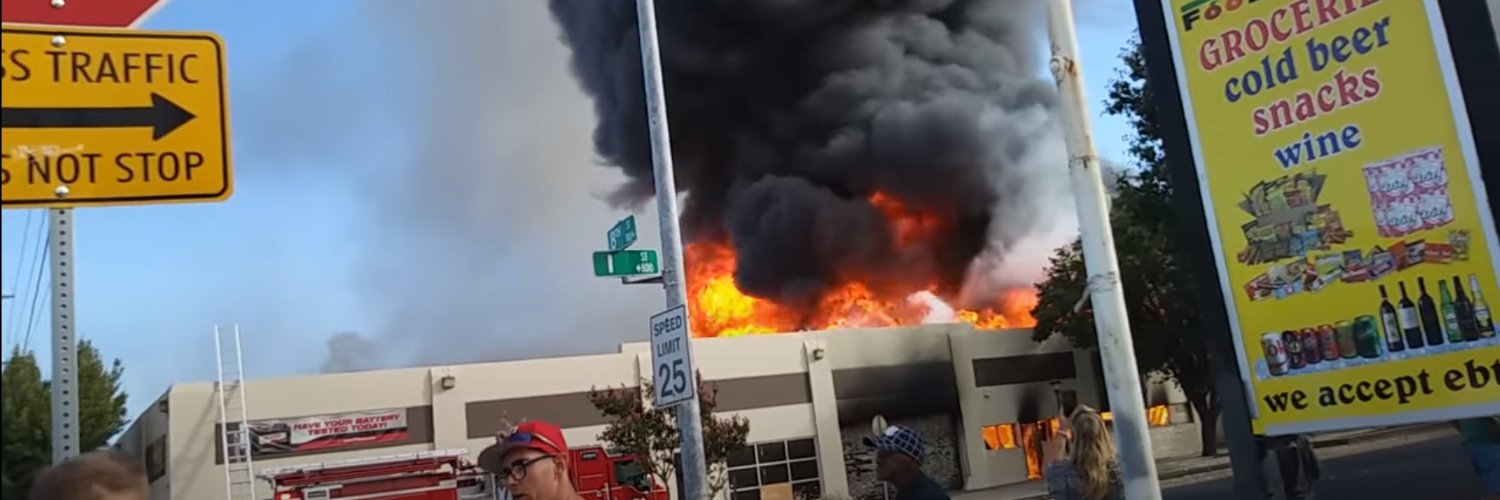
@chief_bailey @ffseangray No doubt hazards and risks are different. Hazards occur. Risks may occur. Smoke is a hazard. Collapse is a risk. Which would you consider running out of water to be? A hazard or a risk?
@AverageJakeFF@DTO804@Hydrant2Nozzle Find out what their concerns are. Perhaps they are rooted, like I was, in the fear of running out of H2O. Maybe they remember the unreliable hose, or the unreliable hydrants. Maybe they don't remember those directly but the folks who trained them did have that experience.
@Planeteerjohn @AverageJakeFF@Hydrant2Nozzle One purpose of the article is to get people to ask the question! So thank you for considering our idea. It's not just the time delay of the stop and go but also the loss of staffing to make and advance the stretch! The impact on the mission.
@chief_bailey @ffseangray All hazards (risks) are not created equally. That's why it's a risk/benefit analysis. Is it a real or potential hazard? What is the increase in risk? How often would that potential risk be realized? Is the increased potential for risk worth the potential benefit?
Great article from @Hydrant2Nozzle & @philjose1 a hard adjustment as for the last 24 years in the fire service I’ve been taught “first in lay in” but the further I dig into research, specifically the victim studies from UL the less important it seems
Check out my latest Reading Smoke training session on YouTube!!! Please subscribe and share to spread the word and help build the Reading Smoke Nation.
https://t.co/e5dFS8hOUw https://t.co/0v5WRB0FaS
Check out this #ReadingSmoke post as a primer for this week's upcoming SBSK FB post on Wednesday followed by a YouTube live training session on Thursday.
https://t.co/JJFfpxzvjx