The plan is to make Kenya a failed state;
1. Destroy the middle class.
-shut down manufacturing companies.
-overtax the working class.
-inflation.
-hike the cost of living.
-no increments on salaries.
2. Turn everyone into a beggar.
-introduce digital currency.
-government as biggest employer.
-destroy informal sector.
-divest manufacturing.
-over regulate/ over tax small and medium enterprises.
-subsidise corporates.
3. Privatize land.
-give access to farmland to global agricultural multinationals.
-bills that take away land sovereignty from the citizen.
-introduce a land tax.
-create squatters.
4. Control housing.
-15 minute cities.
-over surveillance.
-avoidable housing for those who can't afford a tax on their freehold land.
5. Destroy seed sovereignty.
-introduce only patented seedlings.
-prioritise GMOs and hybrids.
-demonize indigenous seeds and organic farming.
-pass bills that curtail the growth and aspirations of small scale farmers.
6. Privatize water.
-force a people to need a license to harvest rain water, rivers or dams.
-overtax boreholes so only the rich can afford them.
-give global beverage and bottled water companies uninhibited access.
7. Enslave the nation in debt.
-borrow from global banking cartels;
IMF, World Bank, China EXIM Bank, European Central Bank, African Development Bank...
-squander taxes.
-loot borrowed money.
-use national assets as colateral for debt.
8. Destroy Sovereignty.
-allow foreign military bases in your land.
-allow foreign governments say so in your socio-economic/ political issues.
-allow biological weapons labs.
-allow for looting of mineral wealth and natural resources.
9. Create an illiterate populace.
-remove free education.
-introduce a new education model without proper planning.
-allow globalist entities to fund your curriculum.
-dumb down the learners.
-divest/privatise higher learning institutions.
10. Devalue the currency.
-print fiat without regulation.
-inflation.
-loot gold and silver reserves.
-allow global banking cartels to set fiscal policy.
@XivTroy Tracy Chapman's "Fast Car" Lisa Stansfield's "All Around the World" and Soul II Soul's "Back To Life" have a deeper and more fascinating story behind their music
You ever read a book or heard a song so ethereal—so lingering—you had to go hunting for the artist's story? It could not be just talent, the way they bled on those pages; could not be training alone, the waves in their voices. Who did you kill, writer man? What haunts you so bad?
The construction photos of the Zando Central Market tell a different story from the renders. You see the scale. You see the brick being laid. You see what it actually takes to build something this considered in Kinshasa.
Zando Central Market. Kinshasa, DRC. THINK TANK Architecture. 80,500 m². Reopened February 2026. Winner of the 2025 Holcim Foundation Award for Middle East and Africa.
The original market was built in the 1970s for 3,500 vendors. It had swelled to 20,000 with fewer than twenty toilets and no cold storage. THINK TANK did not import a solution. They reactivated three brick factories within 60 kilometers of the site to supply the terracotta. The perforated brick facades are patterned after Congolese wax textiles. Five open courtyards regulate temperature without mechanical cooling. Rainwater harvesting sustains sanitation and irrigation.
The dominant materials are concrete and locally sourced terracotta brick. The design kept everything else deliberately minimal.
Three brick factories reactivated within the region. Jobs created before the building even opened. 20,000 vendors now trading in a dignified, organized space with cold storage, reducing food spoilage and increasing daily earnings. Proper sanitation and waste management means the city can now collect tax revenue it was losing to the disorder of the old structure. Every franc spent on local materials stayed inside the Congolese economy.
A market rebuilt. An economy nudged forward. Both from the same decision to build with what was already there.
THINK TANK Architecture | Zando Central Market | Kinshasa, DRC | 80,500 m² | 2026
Thanks to a generous grant, we are so pleased to be able to offer 150 fee waivers for submitting to the 2026 Queen Mary Wasafiri New Writing Prize!
If you're a low/no-income writer or translator hoping to enter this year’s prize ... 🧵
More beautiful apartments from Iran, this time in the city of Arak.
Textured brickwork, recessed balconies, shade.
Designed by A.P. Pars Architects and Associates
Saraba Magazine is open for submissions from 1-30 June 2026
We are also accepting submissions for The Revival Project, a multi-phase editorial initiative aimed at reclaiming, archiving and celebrating African writing that is currently inaccessible.
https://t.co/LfoVuyqF3U
A cinema dedicated to African film
Studio NEiDA's cinema project in Ghana called The Falcon, is a purpose-built cinema and film community space planned for Berekuso, north of Accra. It is designed around four buildings enclosing a courtyard, drawing on Asante architecture…👇
Shitanda aka Staice Shitanda (Kenyan-African, b.1997, Nairobi, Kenya, Eastern Africa, based Kenya, Africa) - The Singer and the Red Rose, 2025, Paintings: Acrylic, Oil on Canvas
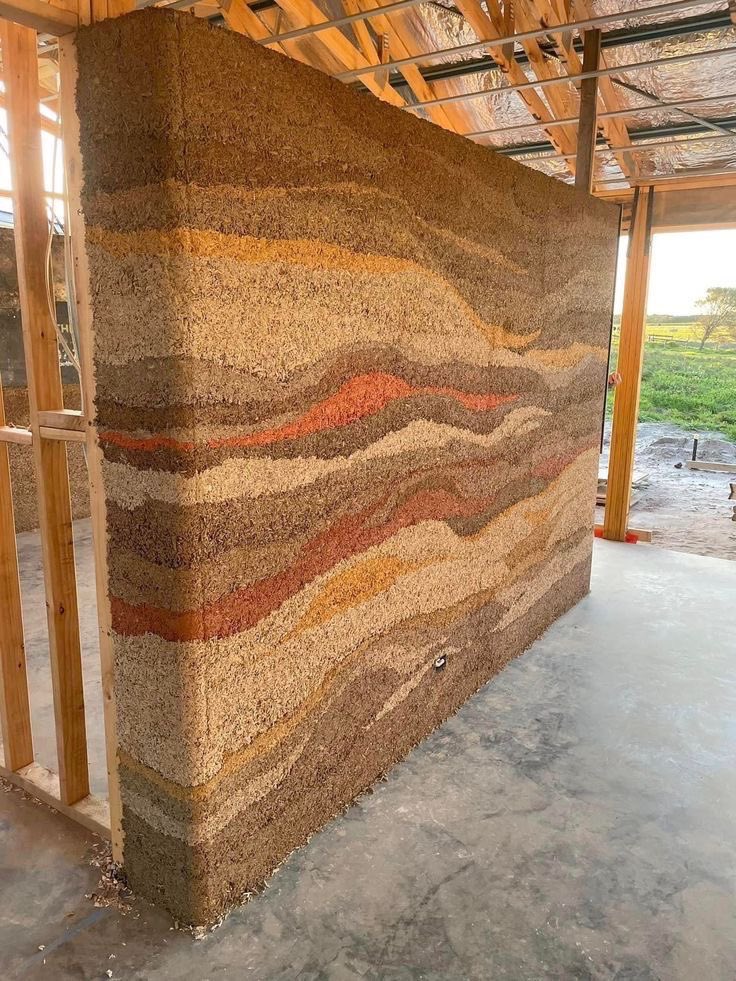
Rammed earth is a sustainable, low-carbon building material that offers unique aesthetic layering and structural longevity through the high-density compaction of natural soil and pigments.
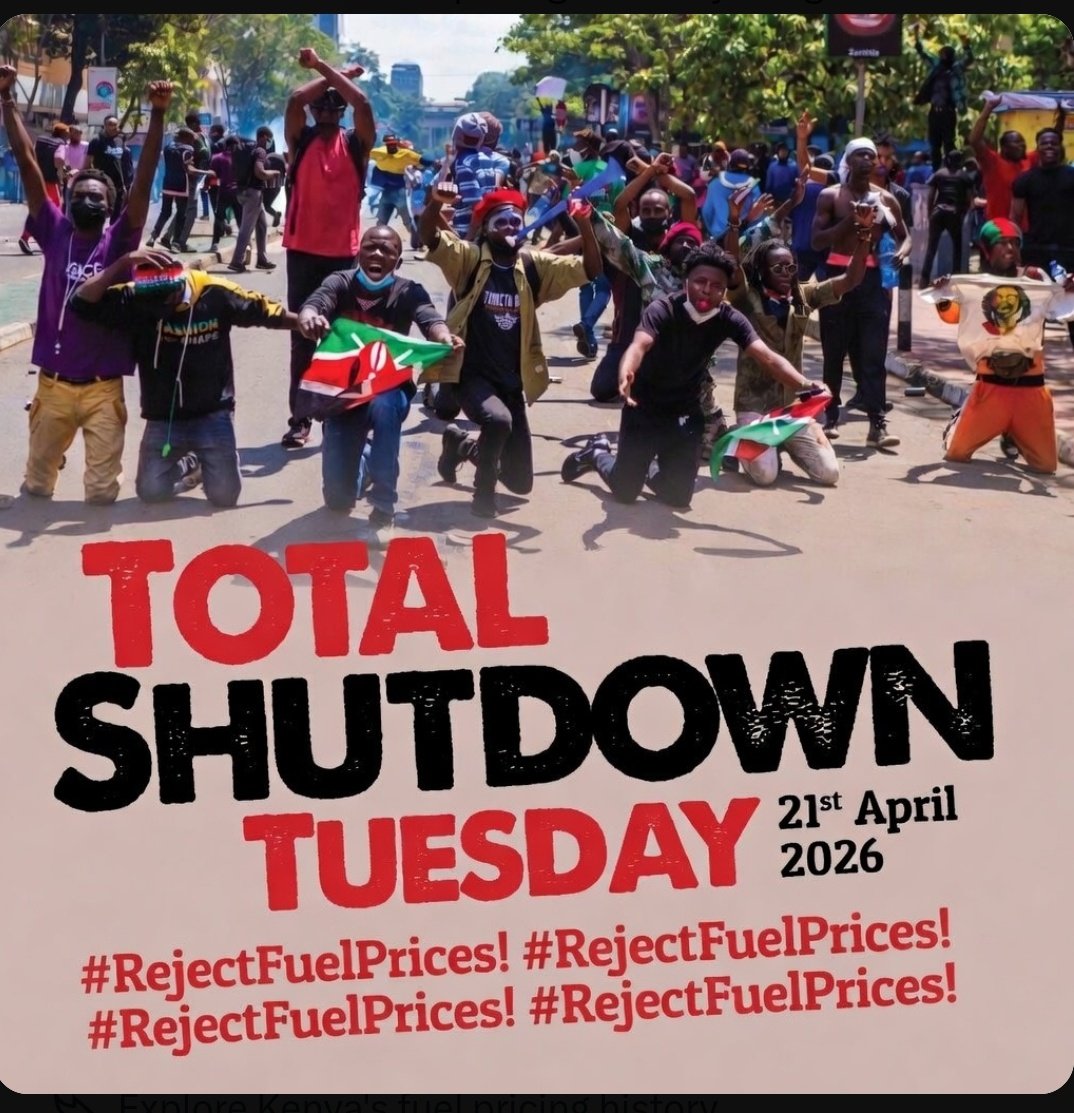
Ethiopia is landlocked.
It imports its oil mostly from the Gulf (Saudia & UAE), and the rest from India and Singapore.
Its oil lands in Djibouti and gets connected to a 550km Pipeline to Addis Ababa.
After all this, it lands petrol at the pump at KES 110-120 amid the current geopolitical crisis.
Kenya gets oil from the same Gulf, ships it directly to its own ports, and then a pipeline that the government mostly controls.
It then retails petrol at KES 206.
MAKE IT MAKE SENSE!