@graham74GC It strikes me that these results aren’t vastly different from H10 unfavourable. This is the group that has the least benefit from RT irrespective of chemo regimen. I’m not sure this should convince us to use more eBEACOPP if HD14 didn’t.
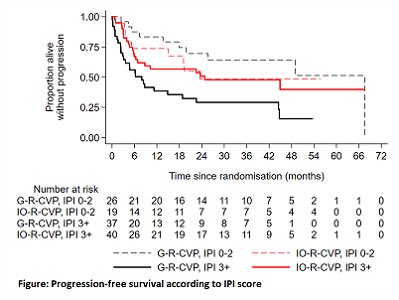
Phillips et al - @NCRI_partners INCA trial
• randomised trial in anthracycline unfit DLBCL 1L (1st ever?)
• RGCVP v R-CVP+inotuzumab
• 129 pts, med age 79
• NRM 25%! - high risk
• no benefit for RCVP-IO (although prespecified IPI3-5 subgroup did show benefit)
#lymsm#EHA25
Huge dataset. Kudos to @bengoldacre and team. Haem malignancy pts are at particular risk. Immunesuppression? Aberrant inflammation? Treatment? These diseases are highly heterogeneous = urgent need for more granularity & implementation of evidence-based management in COVID-19 era.
Highly effective therapy in #Burkitts#lymphoma. Nice work @andrewmac2018@phillibeth#lymsm
Favourable outcomes for high‐risk Burkitt lymphoma patients (IPI 3‐5) treated with rituximab plus CODOX‐M/IVAC: Results of a phase 2 UK NCRI trial https://t.co/52PoNllqiu
For the first time in my life, I feel that my vote in a general election might actually make a difference. Makes you realise just how powerful proportional representation could be. C’mon #Putney#GE2019#VoteNHS
@chadinabhan@tobyeyre82@graham74GC This is the classic 1983 (!) @jco_asco paper by Anderson et al on the inherent flaws of responder vs nonresponder analyses. I’ve cited it as a manuscript reviewer so many times that I finally made a macro so I could stop retyping the same dang thing again and again.@VPrasadMDMPH
GHSG HD16 study: PET-positive patients after 2ABVD have worse outcomes in early-stage HL. But how is Deauville 4 defined and where are the D5s? RAPID data show that not all ‘positive’ PETs are equal