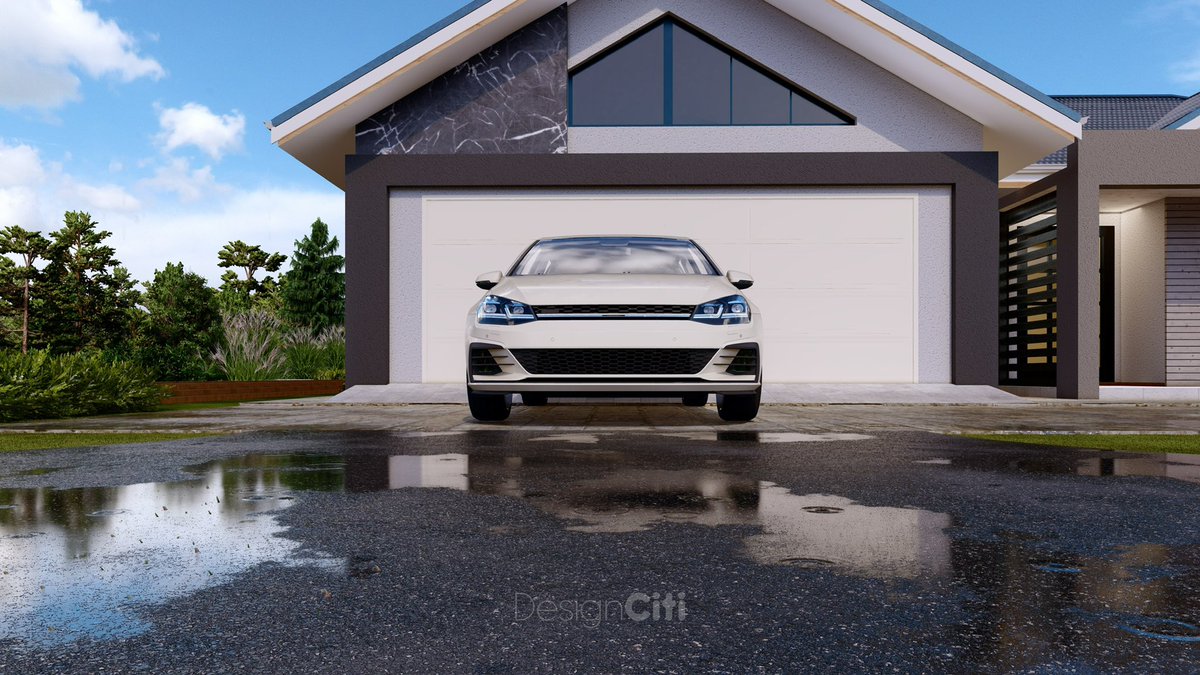
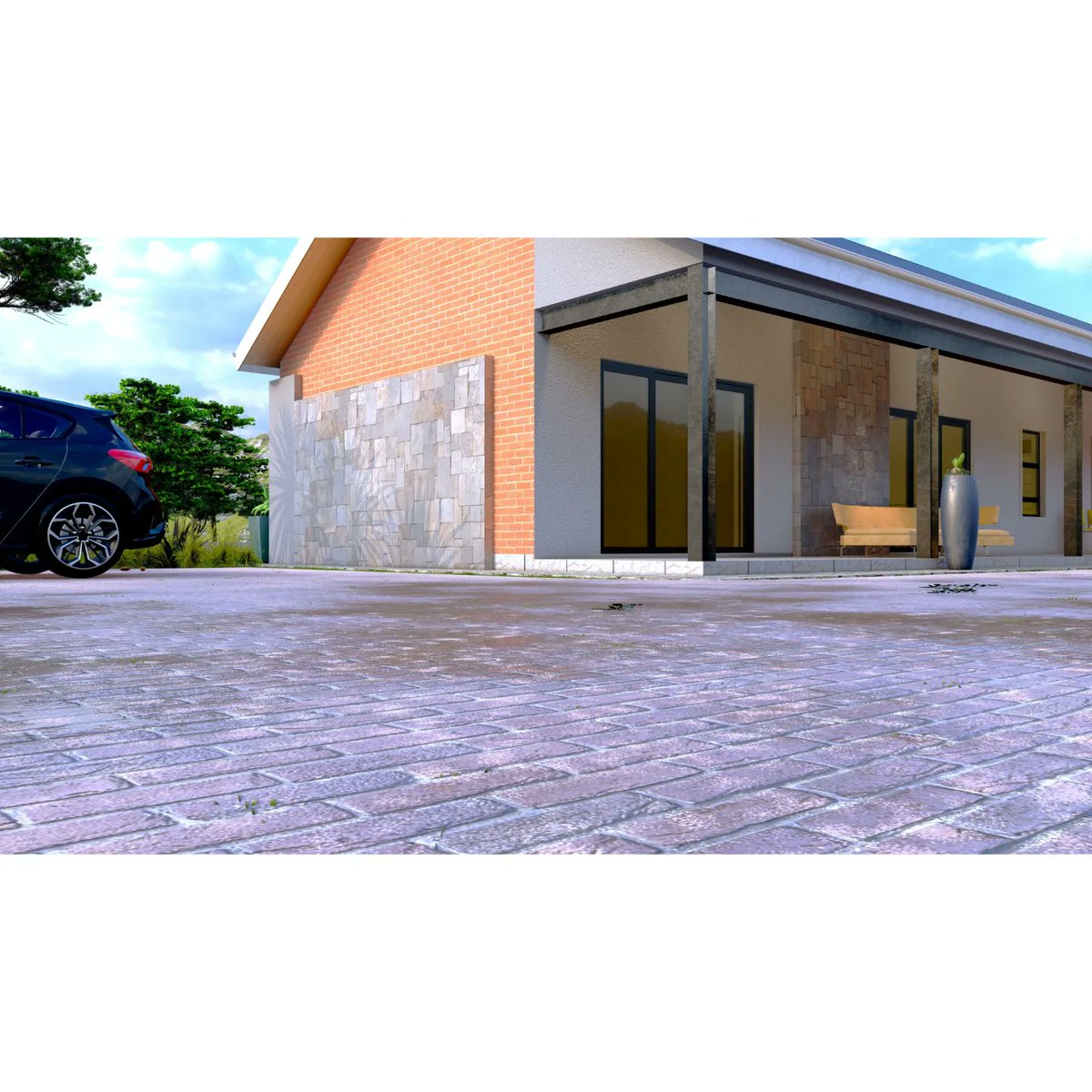
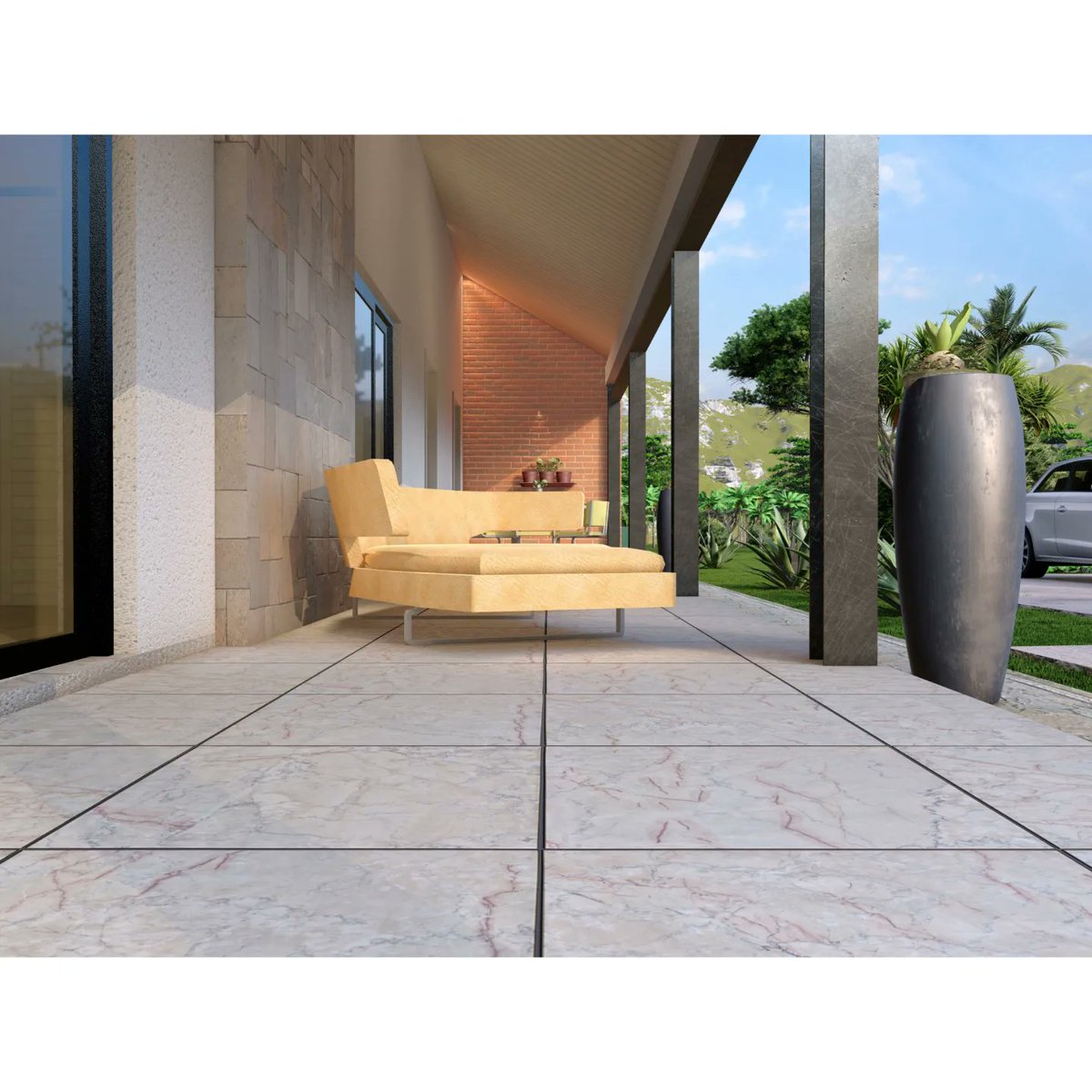
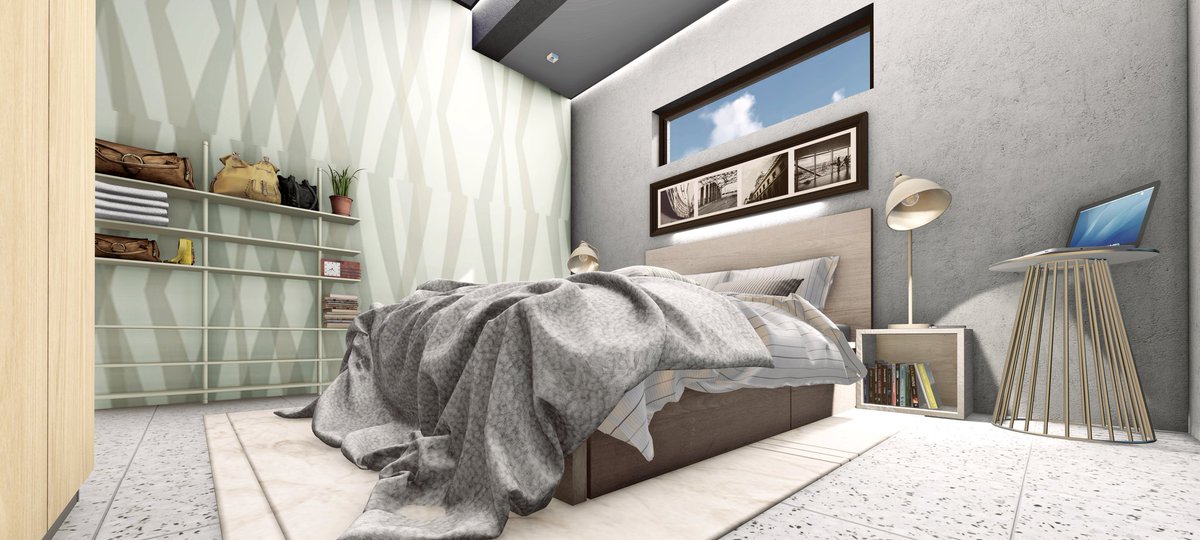
Today in our #FSF we feature Phillip Tinashe Takudzwa Nezandonyi, who's now living his childhood dream, turning his visions into reality using the power of the pencil. Read more about this high-flying Architect,whose academic journey began at NUST. #Choosenust#Thinkinotherterms
Biomimicry - an approach to innovation and problem-solving that draws inspiration from nature.
Biomimicry - studying and emulating natural systems, processes, and designs in order to create more sustainable and efficient solutions to human challenges.
Tirikudzidza! @phlgood1
@kbnyamwena Yes Sir! Zimbabwe has one good attempt at biomimicry in the original Eastgate building project. The building structure fosters passive cooling mimicked from an ANTHILL, CHURU 😀 Read more here https://t.co/8rcxXQgTsg
lnterior Designers often come with their own teams to carry out installation of approved proposals by the Client. This depends on the scale of the project or the contract entered into by the Client.
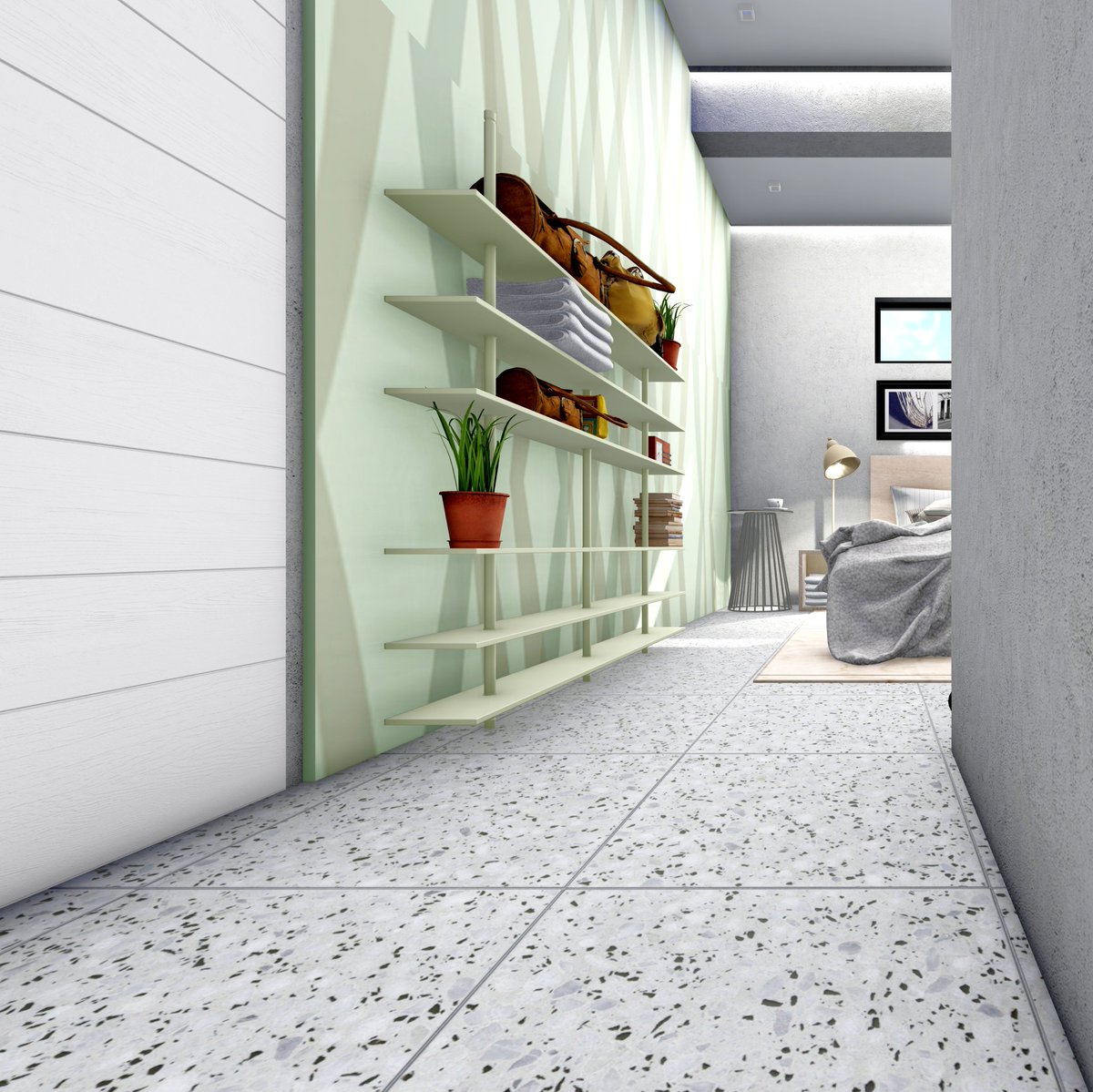
Interior Architecture and Interior Design are very closely related disciplines in Architecture & building design that are quite often mistaken for one. How are they different? Some differentiating points below 👇🏾...
Both disciplines have overlapping skills which need to be applied diversely on different projects and different scales. Due to Interior Design having a larger bias towards art and aesthetics, it mostly relies on Interior Architecture to guarantee space functionality.
3. Key broad qns. may include;
-Is the existing structure sound enough?
-What time will it take on the project?
-Is there sufficient space for expansion?
-Is there need to move out temporarily?
-Whether you consult neighbours or LA & at what stage?
Can the works be phased?
2. Planning for the proposed additions and alterations needs to be meticulous. Assessments are key in comparing the existing vs proposed additions and alterations work.
Some advocacy for the singles. #houses#engagetheciti#architecture#residentialdesign
They (these singles) often call for LESSER material use, implementation time, labour & equipment needs. All this allows a relatively lower construction cost vs the multiple-storey alternatives.