Your timeline might have quite a lot of butterflies today, and I've seen a bunch of people voicing the opinion that it's just "the libs leaving X".
No.
It's just impossible to have a technical discourse on a platform that uses an algorithm so tuned to ragebait.
✨“It’s okay if the grammar isn't perfect - the idea is there”
⠀
🎙️Listen to our new podcast episode on building reliable tools with @phry, Senior Staff SE @apollographql, hosted by @jherr, Blue Collar Coder.
📺YouTube: https://t.co/Dwf9ATTtXQ
🎧Spotify: https://t.co/h3BBIjboPz
@jamonholmgren That kind of encapsulation will IMHO also play a big role with AI, as you never need to look far beyond the file that's currently open - a smaller context makes for better code.
@jamonholmgren And stuff like fragment composition & data masking can get you to a point where every component defines individual data needs, still you only have one request per page (you can stream slow parts of the response via defer).
@teemu_taskula@jerelmiller Also, please feel free to open issues for questions like this or open in the forum. I'm on this platform only very sporadically at this point.
@pplanchon_ Similar name, different benefit :)
GraphQL Codegen's "Fragment Masking" essentially ensures that each component requests what it needs so you never use fields you're not supposed to.
Apollo Client's "Data Masking" prevents rerenders if unrelated fields change on top.
@Bamboost_HS@jerelmiller Sorry, not really active on this platform anymore.
That sounds like a job for the `PreloadQuery` RSC component: https://t.co/5aNRYShoJs
📣 In case you missed it: #GraphQLConf 2025 schedule is live! 🔥 Join us in Amsterdam 8-10 Sept. for deep dives and exclusive #GraphQL talks. Amazing sessions lined up ➡️ https://t.co/iWeHf1SQPz Early bird pricing ends 13 July: https://t.co/QHZRxuOz7r
Introducing Apollo MCP Server
Learn more about how Apollo MCP Server gives you zero-code MCP tool creation, native REST/GraphQL support, and built-in policy enforcement: https://t.co/fqnK9gVaWL
#GraphQL#MCP#APIOrchestration
@patrick91@pintswithjack It's the best way of using Apollo Client in Next.js, and even any other data fetching library would need a similar package to support Next.js.
@patrick91@pintswithjack We're going to drop the label soon, but there should be nothing to keep you from using it right now.
The idea of adding "experimental" to the name was more to get people to closely get the README, not to discourage people from using it.
Today we are releasing our first alpha of our next major version of Apollo Client 4.0. This is a major milestone as it will be the first major release of Apollo Client in nearly 5 years.
Here are some of the major changes in the first alpha that we look forward to 🧵:
But there's also a ton of other changes.
`useLazyQuery` has gotten a rewrite, and a lot of the core has been rewritten to be more ergonomic to use outside of React.
Lots more to come, but please already try this out now - we need your feedback!
https://t.co/Ey0lNKrXfS
Today we released Apollo Client 4.0-alpha.0.
The biggest two changes:
We switched over to rxjs as our observable layer, and we completely revamped the bundling story.
That's a big boost for interoperability, general bundle size and tree-shaking.
https://t.co/ukS2WIiSoo
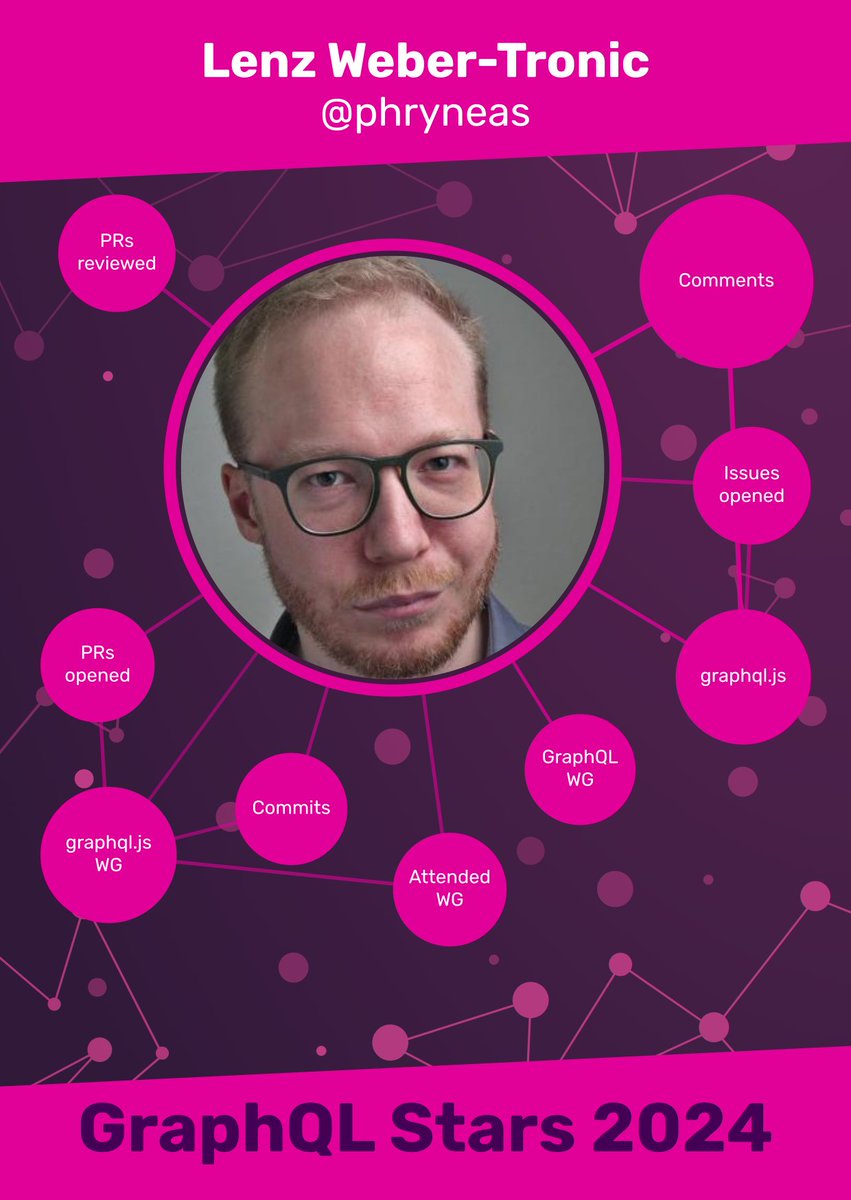
This week's GraphQL Star is @phry, a champion for graphql.js and ESM compatibility - thank you for your contributions and for always pushing us to do better!