Feeling really privileged to have been a part of the @WeAreInBetaPod subject research team. Thank you to @FrancesLing for her help, guidance and support. https://t.co/xVbCCopKIe
There is a legitimately difficult tension at the heart of Ofsted as an inspectorate.
A. Schools are public institutions and need objective and impartial oversight. Models involving local or within-profession accountability simply won't work.
B. Some schools are worse than others. Some schools are better than others.
C. If you break schools into four categories of quality (1st, 2nd, 3rd, 4th). It's probably pretty easy to tell the difference between 1st and 3rd and 2nd and 4th. 2nd and 3rd? Not so much. 3rd and 4th? Tricky. This gets even harder if you make the groups smaller. If you have 5 grades, and 7 categories to judge them, telling the difference becomes increasingly difficult. The idea that you can genuinely tell with any kind of scientific accuracy the difference between "expected" and "strong" standard is for the birds.
D. This is because most of the ways we can actually figure out if schools are good or bad start objective, but then get subjective really quickly. This school has a high p8. Ok, but what about its PP cohort? What about its SEND students? How many EAL students does it have? How does it compare to other local schools, or schools with a similar demographic? This school has lots of exclusions. Does that mean they are excluding too easily, or struggling with a tough cohort?
E. These subjective questions are extremely difficult to answer. There isn't a rule book or an algorithm. You have to rely on humans and human judgment. And that's where inconsistency creeps in. Critically, that inconsistency is absolutely inevitable.
F. You then also start commenting on things which have no objective component, and no clear evidence base. We don't really know what good "wellbeing" or "careers education" or "inclusion" or even a "curriculum" looks like. My job is literally to work with teachers at helping them get better, and I would never ever ever think I could fine-grade the quality of teaching in a school with any kind of objectivity. I reckon I have more expertise and experience at doing this than 90% of current inspectors, and still wouldn't touch it.
The point with all these things is that we have some research, and we know what really bad practice looks like, but anything beyond that is just informed opinion. And that's problematic in and of itself, and because of the inconsistency that will creep in.
At the moment, Ofsted are trying to inspect and evaluate things that probably can't be evaluated with high resolution or precision, and will certainly be inconsistent across inspectors. That's going to lead to problems, and Ofsted will get things wrong in a context where the stakes are extraordinarily hight.
(I've put my preferred inspection model in the first comment)
What’s the quickest and easiest way to inform extra curricular attendance? Are there any online platforms that automatically support this? #extracurricular#attendance#enrichment
The New York Times: No puedes “gamificar” una educación real.
La obsesión por hacer que aprender sea siempre “divertido” ha llevado a llenar las aulas de pantallas, juegos y estímulos rápidos. Pero educar no es entretener: es exigir atención, esfuerzo y pensamiento profundo.
La tecnología debe ser una herramienta complementaria, no el centro del aprendizaje.
https://t.co/ar0gPMtXkh
A pioneer of autism research is asking us to rethink the diagnosis, only viewing as autistic those diagnosed in early childhood with severe intellectual/language impairments. She says those diagnosed as adults may be suffering from something else...👇
https://t.co/qTPSWcIg7S
Pupil premium mistakes to avoid – Former headteacher @coy_lucy15 highlights the practical, evidence-informed strategies that have the biggest impact on disadvantaged pupils… https://t.co/sh5H0sQmA2
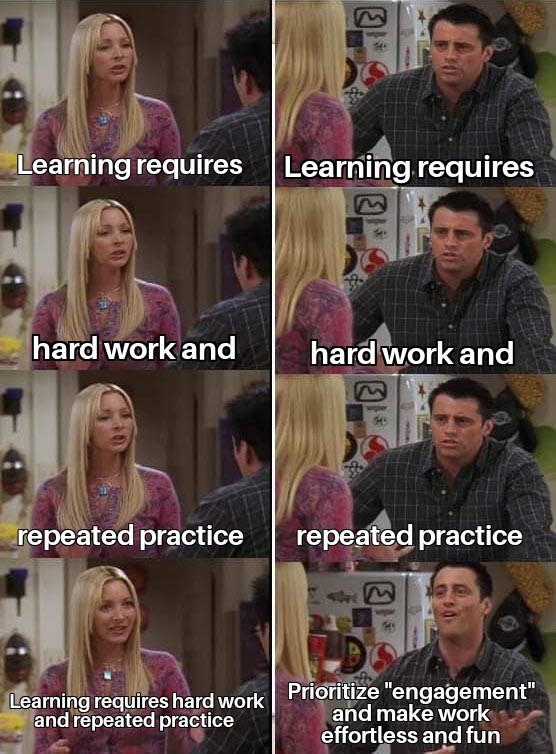
"All learning requires effort-the effort of attention and repeated distributed practice to forge and fix new neural networks."
- E.D. Hirsch
Deep learning requires repeated and directed hard work. The priority should NOT be to make learning effortless and fun. Those are good things teachers can do IN ADDITION to direct and monitored instruction.
The way we help students with stress is to help them to master that stress or see the trigger as less stressful, not by confirming that the source of their anxiety must be avoided at all costs.
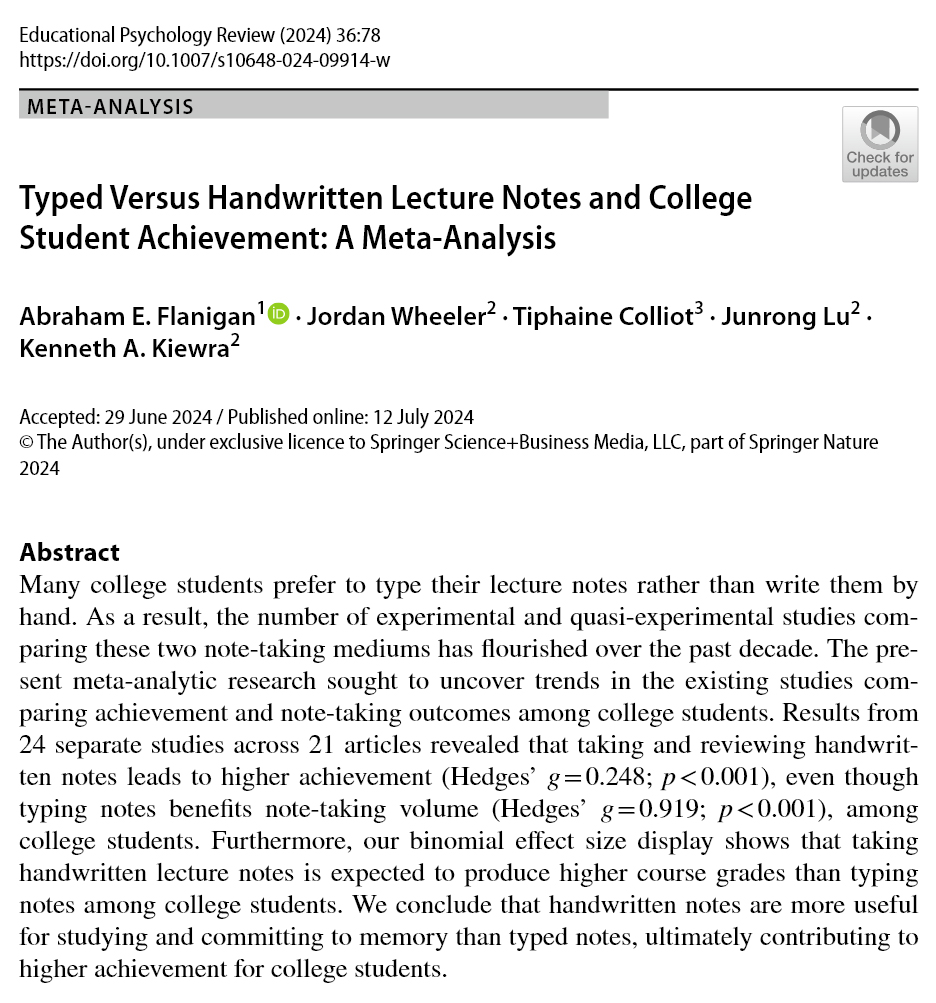
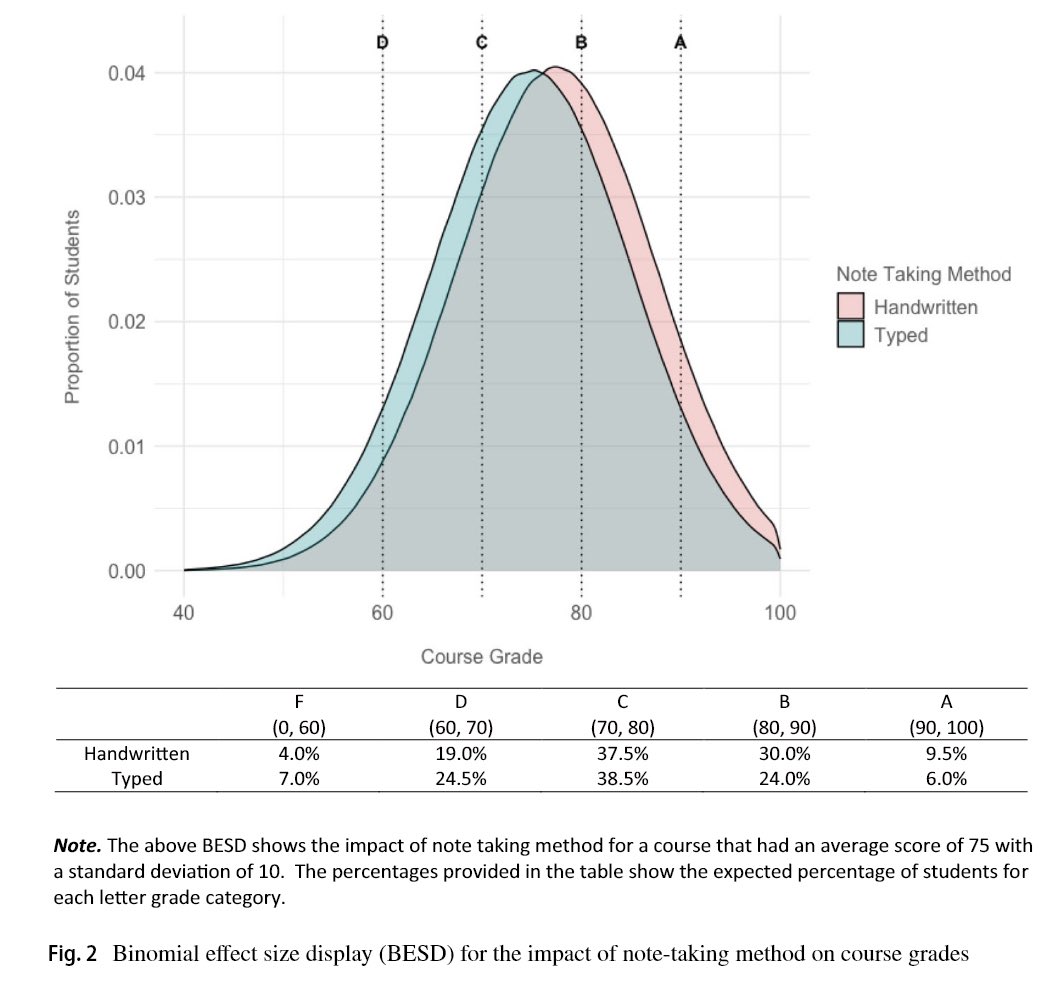
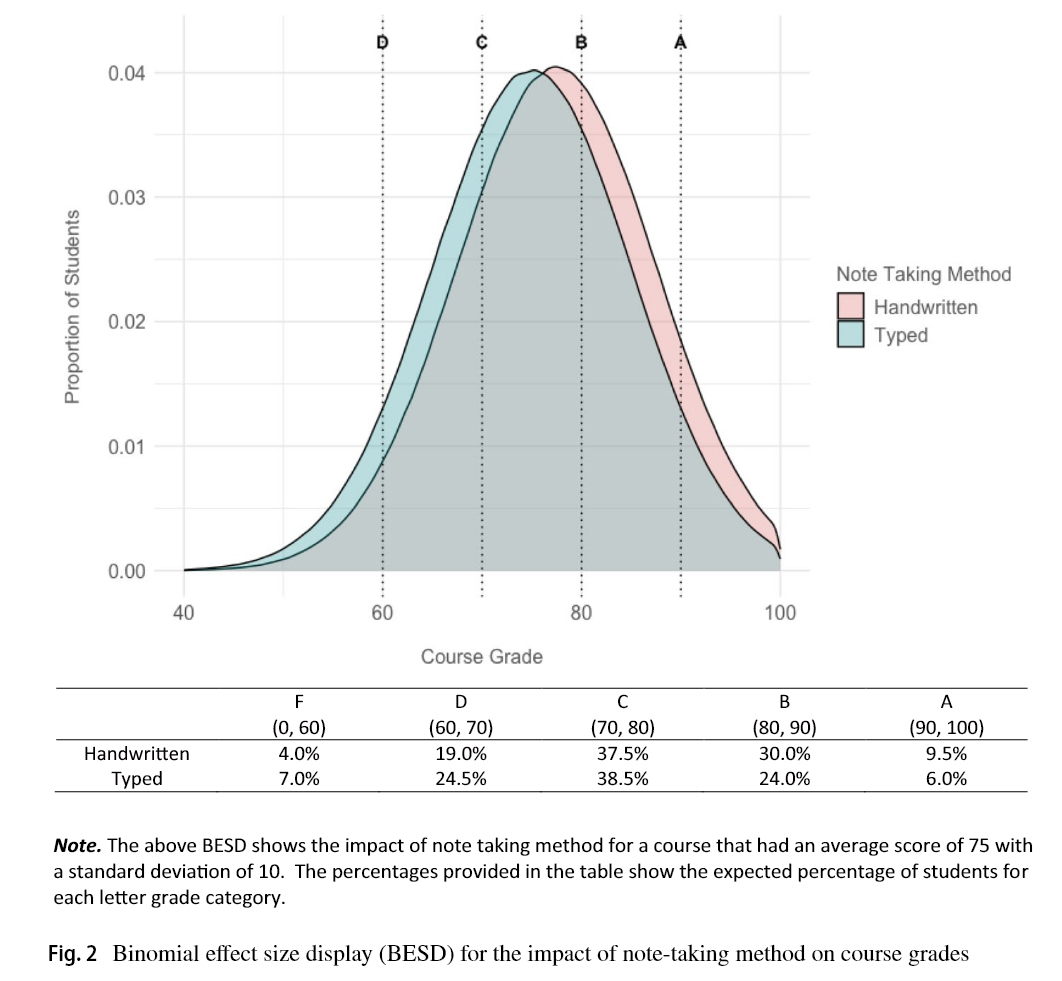
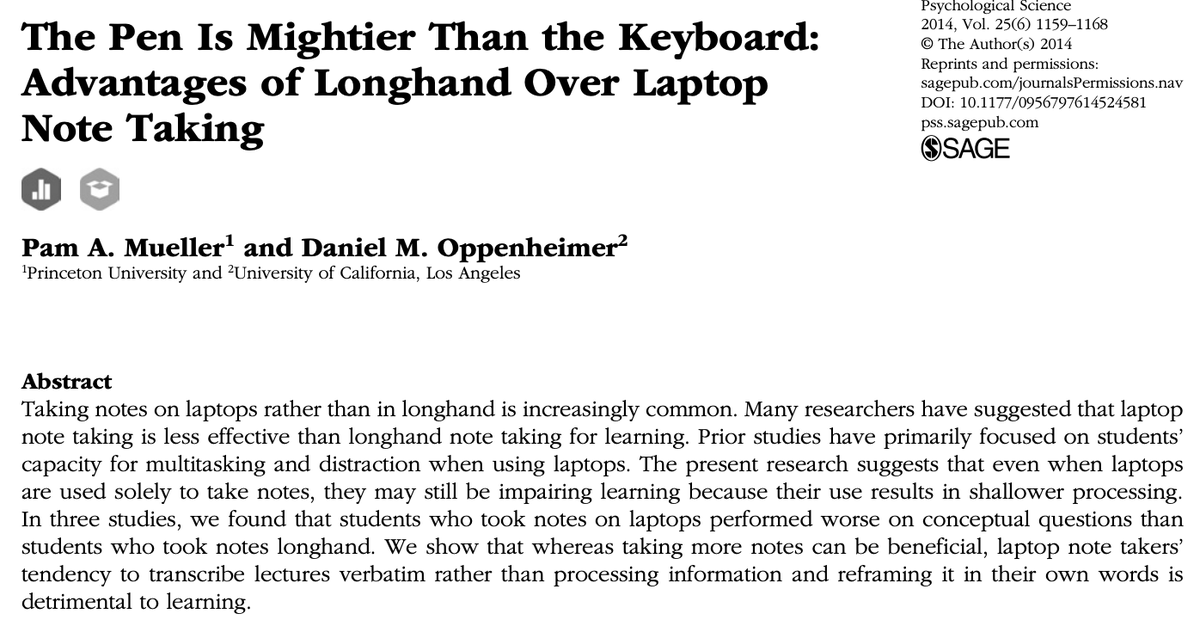
Handwritten notes are more useful for studying and committing to memory than typed notes, ultimately contributing to higher achievement for college students.
https://t.co/pYuE7QpTzm
It's time to remove laptops from classrooms.
24 experiments: Students learn more and get better grades after taking notes by hand than typing. It's not just because they're less distracted—writing enables deeper processing and more images.
The pen is mightier than the keyboard.
10 years separate the classic "Pen Is Mightier" paper (2014) and the latest meta-analysis (2024).
A decade later, the conclusion hasn't changed:
Handwriting remains superior.
In this episode of the Where Parents Talk podcast, host Lianne Castelino speaks to child and adolescent psychiatrist Dr. Sami Timimi about the rising trend of mental health diagnoses among children and teens @Parents_Talk https://t.co/7lGu9ABrXR
🚨 NEW POST 🚨
‘Dyslexia: Issues with definitions & diagnoses’
“The nature of a definition can fundamentally change how we respond to a special educational need. Dyslexia has been prone to changing definitions, shifting symptoms & different diagnoses.”
https://t.co/lFSnXWBe8S
🎉🎉Competition Time🎉🎉
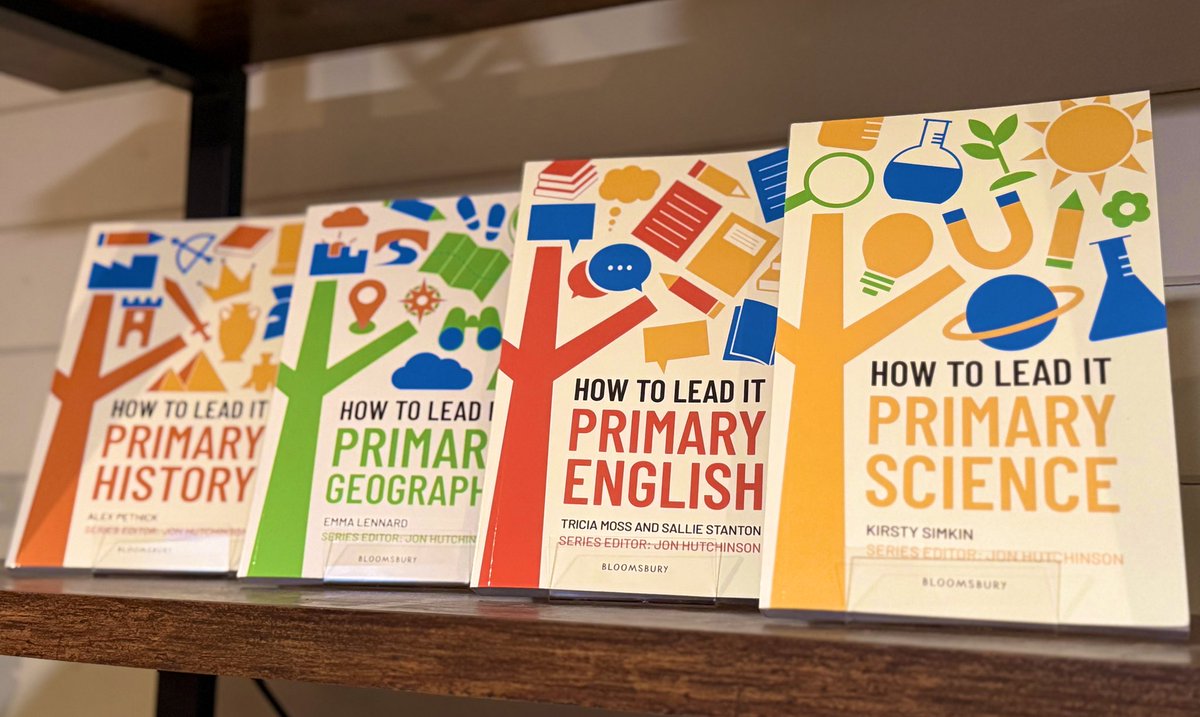
To celebrate the publication of the first books in the fantastic “How to lead it” primary subject series, I’m giving away a copy of ALL FOUR to lucky one winner.
Just repost and like this tweet to enter.
I’ll draw a random winner on Friday 7th Nov.
'Overprotective Childhood Experiences' (OCEs) are a real issue in how we sometimes approach supporting children with SEND, if it leads to too-low expectations of conduct or output. Ironically, this can lead to a genuinely adverse environment for them *and* their peers.