Saying bye bye to this site by sharing my last @ASR_Journal pub, w amazing colab @mioana! We show that privatized childcare services play a direct role creating family income inequality in the US, bc unaffordable childcare hurts lower income families most https://t.co/LdIdBjTbeE
The child care affordability crisis is an equity issue!
New research: Market-priced childcare makes income gaps worse by 34% - study finds costs increase post-birth earnings losses for non-college educated moms, not college grads.
https://t.co/j6F9dnVoHe
I HAVE EXCITING NEWS!!! My first solo pub is out in @ERSjournal! In it, I examine how East Asian women in relationships w White, Black, and South or Southeast Asian men understand the role of their unions in shaping their racial ideologies #soctwitter https://t.co/wE0Vn3dwA3
My hope is for this research to help inform the movement to push for the high-quality, publicly funded, and well-paid #universalchildcare that children, childcare teachers, and parents deserve.
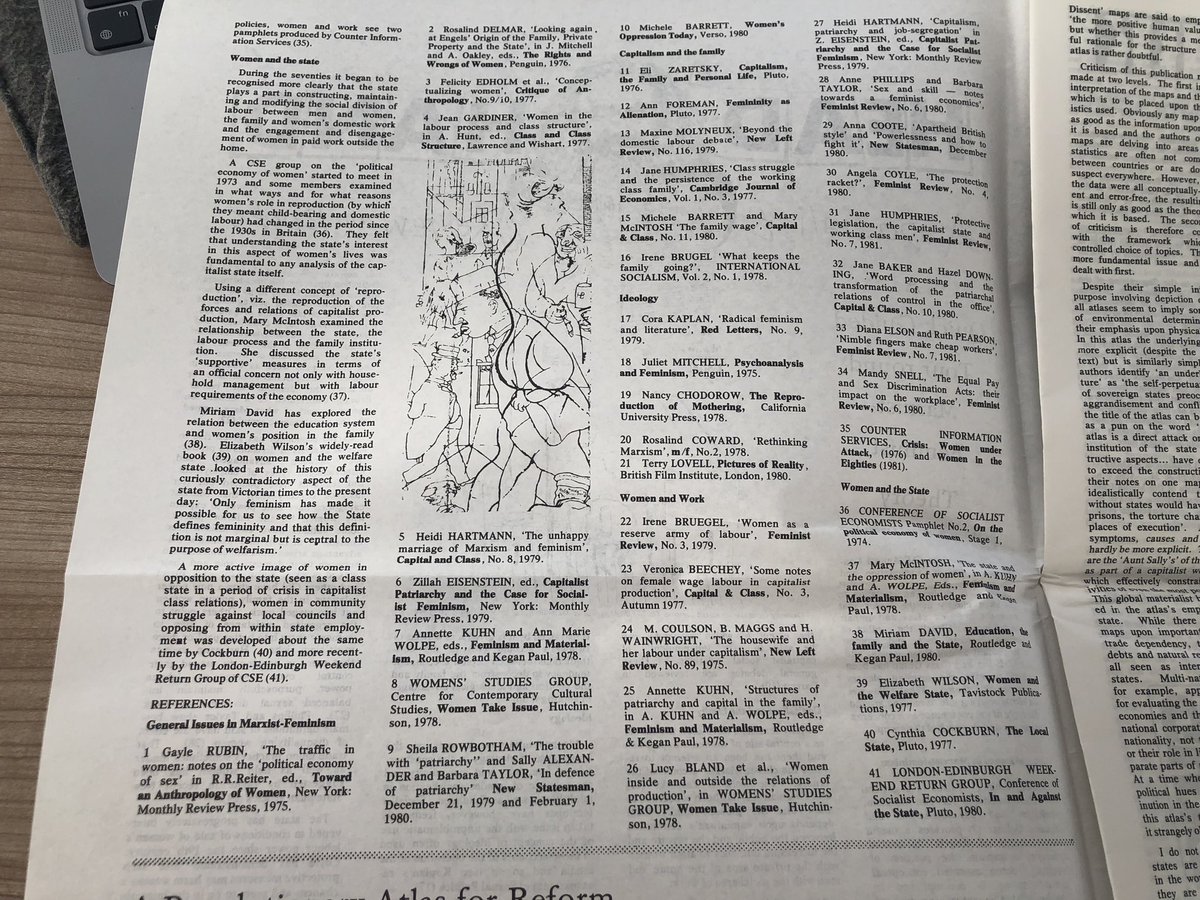
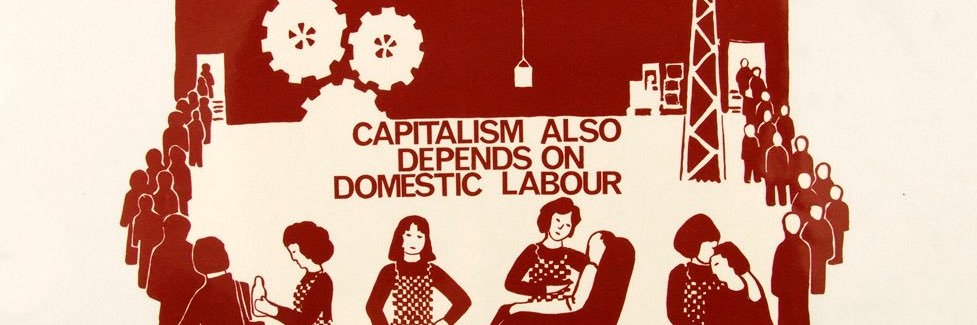
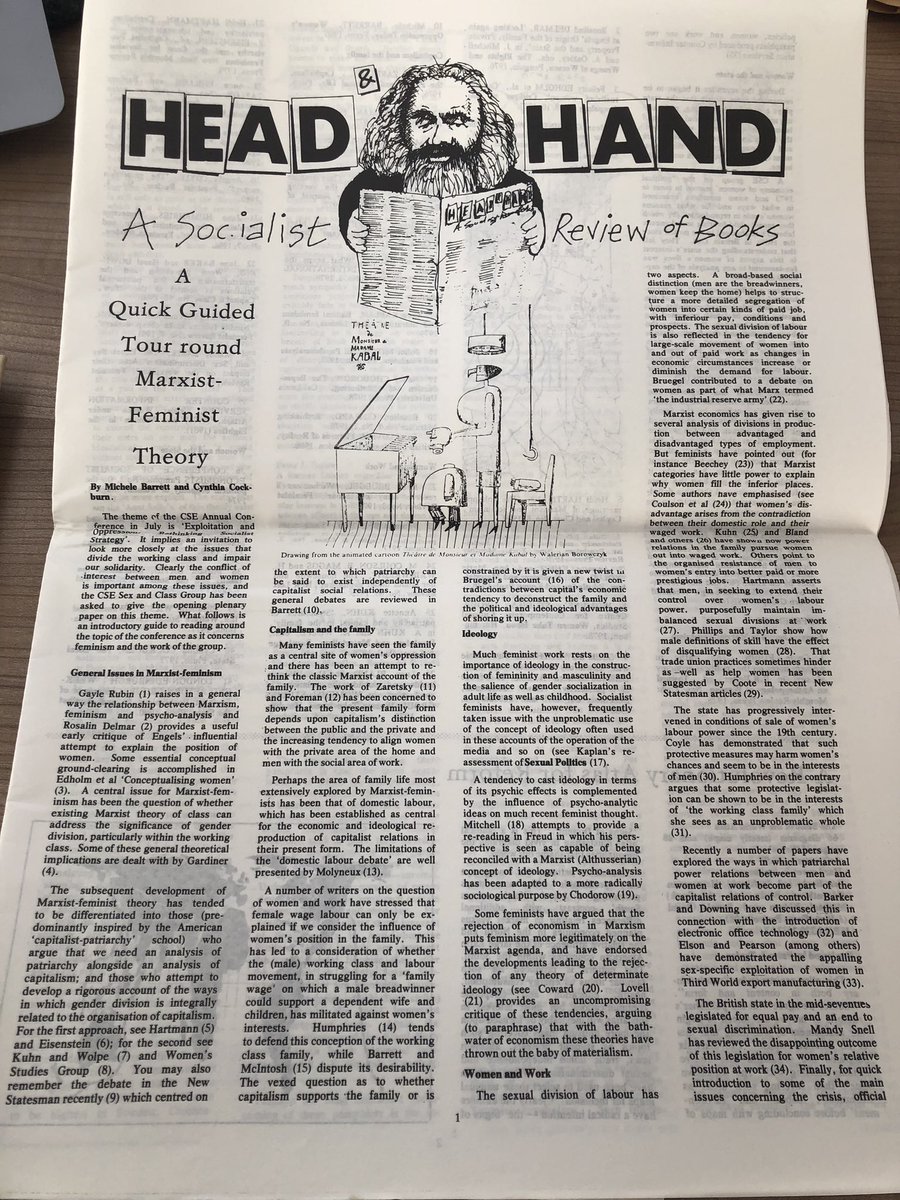
This hypothesis is inspired by the socialist feminist tradition of social reproduction theory, which highlights the centrality of the social organization of care and reproductive work for structuring social inequality.
This paper has been in my mind for many years, it is emotional to see it in print. My core motivation has been to test the hypothesis that privatized care services generate class inequalities, in addition to generating gender inequalities as we already know.
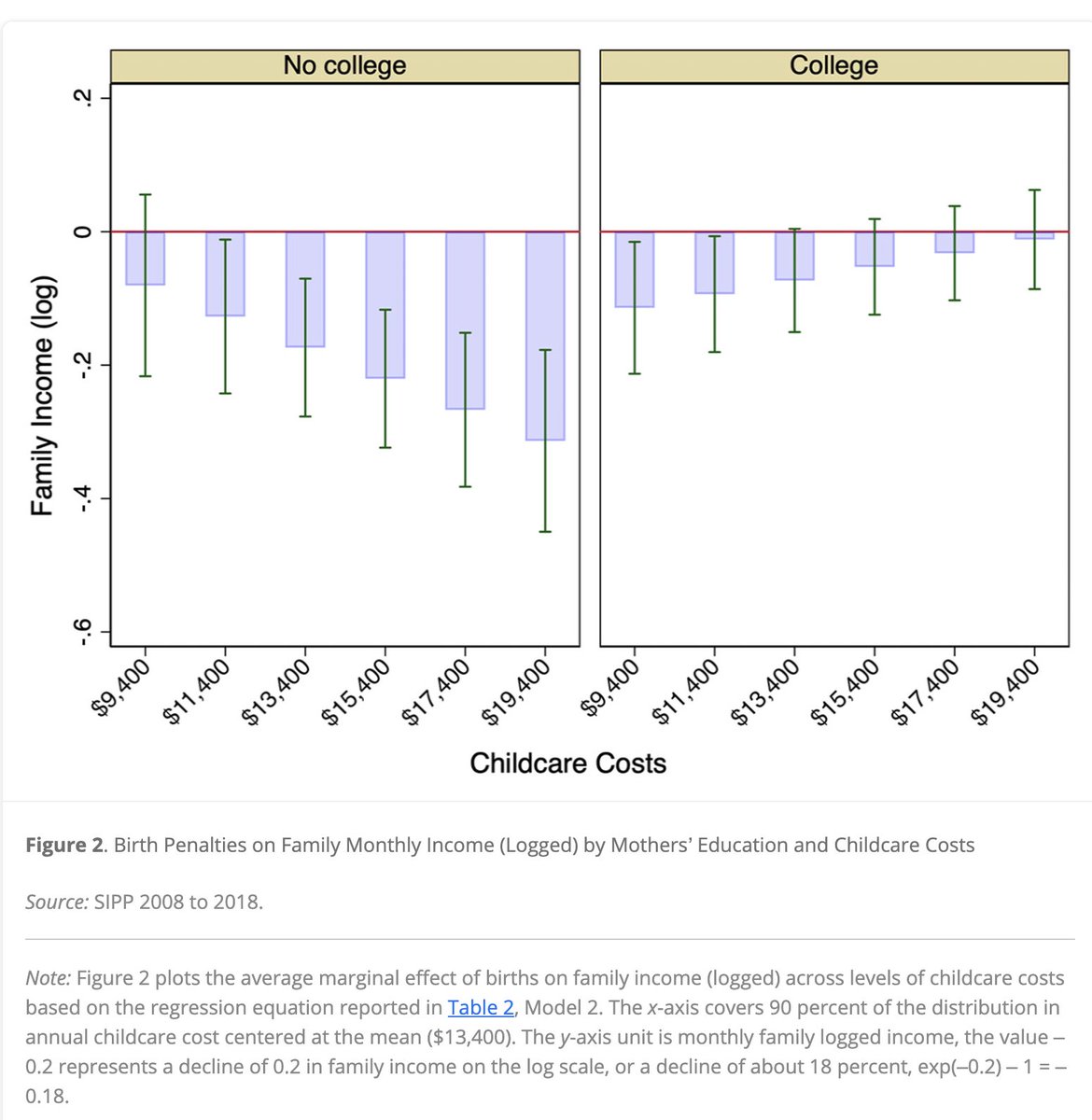
We estimate that childcare costs exacerbate family income inequality between the two groups by 34 percentage points. We show that most of this inequality is largely driven by childcare costs hurting lower-income women's employment.
Here's one key finding. It shows that having children has a negative impact on family income and that childcare costs exacerbate this "birth penalty" for women wo college but not for women w college. As childcare prices go up, inequality between the two groups increases ⬆️
Saying bye bye to this site by sharing my last @ASR_Journal pub, w amazing colab @mioana! We show that privatized childcare services play a direct role creating family income inequality in the US, bc unaffordable childcare hurts lower income families most https://t.co/LdIdBjTbeE
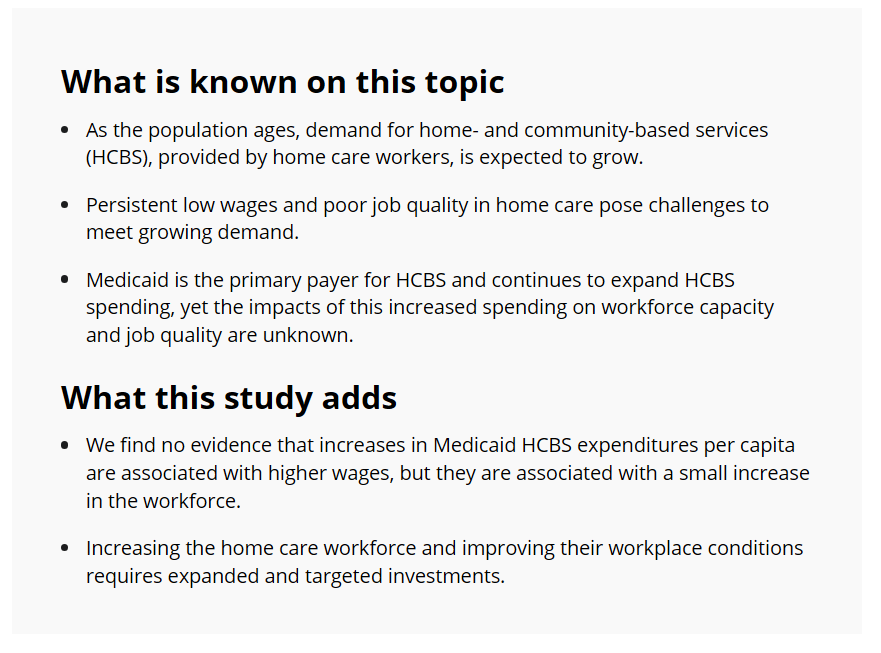
New pub w a dream team! Home-based long-term care (HCBS) is one of the fastest growing industries but it creates some of the lowest paying jobs. We analyzed whether increases in Medicaid spending in HCBS improved wages. Answer: no, it doesn't. These workers deserve higher pay!
New @HSR_HRET Article:
Increasing Expenditures on Home- and Community-Based Services: Do Home Care Workers Benefit?
Katherine E. M. Miller, Norma B. Coe (@nbcoe1), Amanda R. Kreider, @allisonkhoffman, Katherine Rhode, @pilargonalons
https://t.co/fgJgI0fHFy
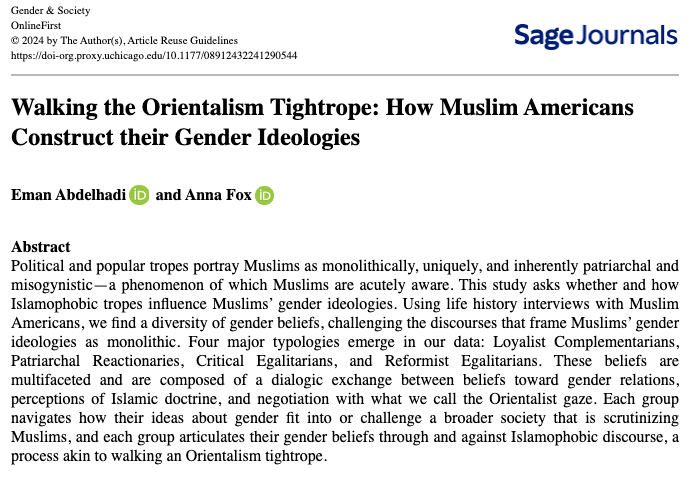
In non-election news, my co-author (@annadaniellefox) and I have a paper out in @Gend_Soc!
It's called "Walking the Orientalism Tightrope: How Muslim Americans Construct their Gender Ideologies"
https://t.co/I8uDMtJO44
In it we argue...🧵