Roman glass cups with colourful enamel decoration depicting animals from the Roman arena. AD 200s.
Found in richly-furnished graves in Denmark. National Museum of Denmark, Copenhagen. 📷 by me
#FindsFriday#Archaeology
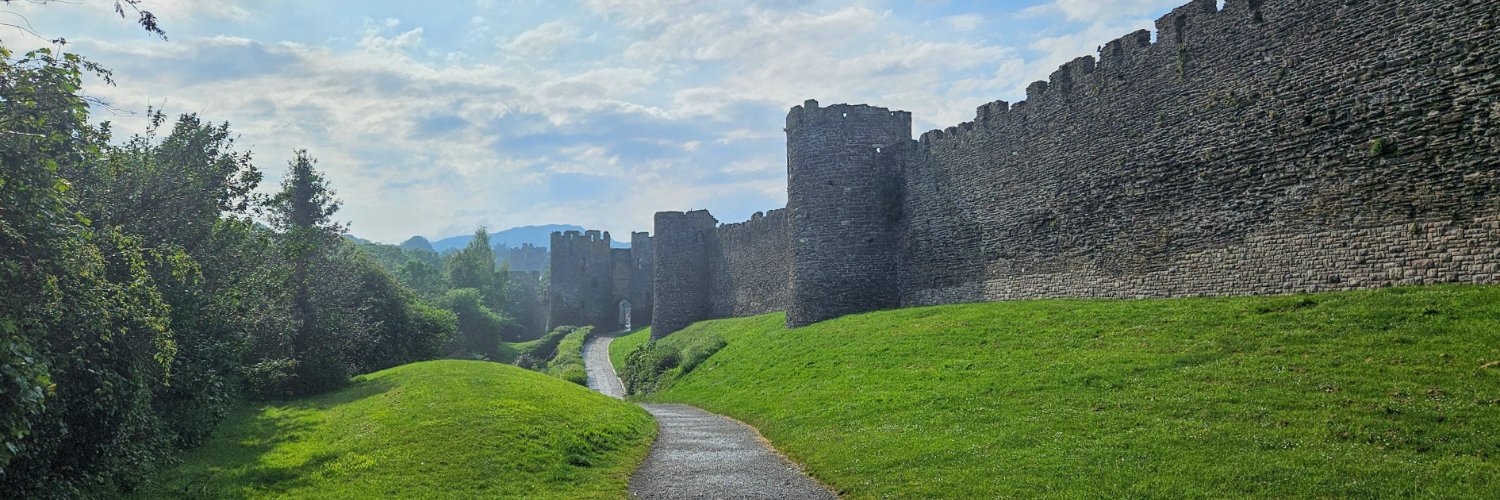
The trial of William de St Calais, bishop of Durham, began at Sarisberie (Old Sarum, Wiltshire) #OTD in 1088. He was implicated in that year’s plot to supplant William II ‘Rufus’, king of the English, with his brother Robert II, duke of Normandy. The bishop was ultimately exiled.
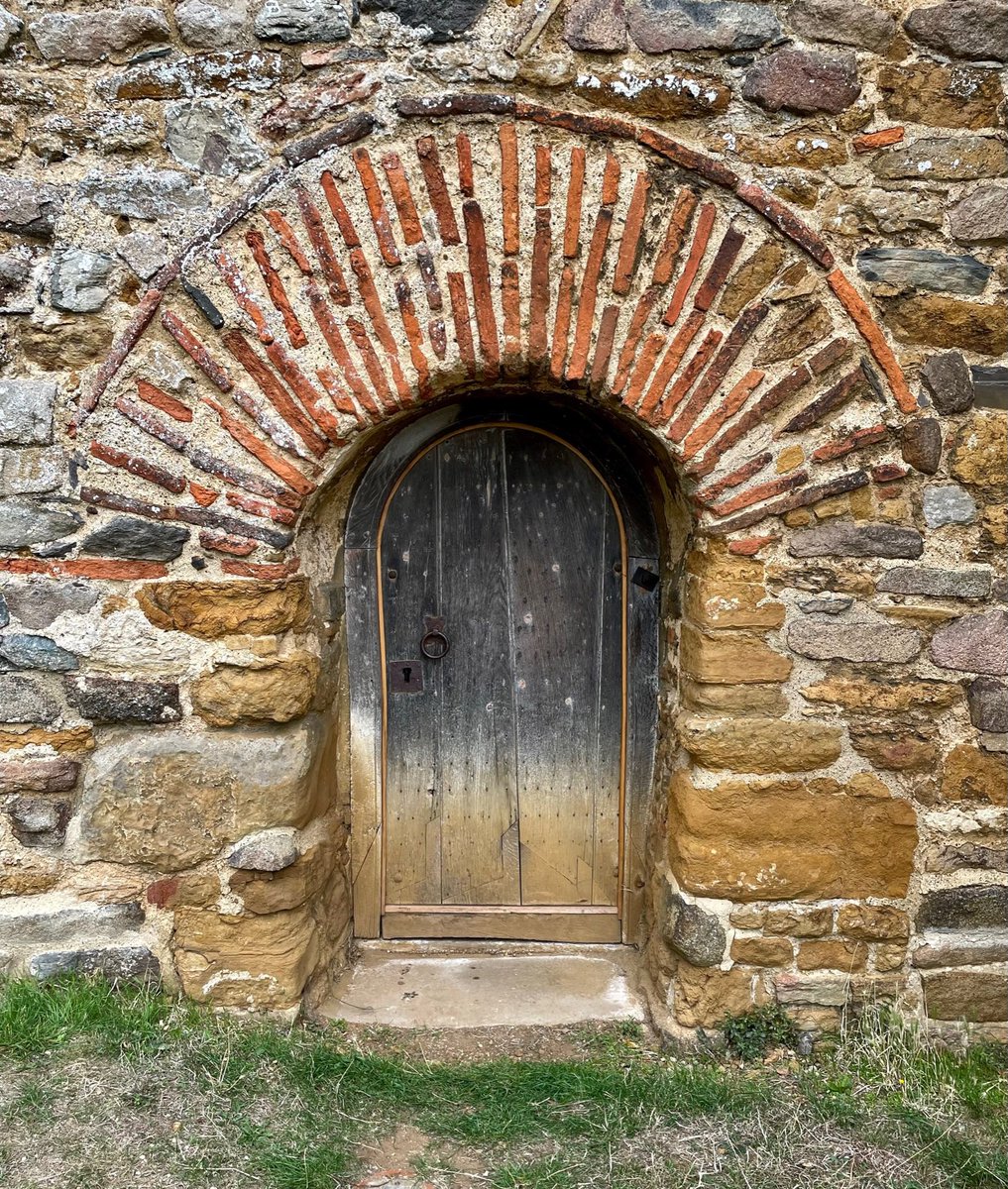
A Saxon doorway from the south side of the tower of All Saints’ Church at Brixworth in Northamptonshire. Using recycled Roman tiles, the doorway was originally internal and led to a now demolished cell. 📸 My own. #AdoorableThursday#Brixworth#Northamptonshire
The amazing Roman pharos (lighthouse) at Dover, still standing after almost 2,000 years! 🤩
The tallest surviving Roman structure in Britain, and one of only three surviving lighthouses from the former Roman Empire! Dated 1st-2nd century AD.
📷 by me
#RomanSiteSaturday
#Archaeology
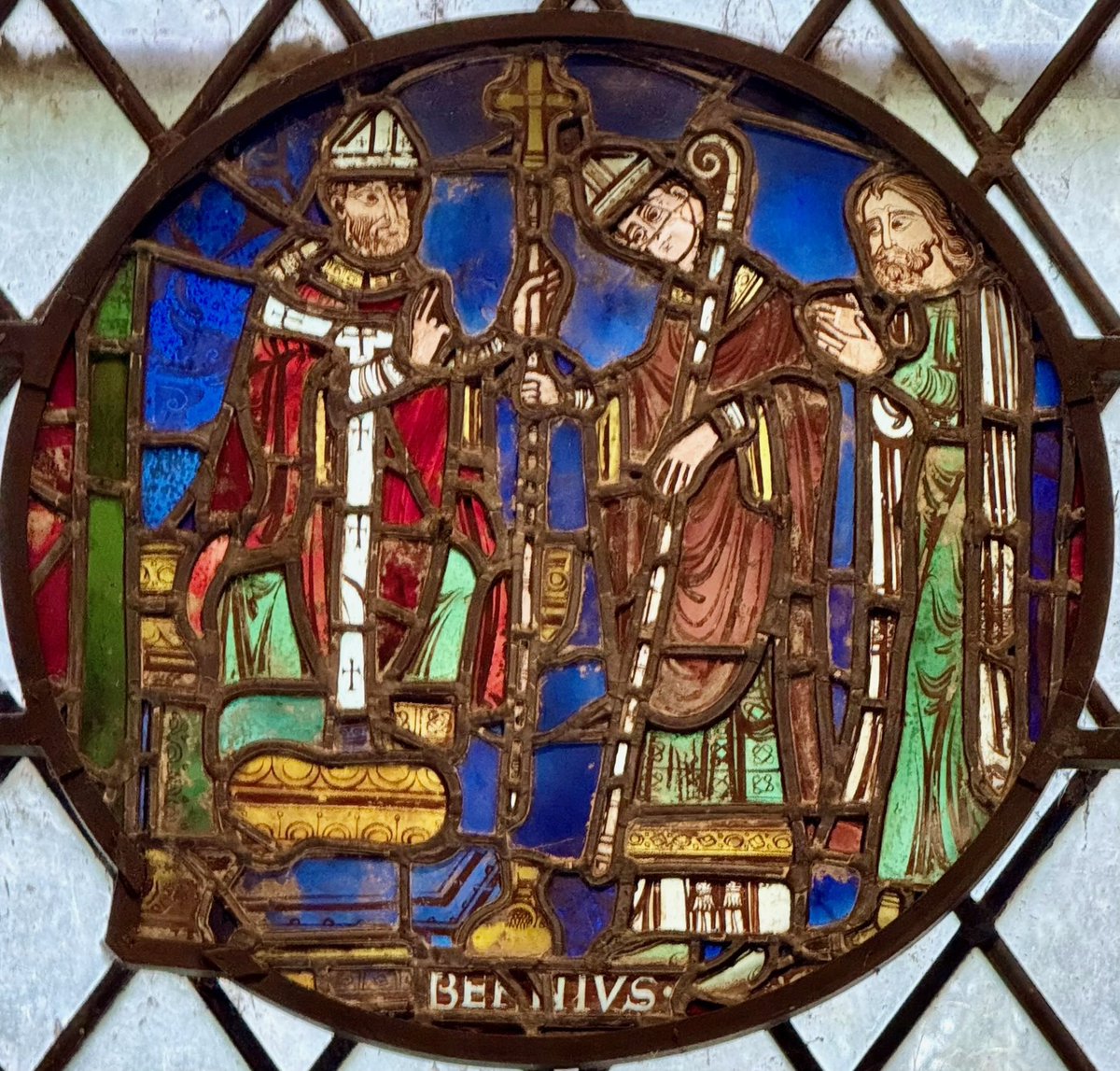
13th century roundel from Dorchester Abbey in Oxfordshire depicting the consecration of St. Birinus before his mission to convert the West Saxons to Christianity during the early 7th century. 📸 My own. #StainedGlassSunday#DorchesterAbbey#Birinus
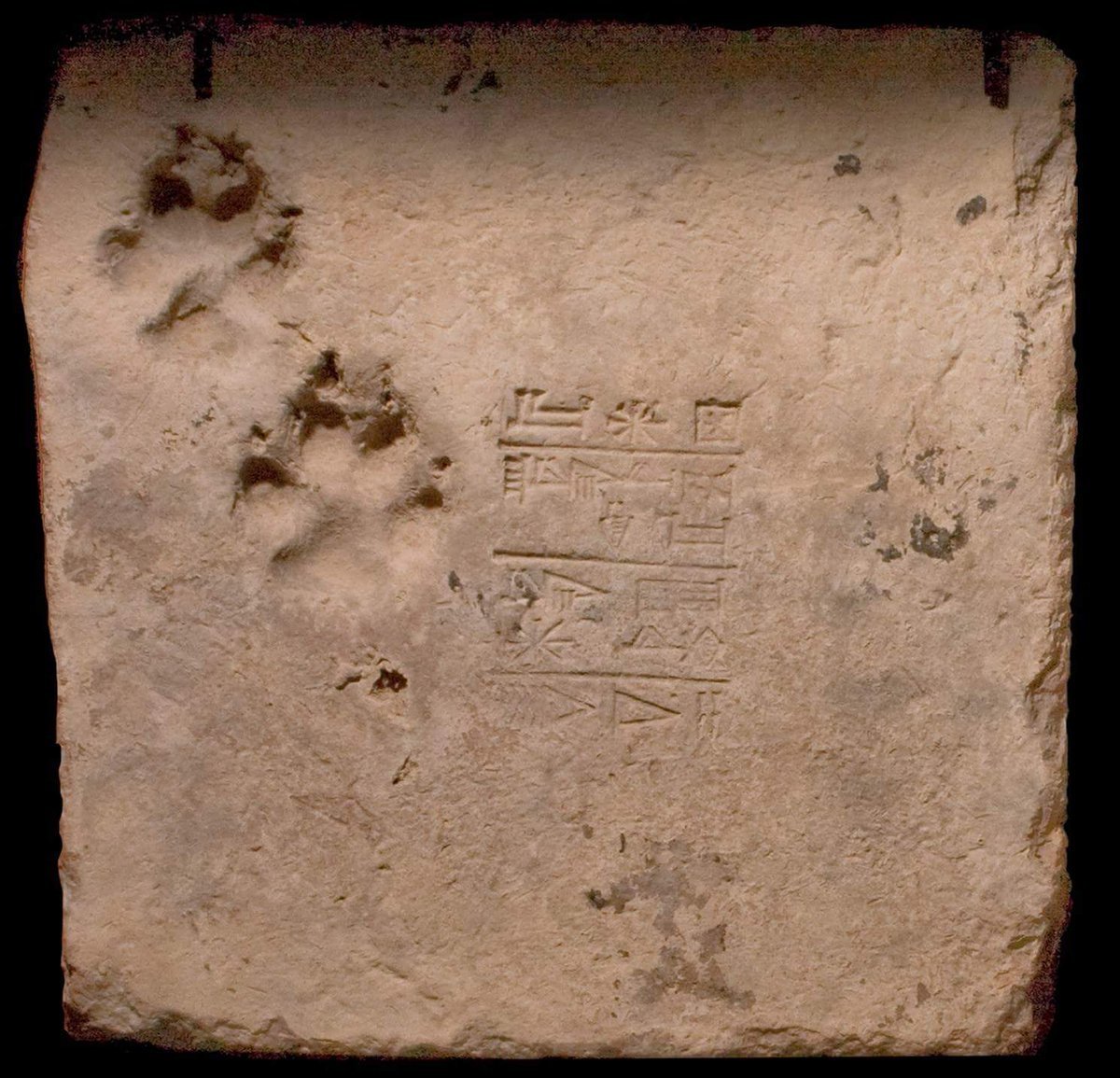
Fired clay brick stamped with a dedication naming King Ur‑Nammu and bearing accidental dog paw prints, from the Ziggurat of Ur (temple of the moon‑god Nanna), Third Dynasty of Ur, c. 2112–2004 BC; Collection: The British Museum, London..
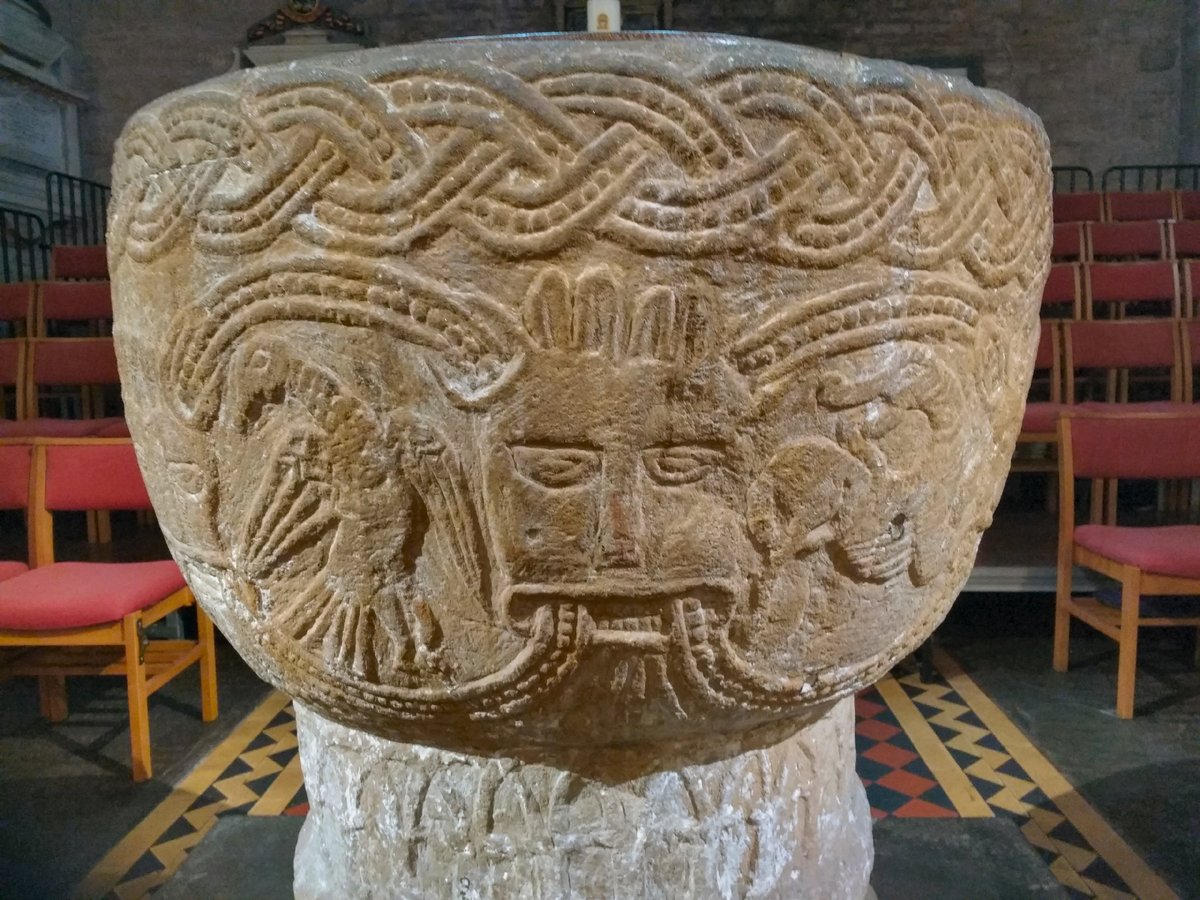
The ‘Wirksworth Stone’ - a sculptured stone-slab from St. Mary’s Church at Wirksworth in Derbyshire. Comprising of biblical scenes and figures, the stone dates from the C7th to C9th and may have originally been used as a coffin lid. 📸 My own. #SaxonSunday#SundayStonework
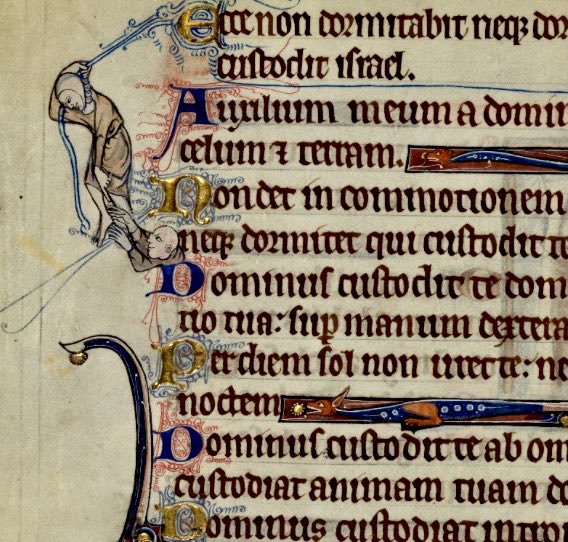
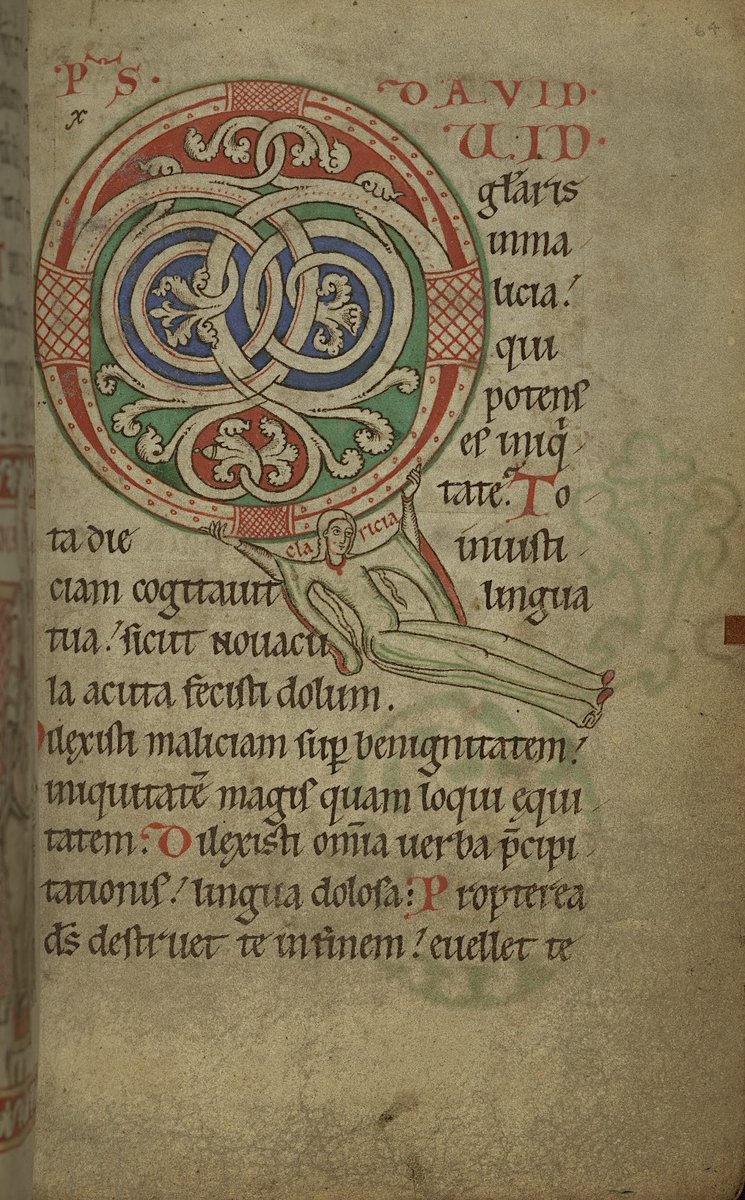
It is argued that 'claricia' who is depicted swinging from the initial 'Q'(uid) at the beginning of Psalm 51, is the illuminator.
Walters Ms. W.26, Claricia Psalter; late 12th - early 13th century; Germany (Augsburg); f.64r
The well worn ‘Sea of Steps’ at Wells Cathedral in Somerset. Dating from the late 13th century, the steps lead to the Cathedral’s Chapter House. 📸 My own. #StairwellSaturday#WellsCathedral
A scribe’s effort to correct an omission. The words that were accidentally left out are pulled along by one man who passes them to another who waits between the fourth and fifth lines to receive them - c. 1300, English Book of Hours, Walters Ms. W.102, f. 39v
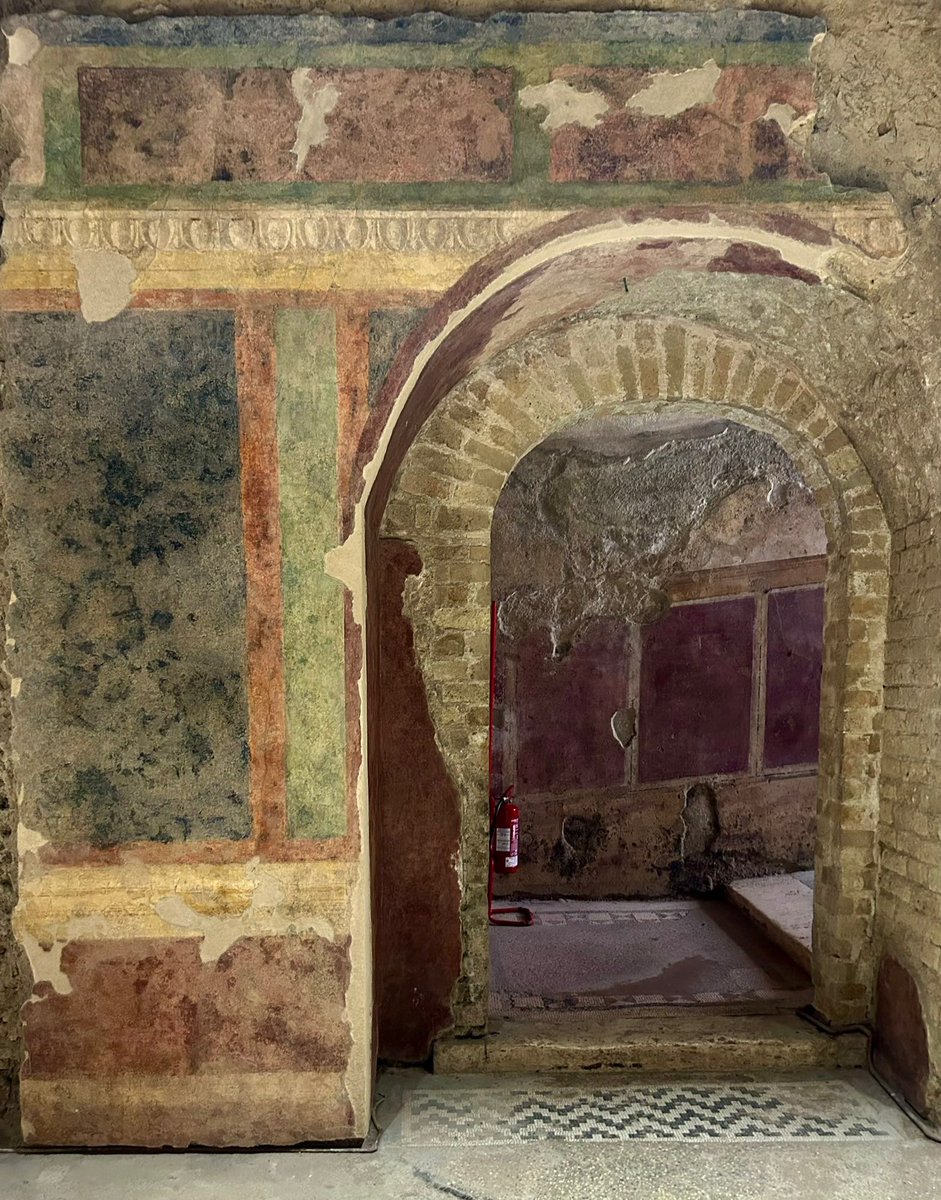
Some of the surviving fresco decoration from the House of Livia, the wife of Augustus, on the Palatine Hill in Rome. The frescoes date to around 30 BC. 📷 My own. #FrescoFriday#Rome
The Doom at St Thomas Salisbury has been posted recently. Round the corner in the former lady chapel we can find some lovely C15 paintings. Here we see the Lily in a vase for Mary, and the garter and cross possibly as a nod to the Guild of St George. #WallPaintingsWednesday
Part of a Coptic wall painting from the 6th or 7th centuries depicting St. Cosmas from the Monastery of Apa Thomas at Wadi Sarga in Egypt. Now part of the collections at the British Museum. 📸 My own. #FrescoFriday#Egypt
A 1500-1800 year old #Roman red woolly sock, found in #Egypt - it has a split toe, one side for the big toe, the other side for the rest, so you could wear it with flip-flop type sandals (apparently socks with sandals was a thing in the ancient world...) #Archaeology
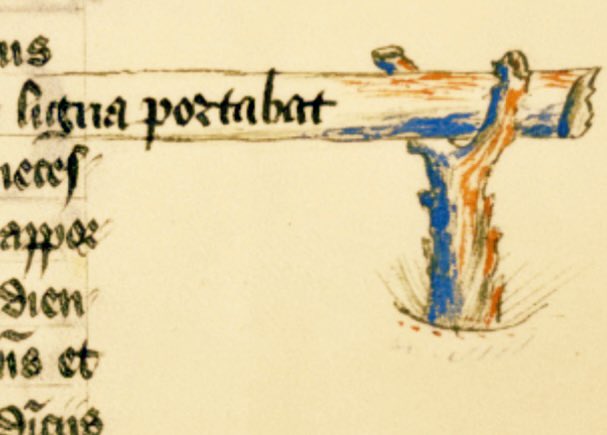
A wooden prop in the margins, beautifully employed to support a bit of text that has overrun the end of the line - 15th century, Birgitta of Sweden, British Library, Harley MS 612, f. 50r