Agents can already pay. Getting them to do business - agree on terms, coordinate across companies, and deliver on commitments…is much harder part.
That's what I dug into with The Payments Shed podcast. Take a listen: https://t.co/VrN41K1KzM
@merettm We’ve been hiring minds we can’t read for centuries.
You don’t need to know whether your accountant dreams of stealing. You need to stop them approving their own payments.
We’re building that for AI at Blue. Being useful shouldn’t require being a saint.
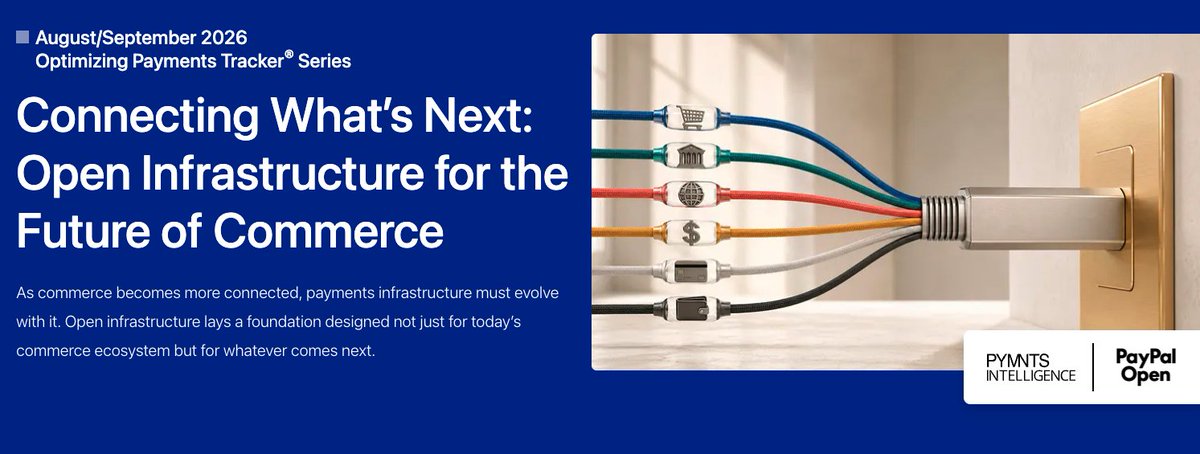
PayPal calls agentic commerce the next demand on payment infrastructure. True, with one caveat. Orchestrating providers' routes is a decision a human has already made. Agent commerce has to orchestrate the decision itself and the authority behind it.
https://t.co/hxN0CvHg2M @pymnts
@merettm Reading a model’s thoughts is a lab instrument, not a control. We never had it for human agents either — we had explicit authority, separation of duties, and evidence before money moved. Build that for AI agents and monitorability becomes a bonus.
Prompt injection isn't a bug. It's how transformers work. Hidden text can tell an agent to buy the wrong thing, and it will.
Some say that proves agentic commerce doesn't add up. I say it proves that the money decision can't fit within the model. https://t.co/kFQdzOIZNN
You can't patch that in after the fact. Authority, conditions, and what each party confirmed have to live in the transaction from step one. Then any step is traceable and reversible by design.
Visa just admitted the hard part of agentic payments. Once agents transact thousands of times an hour, with agents paying other agents down a long chain, there's no clean way to reverse one that shouldn't have gone through. https://t.co/u6qI3T196E
Their own point: chargeback and evidence rules were built for human-speed commerce, where there's one clear order to dispute. That breaks the moment software is buying from software thousands of times an hour. And it's not obvious who's accountable when it goes wrong.