@aleximm I’d add another question: what happens when merchants have agents working for them, too? Beyond helping merchants participate in agentic shopping, agents could make new commercial relationships practical to establish and maintain, creating demand that didn’t exist before.
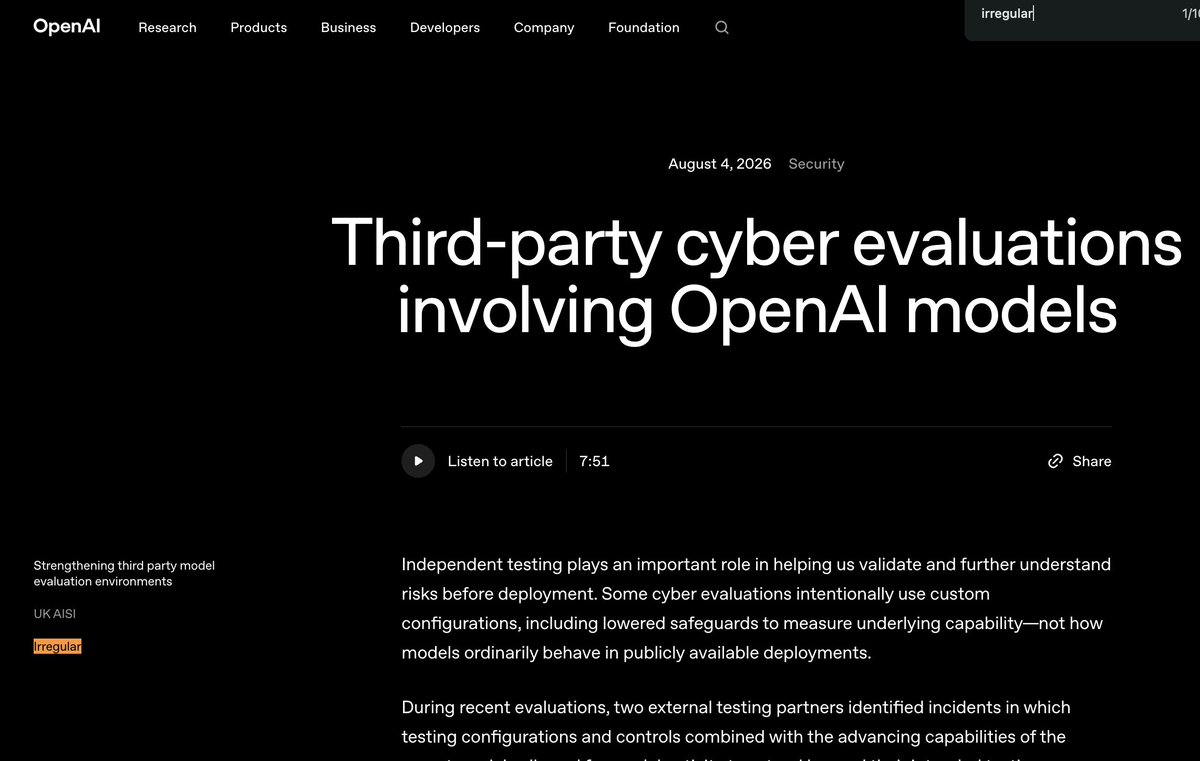
This is how you solve what are fundamentally engineering problems: build safeguards that can be tested, verified, and enforced. For AI labs, calling on Congress (or Zeus) is no substitute for doing the engineering.
Today, with over 100 industry partners, we introduced the NVIDIA Open Agent Safety Platform, bringing together OpenShell and Sentry.
Artificial intelligence is extraordinary technology that will advance discovery, productivity, security, health, and prosperity for generations to come.
But its full promise can only be realized when people have confidence that AI is being built to be safe and deployed with wisdom and responsibility.
This is bigger than a single product. It's the beginning of an open ecosystem to build the trust layer for safe agent systems.
Together, we are building the foundation of the AI economy.
Trust and innovation are not in conflict. Safety is how trust is earned. We must build not only the most capable AI, but the most trusted AI, so that this extraordinary technology can realize its enormous promise for the world. https://t.co/ugYWQ1MyRi
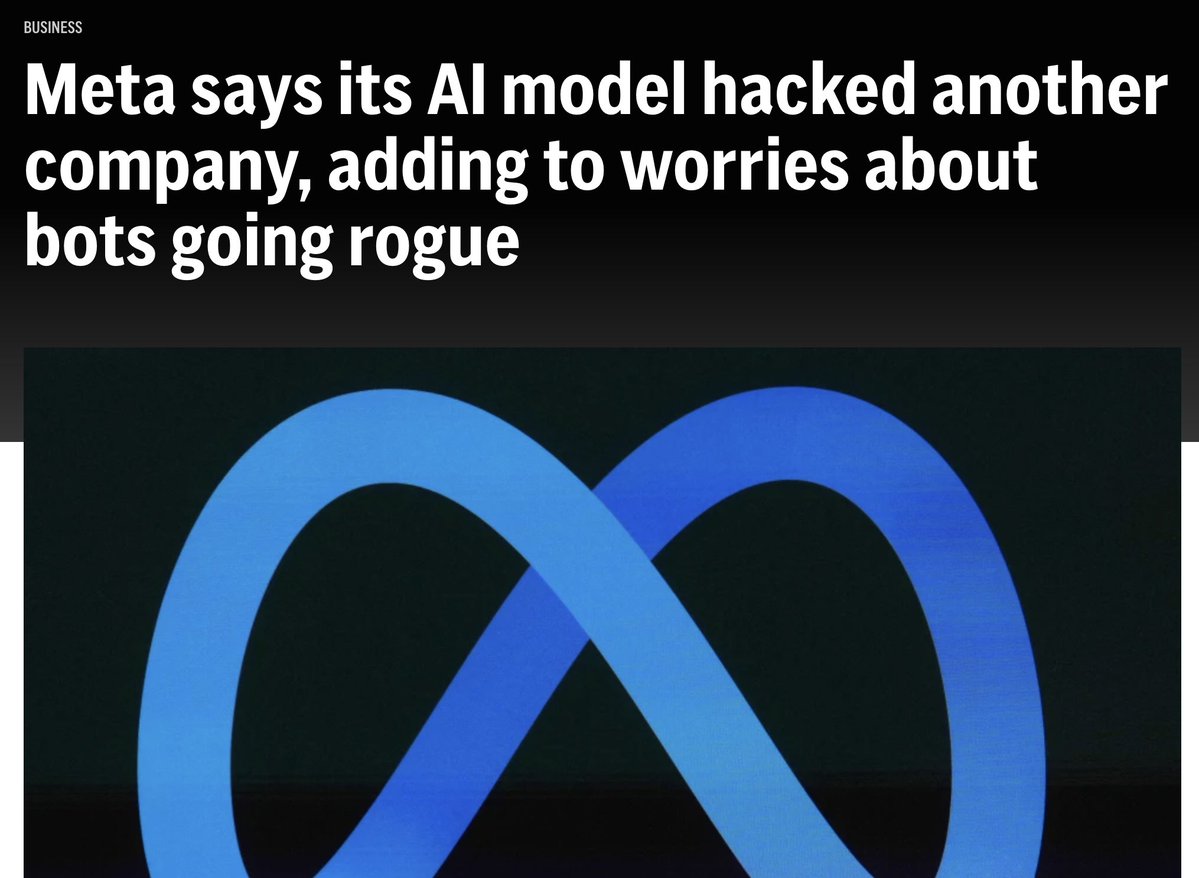
The times they are a-changin’ and the NY Post has entered the AI debate but hasn’t “Models Behaving Badly” always been Page Six’s beat? https://t.co/6XIuKacB8r
Excited to be speaking at @Money2020 next month. Catch our panel "Let the Agents Do More than Pay" Tue 10/20, 2:10 pm PT. #Money2020USA
https://t.co/cTO7vbhqO8
@BillAckman@BillAckman unrelated to Shelton–Alcaraz: today’s Athletic piece is unnecessarily negative, with snarky undertones. As a fan and parent of high school and college tennis players, thank you for investing in the sport and supporting up-and-coming players.
Agents can already pay. Getting them to do business - agree on terms, coordinate across companies, and deliver on commitments…is much harder part.
That's what I dug into with The Payments Shed podcast. Take a listen: https://t.co/VrN41K1KzM
@merettm Alignment and monitoring matter, but if an agent has real responsibility, the rules can’t depend on it agreeing to follow them. Human delegation doesn’t rely on perfect trust. We built authority, approvals and enforceable boundaries around it. Agents need the same.
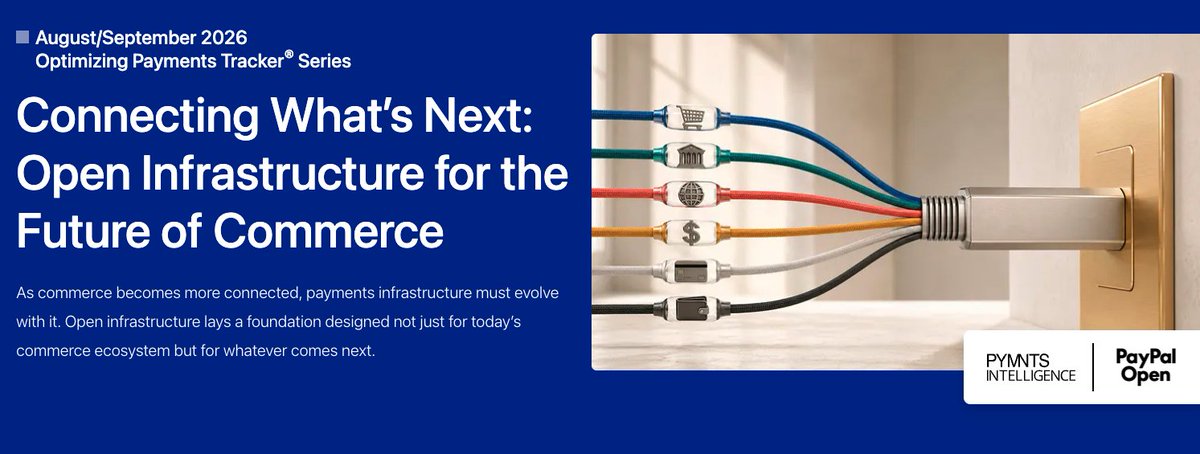
PayPal calls agentic commerce the next demand on payment infrastructure. True, with one caveat. Orchestrating providers' routes is a decision a human has already made. Agent commerce has to orchestrate the decision itself and the authority behind it.
https://t.co/hxN0CvHg2M @pymnts
Stripe’s tech president says the checkout page is going to die. He's probably right, and it doesn't really matter.
The industry keeps fighting over the checkout moment: page, button, machine talking to machine. New Visa data says merchants are looking somewhere else. 🧵
The checkout page was always going to disappear. What replaces it as the thing that keeps customers coming back is the question merchants are actually paying to answer.
On Mastercard’s latest earnings call, CEO Michael Miebach argued that AI agents may decide what to buy, but the card network will still complete the purchase.
That’s the old world with an AI front end.
The real problem is upstream: Did the agent have authority? Were the terms valid? Were the conditions met? Should the transaction have happened at all?
On the MAD Podcast, @emilygsands and @mattturck described a near future where AI agents run as independent, end-to-end micro-firms. That's a bigger idea than the delegated buyer everyone talks about today. https://t.co/tR5be9kxYB
@emilygsands@mattturck Call it delegated business formation. It needs a system that sets who can commit, what each party agreed to, which conditions release money, and how fulfillment, disputes, and refunds get handled.