We have some news: We’re moving.
We won't be far. We're now at ➡️@NASAExoplanets⬅️ Please join us there for all the latest on NASA’s work studying the worlds beyond our solar system✨
And, thank you🖤
The Outer Worlds is trending?
*cracks knuckles*
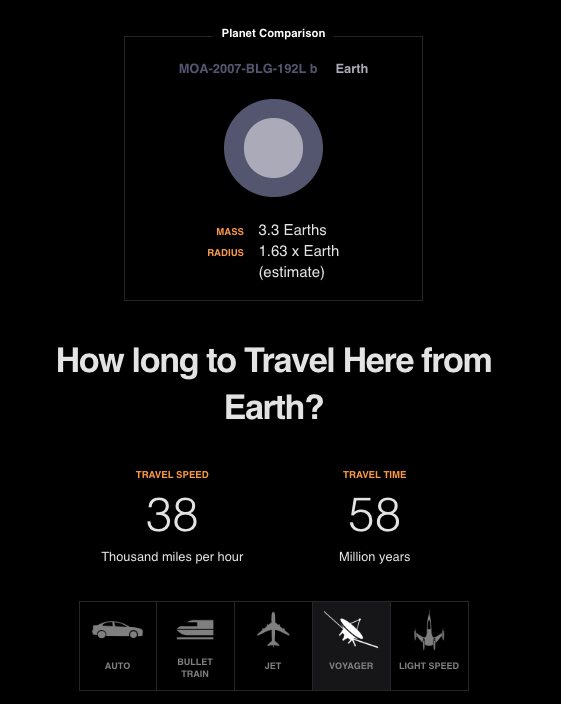
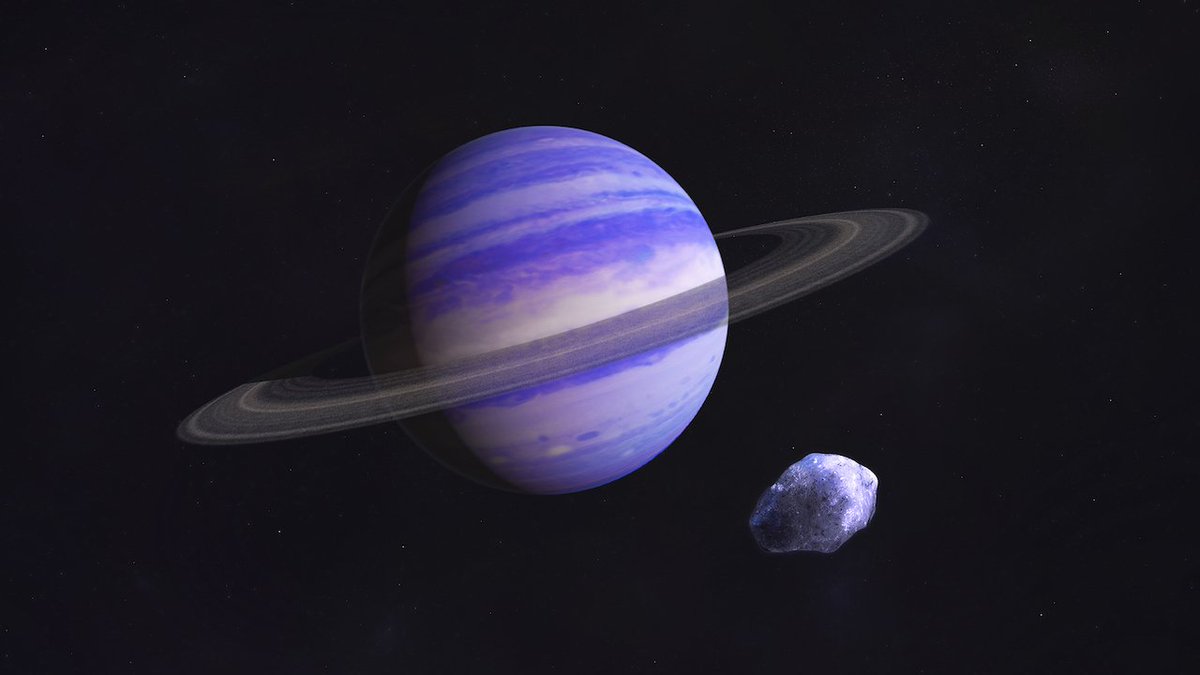
All of our worlds are "outer." Exoplanets are found outside our solar system. Like MOA-2007-BLG-192L b. It's a super Earth, 3,000 light-years 💡↝ away.
Traveling at @NASAVoyager's speed, it would take 58 MILLION YEARS to reach.
@CassidyRKendall The closest known exoplanet is Proxima Centauri b, only 4 light-years away.
It would still take 75,000 years to get there, traveling at Voyager's speed. But, we're looking all the time.
@CassidyRKendall Well, traveling at the speed of light, it would still take 3,000 years to get there from Earth, so
Check more out here: https://t.co/OsqVBw4lvH
@NASAVoyager You can check out more on MOA-2007-BLG-192L b here: https://t.co/Q5o8rtxx6R
Explore each of the 4,073 exoplanets discovered so far here: https://t.co/6cqlFR3mo1
Outer Worlds, indeed.
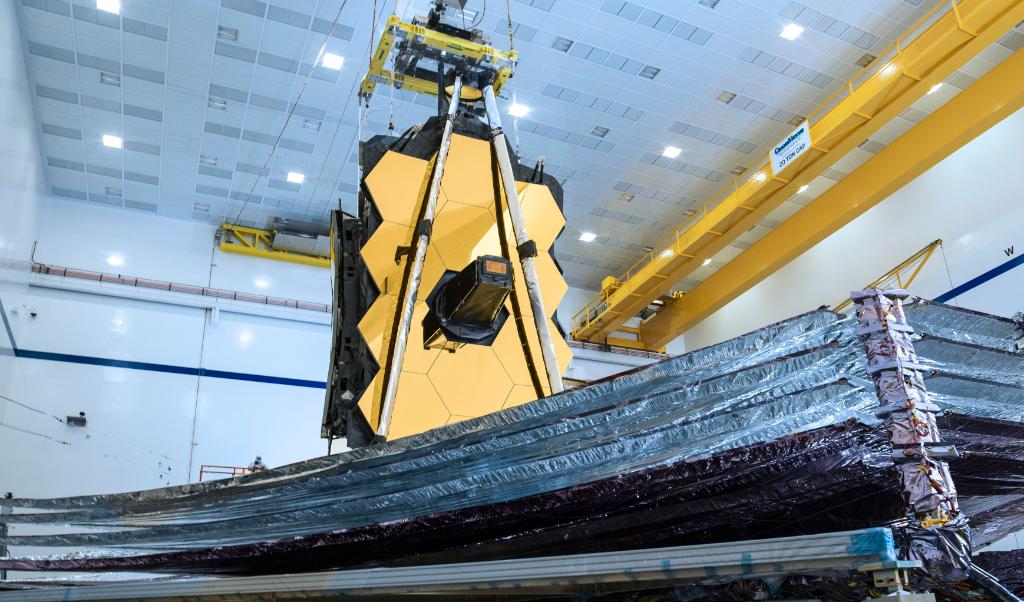
Our assembled @NASAWebb telescope passed a critical test: full sunshield deployment! ☀️🛡️🔭
The reflective, 5-layer sunshield is the size of a tennis court and will protect the telescope's mirrors and scientific instruments from light and heat. Details: https://t.co/PGxlBIFjeP
Want to know more about WASP-178 b? We have entries for each of the worlds discovered so far in our Exoplanet Catalog: https://t.co/6cqlFR3mo1
Happy Exploring!
Meet an exoplanet discovered this year.
WASP-178 b, shown here compared with Jupiter, is nearly double the size of the biggest planet in our solar system. Its year, the time it takes to orbit its star, is about 3.3 Earth days.
#MondayMotivation: Be like WASP-178 b. Why wait?
📣Discovery Alert!📣
Astronomers have found the closest multi-planet system to Earth🌏
GJ 15 A b and c orbit a red-dwarf star, just 11 light-years💡↝ away.
One planet is a super-heated super Earth, the other could be an icy gas giant.
https://t.co/T1VMBAO3Dv
🚨Final call! 🚨It’s the last day to sign up for the universe’s largest, international, #hackathon. Register to be part of @SpaceApps and help build innovative solutions to real-world challenges we face on Earth, using @NASA open data: https://t.co/JVkCbxkwue
#NASAWebb is part of the #SpaceApps challenge this year! Check out our challenge, “Up, Out, and Away!” - https://t.co/1EMBeZOI7t (Teams need to submit their product between Oct. 18-20.)
Dark matter: it’s invisible, mysterious and surrounds us all
Watch and chat with with leading astrophysicists tomorrow, Oct 17 at 7 pm PT (10 pm ET, 0200 UTC) to hear more about this material that makes up 95% of the universe: https://t.co/7KbvlXYUjh
LIVE NOW: Tune in for a new episode of #NASAScience Live to learn more about @NASAWebb, the next great observatory and our quest to understand the solar system and beyond. Watch and submit questions using #AskNASA: https://t.co/HOs0u8KITx
Join experts live TODAY as we discuss the most complex telescope ever created. @NASAWebb will be like a powerful time machine peering back over 13.5 billion years to see some of the first galaxies forming.
❓#AskNASA
⏰ 4:30-5pm ET / 1:30-2pm PT
📺 https://t.co/A0ZnCAciNf
📣Discovery Alert!📣
Astronomers have found the closest multi-planet system to Earth🌏
GJ 15 A b and c orbit a red-dwarf star, just 11 light-years💡↝ away.
One planet is a super-heated super Earth, the other could be an icy gas giant.
https://t.co/T1VMBAO3Dv
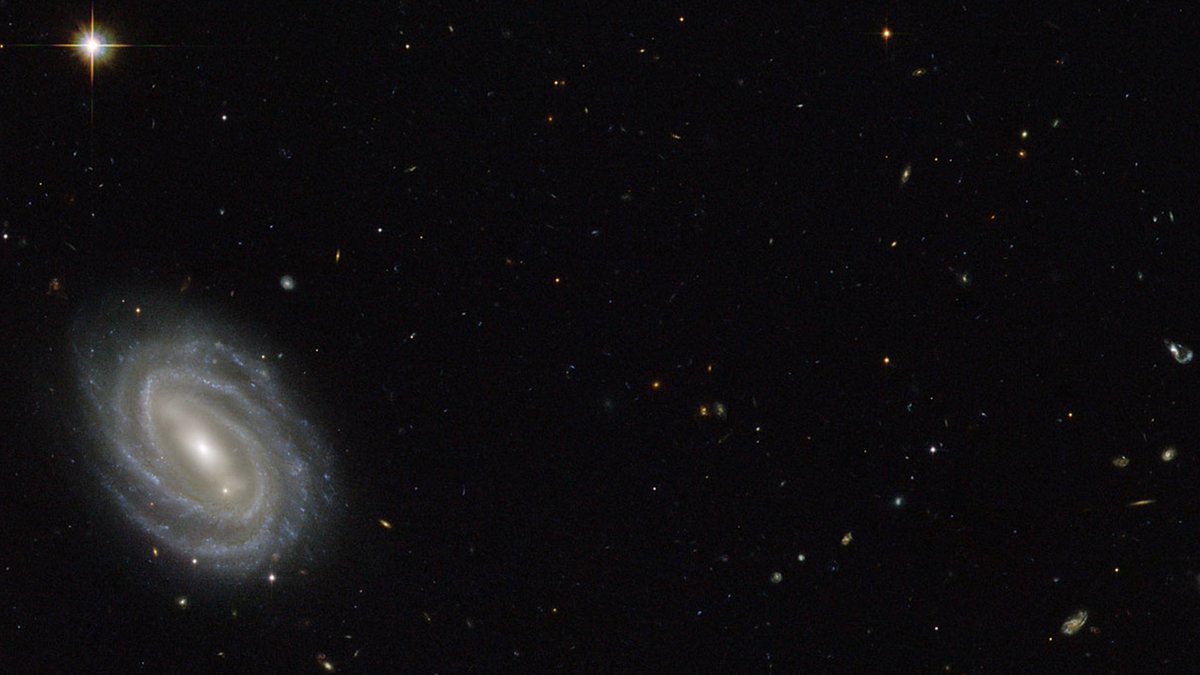
The exoplanets we've discovered so far are within the Milky Way galaxy, but beyond our own solar system.
Now, @NASAHubble has spotted an interstellar comet☄️ (its speed and trajectory indicate it also comes from beyond our solar system).
👋 friend!
https://t.co/trXOfHovPh
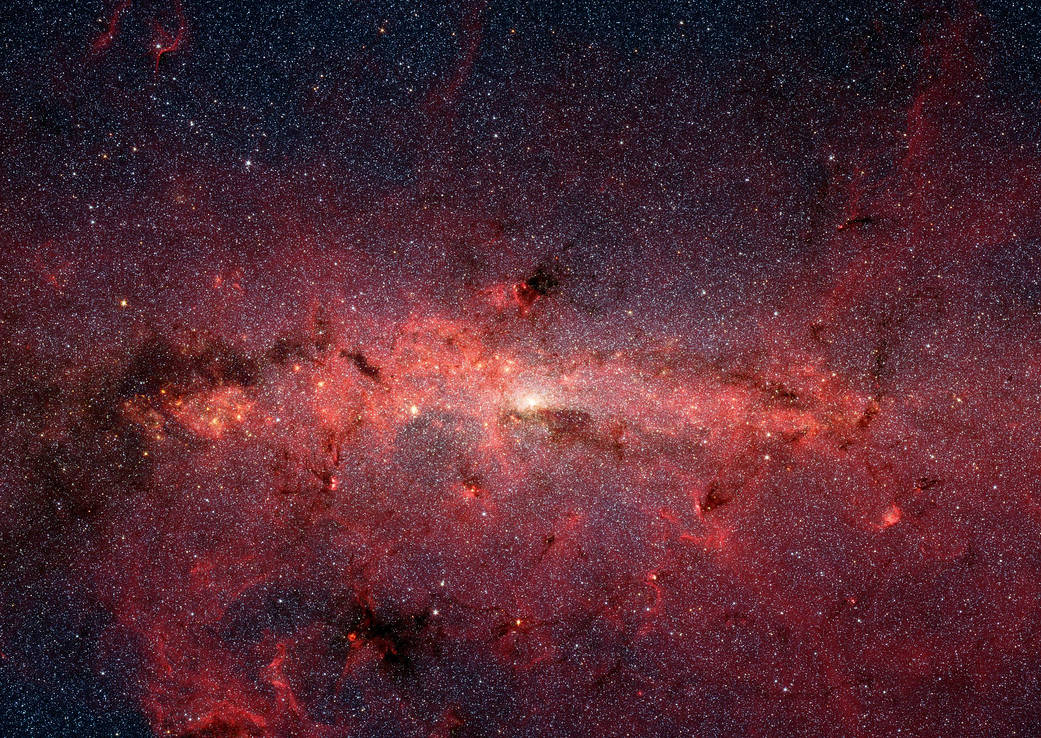
The center of our galaxy🌀 is cloudy with dust and gas.
A black hole🕳 4 million times more massive than the Sun☀️ is surrounded by millions of whipping stars✨
@NASAspitzer got this view in infrared; @NASAWebb's infrared instrument will be even better👀
https://t.co/ElECejNIF5