She asked a simple question, because journalism is not a crime, it is accountability in action. Harassing her for doing her job is not strength. It only shows the throne is allergic to truth.
Throughout all day I have struggled to log onto my Instagram account. Now I have been suspended. It is a small prize to pay for press freedom, but I’ve never experienced it before.
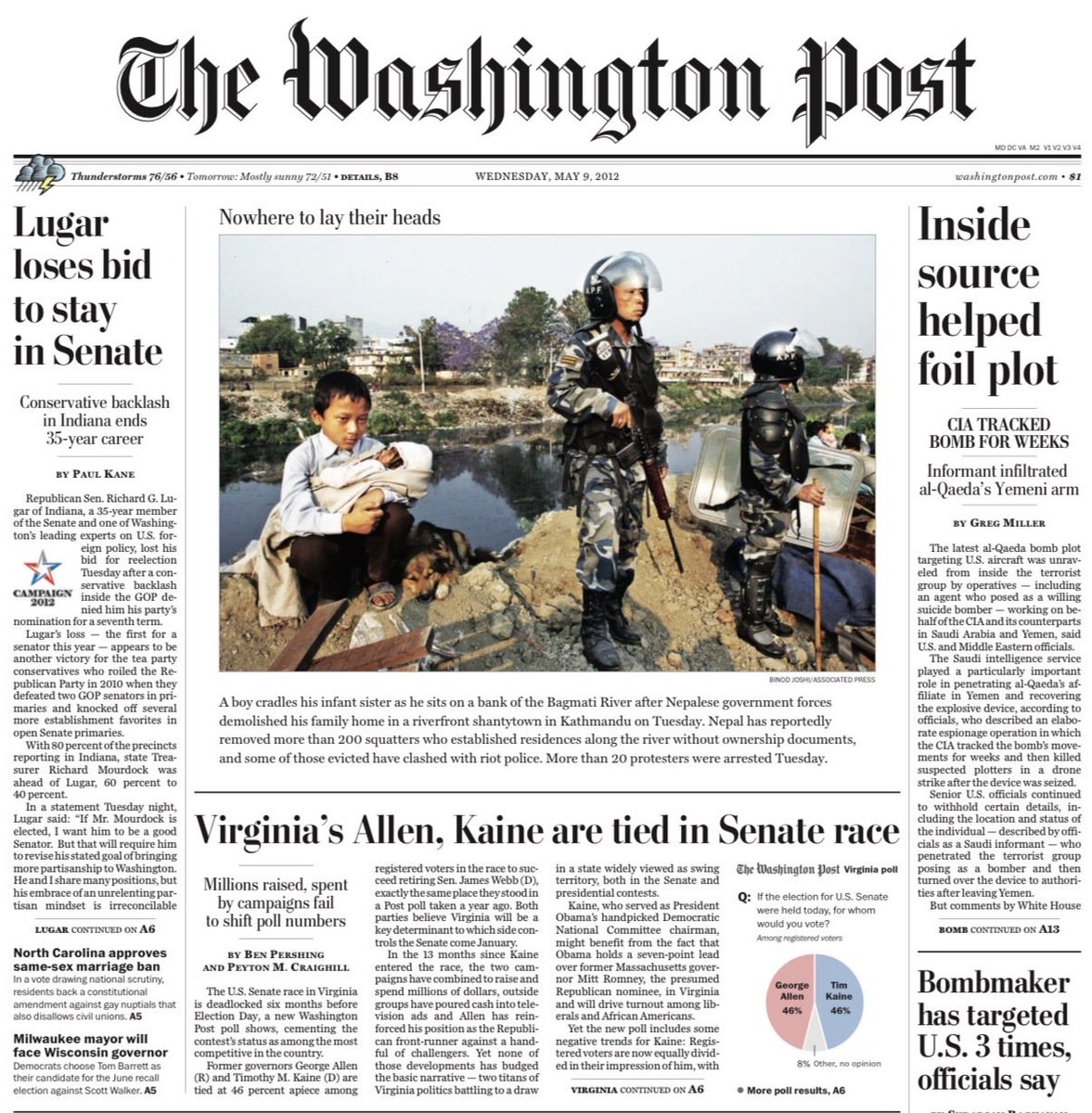
Nepali government’s razing of squatter settlements across Kathmandu this week reminded me of this front page in the Washington Post from almost 14 years ago, featuring a boy cradling his infant sister after being evicted from squatter settlement by then government —
As Nepal begins the academic year 2083, let’s renew our shared commitment to every child’s right to education.
The European Union, @unicefnepal, and our partners continue to support free, inclusive, and quality education for all children in Nepal.
#euinnepal🇪🇺🇳🇵
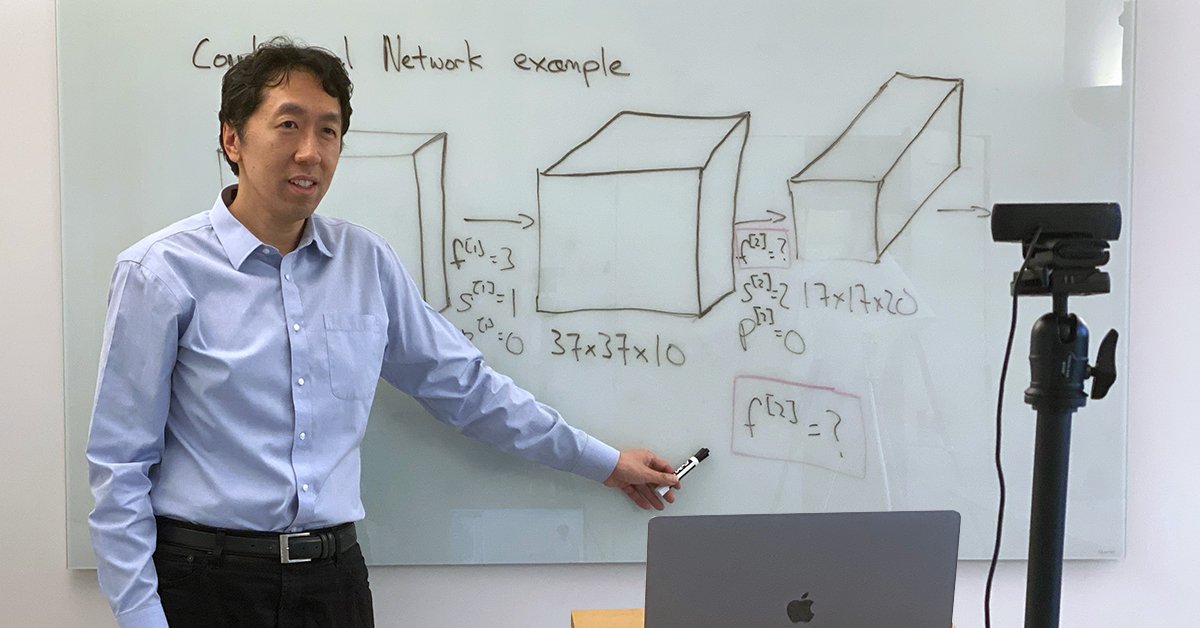
A Stanford CS professor told his class something at the start of the semester that made half the students close their laptops.
He said the skill that will separate the people who thrive in the next decade from the people who stall has almost nothing to do with coding.
His name is Andrew Ng, and he has trained more machine learning engineers than almost anyone alive.
Here is what he said, and why it changes how you should be learning right now.
He said the bottleneck is no longer writing code. It is knowing which problems are worth solving in the first place. For thirty years, being a good engineer meant being able to build what someone else defined. In the world that is arriving, every engineer has infinite leverage to build almost anything, which means the person who picks the right thing to build now wins by orders of magnitude over the person who builds the wrong thing flawlessly.
His framework for problem selection is deceptively simple. He calls it the three-question filter.
The first question is whether the problem you are working on actually matters to someone who would pay for it or use it daily. Most students fail here. They work on projects that are interesting to them and nobody else, and then wonder why the portfolio produces no offers.
The second question is whether the problem is still hard now that AI exists. If a single prompt to a hosted model solves it, the problem is no longer valuable to solve yourself. The interesting problems live in the gap between what AI can do alone and what it can do when combined with domain knowledge, careful system design, and data nobody else has access to.
The third question is the one most people skip. Can you actually ship a working version in a week. Not a polished version. A crappy, embarrassing, actually-functional version. Ng said the number one predictor of which of his students ended up building something important was not talent. It was the willingness to ship something bad fast and then improve it in public.
He said the students who kept tweaking in private for six months before showing anyone almost always produced worse final work than the students who shipped a broken version on week one and iterated based on real feedback.
The people who are actually winning right now are not the ones with the best ideas.
They are the ones who learned to pick problems that matter and ship solutions that barely work, before anyone else has even finished thinking about it.
“आधुनिक सहरी योजनाको एउटा मुख्य कमजोरी हो– हामीले बालबालिकालाई एक स्वतन्त्र नागरिकका रूपमा कहिल्यै हेरेनौं । उनीहरूलाई केवल अभिभावकमाथि आश्रित एक समूहका रूपमा मात्रै सीमित राख्यौं । त्यसैले हाम्रा संरचना बनाउँदा बालबालिकाका आवश्यकता नीतिगत रूपमै सधैं ओझेलमा परे । हालै पारित राष्ट्रिय सहरी नीति, २०८१ मा पनि सुरक्षित खेल क्षेत्रको न्यूनतम मापदण्ड तोकिएको छैन ।”
Important perspective by @NirupamaRoka 👏
This is how policing works in Nepal —
… जसलाई ‘भाग्न सक्ने जोखिम’ देखाएर जरुरी पुर्जी दिइयो, उनीहरू त्यही दिन प्रहरीको बोलावटमा स्वयं हाजिर भएर आएका थिए ।
Making a statement in Shanghai 🇨🇳
In 1986, FIDE made two outrageous decisions that negatively affected my career:
1. They awarded nearly all women players an extra 100 rating points—except me—in an obvious attempt to artificially strip me of the world #1 ranking. At just 15 years old, I had become the #1 ranked female player in the world, as well as the #1 ranked 15-year-old (boy or girl), ahead of players like Anand and Ivanchuk.
2. They refused to allow me to participate in the Men’s World Championship cycle, even after I became the first woman to qualify.
A few years earlier, in 1982, during my most crucial developmental years, the Hungarian government confiscated my passport and prevented me from traveling abroad simply because I refused to play in women-only events.
I almost quit chess because of all the unfair punishment and interference. It was my grandmother who convinced me to continue and not let the bad guys win.
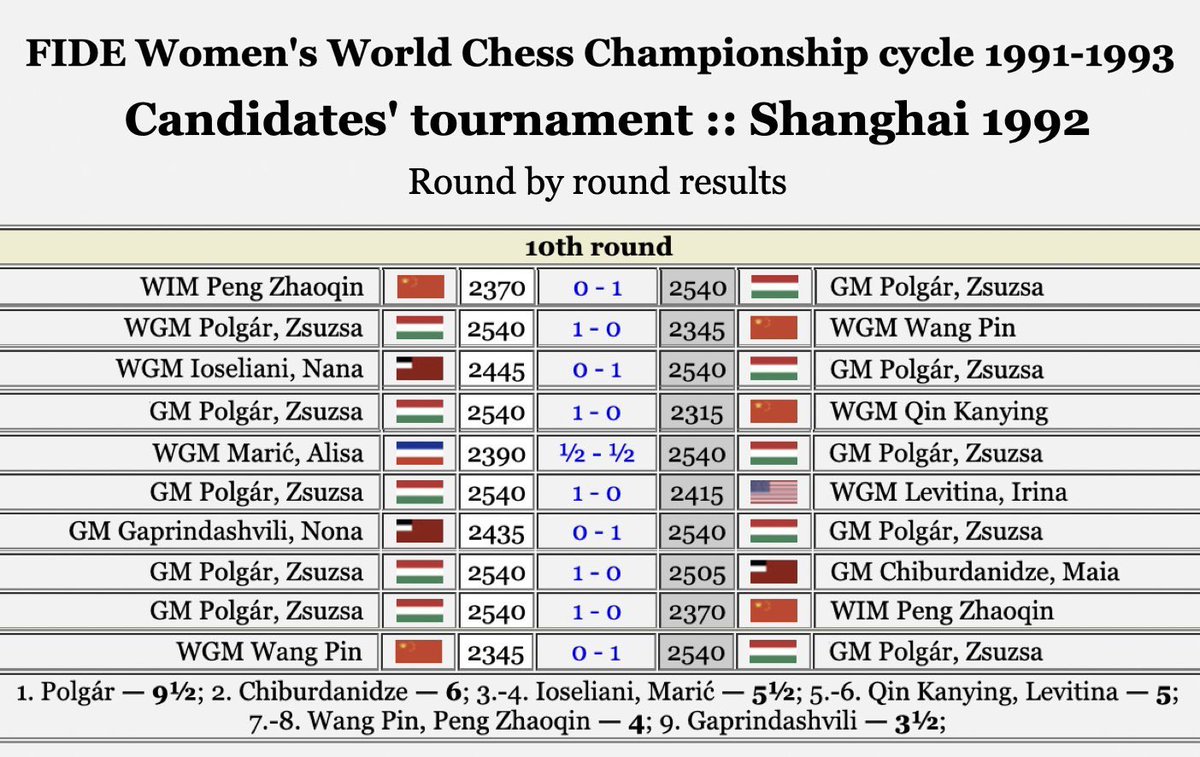
Despite losing several valuable years, I decided to fight back. In 1992, I chose to show the world exactly how a Polgár stacked up against other women (after years of claims that we were overrated because we only played against men).
In the 1992 FIDE Candidates Tournament, I started with an explosive 9.5/10 (9 wins, 1 draw) and essentially clinched the event with six rounds to spare, in a field with both Chiburdanidze and Gaprindashvili, etc.
I wrote about this in my memoir Rebel Queen https://t.co/H9GmDZTWoO
यसरी काम गर्नु न त वैधानिक हो, न पारदर्शी। सबै काम–कारबाही मन्त्रालयका सचिवबाटै सम्भव छ। प्रधानमन्त्रीले मन्त्रीको पद कसैका लागि सुरक्षित राखेको हो भने राज्यमन्त्री नियुक्त गर्न बाधा छैन।तर सांसदले मन्त्रालय तथा प्रधानमन्त्रीबीच ‘facilitator’ को काम गर्न मिल्दैन।
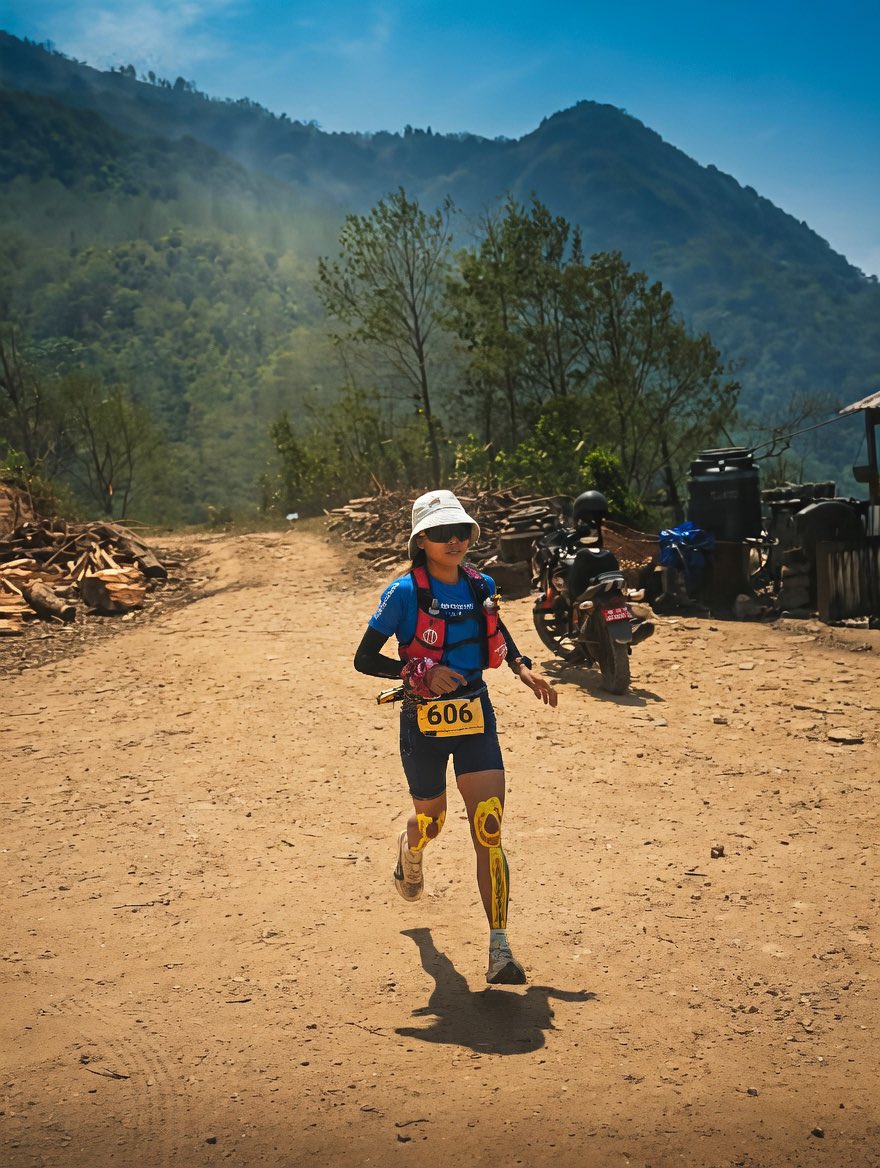
Congratulations to all the runners who tackled the Mundum Trail Ultra Race 2026!
This race is a key step in promoting sustainable, community-led tourism in the region. Proud to see this trail on the global map and look forward to its return next year.🇳🇵🇨🇭#SwitzerlandforNepal
I had a courtesy call on Hon. Law Minister Sobita Gautam today. We discussed the ongoing 70th anniversary of 🇳🇵Nepal 🇨🇭 Switzerland diplomatic relations, our development cooperation, and continued Swiss support for the transitional justice process in Nepal. #SwitzerlandforNepal
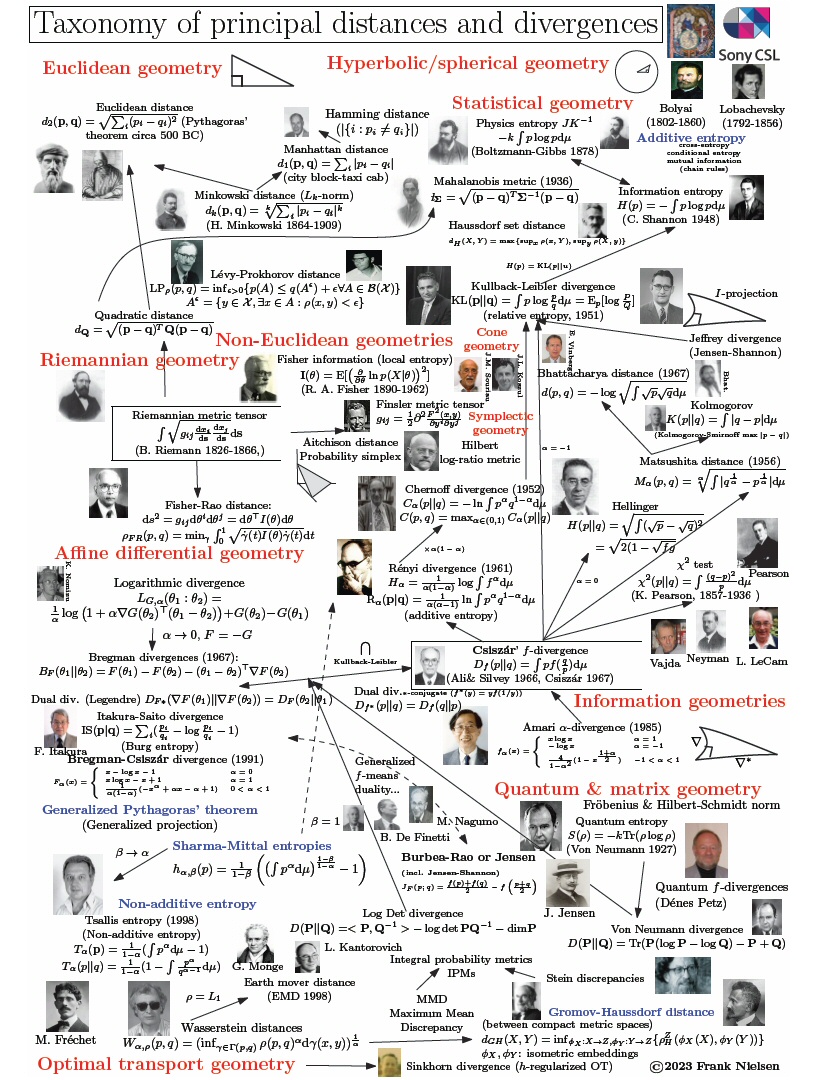
Math, physics: endless landscape.
"Taxonomy of Principal Distances and Divergences" — ranging from Euclidean Geometry (upper left) to Quantum and Matrix Geometry (lower right).
By Frank Nielsen, @FrnkNlsn, https://t.co/Ysr1tDIGjh, Used by permission
A 26-year-old student informed his professor that he would miss class because he had no one to care for his five-month-old daughter.
Instead of letting him fall behind, the professor encouraged him to bring the baby to class.
During the lecture, the teacher even held the child so the student could focus on learning.
This simple act shows that education is not just about teaching subjects, but also about empathy, kindness, and supporting students in real life.
Source: The Washington Post
Navigating social media challenges is going to be tough for Nepal, which has seen a worrying polarisation.
In the Kathmandu Post today:
https://t.co/v3eox5PEbo