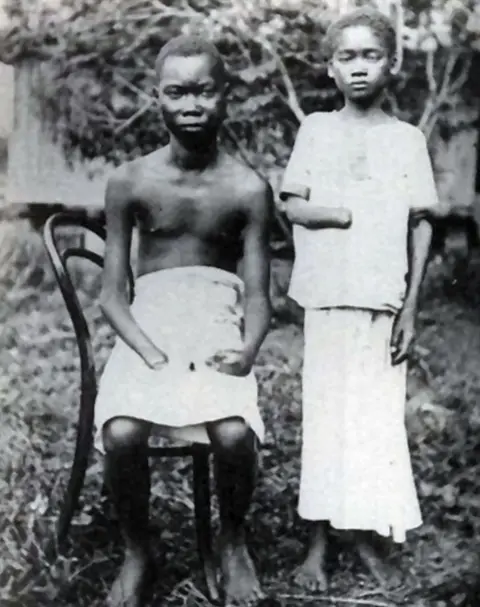
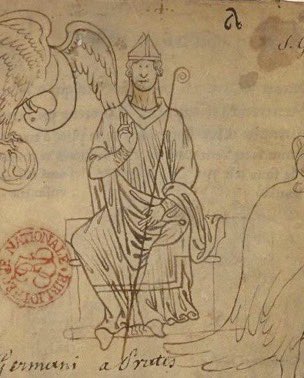
La manipulación de la arqueología por parte de Israel para justificar su política colonial en Palestina es un anacronismo en el panorama internacional. Como lo es toda su política colonial.
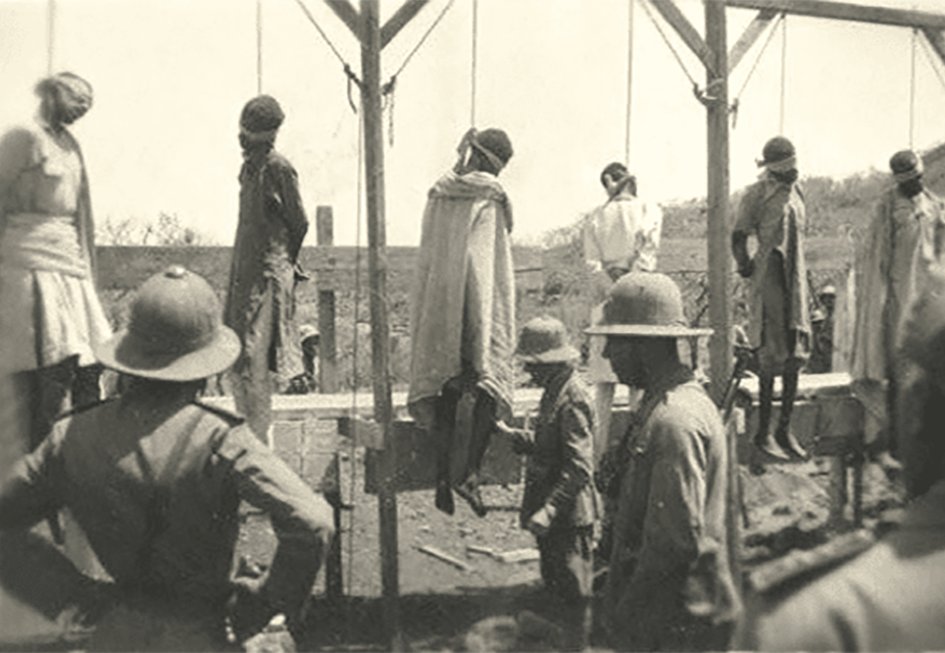
[🎙️] Em participação na @BBCR1, yves revela sua vontade de colaborar com as membros do LOONA em um futuro projeto:
“Depois de quatro EPs solo e duas turnês, às vezes sinto muita falta das minhas membros da LOONA. Todo mundo está indo muito bem com suas próprias carreiras, mas um dia eu adoraria fazer um projeto especial juntas novamente”
cr: yvesupport
#YVES #이브 #NAIL @Yves___official
Sophie Calle’s 'Statues ennemies' series.
'Statues ennemies' consists of black-and-white Polaroids from 2003. The subject is sacred Catholic imagery that was destroyed during the Spanish Civil War between 1936 and 1939.
Sophie Calle is a French conceptual artist. She typically combines photography, text, research, and personal narrative. But there’s a major difference in this series: she didn’t include explanatory text with the photos.
To understand why these images were destroyed, we need to look at Spain during that era.The Catholic Church wasn’t just a religious institution; it was deeply intertwined with education, property, local power, and political identity.
When the war broke out in 1936, state authority collapsed in some Republican regions. Local militias and revolutionary committees gained power. Long-standing anti-clerical anger turned toward church buildings and sacred objects. For many, the statues were symbols of the old order, church authority, and local hierarchy.
The nature of the damage reflects this too. Researcher Mary Vincent writes that during the civil war, the heads, hands, feet, eyes, and hearts of religious imagery were specifically targeted.
Some of the damaged pieces were repaired, some were put in storage, and others were completely destroyed. But the broken fragments and photographs became a part of post-war memory.





![official_i_dle's tweet photo. i-dle (아이들) 'Gimme Dat Love' Concept Image 2
9th Mini Album [We made]
Pre-Save https://t.co/TbKckDSr6S
❤️🔥 2026.07.06. 6PM (KST)
#아이들 #idle
#슈화 #SHUHUA
#We_made
#Gimme_Dat_Love https://t.co/ptyfl6l0Lj](https://pbs.twimg.com/media/HMEfybRXkAAeC-f.jpg)
![official_i_dle's tweet photo. i-dle (아이들) 'Gimme Dat Love' Concept Image 2
9th Mini Album [We made]
Pre-Save https://t.co/TbKckDSr6S
❤️🔥 2026.07.06. 6PM (KST)
#아이들 #idle
#슈화 #SHUHUA
#We_made
#Gimme_Dat_Love https://t.co/ptyfl6l0Lj](https://pbs.twimg.com/media/HMEfybQWMAIRzXo.jpg)
![official_i_dle's tweet photo. i-dle (아이들) 'Gimme Dat Love' Concept Image 2
9th Mini Album [We made]
Pre-Save https://t.co/TbKckDSr6S
❤️🔥 2026.07.06. 6PM (KST)
#아이들 #idle
#슈화 #SHUHUA
#We_made
#Gimme_Dat_Love https://t.co/ptyfl6l0Lj](https://pbs.twimg.com/media/HMEfybCXkAADkkn.jpg)
![official_i_dle's tweet photo. i-dle (아이들) 'Gimme Dat Love' Concept Image 2
9th Mini Album [We made]
Pre-Save https://t.co/TbKckDSr6S
❤️🔥 2026.07.06. 6PM (KST)
#아이들 #idle
#우기 #YUQI
#We_made
#Gimme_Dat_Love https://t.co/pjtm8t2A14](https://pbs.twimg.com/media/HMEfvORXwAAWzIK.jpg)
![official_i_dle's tweet photo. i-dle (아이들) 'Gimme Dat Love' Concept Image 2
9th Mini Album [We made]
Pre-Save https://t.co/TbKckDSr6S
❤️🔥 2026.07.06. 6PM (KST)
#아이들 #idle
#우기 #YUQI
#We_made
#Gimme_Dat_Love https://t.co/pjtm8t2A14](https://pbs.twimg.com/media/HMEfvOEWAAAGiSP.jpg)
![official_i_dle's tweet photo. i-dle (아이들) 'Gimme Dat Love' Concept Image 2
9th Mini Album [We made]
Pre-Save https://t.co/TbKckDSr6S
❤️🔥 2026.07.06. 6PM (KST)
#아이들 #idle
#우기 #YUQI
#We_made
#Gimme_Dat_Love https://t.co/pjtm8t2A14](https://pbs.twimg.com/media/HMEfvOAXsAAE_wt.jpg)
![official_i_dle's tweet photo. i-dle (아이들) 'Gimme Dat Love' Concept Image 2
9th Mini Album [We made]
Pre-Save https://t.co/TbKckDSr6S
❤️🔥 2026.07.06. 6PM (KST)
#아이들 #idle
#소연 #SOYEON
#We_made
#Gimme_Dat_Love https://t.co/6gaqKpJkuj](https://pbs.twimg.com/media/HMEfsXuWAAAuDvi.jpg)
![official_i_dle's tweet photo. i-dle (아이들) 'Gimme Dat Love' Concept Image 2
9th Mini Album [We made]
Pre-Save https://t.co/TbKckDSr6S
❤️🔥 2026.07.06. 6PM (KST)
#아이들 #idle
#소연 #SOYEON
#We_made
#Gimme_Dat_Love https://t.co/6gaqKpJkuj](https://pbs.twimg.com/media/HMEfsXaXoAA43P7.jpg)
![official_i_dle's tweet photo. i-dle (아이들) 'Gimme Dat Love' Concept Image 2
9th Mini Album [We made]
Pre-Save https://t.co/TbKckDSr6S
❤️🔥 2026.07.06. 6PM (KST)
#아이들 #idle
#소연 #SOYEON
#We_made
#Gimme_Dat_Love https://t.co/6gaqKpJkuj](https://pbs.twimg.com/media/HMEfsXSWAAAlWj8.jpg)
![official_i_dle's tweet photo. i-dle (아이들) 'Gimme Dat Love' Concept Image 2
9th Mini Album [We made]
Pre-Save https://t.co/TbKckDSr6S
❤️🔥 2026.07.06. 6PM (KST)
#아이들 #idle
#민니 #MINNIE
#We_made
#Gimme_Dat_Love https://t.co/ctxbRAUpNF](https://pbs.twimg.com/media/HMEfpnKXYAAitdP.jpg)
![official_i_dle's tweet photo. i-dle (아이들) 'Gimme Dat Love' Concept Image 2
9th Mini Album [We made]
Pre-Save https://t.co/TbKckDSr6S
❤️🔥 2026.07.06. 6PM (KST)
#아이들 #idle
#민니 #MINNIE
#We_made
#Gimme_Dat_Love https://t.co/ctxbRAUpNF](https://pbs.twimg.com/media/HMEfpnFWUAI4-fz.jpg)
![official_i_dle's tweet photo. i-dle (아이들) 'Gimme Dat Love' Concept Image 2
9th Mini Album [We made]
Pre-Save https://t.co/TbKckDSr6S
❤️🔥 2026.07.06. 6PM (KST)
#아이들 #idle
#민니 #MINNIE
#We_made
#Gimme_Dat_Love https://t.co/ctxbRAUpNF](https://pbs.twimg.com/media/HMEfpnAXkAAOwt8.jpg)
![official_i_dle's tweet photo. i-dle (아이들) 'Gimme Dat Love' Concept Image 2
9th Mini Album [We made]
Pre-Save https://t.co/TbKckDSr6S
❤️🔥 2026.07.06. 6PM (KST)
#아이들 #idle
#미연 #MIYEON
#We_made
#Gimme_Dat_Love https://t.co/Yf6vncGYFU](https://pbs.twimg.com/media/HMCtUR6XYAApzKR.jpg)
![official_i_dle's tweet photo. i-dle (아이들) 'Gimme Dat Love' Concept Image 2
9th Mini Album [We made]
Pre-Save https://t.co/TbKckDSr6S
❤️🔥 2026.07.06. 6PM (KST)
#아이들 #idle
#미연 #MIYEON
#We_made
#Gimme_Dat_Love https://t.co/Yf6vncGYFU](https://pbs.twimg.com/media/HMCtURyXwAA5LkI.jpg)
![official_i_dle's tweet photo. i-dle (아이들) 'Gimme Dat Love' Concept Image 2
9th Mini Album [We made]
Pre-Save https://t.co/TbKckDSr6S
❤️🔥 2026.07.06. 6PM (KST)
#아이들 #idle
#미연 #MIYEON
#We_made
#Gimme_Dat_Love https://t.co/Yf6vncGYFU](https://pbs.twimg.com/media/HMCtURxXAAA9dYE.jpg)









![YVES_BRASIL's tweet photo. [🎙️] Em participação na @BBCR1, yves revela sua vontade de colaborar com as membros do LOONA em um futuro projeto:
“Depois de quatro EPs solo e duas turnês, às vezes sinto muita falta das minhas membros da LOONA. Todo mundo está indo muito bem com suas próprias carreiras, mas um dia eu adoraria fazer um projeto especial juntas novamente”
cr: yvesupport
#YVES #이브 #NAIL @Yves___official](https://pbs.twimg.com/media/HMDzDnPXkAA-IpY.jpg)


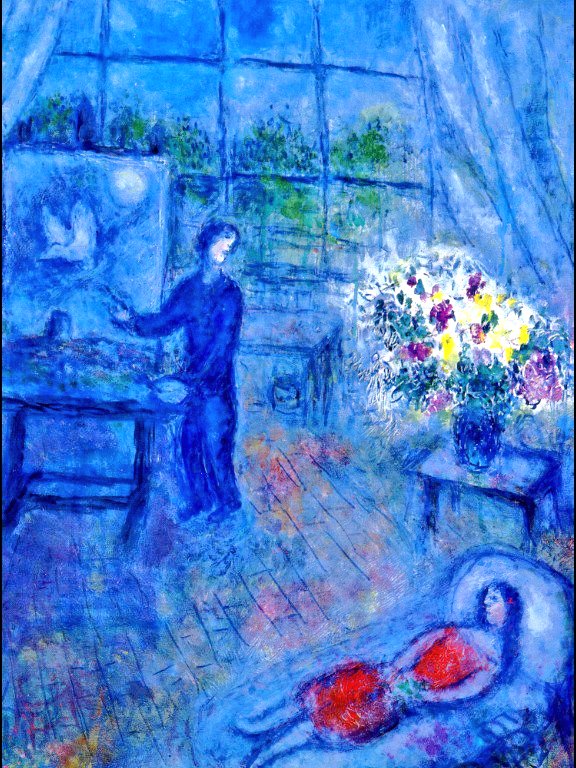
![official_i_dle's tweet photo. i-dle (아이들) 'Gimme Dat Love' Concept Image 2
9th Mini Album [We made]
Pre-Save https://t.co/TbKckDSr6S
❤️🔥 2026.07.06. 6PM (KST)
#아이들 #idle
#We_made
#Gimme_Dat_Love https://t.co/QbjDzPIAlD](https://pbs.twimg.com/media/HMEf2WuXkAAhiJ4.jpg)