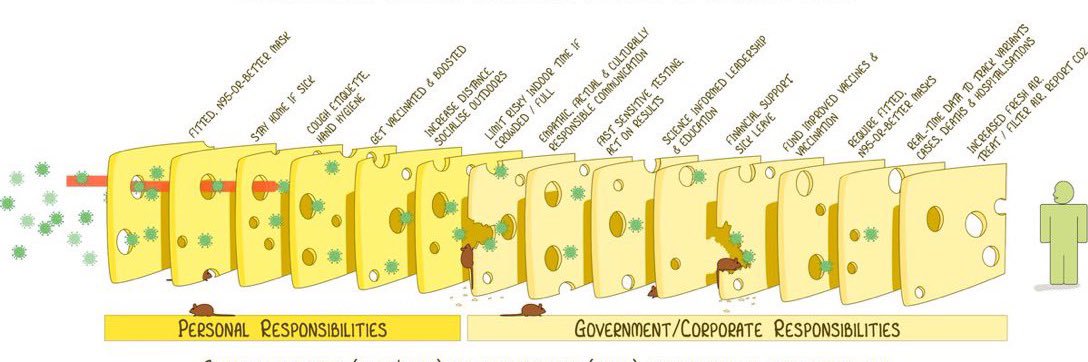
This open letter signed by 400+ HCW & Experts was sent to the prime minister, federal health minister, state premiers and health ministers, federal / State CMO's and the members of AHPPC, CDNA, ICEG asking for urgent coordinated national action on aerosol transmission of Covid19
Are you someone living with, or working with, a Rare Disease in Australia?
@RareVoices and @TheKids_AU want your input to identify & prioritise the Top 10 Most Important Unanswered Research Questions for Rare Disease Research in Australia.
https://t.co/L9dYXeIwfS
Please RT.
This morning I worked for 4 hrs conceptualising why family courts and psychologists mangle attachment assessments with Aboriginal families. It puts racial trauma as a critical variable impacting caregiver responsiveness to children and why it erroneously shows up as “disorganised attachment” - a critical marker for abuse” understanding this will quite literally close the gap.
It’s the Mic drop moment.
This book 💥🔥
https://t.co/OgMMvgsl2t
It’s official: A new Lancet Infectious Disease paper solidifies evidence of long-term viral persistence after #COVID-19.
Up to a quarter of people in the study harbored viral proteins indicative of persistent virus for up to 14 months after infection: https://t.co/2fLehSW9gq
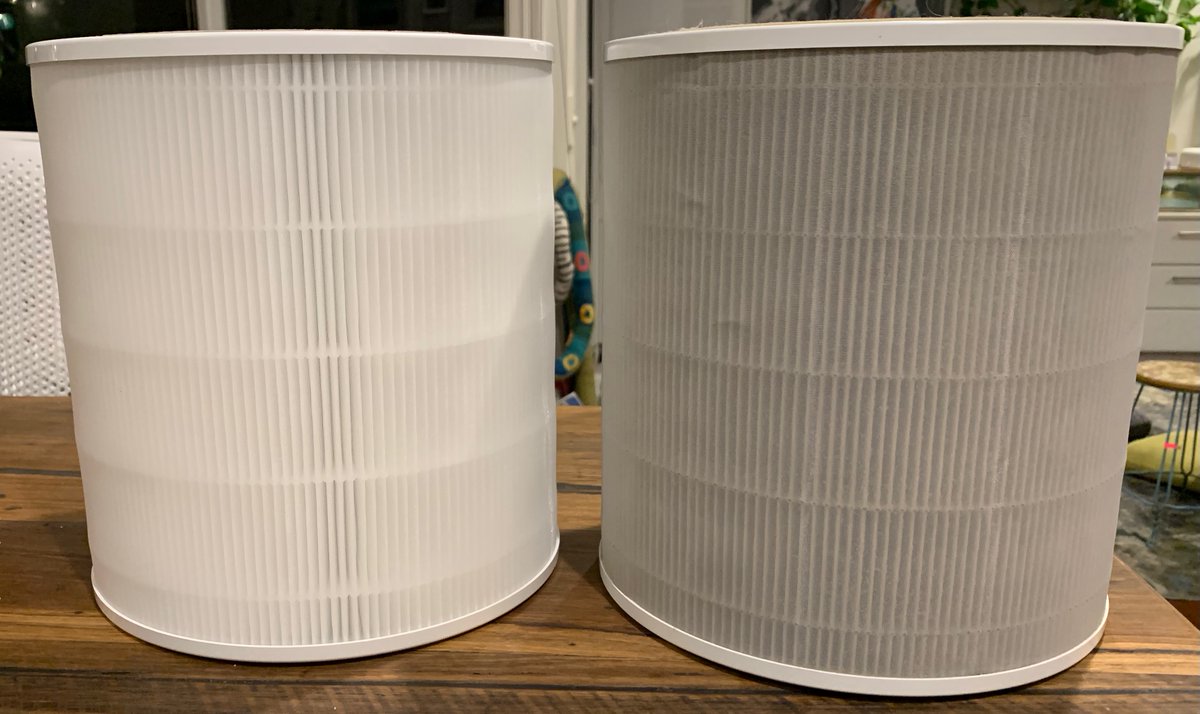
Replacing the 2+ year old hepa in the kids bedroom. New filter at left in both images; Old filter pre-external dust removal (left image; we do this every few months) & after dust removal (right image).
As this shows, indoor air is not clean unless you make it so, often containing particles like allergens & smoke, & of course airborne pathogens incl. common cold viruses, flu, RSV, measles, TB and COVID. The kids spend 11 hours a day in that room so it's worth cleaning (as is the whole house).
We all spend on average 90% of our time indoors yet there are no standards for clean indoor air; unlike outdoor air, drinking water and food that are all heavily regulated. The recent advances published in @ScienceMagazine & by @WHO are so significant in this regard.
It's long overdue for policy action to take breathing clean air from a personal responsibility to a public health right.
And it's also excellent airborne pandemic preparedness.
France implements an 800ppm CO2 limit in classrooms. They recognise clean air is vital to reducing COVID transmission.
Meanwhile, in many Australian schools:
a) No idea what CO2 has to do with COVID
b) One CO2 monitor, in a drawer in the principal's office
c) Zero mitigations
“He stressed people underestimate the risk of COVID infections in general.. One study from @StatCan_eng found around 15% of people reported having #LongCovid after their first infection. That number approaches 40% after the third & subsequent infections.” https://t.co/pktO7eZSYG
Thanks to @people magazine for covering my piece on the Covid-19 and brain health
COVID-19 poses a serious risk to brain health, even in mild cases, and the effects are now being revealed at the population level
Link here: https://t.co/WDVdZIvdUO
@alzheimerssoc have you seen this study?⚠️
Please inform everyone that SARS-COV-2 (re)infections cause all subtypes of dementia, irrespective of patients’ previous dementia types, to behave like rapidly progressive dementia (according to Journal of Alzheimer’s Disease Reports)
Today, many will tell you we overreacted then
But you’ll never hear that from someone, anyone who worked in the hospital then
Covid scarred a generation of healthcare workers
Many watched their colleagues suffer.
Struggle to breathe.
Then die.
A huge point missing from the 'cumulative risk' discussion is that it's not just about the cumulative risk of developing long-COVID population-wide, but also what happens to the quality of life of those who have long COVID with subsequent infections. Or does no one care?
Exactly correct. Huge fallacy here aiming at risk per infection when cumulative infection is what is important. Covid is not a cold or the flu. Much more complicated. Finally, self-reported LC is only the tip of the iceberg for what is happening.
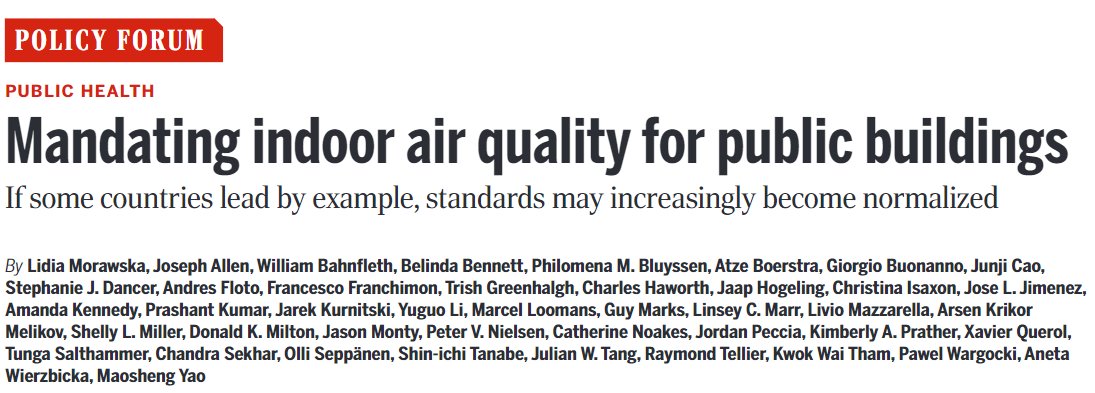
1/ New paper in @ScienceMagazine: "Mandating Indoor Air Quality for Public Buildings"
Explaining current status of indoor air quality standards (in short: bad or non-existent), the huge health benefits that would arise from them & proposing a path forward
https://t.co/UAspBCUHlJ
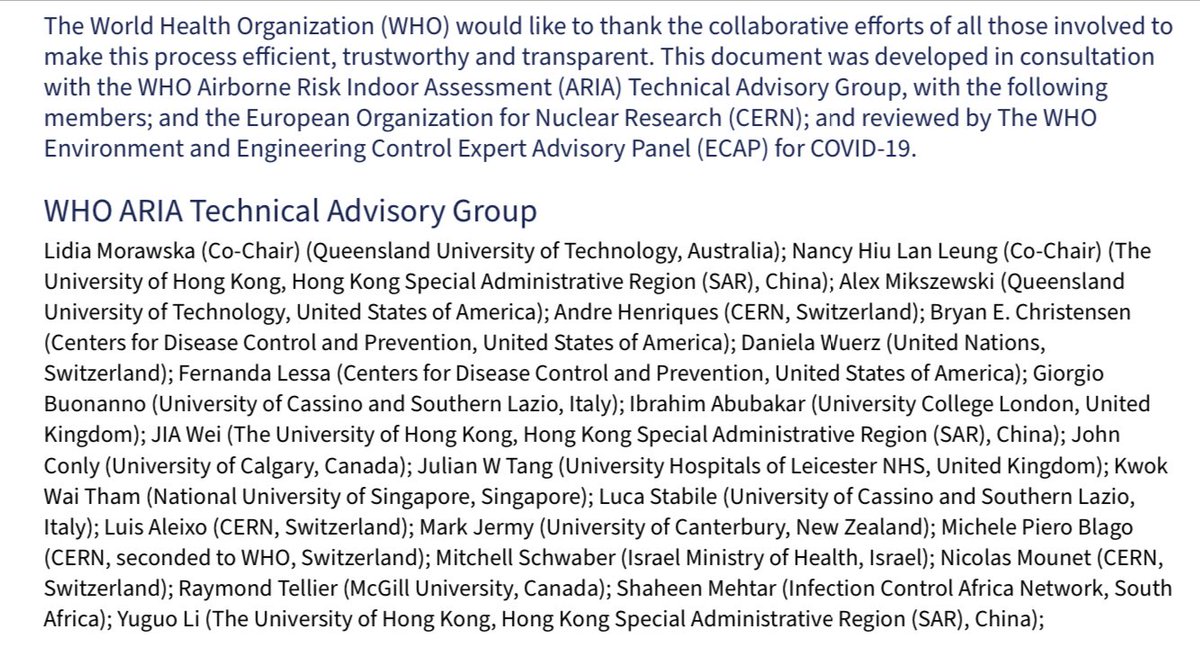
🚨🚨Team #COVIDisAirborne this looks like the real deal
@WHO teams embracing reality, & the word AIRBORNE
Technical advisory group co-chairs Lidia Morawska & @nancyleung_hk
Also
Raymond Tellier
Julian Tang et al
AND
🚨John Conly !!
Is this what repentance looks like?
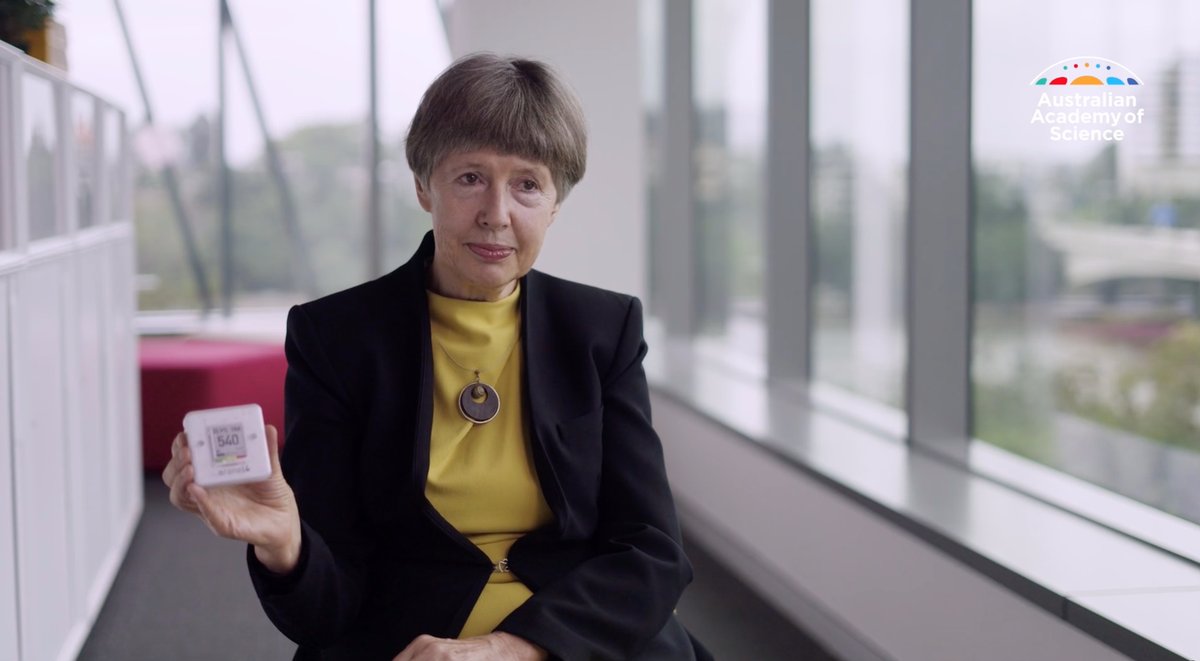
Today, a group of international experts led by Prof Lidia Morawska FAA (@QUT) has presented a blueprint for national indoor quality standards for public buildings, in @ScienceMagazine. How can indoor air quality standards be monitored and enforced? Read: https://t.co/NWOs2YMMPJ
This is a landmark paper on the path to better indoor air quality. Outdoor air, the water we drink and food we eat is regulated by standards that protect us from harms. This is not the case for the air we breathe indoors where we spend 90% of our time. This is the most definitive blueprint for change yet. The time to act is now. In doing so, we will be healthier now, and we will better prepared for future airborne pandemics.
Data I was analysing on outbreak clusters from Victoria in late 2021 confirmed that schools were the source of far more clusters of cases than everywhere else combined.
Henry is right: improving ventilation in schools would have a big impact.
1/