퍼플렉시티가 이제 MCP 버리고 CLI로만 진행하겠다고 선언을 했네요. 이런 방향 전환은 정말 유의미한 신호라고 생각합니다.
MCP나 API, CLI에 익숙하지 않은 분들에게 이걸 설명드리자면... 일단 간단하게 말해서 AI한테 일을 시키는 방법이 3가지 있다고 보면 됩니다.
1. MCP: AI가 여러 툴을 공통 규격으로 붙여서 쓰는 방식.
2. API: 프로그램끼리 직접 연결해서 기능 호출하는 방식.
3. CLI: 사람이 터미널에서 치던 명령을 AI가 그대로 실행하는 방식.
비개발자 관점으로 번역하면,
"예쁘게 통일된 범용 리모컨(MCP)보다, 빠르고 확실한 전용 리모컨(API/CLI)을 더 쓰겠다."에 가깝습니다.
이런 선택을 하는 이유를 추측해보자면...
속도, 디버깅, 운영 안정성, 권한 통제가 API/CLI가 더 단순한 경우가 많아요. 특히 제품을 실제로 굴릴 때는 "얼마나 멋진 구조냐"보다 "지금 당장 덜 고장 나고 더 빨리 고치냐"가 더 중요해집니다.
대 에이전트 시장이 '표준 경쟁'에서 '실전 운영 경쟁'으로 넘어가고 있다는 신호로 보면 됩니다.
그리고 이런 시대에는 오픈클로같은 오픈소스로 에이전트를 운영하는 사람들이 더 많은 혜택을 볼 수 있을 것 같아요. 배울 것도 더 많아지고요.
많은 것을 생각하게 하는 말
"세상은 우리 눈앞에서 매우 빠르게 변화하고 있습니다. 옛 세상은 사라졌습니다... 우리는 새로운 지정학적 시대에 살고 있으며, 이는 우리 모두가 그 모습이 어떠해야 하는지, 그리고 우리의 역할은 무엇이어야 하는지를 재검토해야 할 필요성을 제기할 것입니다."
German soccer referee Pascal Kaiser was assaulted by three men at his home, a week after his public marriage proposal.
The day before the assault, he received threats, and his address was leaked. He contacted the police, who told him there was no immediate danger.
The 22M+ people who saw this tweet are missing the real story here.
This research is from 2019. Dr. Eva Ramón Gallegos at Mexico’s National Polytechnic Institute published these results six years ago. It went viral then too. Salma Hayek posted about it on Instagram. ABC News ran a fact check. It resurfaced in January 2025 across Mexican media. And now it’s recycling through your feed again as “BREAKING” with 22 million views, because an engagement account slapped a siren emoji on six-year-old science.
The actual study treated 29 women in Mexico City using photodynamic therapy, a technique where you apply a light-sensitive chemical to the cervix, wait four hours, then hit it with a laser. HPV cleared in 100% of patients who had the virus without lesions. In patients with both HPV and premalignant lesions, it cleared in 64.3%. Those numbers are real and published in peer-reviewed journals.
Here’s what 22 million people aren’t asking: why hasn’t this scaled in six years?
Three reasons. First, the sample size. Twenty-nine women is a pilot study. The FDA requires thousands of patients across multiple sites before approving a therapy. Gallegos ran earlier studies on 420 women in Oaxaca and Veracruz with similar clearance rates, but nobody has funded the Phase III trials needed to move this toward approval.
Second, PDT has a physics limitation. The light that activates the drug can only penetrate about one centimeter of tissue. That means it works on surface-level cervical HPV, but the virus also hides deeper in tissue and in other parts of the body. The National Cancer Institute flagged this exact constraint years ago. You can clear what you can see. You can’t guarantee you’ve cleared what you can’t.
Third, 50% of high-risk HPV infections clear on their own within one to two years without any treatment. A 100% clearance rate in 29 patients with no lesions, measured at six months, sits in a window where spontaneous clearance is already happening. Without a proper control group, which this study lacked, you can’t isolate how much the therapy did versus what the immune system would have done anyway.
A separate Chinese study in 2024 randomized 60 patients and found PDT hit 100% HPV clearance at six months versus conventional treatment. That’s more rigorous. Multiple research groups worldwide are now publishing PDT results for cervical HPV. The science is real and progressing.
The gap between “promising pilot results in 29 women” and “successfully eliminates HPV” is about a decade of clinical trials and a few hundred million dollars in funding. Gallegos has been doing this work for 20 years. The bottleneck was never the science. It’s that nobody writes the check for Phase III trials on a non-patentable therapy that competes with a multibillion-dollar vaccine market.
That’s the actual story worth 22 million views.
BREAKING:
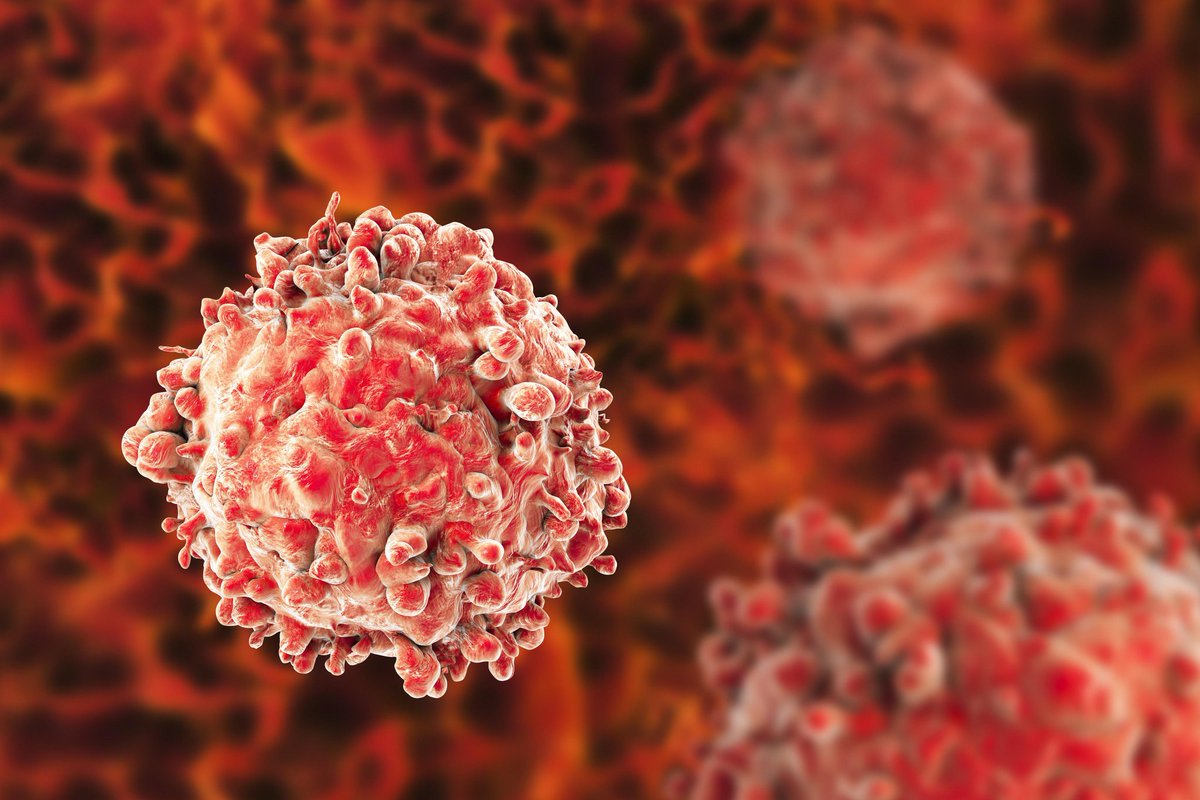
🇻🇳 Vietnam officially finds cure for blood cancer - leukemia
Due to the urgency of the girl's case, there was no time for lengthy testing.
In a hospital in Vietnam, a 12 year old girl was very sick with blood cancer (that's leukemia)
The cancer kept coming back, even after strong medicine and a special gift of blood cells from her dad was given to her.
Then the doctors decided to try something new called CAR-T treatment.
They took some of the girl's own fighter cells ( that's the ones that help fight sickness) out of her blood. They sent those cells to medical scientists in Taiwan.
When the cells arrived, these scientist gave the fighter cells a special lock that could find and stick only to the bad cancer cells.They made millions of these fighter cells and put them back into the girl through a little tube in her arm.
The fighters then went looking for the cancer, found it, grabbed it, and destroyed it.
After some hard days with fever and doctors watching her closely, all the cancer disappeared.
She became the first kid in Vietnam to get better this way. When other treatments didn't work, her own body, with a little help, became the hero that saved her.
Now other sick kids and even adults alike might have this same chance too.
This is an huge breakthrough in the medical world.
@mrhighfoster
I desperately need conspiracy theorists to tell me what’s going on right now because this cannot be a coincidence 😭 is it because THAT country left the WHO?