New paper, finally online with Psychological Science! https://t.co/P3MD1Yshoh - We ran a large-scale multi-site replication study looking at cognition and hallucinatory experiences in the general population.
Just caught up with this excellent @drlucyfoulkes piece on phones, growing pains and adolescent mental health https://t.co/U4DM1tq9Ur
Skip the badly written headline but stay for the nuance
New preprint from @georgiapunton exploring why dysfunctional sleep is often associated with hallucinations. We looked at the role of intentional inhibition, working memory, and thought control - check out the thread and preprint for what we found!
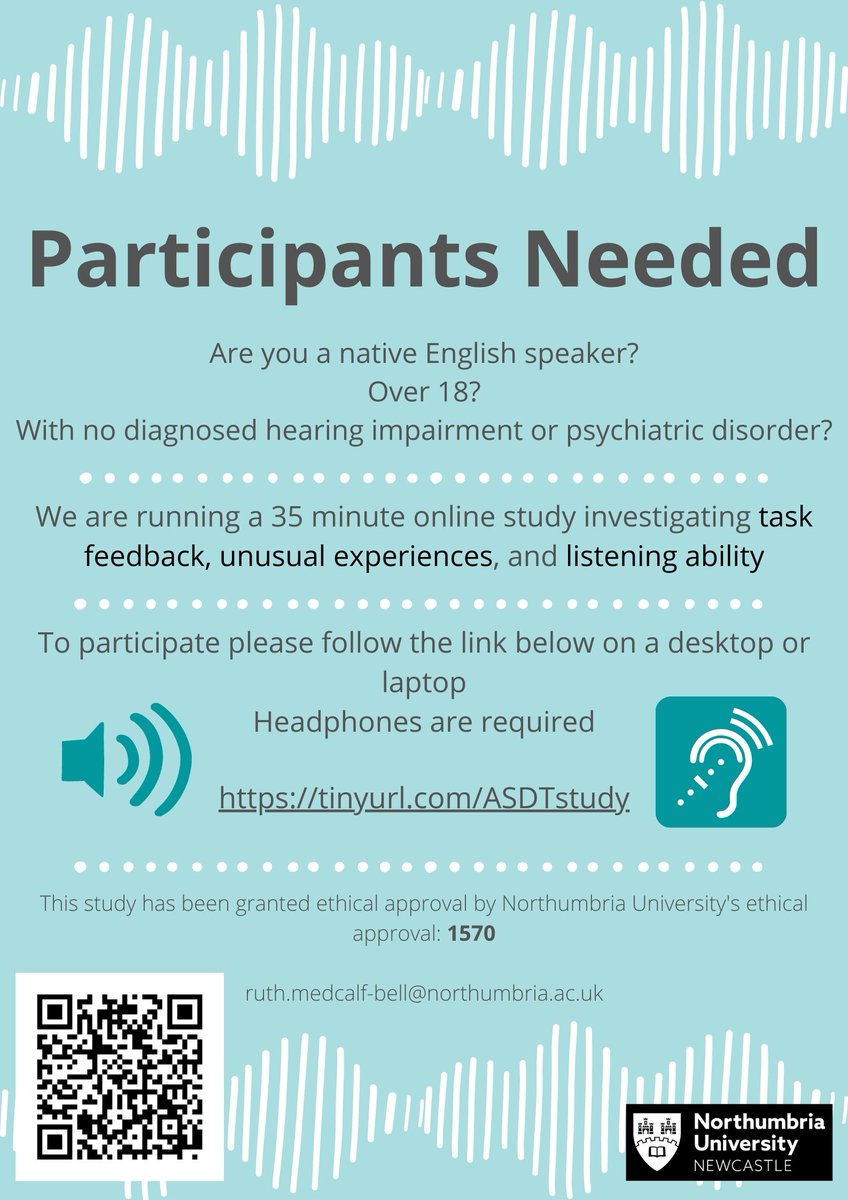
Exciting news! I am looking for volunteers to take part in an online study of unusual sensory experiences. This involves completing several questionnaires and completing 3 short listening tasks (35 mins to complete) Please click here to take part - https://t.co/Pqp5dyTScw
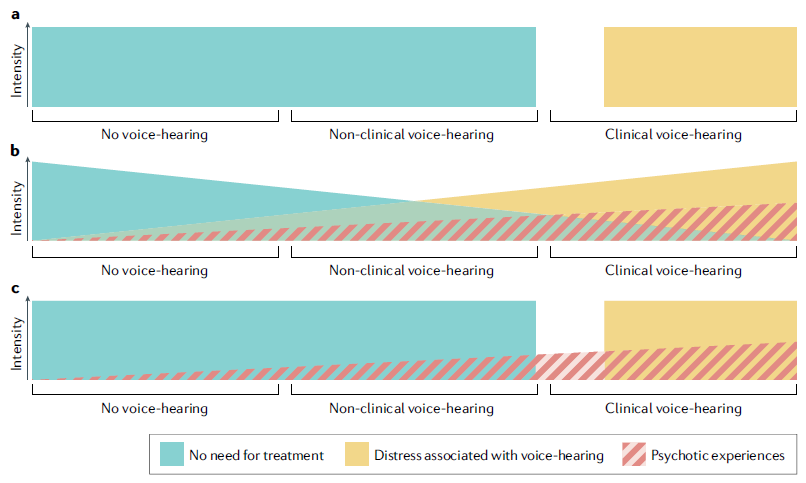
In this Review, Wei Lin Toh, @pmoseley89 & @cfernyhough describe the processes that contribute to voice-hearing experiences in clinical, non-clinical, and everyday populations, with emphasis on linking mechanism to phenomenology.
Free to access: https://t.co/xbcSIFEWH2
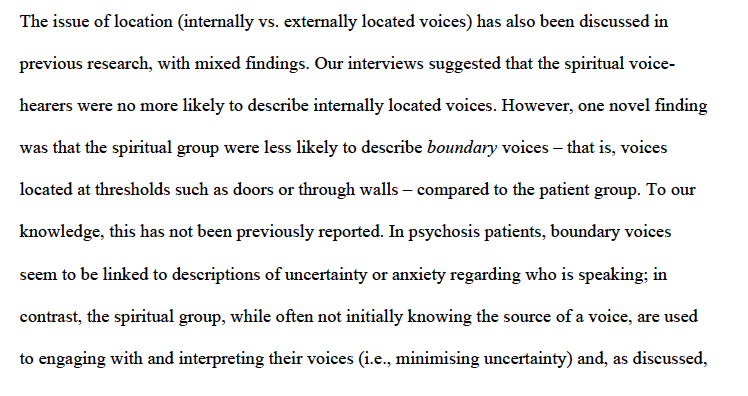
New preprint with @powell_adamj @literarti @cfernyhough @aldersonday - we talked to spiritual voice-hearers (e.g., psychics, mediums, with no psychiatric diagnosis) and compared what they said to voice-hearers in psychosis services
And interestingly, compared to voice-hearing in psychosis, voices rarely came from an uncertain boundary location (e.g., through the wall, floor, window)