I love this clip. It's such a great encapsulation of a mood and outlook, and it's so quotable.
Straight blissin', from @joelhaver: https://t.co/2LbKxyhoKF
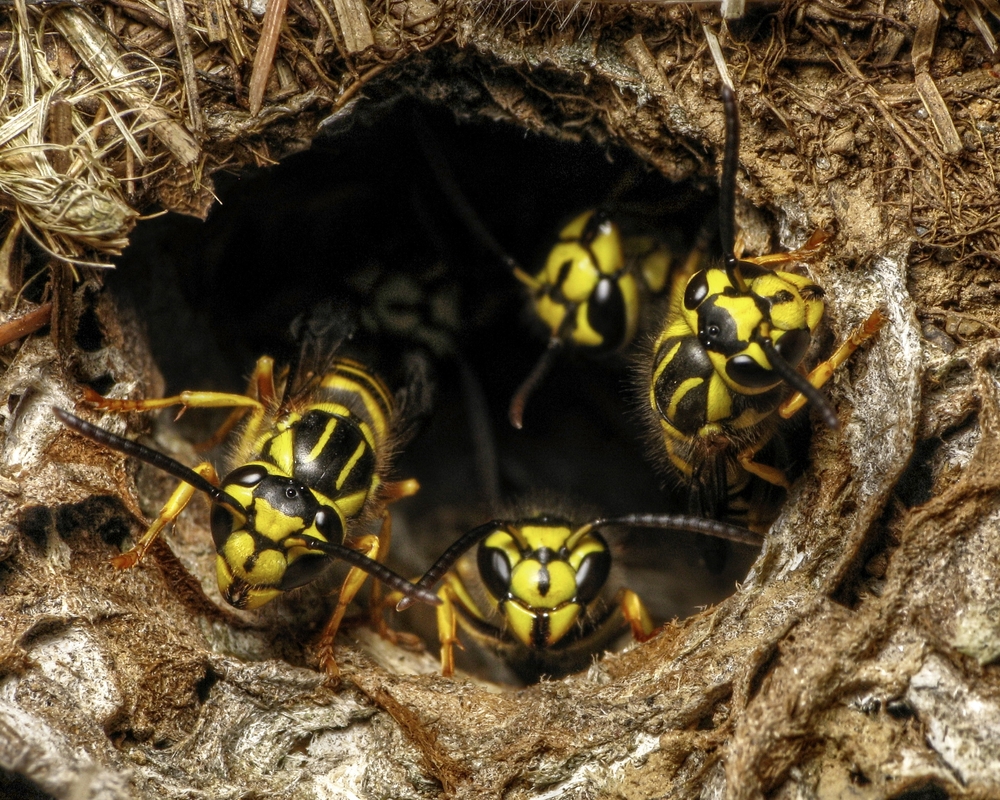
The yellowjacket that stings you next month is a different animal than the one flying around your garden in June.
Early summer yellowjackets are hunting protein. Caterpillars, flies, beetles, anything soft-bodied they can chew up and carry back to feed the larvae in the nest. The yellowjacket larvae, in turn, produce a sugary secretion that the adults drink.
By late August the colony's dynamic shifts entirely. The larvae have pupated. The queen has stopped laying eggs. There are no more grubs to feed and no more sugary rewards coming back in exchange.
The colony is dying, the workers are hangry, and your open can of Coke is exactly what they're looking for.
The nest is also at peak population in August, sometimes as many as tens of thousands of workers, all of them increasingly defensive as the colony feels the pressure of its own collapse.
By October the workers and the old queen will be dead. New queens will have mated and found somewhere to overwinter. The nest won't be reused.
Until then: keep food covered, keep drinks sealed, and understand that the wasp coming for your picnic is not the same insect it was two months ago.
Godot 4.7 has released and adds a bunch of “Day One” support and new features for various XR platforms
This includes production-ready support for games on AndroidXR and SteamOS on the Steam Frame
They also added HDR output to Windows, macOS, iOS, visionOS, and Linux (Wayland)
It's peak baby opossum season, which runs February through September. If you see a dead opossum on the road, her babies may be alive in her pouch or somewhere nearby. Pull over if it's safe, listen for soft sneeze-like sounds (that's the joeys calling for her), and contact a wildlife rehabber. Don't try to rescue them yourself, but do make the call.
I've been coding for 40 years. Here are the top 5 things I wish I knew when I started.
1. 90% of the job is debugging and fixing, not creating new code. Which is still fun if you're good at it.
I used to think programming was mostly writing fresh, clever stuff. In reality, most of your time is spent in other people's (or your own past self's) messy code, chasing down why something that "should" work doesn't. Get really good at debugging early. Learn assembly reading, call stacks, and kernel debuggers. It pays off hugely. The best engineers I saw were absolute magicians at this.
2. Manage complexity from day one (ie: don't write slop and "fix it later" if it goes somewhere).
Very early on, I'd hammer out code and refactor afterward. Big mistake. Now I start with clean, skeletal structure (minimalism first) and flesh it out carefully, with AI or not.
Messy code compounds and becomes unfixable. Upfront discipline on architecture, naming, and simplicity saves enormous pain later, especially in large systems like Windows.
3. Tools and processes matter more than you think
We suffered with basic diff/manual deltas instead of modern source control like Git. Branching, testing, and good tooling would have made porting and collaboration way smoother. Invest in your environment, automation, and reproducible builds early. Good tools amplify your output; bad ones (or none) drag everything down.
4. Understand the problem and existing code deeply before writing
Don't jump straight to coding. Map out the problem, study what's already there (you'll inherit a lot), and plan. Low-level knowledge (hardware quirks, alignment issues on different architectures like MIPS/Alpha) was crucial. Also: assert early and often. It forces clarity.
5. People, politics, and "the right tool for the job" beat pure tech arguments.
Brilliant engineers still argue endlessly. Sometimes it's about ego, not merit. Learn to spot the difference and "steer" the conversation rather than "winning" it.
Bonus from experience: Side projects like Task Manager (started at home because I wanted the tool) can become your biggest hits. Ship small, useful things often. If you're just starting, focus on fundamentals, patterns over syntax, and building resilience for the long haul. It's going to be a wild ride, but the fundamentals still matter.
Oh man, plot idea: all high ranking officials ushered out after shooting. Bomb later goes off, clearing the decks of all would-be dissenters in the media.
Lemme get this straight…
There was a shooter at the hotel at the White House Correspondents’ Dinner.
Conflicting reports on whether or not the person was arrested or is dead…
But they’re gonna carry on with it?
We’re supposed to believe someone got through the massive security with a rifle and multiple magazines at the Washington Hilton during the White House Correspondents’ dinner?
Air purifiers shouldn’t become the new normal.
When homes and schools must filter air just to breathe safely, it means the system has already failed.
Clean air is a public good, not a household appliance.
Fix pollution at the source—traffic, industry, urban design—not just in living rooms.
I appreciate @PalmerLuckey’s explanation of Apple Vision Pro here
It’s spot on, and despite all the naysaying about the product, and Apple being the one to do it: I think it was the right choice for the to pursue the tech in the way they did
(Apple Lisa bringing us to the Mac)
@purplemikey@Atherune@SadlyItsBradley Meant to say that I don't know how much the closedness of the other platforms are impacting the game dev process*
@purplemikey@Atherune@SadlyItsBradley I don't really know how much the closed ecosystems from the other headsets' platforms are, but I'm thinking the more open nature of the Frame will allow the Frame to be a boon to game devs - making testing and experimentation quicker and less costly. Indirectly helping consumers