From 2011, we're a national network of civil society organizations working to address alcohol related harm in Uganda.
Led by @juliet_namukasa & @BagumaRT .
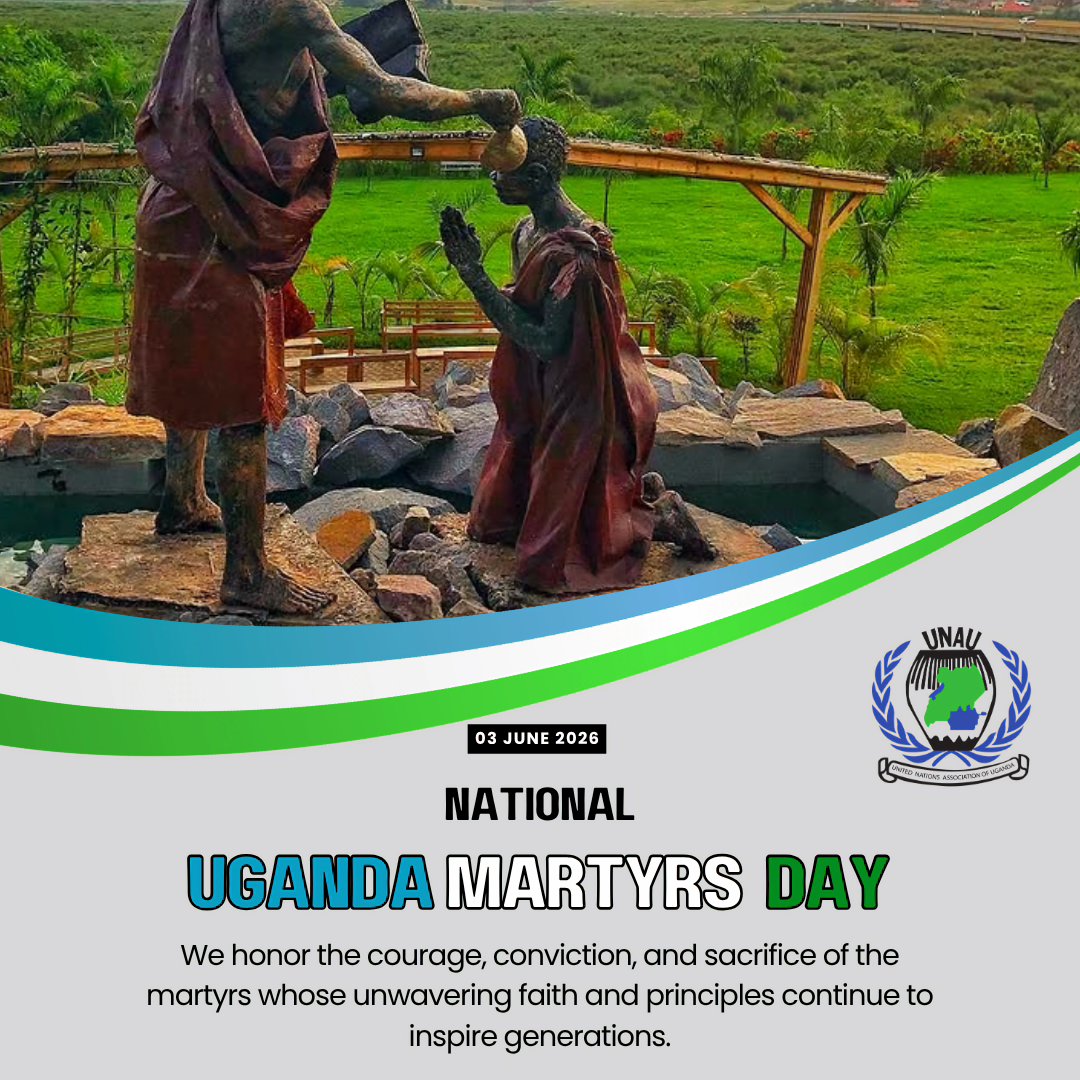
From the grounds of Munyonyo, where many began their final journey, to Namugongo, where they paid the ultimate price for their faith, the Uganda Martyrs left behind a lasting example of conviction, hope, and sacrifice.
Today, we remember their courage, honor their steadfast belief, and celebrate the legacy they entrusted to future generations.
As we mark this day, may we carry a prayer in our hearts and draw inspiration from their unwavering commitment to what they believed was right.
#UgandaMartyrsDay
That reminds us - did you read the April newsletter from our colleagues @icuddr ?
We are a main feature of that newsletter, from the opening page all the way to page 6!
Access it here today: https://t.co/2UEmRzljj6
#vision2030hab
Courtesy photo
Tomorrow 31st May is World No Tobacco Day, the Uganda Tobacco-Taxation Coalition stands united with the rest of the tobacco-control community to protect our people from the deadly grip of tobacco addiction. Tobacco use remains a leading cause of preventable diseases, placing an enormous financial and health burden on Ugandan families and our healthcare system. As we mark this day, our message is clear: increasing tobacco taxes is our most powerful weapon to save lives. #TaxTobaccoSaveLivesUG #WNTD #WorldNoTobaccoDay @MinofHealthUG@ntvuganda@ubctvuganda@nbstv
The Uganda Non-Communicable Diseases Alliance (UNCDA), in partnership with the Ministry of Health, invites you for the commemoration of the National Day of Physical Activity (NDPA) 2026.
📅 Date: Friday, 12th June 2026
📍 Venue: Gulu City
This year marks the 5th commemoration of this landmark national event since official launched by H.E. the President of Uganda on 8th July 2018.
Physical activity benefits everyone - regardless of age, sex, or health status. It boosts immunity, strengthens musculoskeletal fitness, and supports mental wellbeing.
🚌 TRANSPORT AVAILABLE
To reserve your seat with the UNCDA organized transport, submit the following by Monday, 8th June 2026:
✅ Name
✅ Organization
✅ Contact details (phone & email)
📧 Register at: [email protected]
⏰ Registration deadline: 8th June 2026
For inquiries call: +256 (0) 393 513 672
Spaces are limited — register early to secure your place!
On this #WorldNoTobaccoDay2026 , we join the rest of the world in the effort to #UnmaskTheAppeal - as the way of countering tobacco and nicotine addiction
Vapes, e-cigarettes, chewables, tobacco leaves, cigarettes, powdered tobacco et cetera all remain extremely hazardous to your health and the lives of other people near you.
To our governments, everywhere we are, we must put people’s health before profit.
#TaxTobaccoSavelivesUG
Poster credit: @WHO
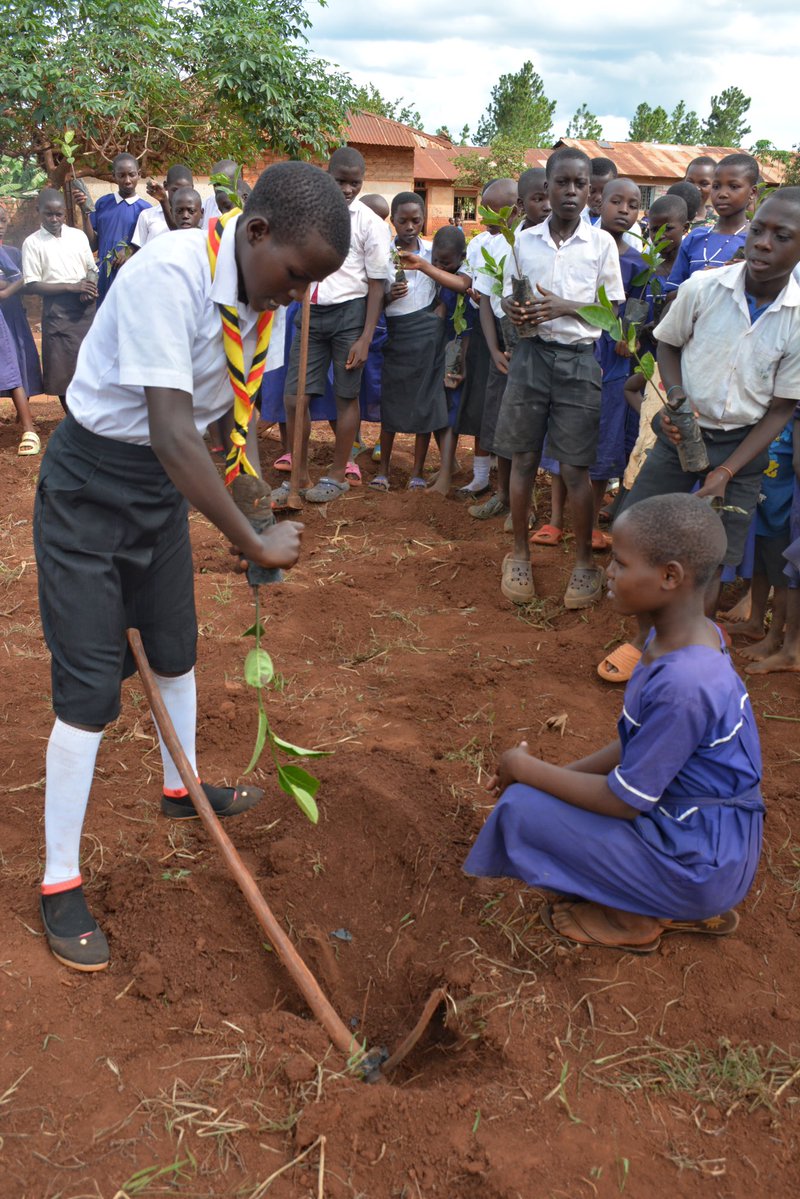
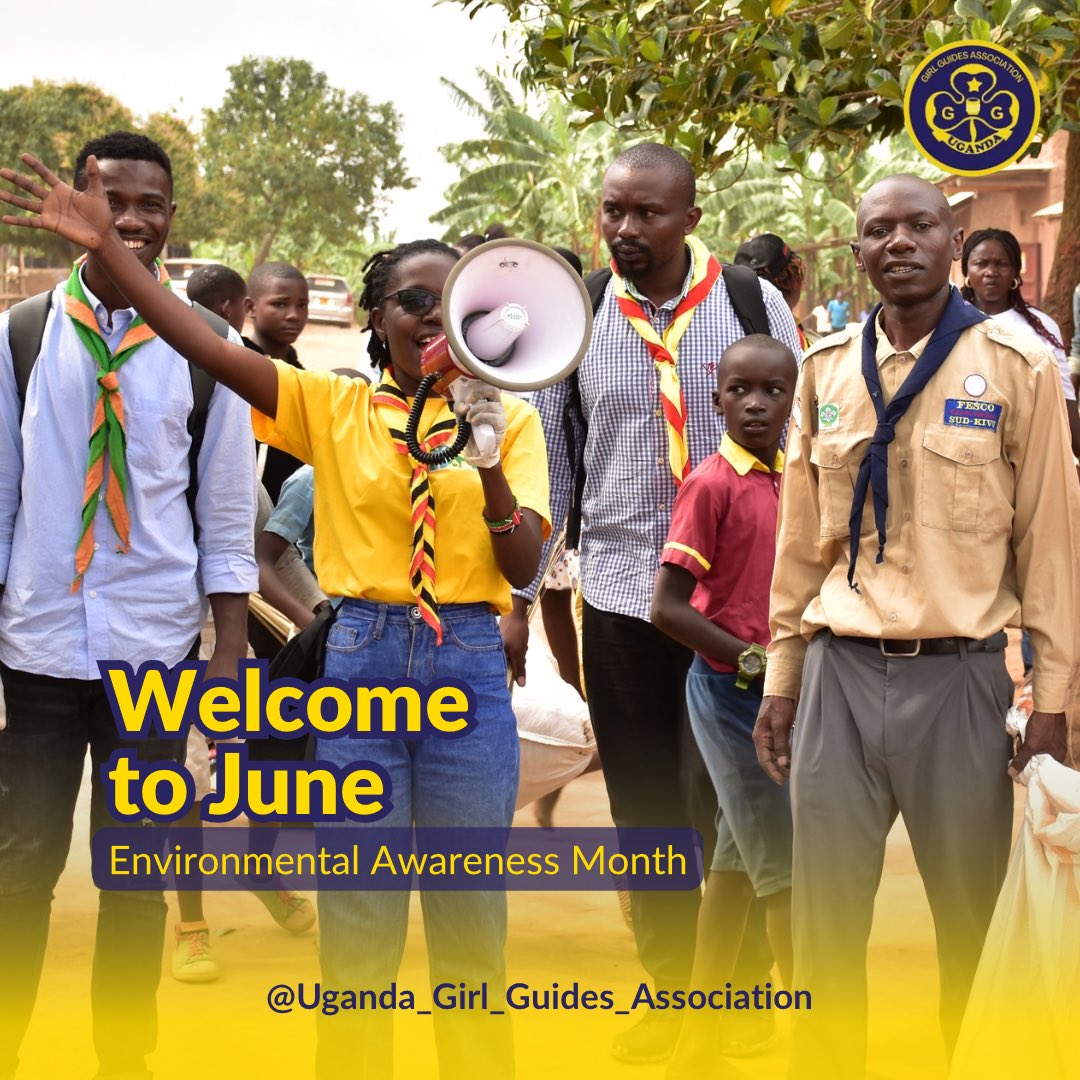
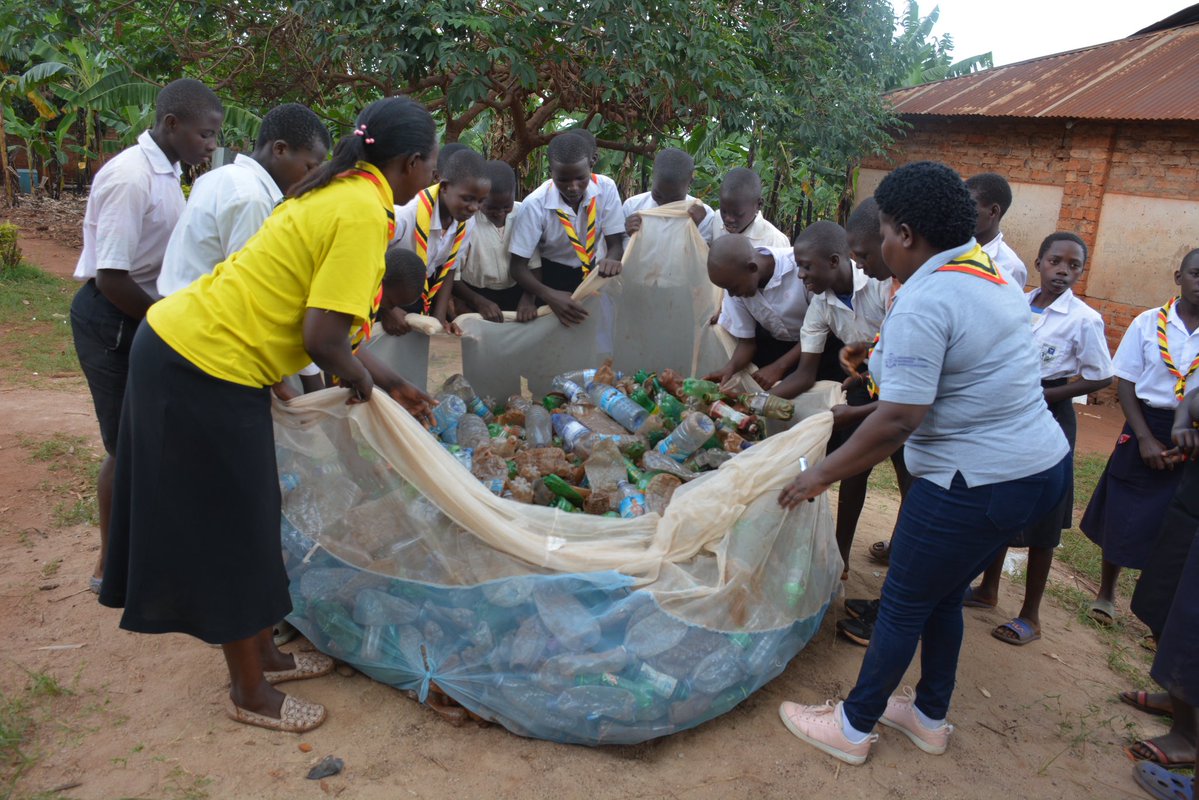
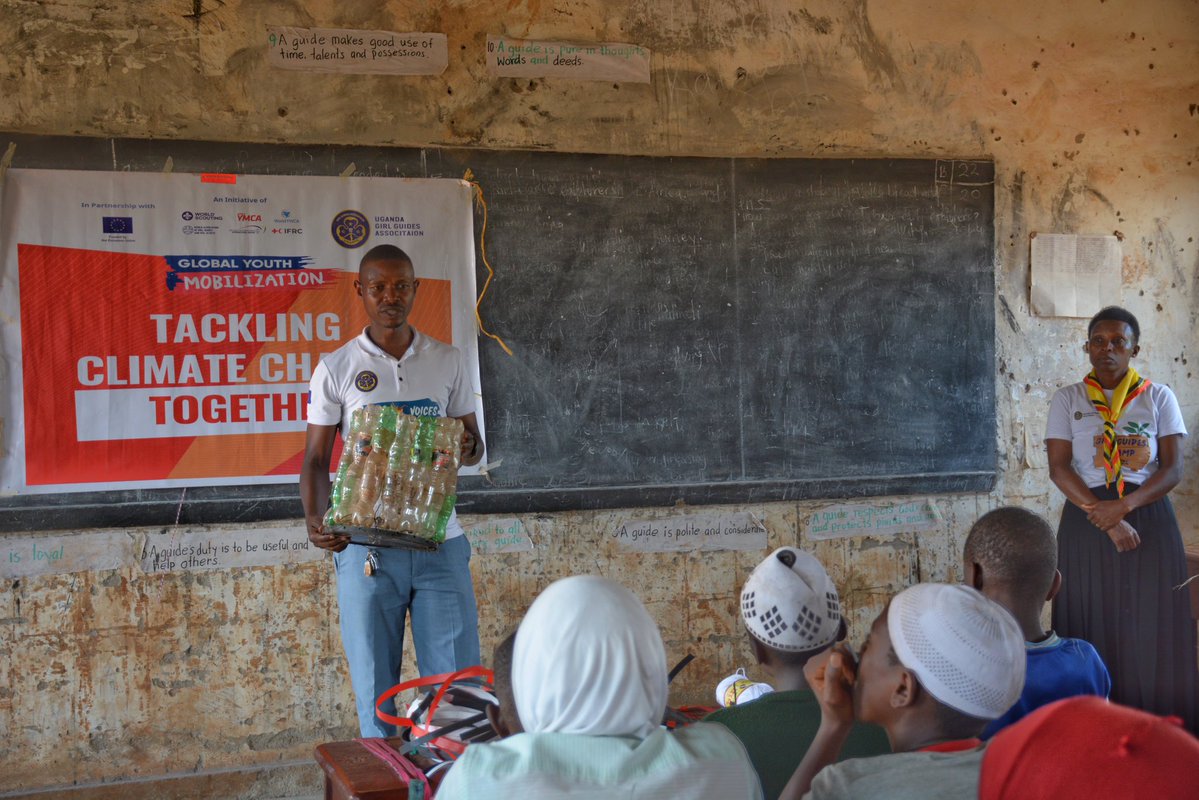
Knowledge without action can't save our ecosystems. From awareness creation in schools and communities, to reducing plastic waste and planting trees, environmental awareness starts with everyday habits. Small steps lead to big global impacts.
What change are you making today?
Communities are demanding action: increase tobacco taxes, invest in awareness, educate youth and support alternative livelihoods.
This #WorldNoTobaccoDay2026, we join the call to #UnmaskTheAppeal of tobacco and put people’s health before profit. #TaxTobaccoSavelivesUG
🚨 We’re BACK! The 4th National Prefects Conference 2026! 🚨
In commemoration of #WorldDrugDay, @DrugsHapana proudly present the 4th National Prefects Conference on 23rd July 2026 at Hotel Africana under the theme
“Stand Against Drugs, Choose Mental Health.”
#DrugsHapana
World No Tobacco Day (#WNTD2026 ) was observed globally yesterday, on May 31, 2026.
The theme was "Unmasking the appeal: Countering nicotine and tobacco addiction".
#DYK this?
#vision2030hab
Photo credit: @healthians
This World no tobacco day lets be reminded that the different flavoured and “good looking” vapes, e ciggarettes, chewable, tobacco, ciggarettes and all that comes out of that shisha pots are still tobacco and will definetely endanger your life. #NonCommunicableDiseasesAwareness
Eh eh eh....the food yesterday @UgGirlGuides almost finished me....atte nga I was there with @policyuganda , for very serious business to do with the #uapc26 ! 😂😂
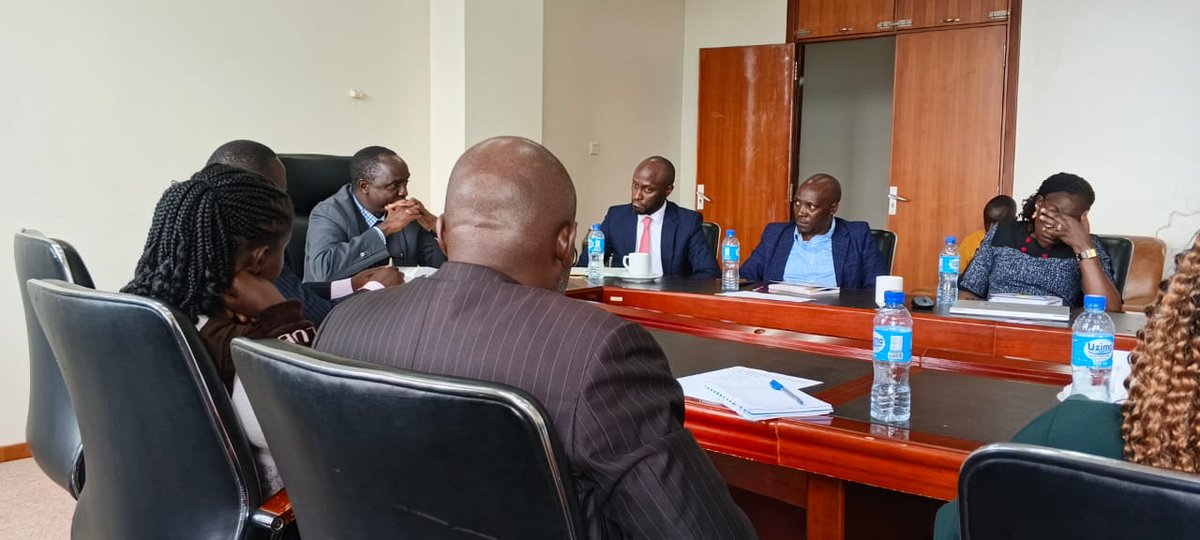
#ICYMI, a week ago, we (civil society - our Secretariat, @KwizeraChris8 , @AlfredJatho ), members of academia as well as respective @GovUganda bodies (@MoLGUganda , @MoWT_Uganda , @PresidencyUg , @OPMUganda, @MinofHealthUG et cetera) convened @OPMUganda .
This was our third convening as the various stakeholders with a part to play in the implementation of the National Alcohol Control Policy (#NACPOfUganda) . We mapped out our next steps including areas of responsibility for each stakeholder, timelines, what can be implemented as soonest as possible among others.
Amongst the key findings @NazMTumwesigye from @MakSPH shared in this meeting was this,
"Uganda’s economy is currently estimated at roughly US$64 billion nominal Gross Domestic Product but could be losing 1-5% annually according to @WHO estimates for all countries with high per capita alcohol consumption. This is US$ 640,000,000 at minimum (1%) and US$ 3.2Billion at high side (5%) - @WHO ".
Protecting Our Own Beyond the Profits; The National Duty of Alcohol Regulation!
The 3rd Multisectoral Meeting on Strengthening the Whole-of-@GovUganda Response to Alcohol Harm in Uganda was convened @OPMUganda on the 8th of April 2026.
Under the auspices of the Office of the Permanent Secretary, this meeting provided a platform for exchanging ideas among stakeholders on how best to address alcohol-related harm in Uganda.
Recognition and Concern:
We commended the Uganda Manufacturers Association (@newsUMA and partners) for their initiatives aimed at sustaining their progress.
However, as professionals working closely with individuals in recovery, we emphasize that ‘half measures avail us nothing!’ (@AlcoholicsAnony , 2001).
Self-regulation, while well-intentioned, often falls short of meaningful impact. For example, although regulations prohibit the sale of alcohol to persons under 18, this is just lip service, far away from actual practice.
Studies show that underage drinking is prevalent in Uganda, with children as young as 5 years gaining access to alcohol (Tumwesigye, 2024). Without robust enforcement, such measures remain symbolic rather than protective.
Misconceptions About Manufactured vs. Illicit Alcohol:
It is misleading to suggest that manufactured alcohol which accounts for about 30% of consumption is “safe,” while illicit alcohol (70%) is the sole challenge. Evidence indicates that all ethanol-containing beverages pose health risks, regardless of whether they are branded, taxed, or home-brewed (Niwagaba et al., 2026).
Furthermore, the definition of “illicit” is often confused. Much of what is categorized as illicit includes informal home brews such as muramba, kwete, and ajono, which are widely consumed but poorly regulated ((Niwagaba et al., 2026). This misclassification obscures the real risks and undermines effective regulation.
Workplace Policies and Public Responsibility:
Manufacturers of alcohol in Uganda themselves recognize the dangers of alcohol consumption in the workplace.
They enforce strict policies prohibiting employees from drinking during working hours or reporting intoxicated, acknowledging the productivity and safety benefits of a sober workforce (@iIo , 2019).
The same principle applies beyond the factory gates: employers, schools, and communities all benefit from sober individuals. Yet, with alcohol available 24/7, accessibility undermines these goals. Regulation is not prohibition; it is a safeguard.
Uganda’s Youth and the National Duty:
Uganda is widely recognized as one of the youngest nations in the world. With more than 70% of its population under the age of 30, making youth and children the majority demographic, (@StatisticsUg , 2024).
Uganda’s high NEET (NOT in employment, Education or Training) rate (50.9% of youth aged 18–30) is closely linked to rising alcohol use, with the country recording one of the highest per capita alcohol consumption levels in Africa.
This overlap suggests that widespread youth disengagement from education and employment; fuels risky behaviors, including alcohol misuse, which in turn worsens health, social, and economic outcomes, leaving them vulnerable to alcohol-related harm.
Comparative lessons from Kenya, Rwanda, South Africa, and Germany- home to @abinbev , show that strong regulatory frameworks can reduce alcohol-related harm (Kenya Law, 2022).
Uganda must urgently adopt similar SAFER measures to safeguard its youth and ensure sustainable national development. We have a mandate to protect Ugandans.
Regulation is not merely policy, it is a patriotic and moral obligation to safeguard our people, our future, and our nation!
Compiled By @MargaretNassan2 , our Coordinator.