Recent work with @AmroYorkU and collaborators now in pdf form. Analysis of a large cohort of colonies across Canada reveals strong links between late-season colony productivity and local land use. Many thanks to Amro, and the @BeesYork community, who were a blast to work with!
Researchers from @UMCES have released a first-of-its-kind study in @Nature, quantifying cropland phosphorus budgets around the world to help guide actions towards a more sustainable future. https://t.co/CwIQ2GGrio
Excited to be developing environmental DNA surveys for T&E pollinators. This summer, we surveyed for Central Appalachian Bombus affinis with a great team, Karen Goodell, @MCFitzpatrick, @FrostburgState and @UMCES_AL students. On to high conservation priority DoD sites in year two
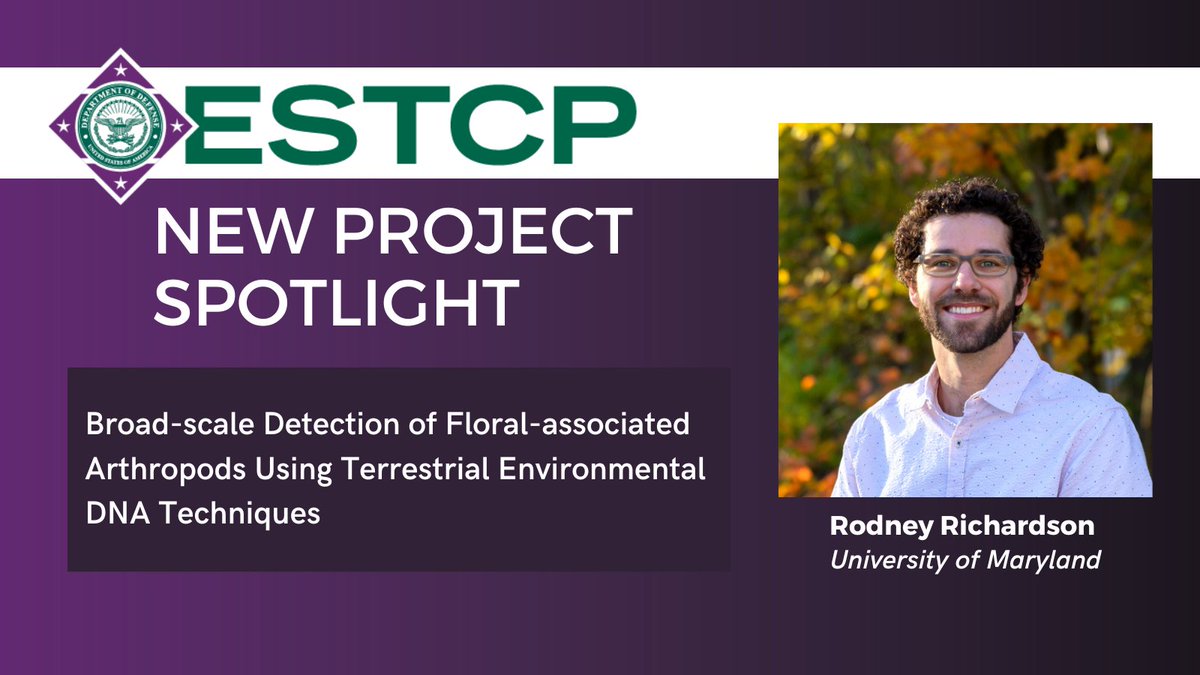
Under this new ESTCP project, Dr. Rodney Richardson at @UMCES and his team seek to optimize and demonstrate the capabilities of eDNA-based biosurveillance of floral-associated arthropods on DoD lands. https://t.co/aFN5yNpwKG
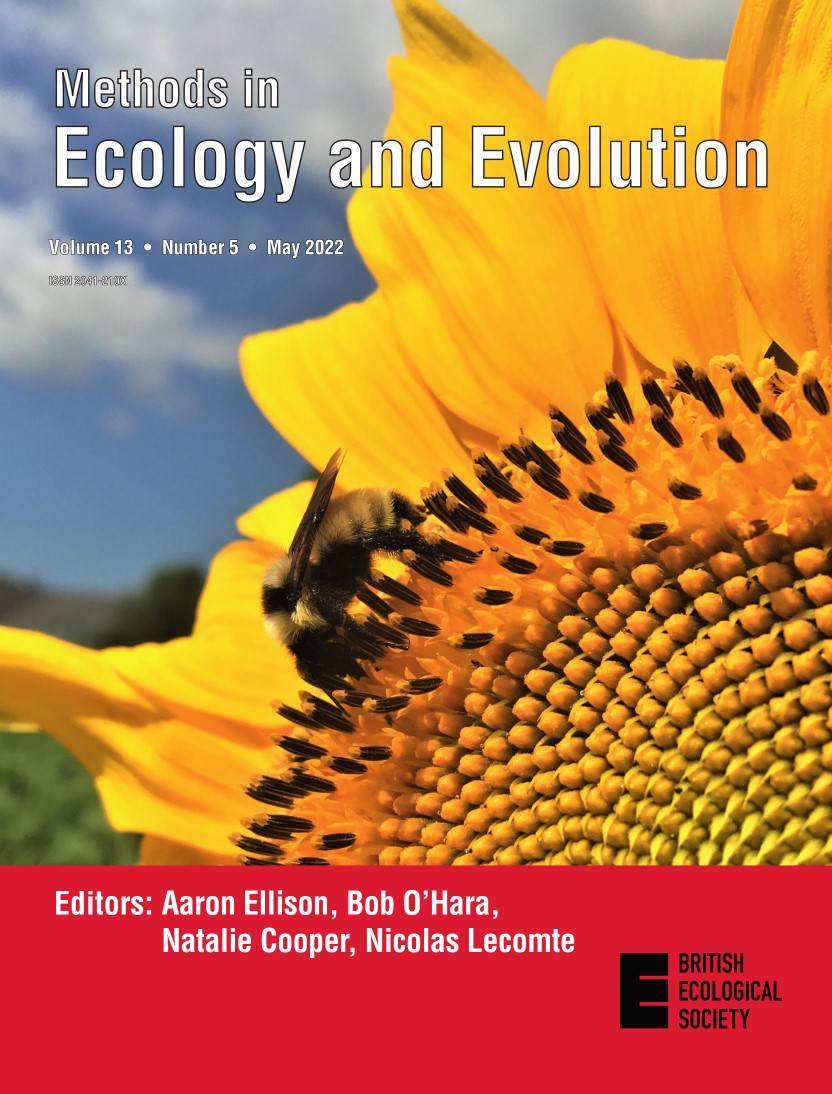
🐝Our May cover features a golden northern #BumbleBee foraging on a🌻Improved methods such as that presented in this issue by @pollentomophile, are needed to monitor the abundance and distributions of such important #pollinator species #WorldBeeDay2022📖https://t.co/qrDP7tuvT4
These methods should be particularly relevant for terrestrial and aquatic #eDNA applications, where target species are often detected at low sequence abundances within metagenetic data.
Interested in making ecological inferences from rare taxonomic units in #metagenetic and #metabarcoding data? Check out the cover article of this month's @MethodsEcolEvol issue for my perspective on limiting false discoveries while maintaining statistical power in the process.
📕 On the cover: a golden northern bumble bee forages on a sunflower. Improved methods, such as that presented in this issue by @pollentomophile of @UMCES_AL, are needed to monitor the abundance and distributions of such important #pollinator species
📖https://t.co/qrDP7tuvT4
From our Citizens Restoring American Chestnuts citizen science project to our research on red spruce adaptation to climate change, we love trees at the @UMCES Appalachian Laboratory and wish you a happy Arbor Day!
#ArborDay
Just under 20 days left to apply for one of several postdoc opportunities with @AmroYorkU. Can't go wrong with these, excellent advisor and @BeesYork research team! Toronto and Southern Ontario have a lot to offer as well!
It was on THIS Súper bowl Sunday that the real losers had to ditch their Venza at the bottom of an icy mountain pass & get a ride home from strangers. I can’t handle the excitement! Will we be able to recoup the car soon?? Stay tuned...
Inadequate regulation regarding neonicotinoid seed treatments is one important aspect of this topic. Another is that corn/soybean farmers rarely benefit from their use. Certainly begs the question why they're used on nearly all field corn and the majority of soybeans in the US.
Come join our group! We are recruiting a graduate student to study how habitat management influence native bee communities! Research locations are National Parks properties in MN and IA.
https://t.co/F6fRrnkTrO
In case anyone missed it, here's an excellent recent publication by @acdemery and @MoniquePipkin that explains some of our reasons for getting these vests: https://t.co/8LvgUyPchI
@Harpur One of my personal favs is using Borax detergent for DNA gels. Cheaper, easier to prepare and allows you to electrophorese at higher voltage. https://t.co/ca2wPhpWn4
Can confirm, you can't go wrong with advice from @RachaelEBee. If you're interested in a graduate opportunity that mixes molecular ecology and pollinator research, send a message!
Interested in a grad program studying #bees? Check out @pollentomophile’s lab! And if you’re at #EntSoc20, check out his talk on how honey bee colony productivity correlates with land use in Canada! 🐝