@remittix The most likely thing Remettix will do on September 15th: 1. Delay the delivery, giving a technical or legal excuse. 2. Invent an extra charge ("wallet activation fee," "gas to claim tokens"). Less likely (but possible): an immediate rug pull, closing channels on the same day.
@mreyesn@EnsedeCiencia Gracias por evitar el horrible clickbait que ya muchos es lo único que hacen, a parte de poner el contenido importante hasta el fondo del artículo sólo para ganar scroll.
The Olmec civilization, one of the oldest known civilizations in Mesoamerica, thrived in what is now modern-day Mexico from approximately 1200 BCE to 400 BCE. The Olmec people were highly skilled in agriculture, trade, and the arts, and their cultural and artistic influence had a significant impact on later civilizations in the region, such as the Maya and Aztecs.
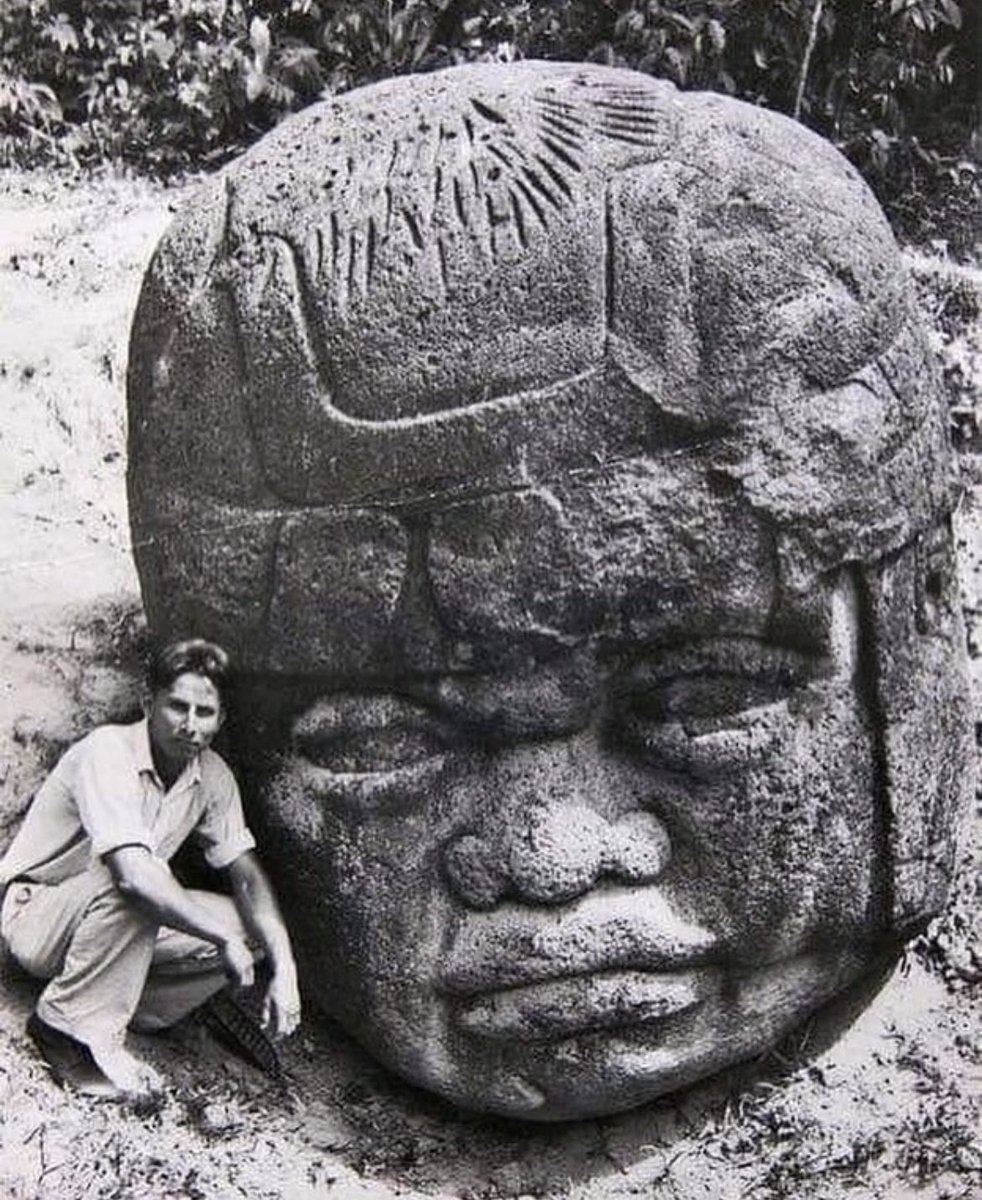
One of the remarkable archaeological discoveries associated with the Olmec civilization is a collection of colossal stone heads. These monumental sculptures, carved from basalt, depict human heads and are considered masterpieces of Olmec art. There are a total of 17 known Olmec colossal heads, and each one is believed to represent a specific individual, possibly a revered leader or ruler.
These colossal heads were discovered at various Olmec sites in southern Mexico, including La Venta, Tres Zapotes, and San Lorenzo. They were unearthed by archaeologists during excavations carried out in the 20th century, shedding light on the Olmec civilization and its artistic achievements. The heads are believed to have been created around 900 BCE, making them over 2,900 years old.
The Olmec colossal heads are characterized by their large size, with some reaching heights of up to 9 feet (2.7 meters) and weighing several tons. The sculptures display distinct facial features, including broad noses, full lips, and elongated earlobes, which are thought to represent significant traits or characteristics of Olmec rulers or nobility.
These colossal heads provide valuable insights into Olmec society, their political structure, and the importance of rulership and leadership in their culture. They also showcase the artistic skills and craftsmanship of the Olmec people, as the creation of such massive stone sculptures required sophisticated tools and techniques.