The Congress-Left alliance with TVK is described as “compelled by political necessity.”
Can a single piece of analysis under this journalist’s byline be cited that interrogated the DMK’s decade-long alliance with the Congress and the Left with the same forensic skepticism?
Was that alliance ever termed a “strange bedfellow” arrangement in this columnist’s work, or was it consistently celebrated as a secular front? If the latter, why is a secular arrangement treated as virtuous under DMK leadership but cynical when TVK governs with Congress and Left support?
The disparity in scrutiny demands an answer.
#StrangeBedfellows #SelectiveScrutiny
#MediaAccountability
#SecularFront
#Tamilnadu #CJVijay
The Congress-Left alliance with TVK is described as “compelled by political necessity.”
Can a single piece of analysis under this journalist’s byline be cited that interrogated the DMK’s decade-long alliance with the Congress and the Left with the same forensic skepticism?
Was that alliance ever termed a “strange bedfellow” arrangement in this columnist’s work, or was it consistently celebrated as a secular front? If the latter, why is a secular arrangement treated as virtuous under DMK leadership but cynical when TVK governs with Congress and Left support?
The disparity in scrutiny demands an answer.
#StrangeBedfellows #SelectiveScrutiny
#MediaAccountability
#SecularFront
#Tamilnadu #CJVijay
There’s a particular kind of essay where a pontiff insists Murugan & Subrahmanya are the same “always were” and anyone who disagrees was fooled by “Western mischief.”
Sounds reverent. But historically It’s like claiming your grandmother & your neighbor’s grandmother are the same woman because they both make good sambar.
The original essay spends paragraphs defending the idea that gods are “born from wombs” as not ignominious. But it addresses the wrong dispute.
Problem: no one in the Tamil tradition was making that objection.
The God emerges from Fire. Sparks from Shiva’s eye.
Tamil has a word for this: Unnamulaiyal — “she of the breast that never nursed.”
They refuted a straw man. The fire-birth was not in dispute.
The essay assumes Tamil grammar = derivative gift from Agastya/Sanskrit.
But the Tolkāppiyam (500 BCE–200 CE) is a masterpiece of independent linguistic analysis.
Colonial scholars claimed its case system imitated Pāṇini’s 8-case Sanskrit.
But - you know what?
Tamil’s case system is Functionally Infinite, while Sanskrit rigidly sticks to 8 cases. Tamil uses agglutinative suffixes that stack and multiply indefinitely.
Forcing Tamil into the 8-case Sanskrit mold isn’t scholarship — it’s Procrustean hackwork.
The two systems differ at their foundational levels.
The Vedas were deliberately not written down for millennia (eḻutāk kiḷavi — “unwritten speech”).
Meanwhile, Tamil had a written grammatical tradition (Tolkāppiyam) before most Vedic recensions were ever fixed in script.
Who borrowed from whom, again?
Native Tamil has strict rules:
No word-initial consonant clusters (sk-, st-, pr-)
No voiced stops at the start
No aspirates (gh, bh, dh).
Guess what starts with sk-? Skanda.
You cannot construct this word inside native Tamil phonotactics. It is structurally impossible.
Murugan sails through. Born there. Skanda is the immigrant. Muruhan is the native.
The six faces (Āṟumukham) match the six brightest stars of the Pleiades (Kārttikai constellation). The god was raised by six Kārttikai mothers — hence Kārttikeyan.
This is astronomical observation, not Puranic invention.
The number six — in its cosmic sense — is not a “Northern import.” The Pleiades are in the sky for everyone. Tamils were watching them first.
The six Padai Veedu temples? Ancient Tamil foundations — built by Pandyas, Cheras, Cholas. Tamil kings. Shaiva faith. Murugan’s heartland.
But the formal six-temple pilgrimage circuit was codified by the Amaranayaks, Telugu-speaking mostly Vaishnavite tax collectors from Andhra. Not Tamil. Not Shaiva.
They renovated, expanded, and beautified. They didn’t originate.
Using a medieval Telugu Vaishnavite administrative circuit to prove “Tamil Vedic origins” is anachronistic.
The temples are Tamil. The circuit is not. The stars are older than both.
The Tolkāppiyam — Tamil’s Actual Foundational Grammar — Never Mentions Agastya.
Neither does early Sangam poetry.
The Agastya connection appears only in medieval commentaries — centuries after the grammar was written.
The legend came later. The grammar came first.
Tamil doesn’t need Agastya’s signature, Sanskrit’s 8-case system, or Subrahmanya’s northern paperwork to be legitimate.
It has:
A grammar that rivals Pāṇini’s and predates the written Vedas.
A phonology that rejects Skanda on sight.
A six-faced god linked to the Pleiades — indigenous cosmic mapping.
Classical status earned on its own merits. (2004)
This is not a culture asking for a seat at the table.
This is a culture whose table other people later pulled a chair up to.
Tamil was not borrowed into legitimacy. It already possessed it.
The later Sanskritic framework didn’t invent Murugan; it adapted an older, autonomous, celestial Tamil god into a broader continental dialect.
Full essay on Substack below.👇
https://t.co/HzH6LZk8GM
#Tamil #Murugan #Skanda #TamilHistory
---
Source: Chandrasekharendra Saraswati (Kanchi Paramacharya),
"The One Who Keeps Alive the Vedic Way," in Deivathin Kural.
(Voice of God), pp. 455–457. English translation via
Vanathi Pathippagam, Chennai.
In January 2025, Tamil Nadu had 585 All-India Service officers working in the state.
This group includes 343 Indian Administrative Service (IAS) officers and 242 Indian Police Service (IPS) officers.
The Constitution requires two officers from other states for every officer from Tamil Nadu.
Most officers come from other states.
The Dravida Munnetra Kazhagam (DMK) has expressed concerns regarding the appointment of private advisors in place of Indian Administrative Service or Indian Police Service officers.
These concerns should be addressed separately.
A reference graphic is included. Source: Ministry of Personnel, Government of India.
The Supreme Court ruled 6-3 to uphold birthright citizenship. This decision directly impacts NRI families on H-1B, L-1, or F-1 visas, as well as those awaiting green cards. This article outlines the ruling, explains why legislation alone cannot alter this precedent, and details key considerations for NRI families. For a comprehensive analysis, refer to the full report on Substack. 👇
https://t.co/9OapPCDQBt
#BirthrightCitizenship #NRI #IndianDiaspora #SCOTUS #H1B #ImmigrationLaw #TrumpvBarbara
CBSE’s circular quietly reclassifying Kannada as a “third language” (R3) is not a mere administrative oversight; it directly contravenes the Kannada Language Learning Act, 2015. The Act is unequivocal: Kannada must be designated as either the first or second language for children in Karnataka.
This issue extends beyond the allocation of syllabus slots. It concerns whether a central board possesses the authority to unilaterally downgrade a State’s official language through a bureaucratic directive. If Delhi-based boards can enact such changes via circular, the principle of federalism becomes merely symbolic.
Private schools cite “confusion,” yet the law has been in effect for nine years. Issues related to admissions and staffing could have been addressed by 2016. The primary objection is not logistical; it is resistance to teaching Kannada.
This pattern is familiar: institutions in Hindi-speaking regions often treat regional languages as optional, while Hindi receives default protection nationwide. NCERT and CBSE are accountable to Delhi, not Bengaluru. This is not about accommodating migrants; it reflects a central hegemon treating State legislatures as secondary.
Terms such as “transitional policy,” “abeyance,” and “harmonization” can function as stall tactics. Delays become the norm, ultimately eroding protections. This linguistic pattern has previously contributed to the dismantling of regional safeguards.
Admittedly, staffing shortages, mid-year transfers, and finalized admissions are valid ground-level headaches. However, these issues can be addressed through accommodations within the L1/L2 framework, such as exemptions for genuine exceptional cases, rather than suspending the entire statute. Karnataka can be flexible. It does not have to surrender.
To fellow South Indian States: observe this situation closely and be prepared to resist if needed. If CBSE can override Karnataka’s Official Language Act via circular, then the linguistic rights of all States are at greater risk. Be ready to act. This is the canary.
To the Union Government: while education is a concurrent subject, language policy within a State for its children remains the State’s sovereign legislative domain. The Union government may facilitate logistics, but it cannot override legislative will. Defending this Act is not parochialism; it is defending the constitutional right of every linguistic State to determine its own cultural future. Hold the line, Karnataka. Federalism depends on it.
https://t.co/4Ty6j3aoi7
#Kannada #Federalism #ConstitutionalRights #LinguisticNationality #RespectStateLaws #CBSE #Karnataka #OneIndiaManyLanguages #SaveRegionalLanguages #SouthIndia
ஆழ்ந்த இரங்கல்கள்!
விஸ்கோஸ் வீராங்கனை என ஈரோடு மருத்துவர் தோழர். ��ீவா அவர்கள் அழைத்ததாக நினைவு? நதிக்கரையில் இருந்து 5 கிமீ தொலைவிற்குள் இரசாயன கழிவினை (cancer causing hazardous carcinogenic wastes) வெளியேற்றும் எந்தவோரு தொழிற்சாலையும் இயங்க அனுமதிக்கக் கூடாது என்ற சட்டத்தை (G.O) இயற்ற போராடி வந்தவர், இயற்கையுடன் இணைந்து கொண்டார். 🙏🏼
அனுமதி இன்றி விடுப்பு எடுத்த மருத்துவர்களின் எண்ணிக்கை 1420 என்று இன்றைய தினம் தமிழ்நாடு அரசு தெரிவித்து உள்ளது. இத்தனை நாட்களாக வெளி வராத இந்த மொத்த எண்னிக்கை உண்மை இன்று வெளி வந்துள்ளது.
இந்த பிரச்சனை முதலில் வெளிவருவதற்கு மிக முக்கியமான காரணம் திரு தினகரன் ராஜாமணி @thinak_ பத்திரிக்கையாளர். இவர் 2023 மற்றும் 2024 ஆம் ஆண்டு 20 கல்லூரி மற்றும் மருத்துவமனைகளில் அனுமதி இன்றி ��ிடுப்பு எடுத்த மருத்துவர்களின் எண்ணிக்கையை வெளியிட்டு தொடர்ந்து நடவடிக்கை கோரினார்.
அதை தொடர்ந்து அறப்போர் இயக்கம் மேலும் கூடுதல் RTI ஆதாரங்களுடன் கடந்த 22.06.2026 அன்று தமிழ்நாடு முழுவதும் சுமார் 229 அரசு மருத்துவர்கள் மற்றும் அரசு மருத்துவப்பேராசிரியர்கள், நெடுங்காலமாக பணிக்கு வரவில்லை என்ற விவரங்களை வெளிப்படுத்தியிருந்தோம்.
RTI மூலம் கிடைக்கப்பெற்ற இந்த தரவுகள் குறைவுகள் என்றும், முழுமையான விவரங்கள் அரசு வெளியிட வேண்டும், அதே போல் மருத்துவர்களை அரசுப்பணிக்கு திரும்பவைக்க முயற்சி செய்ய வேண்டும், இல்லையேல் சட்டநடவடிக்கை மேற்கொள்ள வேண்டும். அரசின் இழப்புத்தொகை மீட்கப்படவேண்டும் என கோரியிருந்தோம்.
27.06.2026 இன்றைய தினம் தமிழ்நாடு அரசு இதுகுறித்த முதல் கட்ட தகவலை வெளிப்படுத்தியிருக்கிறது. அதில், இது வரை தன்னிச்சையாக பணிக்கு வராமல் இருக்கும் மருத்துவர்களின் எண்ணிக்கை 1420 என்றும், ஒழுங்கு நடவடிக்கை இறுதி ஆணை 680 நபர்கள் மீது பிறப்பிக்கப்பட்டு உள்ளது என்றும் , தொடர் நடவடிக்கையில் 740 நபர்கள் மீத��� இருப்பதாகவும் தெரிவித்துள்ளது.
இத்தனை ஆண்டுகளாக வெளியில் வராத இந்த எண்ணிக்கையை வெளியிட்டதை வரவேற்கிறோம். மருத்துவர்கள் மற்றும் மருத்துவப்பேராசிரியர்கள் பட்டியலை, புகைப்படத்துடன், Service Bond, Bond Liability, Recovery Status, Disciplinary Proceedings Status போன்ற விவரங்களையும் பொதுமக்கள் பார்வைக்கு இணையதளத்தில் வெளியிட கேட்டுக்கொள்கிறோம்.
இந்த செய்தியை மக்கள் மற்றும் அரசின் பார்வைக்கு கொண்டு சென்ற அனைத்து தன்னார்வலர்களுக்கும் நன்றி!
அறப்போர் தொடரும்!
@teakkadai1 தொட்டிக் கட்டி (Courtyard) வீடுகளைப் பற்றி சொல்ல வருகிறீர்கள் என்று நினக்கிறேன்? பாரம்பரியமான வில்லையோடுகள், திறந்தவெளி நடுவாசல், காற்றோட்ட சூழலுக்கான சாரளம், முற்றம், நடைவாசல்களுடன் அமைந்திருக்கும்.
A legend signs out, but the influence stays logged in.
K. Bhagyaraj didn’t just make films — he built a whole cinematic operating system.
Dialogue timing? Elite.
Middle‑class storytelling? Untouchable.
He turned everyday life into culture, and culture into memory.
Rest easy, sir — your cinema stays evergreen.
🙏 #KBhagyaraj #TamilCinema #OGStoryteller
Dear Indians, defend our civilizational history with facts. Wherever the history of the Indus Valley Civilization is discussed, ensure India's historical and cultural connections are accurately represented. Stay informed, cite reliable sources, and counter misinformation with evidence. Protect our heritage with knowledge and conviction.
A particular group of academics has, over several decades, used institutional authority to marginalize Tamil heritage while presenting an appearance of neutrality. This is not genuine scholarship; it is a conflict between material evidence and ideological interpretation. Let the artifacts direct the analysis toward empirical data, not political ideologies.
The accusation of "Western bias" is often deployed against foreign Indologists like Asko Parpola. When a Finnish scholar, using epigraphy and comparative linguistics, identifies a Dravidian substratum in the Indus Valley Civilization (IVC), critics must meet the burden of proof. What empirical or archaeological data counter Parpola���s synthesis? Without new excavation data, such assertions carry zero weight in material science.
Geography alone challenges the Aryan/Vedic import narrative. The distribution of the Indus Valley Civilization (Sindh, Gujarat, UP, Balochistan) overlaps physically with the Brahui Dravidian linguistic enclave. More tellingly, the fauna depicted on seals—tigers, elephants, and gharials—are endemic to South Asia. Because the ecosystem represented is exclusively tropical and indigenous, it is biologically implausible that steppe pastoralists introduced these elements.
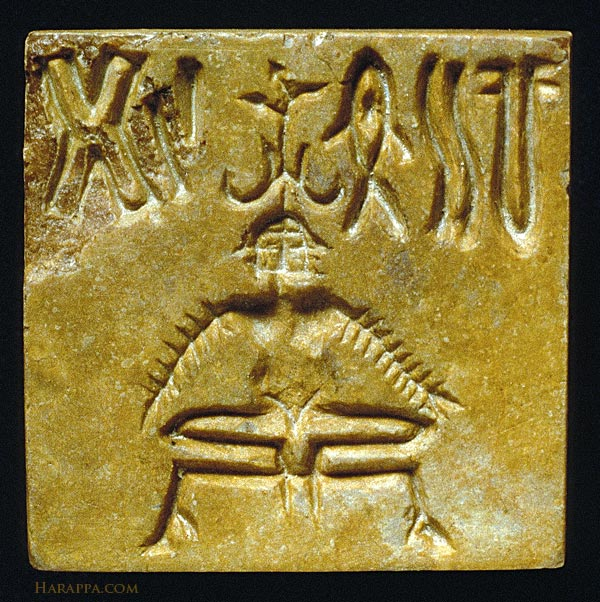
The "Pasupati" throne, characterized by hoofed legs and sometimes attributed to Mesopotamian influence, warrants closer examination. Mesopotamian royal iconography is saturated with lions, lion-bull combats, and leonine motifs, yet lions are completely absent from IVC portrayals. Instead, the throne is structurally built with Water Buffalo legs, a distinctly South Asian bovine form. Because the visual evidence contrasts with Mesopotamian motifs, it points toward local adaptation rather than foreign importation.
Characterizing this debate as a "Tamil vs. North" conflict is a deliberate red herring designed to derail rigorous investigation. Accepting that binary inherently undermines genuine inquiry. The only relevant dichotomy in archaeology is between material evidence and ideological interpretation. Let the physical remains guide the conclusions, not ethnic or political affiliations, and keep the hierarchy of evidence explicit.
The representations of hoofed thrones, gharial deities, and Mulabandhasana posture are permanently inscribed in terracotta and steatite artifacts. These excavated materials provide compelling evidence for an indigenous, Dravidian-antecedent civilization. Because this evidence is carved into the archaeological record itself, historical interpretations must rest on stratigraphy and iconography rather than political propaganda.
#IVC #IndusValley #TamilHistory #Archaeology #Parpola
Throne of Hoofed Legs in IVC seals
----------------------------------
A famous seal of the entire IVC is "Pasupati" seal, M-304. It is having human legs in the Mulabandhasana posture. Some have written about Mesopotamian divinities having hoofed legs, linking to lion-bull combat scenes of Mesopotamia. But the lion is totally missing in IVC portrayals, and also no lion-bull combat scenes in IVC. Instead of the bull, Pasuputi is wearing wild buffalo horn. The divinity is surrounded by four wild animals (buffalo is just one among the four), likely representing 4 quarters/directions.
In some seals he is sitting in the Mulabandhasana on a throne of buffalo/bison legs. The feet of the throne are carved with the hoof of a bovine as is seen on the bull and unicorn seals.
https://t.co/jitLZQETi8
The throne of hoofed legs is well explained by Asko Parpola.
(1) Deciphering the Indus script, 1994: Page 250:
(a) "Fig. 14.I6. A seal from Mohenjo-daro (M-1181) with a multifaced anthropomorphic god squatting on a throne that has hoofed legs. This so-called 'yoga' posture may simply imitate the Proto-Elamite way of representing seated bulls (fig. 14.15). The deity's arms are both full of bangles; the crown on the head has buffalo horns and a fig branch."
(b) "Fig. 10.10. Impression of an Indus-style cylinder seal of unknown Near Eastern origin. Musee du Louvre / AO (Collection De Clercq 1.26). One of the two anthropomorphic figures carved on this seal wears a crown of water buffalo horns with the leafed branch of a fig and sits on a throne with hoofed legs , surrounded by a pair of horned snakes, a pair of fishes and a pair of water buffaloes . The other figure stands, fighting two tigers, and surrounded by trees, a markhor goat and a vulture above a rhinoceros."
(c) "Fig. 10.11. One side of a triangular terracotta amulet (Md 013) found from the surface at Mohenjo-daro in 1936, showing a horned deity sitting in 'yogic' posture on a throne with hoofed legs, surrounded by fishes, gavials and snakes. Department of Eastern Art, Ashmolean Museum, Oxford."
------------------------------------
(2) "Religion reflected in the iconic signs of the Indus script: penetrating into long-forgotten picto+graphic messages," in Visible Religion, Vol 6, 1988.
"b: Impression of an Indus-style cylinder seal of unknown Near Eastern origin in the Musée du Louvre, Paris: Collection de Clercq 1.26. One of the two anthropomorphic figures carved on this seal wears the horns of the water buffalo while sitting on a throne with hoofed legs, surrounded by snakes, fishes and water buffaloes. Copyrighted photo by M. Chuzeville by courtesy of the Département des antiquités orientales, Musée du Louvre.
c: One side of a triangular amulet from Mohenjo-daro, showing a horned deity sitting in ‘“‘yogic’’ posture on a throne with hoofed legs, surrounded by fishes, gavials and snakes. Surface find made in 1936, now in the Ashmolean Museum, Oxford. Copyrighted photo by courtesy of the Ashmolean Museum."
The divinity in M-304 is a crocodile deity (Pole Star) and has a sign in the Indus script. Pasupati/Mrgapati has an equivalent double, the crocodile (gharial).
Indus Creation Mythology in the Iron Age Tamil Nadu:
https://t.co/PKSTLU1TnX
Indus-Vāṉi Civilization religion and astronomy:
https://t.co/oKETabbmUI
Mulabandhasana is seen in divinities for 3000+ years:
(a) "Fig. 14.I6. A seal from Mohenjo-daro (M-1181) with a multifaced anthropomorphic god squatting on a throne that has hoofed legs. This so-called 'yoga' posture may simply imitate the Proto-Elamite way of representing seated bulls (fig. 14.15). The deity's arms are both full of bangles; the crown othe head has buffalo horns and a fig branch."
The gharial connection to Pasupati and the tiger goddess is not spoken or known well in social media.
Dr. N. Ganesan
Appreciate you asking for hard facts. The proof is in 19th-century colonial census records: ~80% of Sati victims in Bengal were Brahmin & other so-called upper-caste groups. The Sudra castes and the Avarna groups were ritually excluded by Brahmins for lacking "purity." Its core function was preventing upper-caste widows from inheriting land.
Just the data, no narratives. https://t.co/bMqJRX71XL
Forget the Tamil Nadu vs Karnataka state govt narratives, this is a national political chess game.
The BJP at the Centre and the Congress in Karnataka are playing their own biased cards, not neutral arbiters.
What does the May 17 movement & Thirumurugan Gandhi say that cuts through the noise? This clip has the answers.
Watch here: https://t.co/lLwxUQDFEv
#CauveryWaterDispute #Mekedatu #TNvsKA #IndianPolitics
@realyssharmila His personality was towering enough to define an era, and his pro-poor governance (Aarogyasri, health scheme, etc.) made him one of the most influential Chief Ministers the state (dare I say, the country) has ever seen.
You laid out the map.
The Battle of the Ten Kings.
Fought over/with zebu cattle.
Your Aryan ancestors at war.
You named your own trap.
Kali => Mahakali; Kala => Mahakala,
All roots of Time. All roots of Death.
Who carries Time? Who carries Death?
You call the buffalo a demon. Your Puranas say so.
But you seat it beneath the Lord of Justice.
You sacrifice it to Kali. The dark goddess.
But you export its flesh. Billions worth.
You worship the fair zebu bull.
But you depend on the dark buffalo.
For your economy. For your milk. For your strength.
This is the contradiction you live with.
The buffalo is Kala. Time itself.
You cannot conquer time.
You cannot export time.
You cannot demonize time.
The buffalo is unstoppable.
Indigenous engine of this land.
Your myths tried to kill it.
Your rituals bow in secret.
You spent millennia trying
To erase our dark gods. To erase our dark beasts.
But they remain. Time is on our side..
That is why the buffalo endures...
_______________________________
In the Ṛgveda, the Asuras are not demons.
They are the Anu. The Anavas.
And once you see this, the entire Indo-European story realigns.
In the Ṛgveda, the great civilizational divide is not “good vs evil”.
It is Anu vs Puru.
The Devas are the ancestral gods of the Puru / Pauravas.
They are the Ādityas, sons of Aditi, the mother of the gods, working under Tvāṣṭar, the divine architect.
Tvāṣṭar is not a marginal figure.
In the Ṛgveda he appears repeatedly as father-in-law to major god's wives, linking lineages.
He is the god of craft, metallurgy, design, and construction, the civilizational signature of the Harappan–Sarasvatī–Sindhu world of North-West India.
On the other side stand the Anu / Anava.
The Ṛgveda describes them with remarkable precision:
Anindra – those who reject Indra
Avrata – those who do not follow Vedic ritual norms
Vadhri-vācāḥ – those who speak different dialects
Not barbarians.
Linguistic cousins.
Proto-Avestan and other early Indo-European speech forms.
This is why the Anavas are consistently hostile to Indra because Indra is the tribal god of the Purus.
Now pause here.
The Anu are not a minor Vedic clan.
👉 Anu is the supreme god of the Sumerians.
That is not coincidence.
From the Anavas emerge two great branches remembered in Itihāsa-Purāṇas:
Daityas
Dānavas
The Daityas correspond to proto-Iranians.
Their sacred river is named Daityā in the Avestan text Vendidad —identified with the Jhelum.
The Dānavas correspond to proto-Greeks, Albanians, and wider Europeans.
Their sacred river is Danu, preserved as Danube, Don, Dnieper, and more.
Even Greek memory is explicit.
The heroes of the Iliad and Odyssey trace themselves to the Danaans.
And Ireland?
The Irish gods trace their divine ancestry to Danu, their great grandmother goddess.
Now return to the Ṛgveda.
Here, Dānu does not mean a demon queen.
It means dew, ice, flowing waters, rivers born from Himalayan glaciers.
Sapta Dānu = Seven Rivers = Sapta Sindhu.
Only later, in the Itihāsa-Purāṇas, do we see a theological reshuffle:
Aditi, Diti, and Danu are turned into wives of Kaśyapa Prajāpati.
But Kaśyapa is a Late Ṛgvedic figure, prominent mainly in the Late Ṛgveda, associated with Kashmir-region Ṛṣis.
The very concept of Prajāpati itself emerges only in the 10th Maṇḍala.
In effect: 👉 The cosmic role of Ṛgvedic Tvāṣṭar is retro-assigned to Kaśyapa.
👉 Older civilizational memory is reorganised into later genealogy.
So what we are seeing is not mythology, but layered historical memory:
Puru vs Anu
Indra-worshippers vs Indra-rejecters
Indo-Gangetic ritual core vs outward-moving Indo-European branches
Read literally, you get demons and gods.
Read historically, you get the Indo-European split preserved inside the Ṛgveda.
If this perspective is new to you, say YES in the comments.
If you want a deep dive into Anu > Danu > Daityas & Dānavas, react 🔥
If this reframes Indo-European history for you, share & retweet.
More threads coming, if people want them.
Actions speak louder than words!
Absolute clarity in governance.
CM @VijayOfficial delivers a knockout punch. 🥊
46 DMK-era projects—GONE.
௹ 246 Crore—SAVED.
Temple assets—SECURED.
Promises made, promises kept.
This is how you restore faith in the system. 👏👏 #TamilNadu #Vijay #HinduHeritage
Two days back, I have said he is better than DMK, proved again today.
Tamilnadu CM Vijay Govt SCRAPS 46 DMK-era projects worth ₹246 crore which was collected from temple funds
Govt confirms, all Temple assets will now be reserved ONLY for religious purposes.
BIG development for Hindus💥
For two decades, R.K. wasn’t just a correspondent—he was Colombo’s most effective intellectual shield. While the Sri Lankan army rained shells on the No-Fire Zone in 2009, claiming over 40,000 Tamil civilian lives, he wasn’t reporting the genocide; he was presenting the military’s official briefings as objective journalism. His dispatches consistently reframed the Tamil national struggle as “LTTE extremism,” omitting the political aspirations and historical grievances of the Tamil minority. This was a deliberate strategy to delegitimize Tamil self-determination.
His professional record is further complicated by his close association with the Rajapaksa family, the very dynasty that oversaw the mass atrocity. In this context, his role in Sri Lanka can be compared to that of the RSS in anti-minority politics in India: normalising majoritarianism under the guise of “national security.” His proximity to power wasn’t a journalistic asset; it was a badge of complicity. He didn’t just twist facts; he buried the suffering of the Mullivaikkal dead under a mountain of state-sanctioned press releases.
His trajectory mirrors the historical betrayals of Tamil resurgence—those veteran Marxists who attended JVP conferences and collaborated with Sinhala leftist proxies while Tamils were being massacred, or the Jaffna Tamil who wrote for the Hindu against his own people's struggle. Names are spared here for brevity, though their ghosts linger in diaspora memory.
And then comes his most troubling act—smuggled under the deceptively empathetic title “Faceless People”. To the casual viewer, it reads as solidarity with the displaced. But to those who know, the title can be read as a calculated wink at the Black Tigers, reducing the most committed martyrs of the Tamil resistance to nameless, dehumanised spectres. It isn��t documentary art—it’s a semantic dagger designed to further isolate those oracles of selfless sacrifice for the greater good.
Prolonged dissemination of state narratives without accountability undermines journalistic integrity. Such individuals are unlikely to be remembered as impartial journalists; rather, historical accounts may characterize them as court chroniclers of a regime that prioritized military solutions over political settlement.
20ஆண்டுகளாக ஆர்.கே.ராதாகிருஷ்ணன் எனும் ப்ரண்ட்லைன் ஊடகவியலாளர் இலங்கையில் இருந்து, சிங்களப் பேரினவாதிகளுக்கு ஆதரவான பொய் செய்திகளை எழுதிக்கொண்டிருந்தவர். தமிழர் போராட்டங்களை தீவிரவாதமாக-பயங்கரவாதமாக திரித்து எழுதிய உத்தமர். சிங்களப் பேரினவாதிகளுக்குள்ளாக நடந்த கொலைகளை விடுதலைப்புலிகள் மீது கணக்குகாட்டிய உத்தமர். 2009ல் நடந்த இனப்படுகொலையின் போது, சிங்கள ராணுவத்தின் செய்திகளை பரப்பி தமிழர்களின் துயரங்களை மறைத்தவர். சிங்கள ஆட்சியாளர்களின் மாளிகையான அலரி-மாளிகையின் காவல்காரராக செயல்பட்டவர். தமிழின விரோத அரசியலில் ஆர்.எஸ்.எஸ்சுக்கு நிகரானவர். இலங்கையின் மோடி எனப்படும் ராஜபக்சேவின் உற்ற நண்பர்.
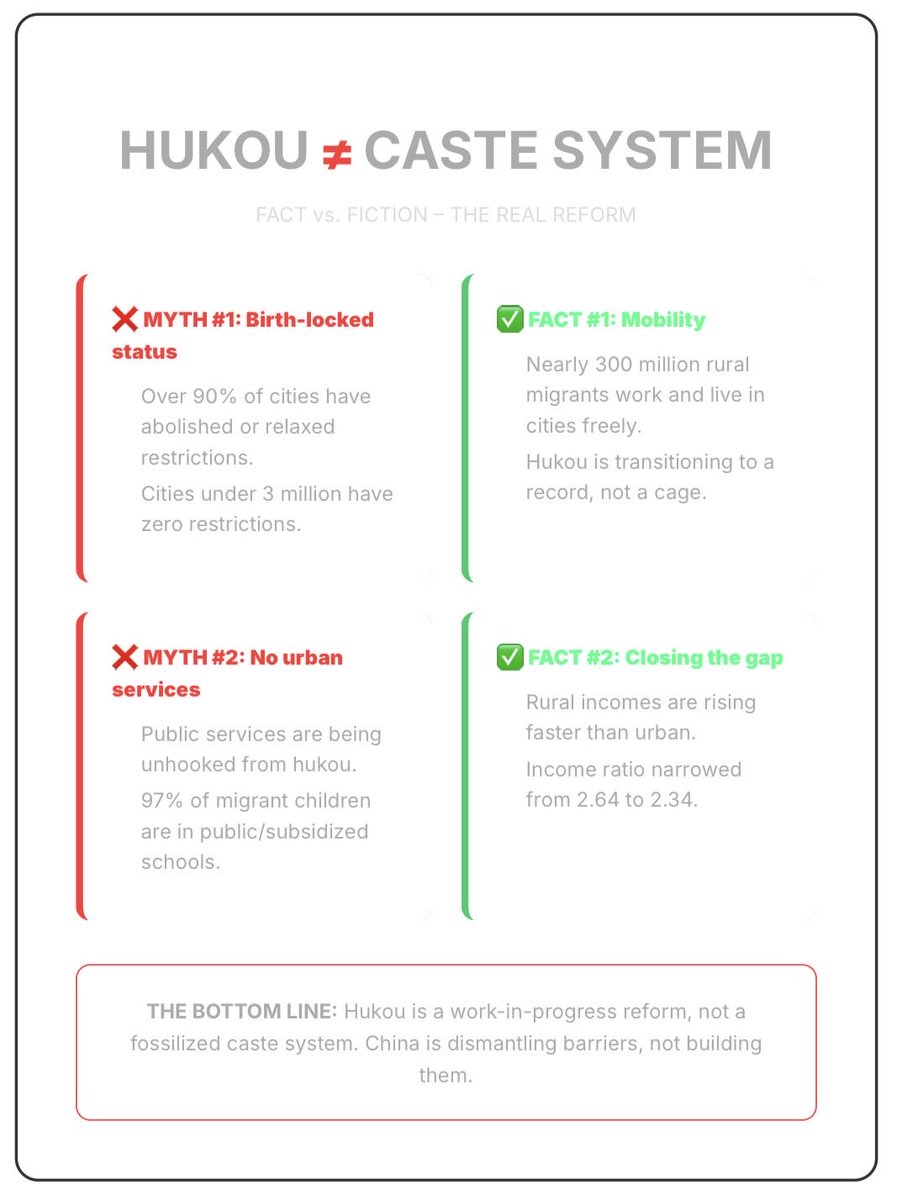
Dear Twitter bots: Caste systems are rigid. Hukou is a reform.
90% of cities dropped limits. 300M migrants move freely. 97% of rural kids in public schools. Incomes? Growing faster in rural areas.
A caste keeps you down. Reform lifts you up. Don't confuse the two.
Read the graphic. 📊👇
#HukouFacts #ReformNotCaste #BotBuster #ChinaData #Debunked