Restorative Supervision in Health & Education | Building Resilience | Team Development|Support for Parents| Emotional Health & Wellbeing| Parenting | Attachment
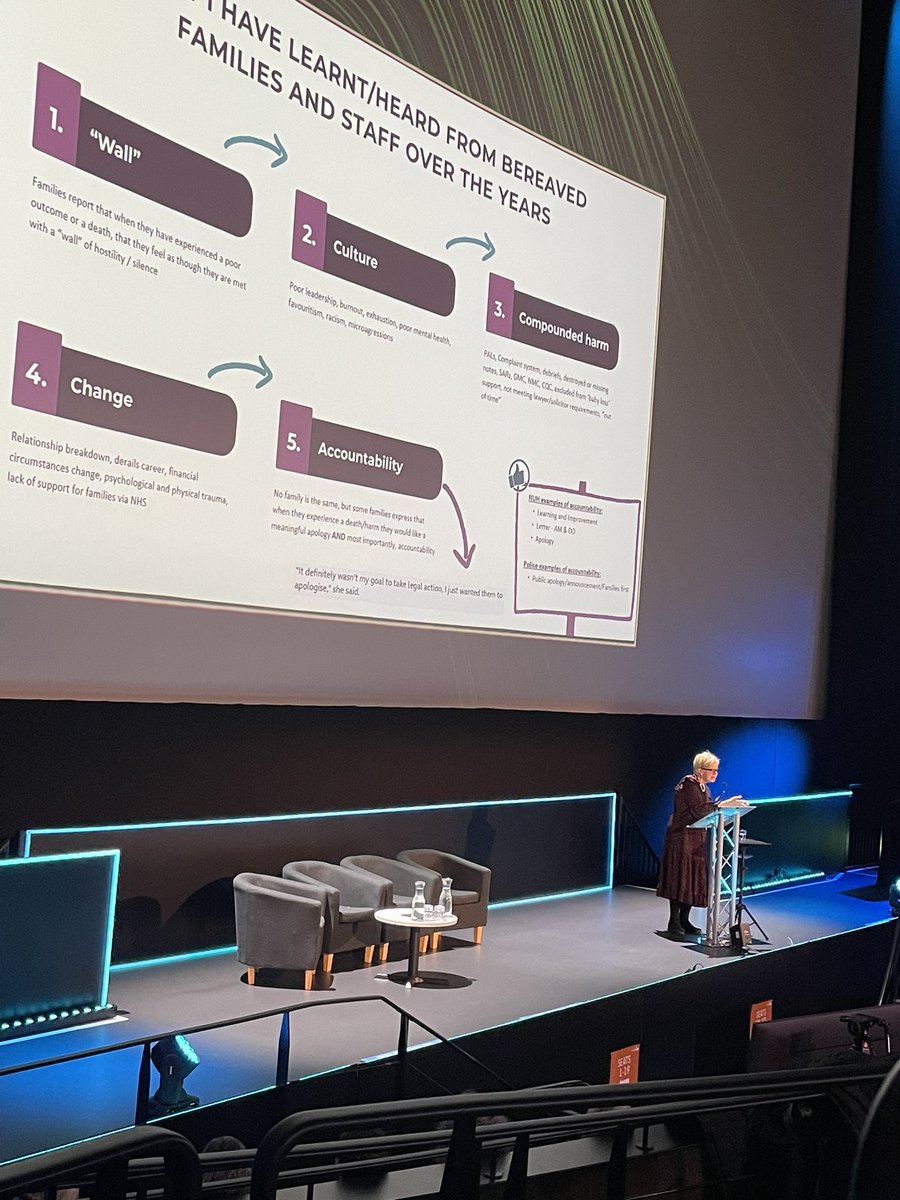
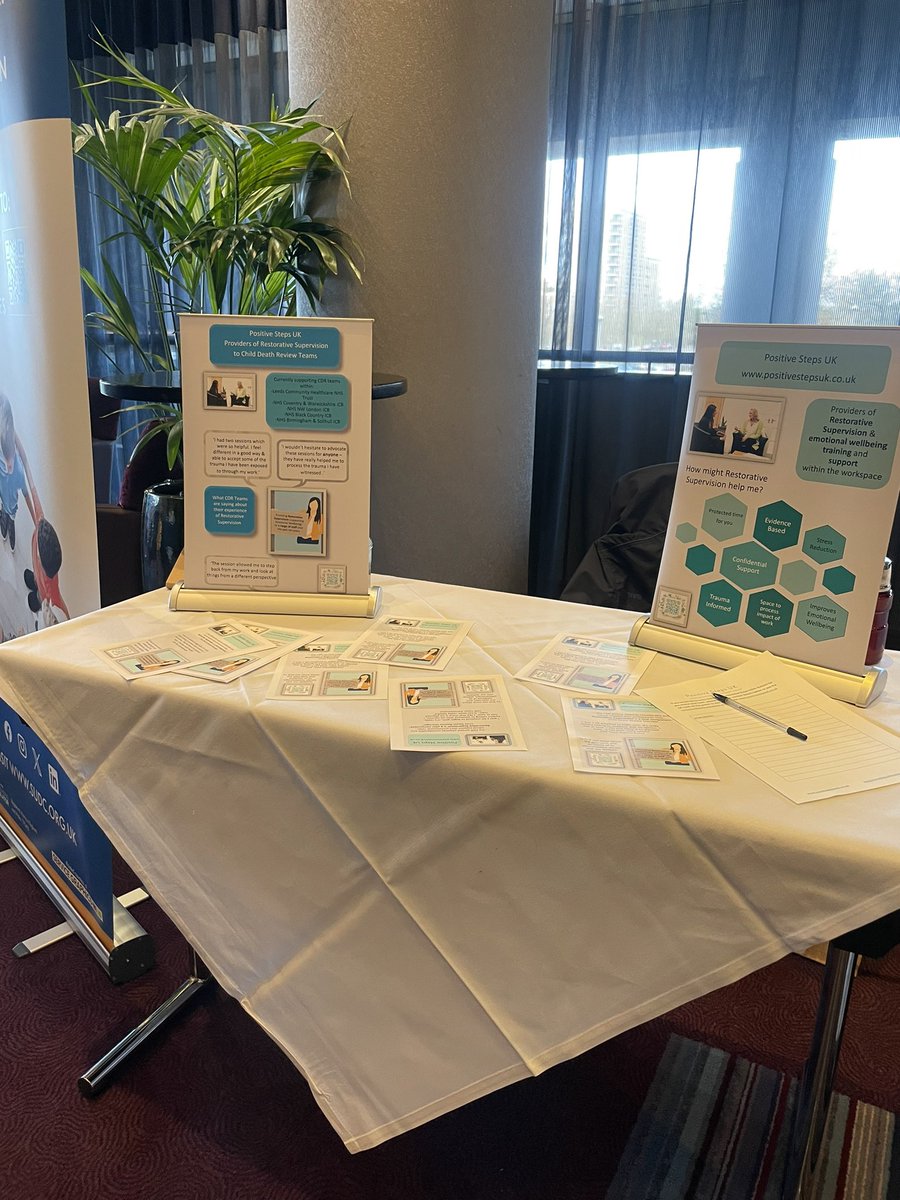
Not sure what Restorative Supervision offers? One of our MHLs told us "It's so helpful to have protected space to talk for one hour each month & allows time for me to build on my self-care & process and manage the impact of the pressures of work" #MHLs#DSLs#Wellbeing#SelfCare
NHS Talking Therapies can help people struggling with their mental health, and conditions such as anxiety or depression. You can refer yourself online or you can be referred by your GP.
Find out more ➡️ https://t.co/yZgHplCJIG
🚀 It's the start of #EQW2025!
Today we are focusing on neurodiversity. It's estimated 1 in 7 people in the UK are neurodivergent.
Access our new guidance 'Embracing neurodiversity in the workplace' by visiting our equality week campaign page. 👉 https://t.co/3o67VQqQYK
Loneliness at work has become an epidemic, leading to workplace stress, people being absent & leaving their jobs. New research has highlighted multiple myths that lead to many leaders making the workplace loneliness situation worse. Myths:
1) Loneliness can be solved by coming back to the office
2) Teams will solve loneliness
3) Lonely people are needier socially than others at work
4) Loneliness is a personal problem, not an organisational problem.
Practical actions that leaders can take to reduce work loneliness include measuring loneliness, designing slack in workflows, creating a culture of connection, building socialising into the rhythm of work & maximising each work mode (remote or f2f) for connection.
https://t.co/eVFBcpoUxD. Via @HarvardBiz
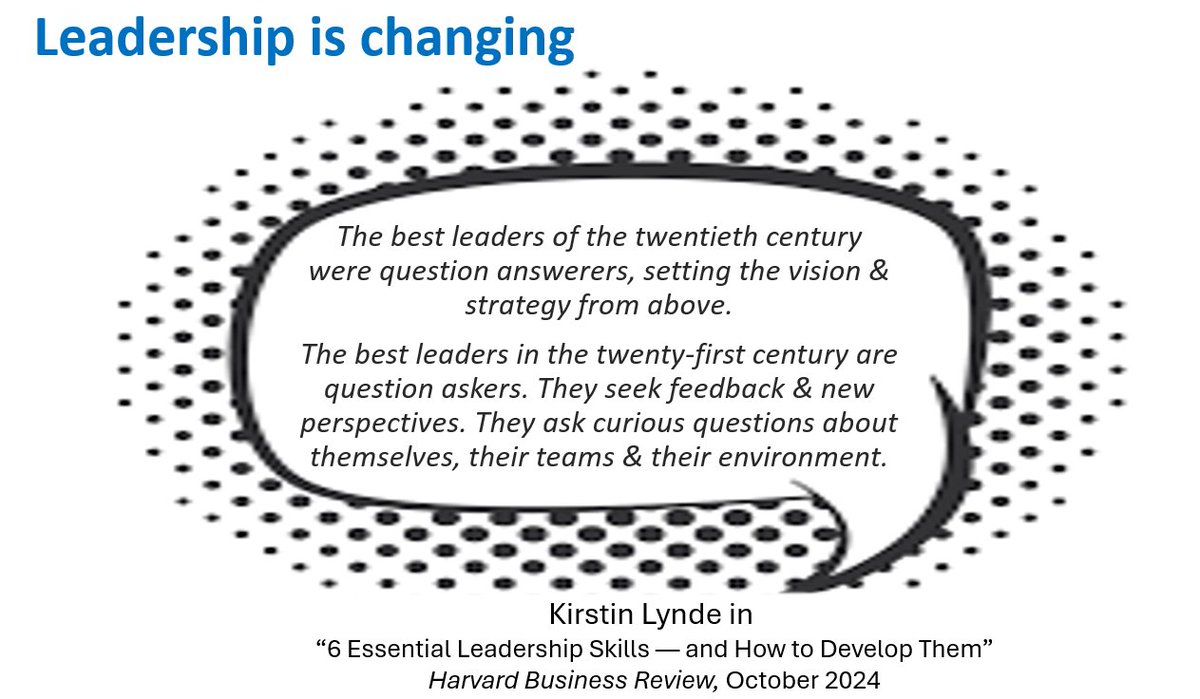
The role and skills of leaders needs to change, in line with profound changes in the workplace. In a new article in @HarvardBiz, a group of experts has identified 6 essential skills to thrive as a leader in the new environment:
1) emotional aperture - the ability to understand and tune into the emotional dynamics of others
2) adaptive communication - knowing how and when to adjust our behaviour & leadership style, connecting to the emotional energy of others
3) flexible thinking - able to flex with competing priorities & hold opposing ideas in our heads
4) perspective seeking, taking & coordinating - actively seek different perspectives & integrate new information into our approach
5) strategic disruption skills - questioning long-standing practices & pushing for continuous learning and improvement
6) resilient self-awareness - recognising our own boundaries/limitations & setting a healthy example for others.
There are links to lots of useful resources for developing these skills: https://t.co/J5lWxXQdQw. By @knightrm.
I would add a 7th essential skill: network & connection skills – ability to operate with both formal & informal influence and build sustainable relationships.
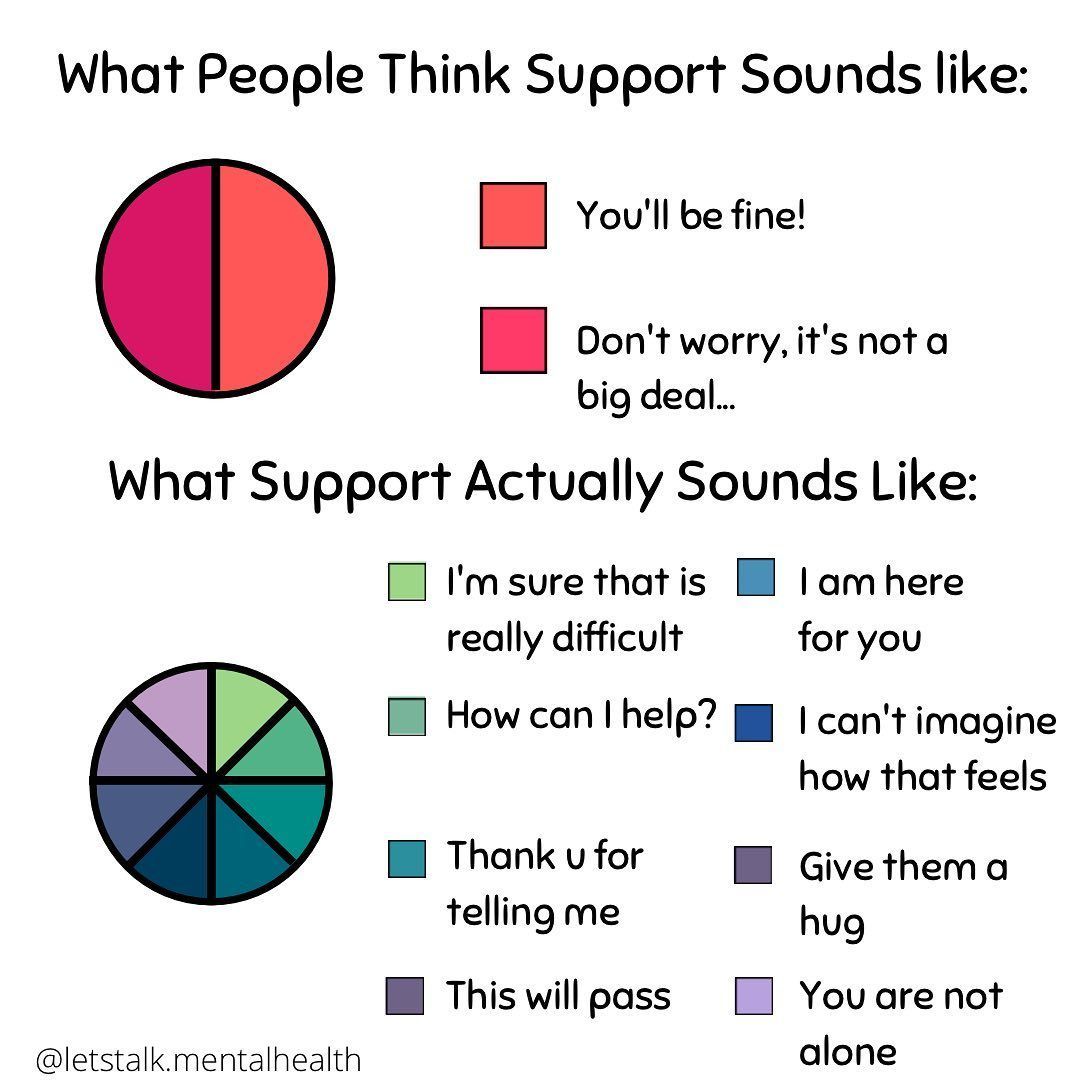
How to say no. A superb article: "In a world that often values compliance over authenticity....we find ourselves entangled in a web of obligations, constantly saying yes to requests that may not align with our true desires or priorities. Yet, buried beneath the layers of societal expectations & internalised guilt lies the power to reclaim our autonomy".
This article explains:
- the reasons why we always say yes
- why we should learn to say no
- how to recognise when not to say yes
- tips for learning how to say no
- different (positive) ways of saying no
- how to deal with unwelcome responses
https://t.co/T4jymB3H4m. By @LauraCopleyLPC. I paired it with a graphic on the same topic by @donnellycss.
We did it ❤️❤️❤️
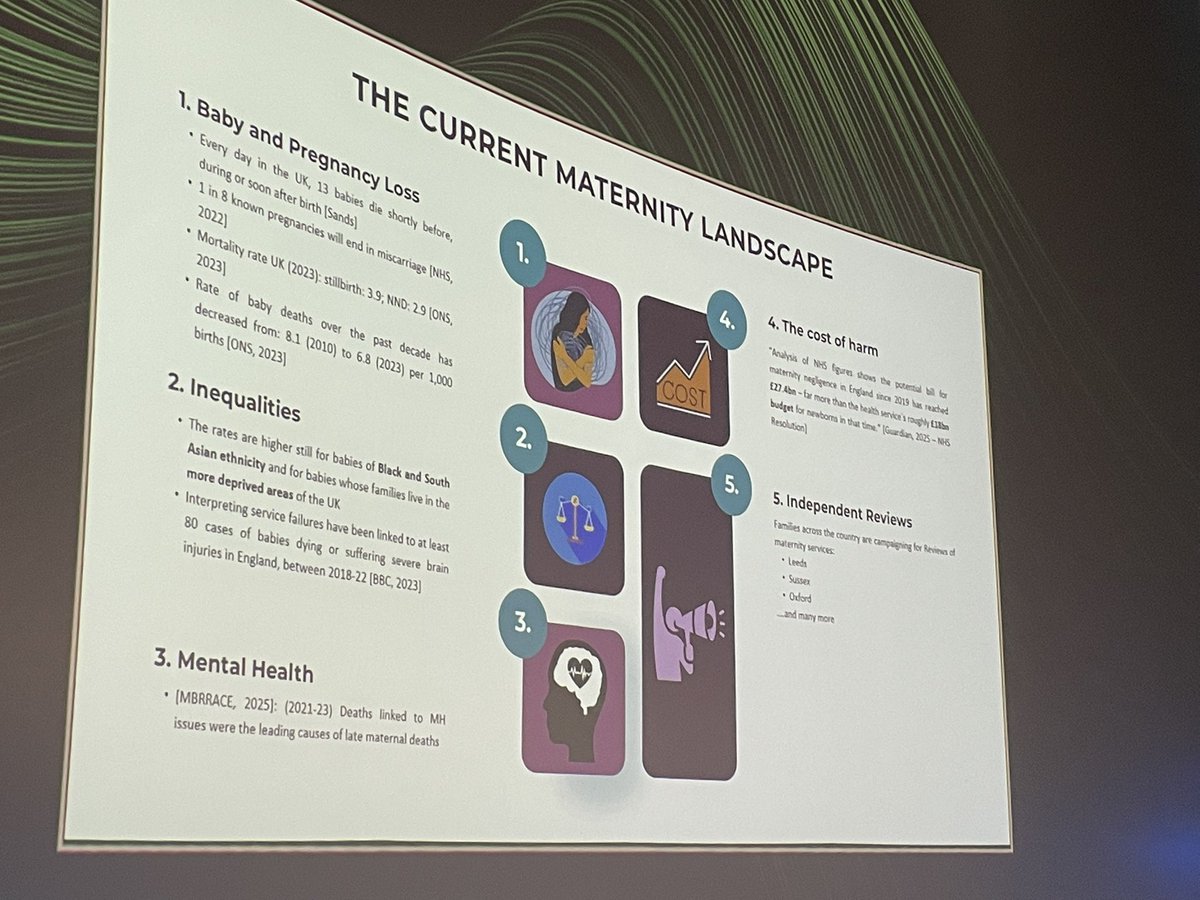
Everyone in England can now apply for a baby loss certificate, whether the loss was yesterday
or eighty years ago.
Ten years ago, I had a dream that the parents of every baby that was lost in pregnancy would be able to be given an official government-issued certificate, so we launched a campaign. Mariposa International (Saying Goodbye) was a lone voice until Baroness Floella Benjamin pledged to support us in our endeavour. Roll forward a few years to March 2018 when The Secretary of State for Health asked me and Samantha Collinge to co-chair and author the government’s pregnancy loss review, which included looking at the feasibility of introducing the certificate. All of that work has resulted in this significant day.
I know how much this means to so many
people as your babies are finally being
officially acknowledged.
For those that are prepared to look and listen carefully, risk factors for later difficulties can be identified in the pre-school period.
We can help get many children on the right track if we offer support to children and their parents early and effectively.
Serve & return interactions can start in a child's earliest moments! This kind of responsive, back-and-forth interaction between a child and caregiver helps shape the architecture of a child’s brain & supports healthy development.
Learn more here: https://t.co/FhnfeKXy07