All of this can be done in a few weeks. It is the wil that is required. The same needs to be followed up by more structural changes, like moving DISCOs to a better governance structure, a multi-buyer multi-seller model, etc.
The country cannot grow w/o affordable energy.
/8
#3 There is almost $4 billion of debt that various CPEC power projects have on their balance sheet. Even though it is debt of private entities, it is covered by sovereign gtee, and the responsibility of arranging foreign currency for repayment of this also for the government
5/
Since electricity prices are reduced through the above measures, industries will have an incentive to remain on the grid and move towards more efficient utilization of machinery, and processes. As grid is used again, the positive lower capacity charges will kick in again.
4/
#2 Available gas should then be reallocated to the highly efficient natural gas fired power plants, rather than inefficient captive power. This will automatically reduce the price of electricity through more efficient usage.
3/
Reduction in taxes would mean that the tax authorities may have to actually do work on expanding the tax net & increase it through direct means, rather than extracting the same through consumption. Reducing taxes, will increase consumption, and reduce capacity charge per kWh.
2/
https://t.co/L08hUnkcIA
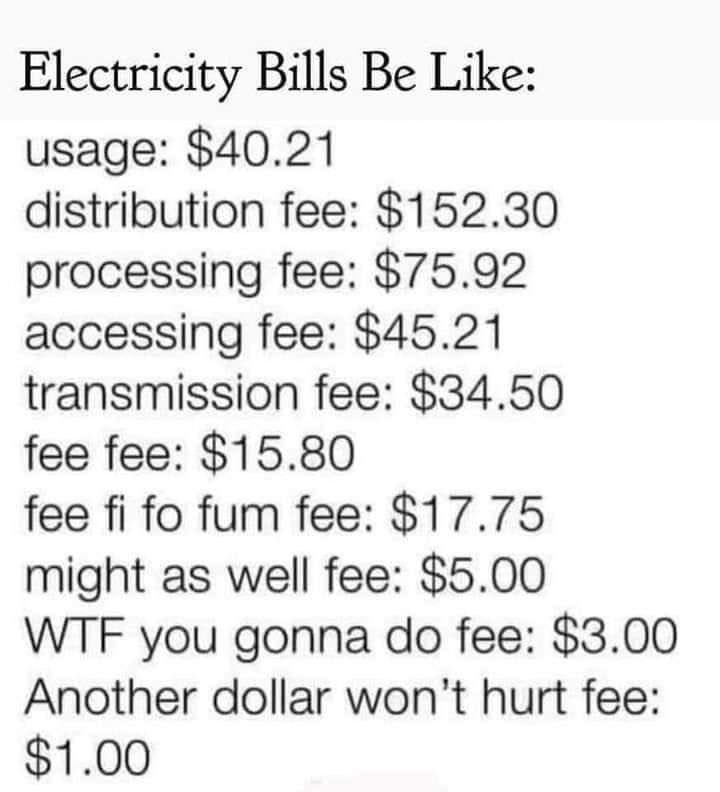
#1 Almost one-fifth of an electricity bill is just various taxes and government charges – cut those in half. This can potentially unlock demand for electricity, and drive industrial growth.
1/
The citizens of Karachi deserve to know the truth, point wise reply on the seminar held today, and @KElectricPk must clear it's position on the rubbish alligations made by all Captive Power Producers.
Surprisingly, most of the speakers and researchers are themselves Captive Power Producers.
1. KE's failure to utilize cheaper indigenous gas, which was illegally diverted towards Private Captive Power plants of Large Industries of Karachi in violation of Gas Allocation Policy as mandated by ECC decision 2018, has cost consumers dearly, resulting in higher fuel adjustment charges and a significant subsidy burden of minimum 150 Billion pkr per annum on the government's pocket. An inquiry committee and NAB investigation are imperative to hold those responsible accountable.
2. Lack of representation from KE during the research and seminar raises concerns about the fairness of the findings. A unilateral decision without KE's input seems more like lobbying than a genuine effort to improve the situation.
عدالت بھی ملزم کی موجودگی میں اس میں الزام عائد کرتی ہے اور اس کو جواب دینے کا پورا موقع دیتی ہے یہاں تو بغیر سنے ہوئے مکمل فیصلہ سنا دیا گیا ہے،
3. Grid-connected renewables offer significant benefits, yet KE's investment plan has been completely overlooked and manipulated. It's time for a shift towards a more sustainable and cost-effective energy mix as outlined in the Investment Plan and gop should not waste time approving the plan
4. The portrayal of captive power plants as a solution overlooks their detrimental effects on Karachi's energy landscape. Those benefiting from such setups are not the saviors they claim to be. Imagine one company generating 60 mw low price electricity which was the right of 25 million consumers of Karachi.
تمام بڑے کیپٹپ پاور والے پھر کوئی نیا ڈرامہ رچا رہے ہیں تاکہ کراچی کے عوام کو اب کسی اور طریقے سے لوٹا جائے
5. KE must prioritize transparency and accountability to ensure the best interests of consumers are served and speak up the real reasons why it failed to reduce fuel adjustments charges for citizens of Karachi . Ignoring renewables not only hampers cost savings but also risks redundancy in a competitive market. But a system can be in place where the electricity supplier can directly issue carbon credits for export industries. The researchers and speakers have not even read the investment plan properly which is all about renewables and local coal.
نگاہیں کہیں اور ،نشانہ کہیں اور
https://t.co/6pnweitIyG
Going through the Energy five-year plan, and the plan doesn't even consider transportation (consumes 70%+ of imported fuel) as a key area. Can't solve for energy while completely disregarding transportation as a key demand area (and solving for it through public transport).
Power in Pakistan is an optimization problem.
As demand decreases, price increases (due to higher capacity charges) -- so what do you do, you induce more demand, so there is more consumption of electricity while reducing marginal price of electricity for excess consumption.
The objective should be to maximize consumption of electricity (which eventually supports economic growth) through various pricing + tax/fiscal levers.
Passing on a price increase is the laziest thing to do, and the worst that can be done.
This can be done through having in place real-time pricing data, and incentivizing consumption accordingly.
وزارت بجلی نے اعتراف کیا ہے کہ 40 ہزار میگا واٹ پیداواری صلاحیت کے باوجود وہ 8/9 ہزار میگا واٹ بھی بروئے کار نہیں لاسکتی۔
اسکو کہتے ہیں زبردست منصوبہ بندی اور کامیاب حکمت عملی