⚡ **NOT JUST SOFTWARE. SILICON.**
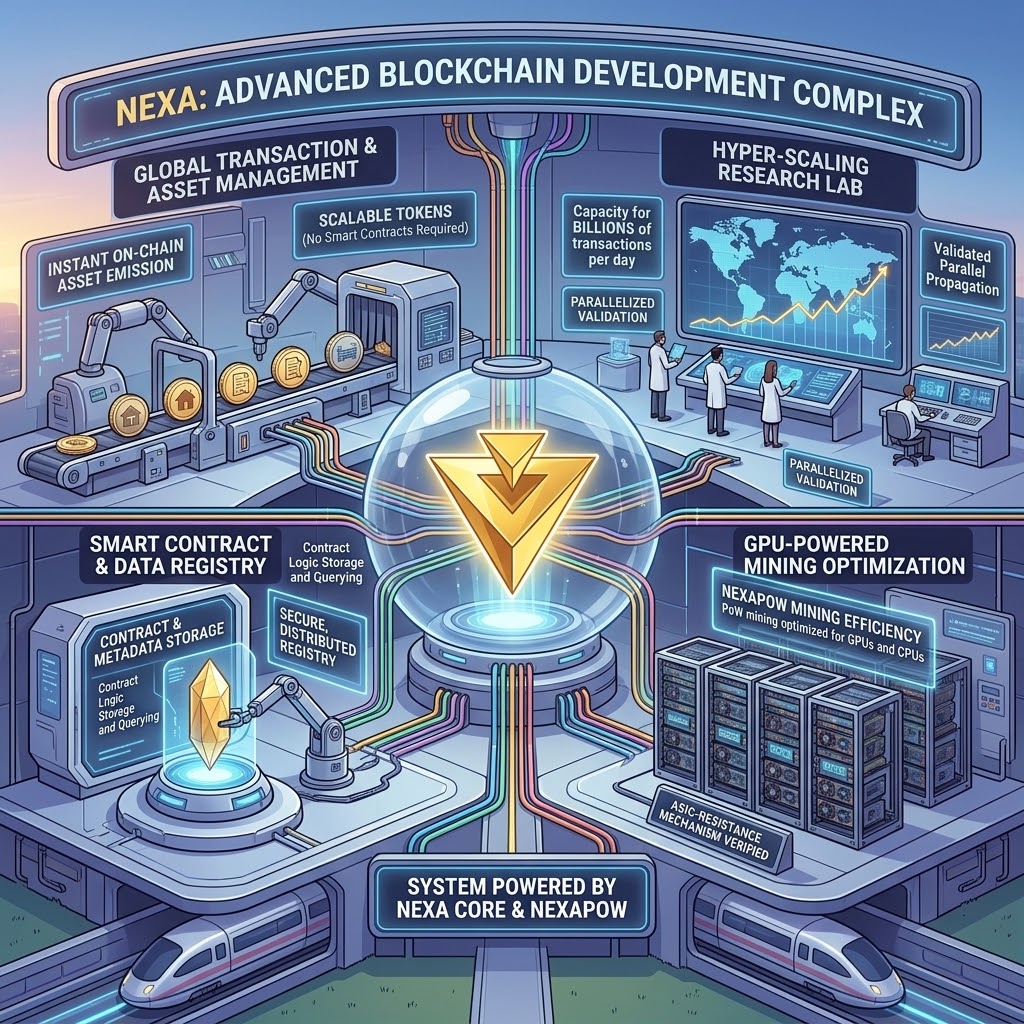
What if blockchain infrastructure could move beyond traditional CPUs?
NEXA is exploring hardware acceleration with FPGAs, bringing specialized silicon into the world of decentralized networks.
⚙️ Faster verification
⚡ More efficient computation
🔗 Infrastructure built for scalability
The long-term vision? A dedicated microchip capable of running an entire cryptocurrency node, with greater efficiency and a smaller hardware footprint.
This is where **Proof of Work meets hardware engineering.**
Not just another blockchain running on computers. A new approach to building decentralized infrastructure.
🟡 **NEXA. BUILT DIFFERENT.**
📖 Read the full article:
https://t.co/dsGOio5WA3
nexacoin:native
Recently, we had a fantastic AMA session with core members of the $NEXA team. We caught up on recent news, deliveries, and shared insights on what's coming next. Be sure to listen to the recording and help us spread the word!
#Blockchain#Crypto#Nexa#BitcoinUnlimited $BCH #BTC
📒 Hardware Acceleration: Nexa Node on an FPGA
In the last article we met Blitz, the card that takes signature checking off the CPU. We closed with a bigger question: what happens when you put the whole node inside an FPGA?
We don’t like running a node on our main desktop machine, especially when it is bogging down all cores, the fans are blazing and the office is heating up. We want to run it on a tiny little node that we plug into the router and just SSH into when we need to.
That is the long game of this series: building a microchip for cryptocurrency, a microchip that can do the same thing as your software node, but is faster, more reliable, uses less energy, and can be built for a fraction of the cost.
That chip is still ahead of us, but there are a lot of useful things we can do directly in hardware in the meantime.
Read more on the Nexa forum below. 👇
Nexa looks incredibly bullish. nexacoin:native
This project has the potential to become bigger than the entire crypto space. Don’t sleep on this. 🚀
@NexaMoney#CryptoGems 💎
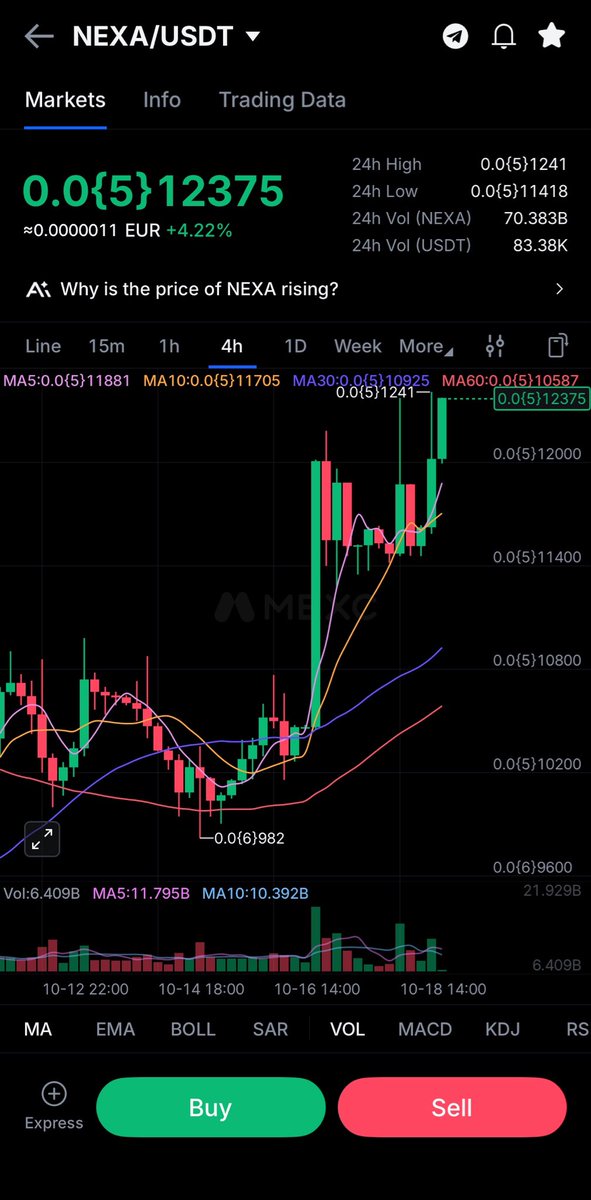
$NEXA is up double digits in the last 24h, per CoinGecko.
No official catalyst behind the move. The date that matters is the Tailstorm hard fork on Nov 1.
Fair launched PoW Layer 1. Built by Bitcoin Unlimited engineers. Still a tiny market cap.
Small caps like this get noticed fast once the tape wakes up.
I hold $NEXA, NFA
#FinX #Crypto #PoW
📒 Monthly Development Updates: September 2026
Over the past month and into this month, development has moved forward across the Nexa ecosystem. Most activity and effort focused on our Rostrum indexer, which we're updating and improving. We put a lot of effort into achieving much faster synchronization and quicker network notifications.
On the full node side, the Tailstorm protocol keeps getting tougher and is being extensively tested. We’ve already released detailed updates on the ongoing work and improvements, and you’ll find a recap there.
NexScript also hasn't been forgotten and is receiving updates. It’s 1.2.0-beta. Version 1.2.0-beta gives smart contracts new tools for working with token authorities, and the playground will receive updates that refresh it to a modern platform look.
Wally, the explorer, and our developer libraries also received a long list of improvements, many of them lined up for upcoming releases.
Find more details on these and other important developments from Nexa in the Monthly Development Update below. 👇
📒 Beat Peter’s FPGA: The BRAM-ring Bounty
On 6 October 2026, Peter Rizun (@PeterRizun) announced a bounty on X with a 0.2 BTC prize pool (around $16,000) for anyone who can beat the FPGA’s efficiency.
The main prize is 0.1 BTC, with smaller prizes for smaller achievements, and the bounty is open until 4 November 2026, 23:59 Pacific Time.
Peter designed a BRAM-ring proof-of-work function on a cheap Efinix Tz170 FPGA and ran it at 37,100 H/s. So far, the best GPU result is 1,493 H/s on a $499 RTX 3070.
Measured in hash rate per dollar of hardware, the FPGA is more than 100x more efficient.
The claim is that no GPU, CPU, NPU or other off-the-shelf hardware can close the gap, and the bounty is for anyone who proves otherwise.
Read more and find all the details on the Nexa Forum below. 👇
Instant fast, transaction costs only a fraction of a cent. Nexa is building a programmable decentralised peer to peer cash system on a global scale. Blockchain as it should be.
nexacoin:native @NexaMoney
The Nexa Blitz chip of @PeterRizun / @BitcoinUnlimit costs not $1000, it will cost only €40 / $45 and beats your expensive Big Bad GPU easily.
$NEXA @NexaMoney
📒 Tailstorm: Hardening the Protocol
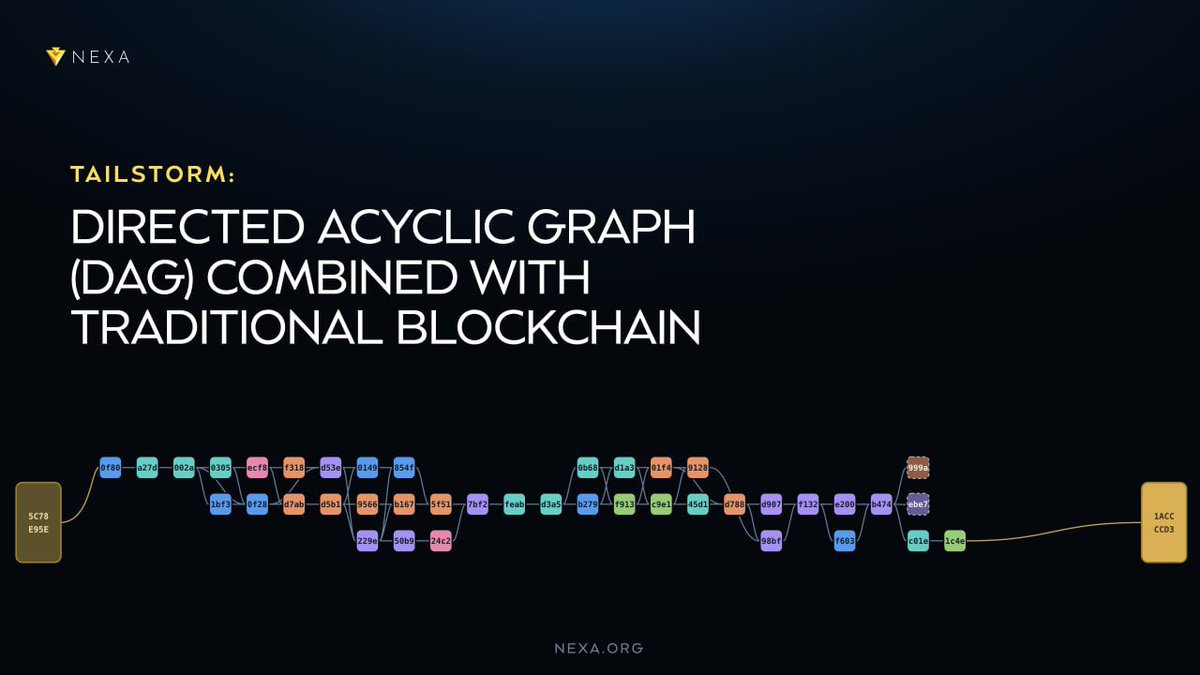
Tailstorm replaces single 2-minute blocks with a DAG of subblocks that are tied together by a summary block, while keeping the 2-minute settlement cadence.
The code already ships inside Full Node 2.2.0.0 and stays dormant until the second hard fork is activated.
Since that release our developers have been working on closing gaps in the consensus checks, making fork comparison more accurate, and building tests that put Tailstorm through the situations a live network will throw at it.
This article walks you through the improvements and refinements made in the past weeks. 👇
Otoplo Wallet 5.3.0 adds a new feature to refresh vault balances, improving usability for users. Builders can leverage this update to enhance network efficiency.
@NexaMoney#Nexa#NexaBlockchain#BuildOnNexa#lowcapgem
Eenvoudige uitleg van Tailstorm ⚡
Tailstorm is een techniek die Nexa (een cryptocurrency ontwikkeld door het Bitcoin Unlimited team) binnenkort gaat lanceren. Het combineert twee dingen: een traditionele blockchain ⛓️ en een DAG (Directed Acyclic Graph) 🕸️
Hoe het werkt (simpel uitgelegd) 🧩
In een normale blockchain (zoals Bitcoin) worden blokken één voor één achter elkaar gemaakt ➡️ Als er twee blokken tegelijk komen, wordt er meestal één weggegooid 🗑️
Tailstorm werkt anders:
• Er zijn summary blocks (de “normale” blokken) 📦. Deze komen ongeveer elke 2 minuten ⏱️ en blijven permanent bewaard. Ze vormen de echte, vaste keten.
• Tussen die summary blocks zitten veel subblocks 🧱. Dat zijn kleinere blokken die ongeveer elke 3 seconden worden gemaakt ⚡ (ongeveer 40 stuks tussen twee summary blocks).
Deze subblocks vormen een DAG 🕸️: ze mogen naar meerdere eerdere subblocks verwijzen. Hierdoor ontstaat een soort boom of webstructuur in plaats van één rechte lijn. Miners kunnen dus tegelijkertijd aan verschillende subblocks werken ⛏️⚙️
De subblocks blijven vooral in het geheugen (RAM) staan 💾 en worden niet permanent op de schijf bewaard.
Alleen de summary blocks vormen de echte, blijvende blockchain 🔒
Waarom is dit handig? 💡
• Veel snellere bevestigingen 🚀: Je transactie kan al na ongeveer 3 seconden in een subblock zitten. Handig voor kleine betalingen (bijvoorbeeld koffie kopen ☕).
• Voor meer zekerheid kun je wachten op het summary block (ongeveer 2–4 minuten) 🎯
• Eerlijker voor miners ⚖️: Grote miners hebben minder voordeel door netwerkvertragingen. Het systeem straft het “verstoppen” van blokken af 🚫 zodat eerlijk meedoen beloond wordt 💰
• Minder blokken worden weggegooid dan bij een traditionele blockchain ✅
• Het maakt crypto praktischer als digitaal contant geld 💸
Kort samengevat 🎯
Tailstorm geeft je de snelheid van een DAG (snelle subblocks) ⚡ en de eenvoud + veiligheid van een traditionele blockchain (de summary blocks) 🔐 Je kunt kiezen: snel en redelijk zeker (subblock) of iets langer wachten voor maximale zekerheid (summary block).
Het is een manier om een echt wereldwijd peer-to-peer betaalsysteem mogelijk te maken 🌍, met bevestigingen die tot wel 200 keer sneller zijn dan Bitcoin maar met dezelfde veiligheid 📈
#blockchain #cryptogems nexacoin:native @NexaMoney