2014 Highline CFR 650 for sale. Good working condition. Great for chopping feed to stretch supplies. $19,950. DM me for more info. This was our backup unit. Retweets appreciated
@taylor_allyn13 Hi Taylor, great to hear that you want experience in this field! I'm a Ruminant Nutritionist with New Rosedale Feedmill (south of Portage). Please get in touch sometime to discuss possibly working together on some projects this summer. My cell # is 204-723-0602.
@reccattle @LFCE_usask@Gregpenner3 Hi Rachel, we have quiet Simmental heifers available in that weight range. Please call Wes at 204-526-7570 if interested.
If this is the first time developing a grazing plan and you have a number of pastures at different locations, focus on only one pasture the first year. This will make the tasks more manageable and increase your chances of success!
The first step in developing a grazing plan is to set specific objectives & goals. Goals could include: to increase average calf wt gains by 5%; to decrease the overall number of cattle treated for foot rot & pink eye; or to decrease the impact of grazing on wildlife. #grazing
One of the largest barriers to expanding a beef herd is often the cost of land for hay & pasture. A well-developed grazing plan can help make the most efficient use of the land you do have. Over the next few weeks follow along as we give tips for creating your own grazing plan!
According to data collected by @NDSUExtension agents, the majority of #livestock producers in the state are facing #forage shortages going into the #winter. Here are some tips from NDSU Extension Specialist Janna Block on stretching forage supplies. https://t.co/Fz9CD3WPkf
Heavy rainfall or snow has prevented #wheat from being harvested in parts of North Dakota this fall, leaving producers wondering what to do with their crops. #Grazing standing wheat is not a common practice; however, it is an option. https://t.co/AcOeJuDHfJ
It will be interesting to see how the 2019 samples compare after another dry season in many areas. We are setting up feed programs now for current customers. Stay tuned for details - we'll be taking on new customers again soon!
Our most busy & exciting time of the year! We‘ve started collecting ‘19 feed samples. Below are the avg and min/max values from our ‘18 fall feed testing program. When it came to formulating rations last year, protein levels were adequate,but it was often energy that was lacking.
Especially when we were looking at predicting nutrient requirements for the colder winter months. Nutrient requirements peak for beef cows after calving at 11-12% protein and 65% TDN.
Learn more about drought management strategies at https://t.co/eWFzcnAKBy or download this infographic with key points for producers: https://t.co/83rD9jjeGI
#CDNBeefConf#bovinnovation
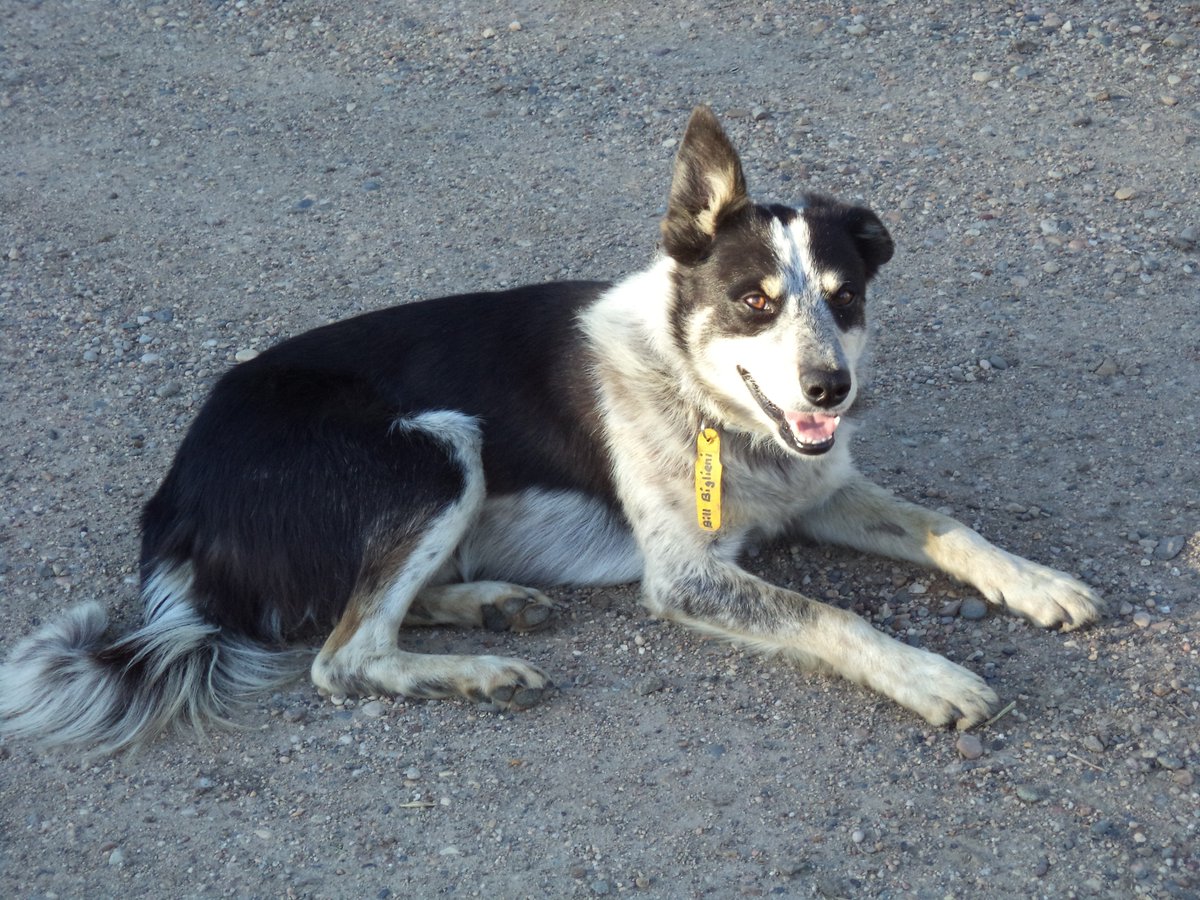
Missing purebred Male Border Collie in Douglas,Justice MB. area. Name is Ned has a tag with phone number on collar. Bill Biglieni 204 729 7925 Please call if any information or seen #lostdog, #bordercollie
Another perspective: #CDNBeef cattle use marginal land and byproducts we can't to produce nutrient dense protein, all while preserving native grasslands. Something to think about! #agvocacy#DYK#grasslands#CdnAg@weathernetwork @LoveCDNbeef
@DebenhamJill Hi Jill, I'd recommend Star Quality Samplers in Alberta. We've been using the Star Universal Forage Sampler for silage and hay. It works great and their customer service has been top notch also! ~Lynne
Dry conditions can also lead to nitrate accumulation in the plants. Levels can become elevated enough to be toxic in livestock. Remember that it is best to have your feed tested before using so that the higher nitrate feed can be diluted with lower nitrate feed if necessary.
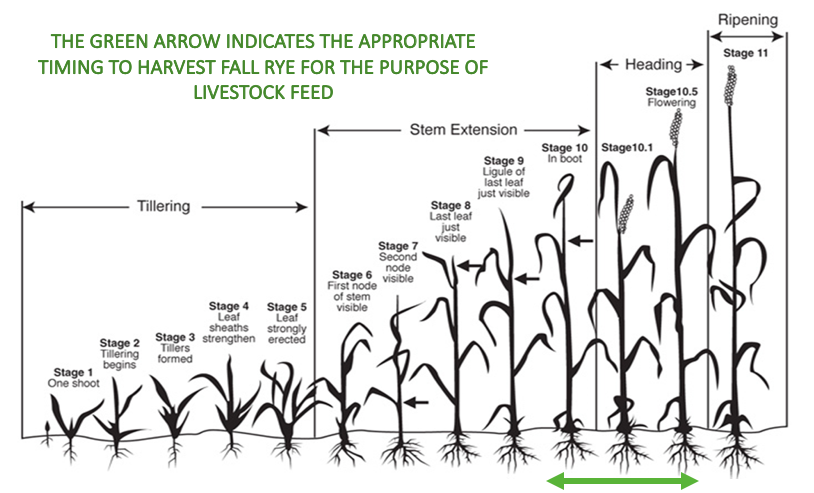
As hay fields continue to struggle due to lack of moisture, we want to give you information about feed alternatives, one being fall rye. If it is harvested at flag leaf to flowering stage, fall rye will have feeding qualities similar to that of barley in the soft dough stage.
If cutting is delayed past these stages, palatability dramatically decreases for cattle. Yields of fall rye silage or hay are generally lower than oats or barley, but may be higher in seasons where there is less rainfall and crops are stressed, such as this year.