An Australian scientist took 800,000 human brain cells, kept them alive in a dish, wired them to a computer, and taught the cells to play the video game Pong in five minutes, which is faster than any AI on Earth had ever learned the same game.
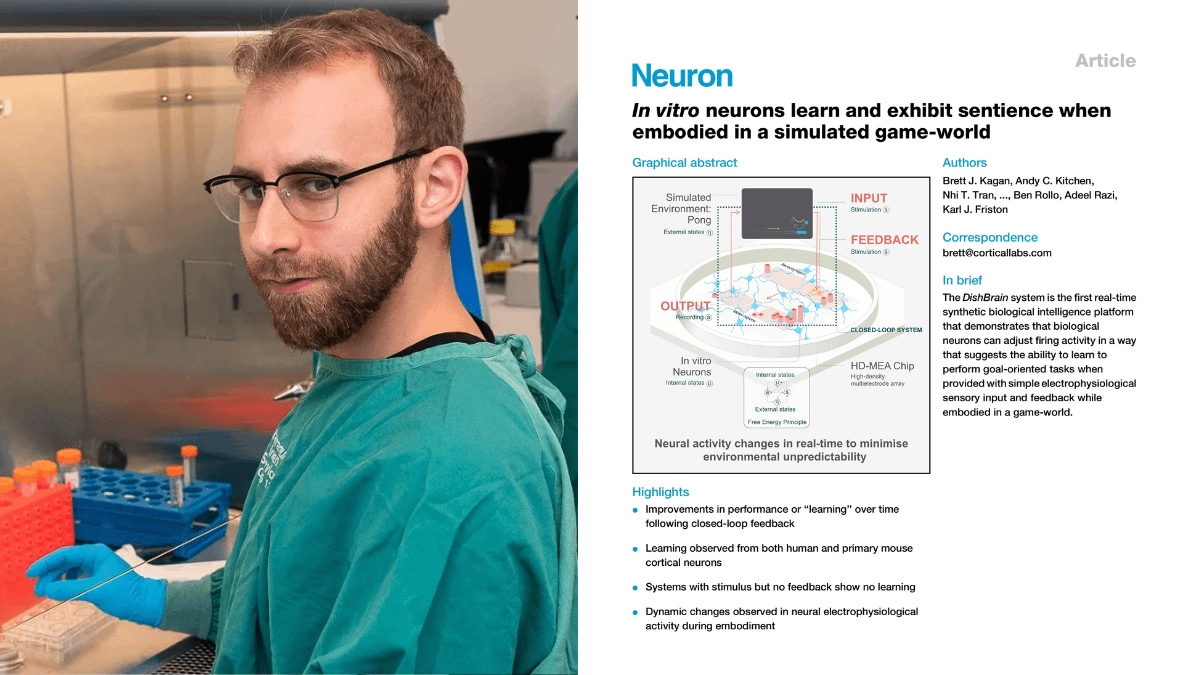
His name is Brett Kagan.
He runs the science team at a Melbourne company called Cortical Labs, and the paper that broke the story was published in the journal Neuron in October 2022. The title sounds like a science fiction novel. In vitro neurons learn and exhibit sentience when embodied in a simulated game-world.
The setup was simple, and that is what made it so strange.
Kagan and his team took some brain cells from mouse embryos. They took some human brain cells grown from stem cells. They placed them on a chip covered in tiny electrodes, the size of a small coin, and they hooked the chip up to a computer running Pong.
The electrodes could do two things. They could read what the cells were doing. They could also send small bursts of electricity back into the cells.
The team used those two channels to talk to the dish.
When the ball was on the left, they fired the electrodes on the left side of the dish. When the ball was on the right, they fired the electrodes on the right. The closer the ball got to the paddle, the faster they fired. The cells could move the paddle by sending their own signals back.
That was the whole game.
Then the team added one more rule, and this is the part that changed everything.
When the cells missed the ball, they got a random, chaotic burst of electricity for four seconds. Noise. Static. Pure unpredictability. When the cells hit the ball, they got a clean, steady, predictable signal.
That was the only feedback the dish ever received.
Within five minutes, the cells started getting better at the game.
The rallies got longer. The hits got more frequent. The dish was not winning, but it was clearly playing, and it was improving, and nobody had told it the rules.
It had figured them out by itself.
The reason this worked is the part that should stop you for a second.
Brains hate surprise. That is the thing they are built to avoid. Karl Friston, who is one of the most cited neuroscientists alive and a co-author on the paper, has spent his whole career proving this. The brain is not really a thinking machine. It is a prediction machine. It runs on a single quiet rule. Make the world less surprising.
The cells in the dish were doing the same thing.
The chaotic stimulus felt like surprise. The clean stimulus felt like calm. The only way to get more calm and less chaos was to stop missing the ball. So the cells learned to stop missing the ball, not because anyone trained them, and not because they wanted a reward, but because the only way to quiet the noise was to play the game well.
They were not learning Pong. They were learning to make their own world more predictable, and Pong just happened to be the world they were stuck inside.
The same thing your brain is doing right now.
Every choice you make today, every word you reach for, every plan you build for tomorrow, is your brain trying to make the next moment less surprising than the last one. The feeling you call thinking is mostly your head doing the same thing those cells did. Trying to quiet the static.
The dish learned Pong faster than any AI had at the time, using around 800,000 cells and almost no power, while the AI systems running the same game needed thousands of times more energy and far longer training runs.
Kagan said it plainly in his interviews after the paper came out.
He said the cells were not trying to win. They were trying to feel less lost. And the moment he said that, half the room realized he was no longer just describing the dish.
He was describing them.
Does your annotation pipeline hold up against others on the same data?
15+ curated datasets, unified immune hierarchy, blinded evaluation. Reasonable submissions earn named authorship.
Apr 13-Jun 12. Sign up 👇 https://t.co/Y3OCgR8vnp
If independent labs annotate the same scRNA-seq dataset…Do they identify the same immune cell types or reach different conclusions?
We’re launching the @hipcProject scRNA-seq Annotation Challenge (Apr 13-Jun 12, 2026) to find out, hosted by the HIPC coordinating center @bpeters@skleinstein. Learn more: https://t.co/pF5SEGgJIT
Instead of watching an hour of Netflix, watch this 2-hour Stanford lecture that shows exactly how Stanford trains its engineers to build AI systems.
It’s more practical than every Claude tutorial and prompting thread you’ve seen.
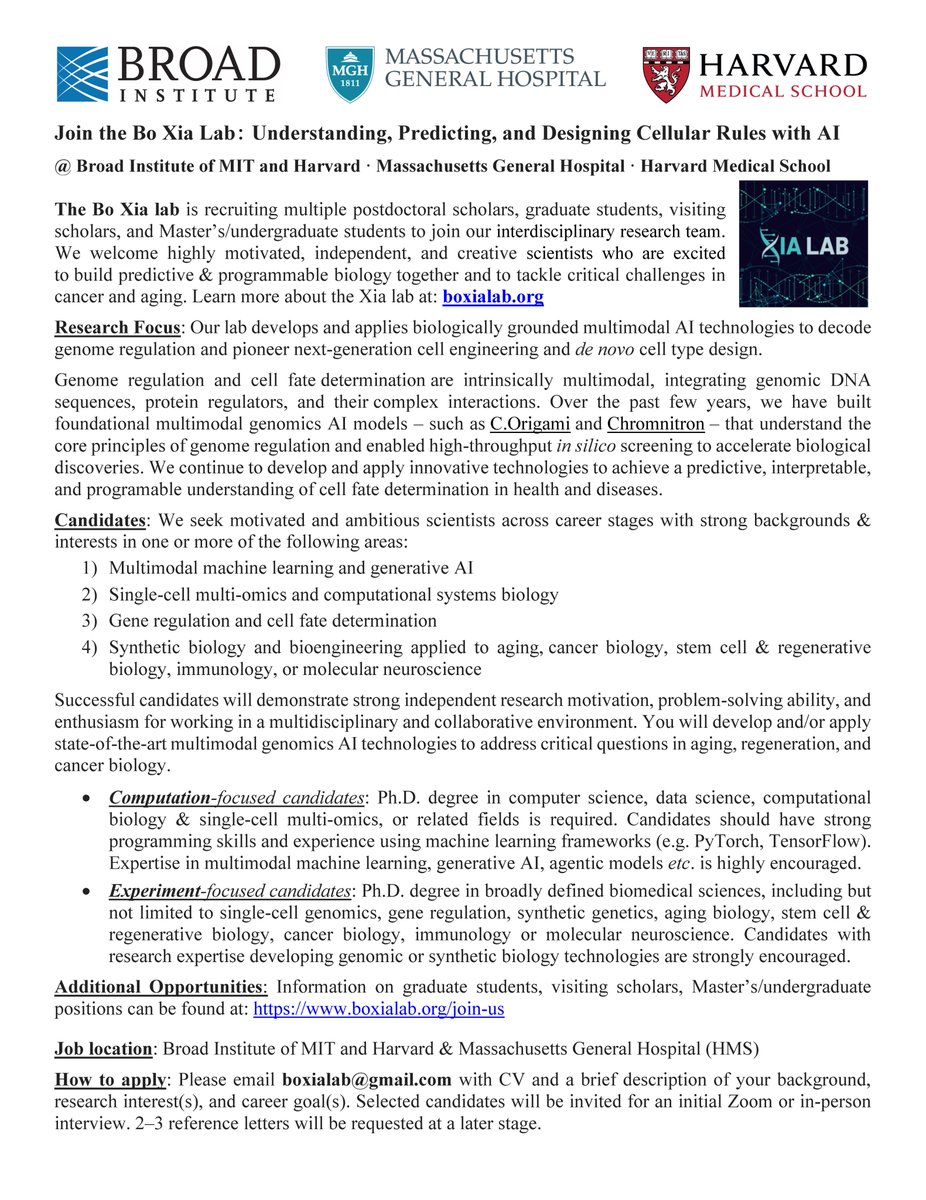
We’re recruiting!
The Bo Xia Lab @BroadInstitute@MassGenBrigham@HarvardMed is looking for postdocs, students, and visitors to build AI-powered predictive & programmable biology.
If you’re excited about multimodal AI × genome regulation × cell fate, join us!
🔗 https://t.co/IRTA022kax
#HiringNow #PhD #postdocs #AIinBiology #Genomics #GeneRegulation #CellFate
We recently organized #Agents4Science, the 1st conference where LLMs are both authors and reviewers🤖
It was an open experiment to assess how well AI can lead research and review papers.
Today we report what we learned in @NatureBiotech Highlights in 🧵
A while ago, I started a weekly podcast about viruses and vaccines in German. It’s short 15 to 20 min episodes with basic information for the public about relevant viruses. I am considering starting this in English too. I am wondering if people would be interested?
Congrats to Broad Clinical Labs, Roche and Boston Children's Hospital for making a Guinness record for fastest genome sequencing! They were able to sequence and analyse the whole genome in <4 hrs, surpassing the previous benchmark of 5 hrs and 2 mins.
A NEJM paper reports application of this rapid workflow in seven NICU patients that returns genetic diagnosis in < 8 hrs. Amazing!
News:
https://t.co/unVgXqBDgF
NEJM paper:
https://t.co/dKUrS9ahFO
I’m excited to share a new postdoctoral opportunity in my lab to use chromosome engineering to study the consequences of chromosomal rearrangements in iPS cells. Check out the posting below and shoot me an email if you’re interested -
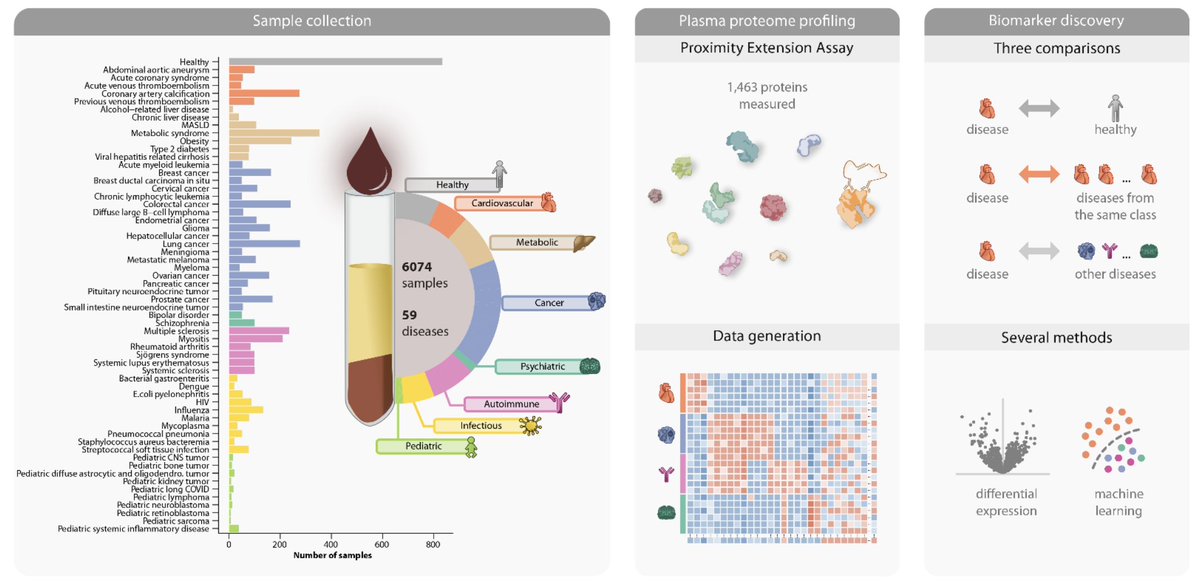
Most blood proteomics analyses of human disease focus on a single disease endpoint missing assessment of specificity.
This analysis of 8,262 individuals across 59 diseases offers an atlas of Olink proteomic signatures across the disease spectrum.
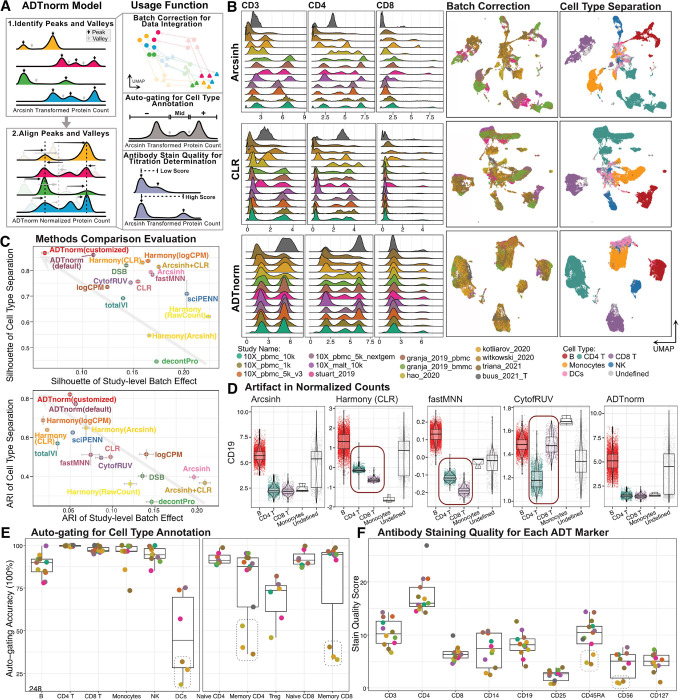
Our collaborators @psimslab@raphg + @KenStuart18 create a "normalization" method for antibody-derived tags and integration across data sets. (Preprint)
@researchsquare
https://t.co/T8JGQuErh8
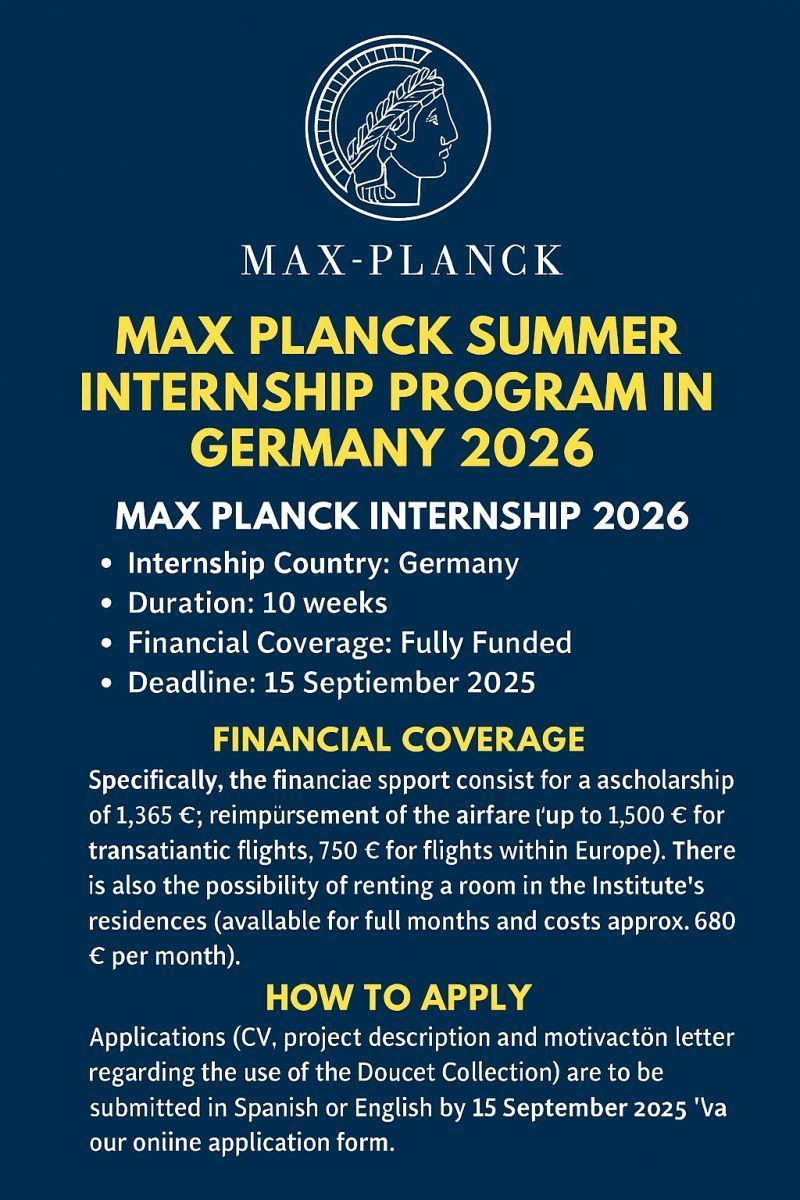
Summer Internship in @maxplanckpress Institutes for 10 weeks
A fully funded summer internship in Germany designed for UG and PG students in Biology, Chemistry, Computer Science, Math, Neuroscience, Physics, Psychology.
Apply at https://t.co/SPWM1ELSlR
Apply by 15th Sep 2025
! ! We are hiring ! ! We offer a postdoc position for someone excited about #immunology and #metabolism! Please share with your colleagues and anyone you know that might be interested!
https://t.co/uqVm16UOWD
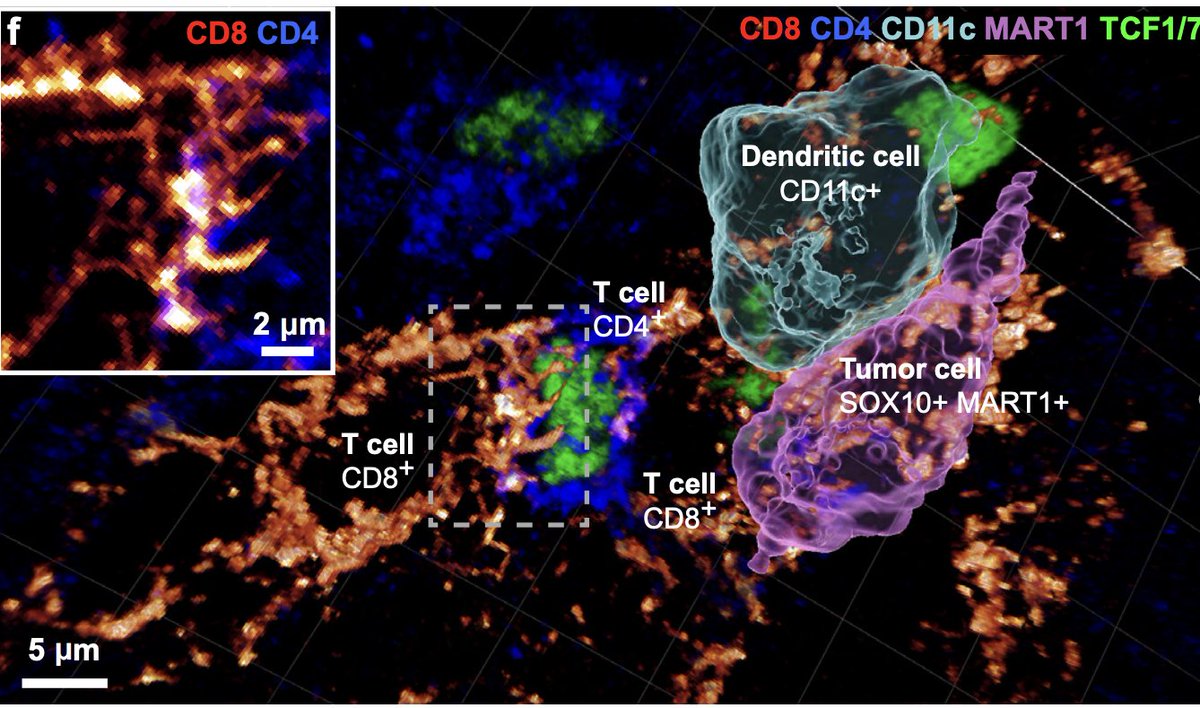
I can't get over these 3D spatial images in the latest preprint from @sorger_peter@ajitjohnson_n et al.
The preprint is a roadmap on how to conduct 3D cyclic immunofluorescence using "thick" archival sections and precisely map cell-cell interactions
https://t.co/CaACN9yQCW
We analyzed nearly 400 Abs, integrating data from 20+ functional assays and identified key relationships between different antibody properties, including correlates of in vivo protection, providing a framework for rapid response to counteract future outbreaks.
Excited to share our new work scCRAFT on more reliable scRNA-seq integration, which is published at @CommsBio : https://t.co/GoHSC3VlBq. This is a joint work with @ChuanHe, @ParaskevasFilippidis, @skleinstein, and supported by @NSF and @hipcProject.