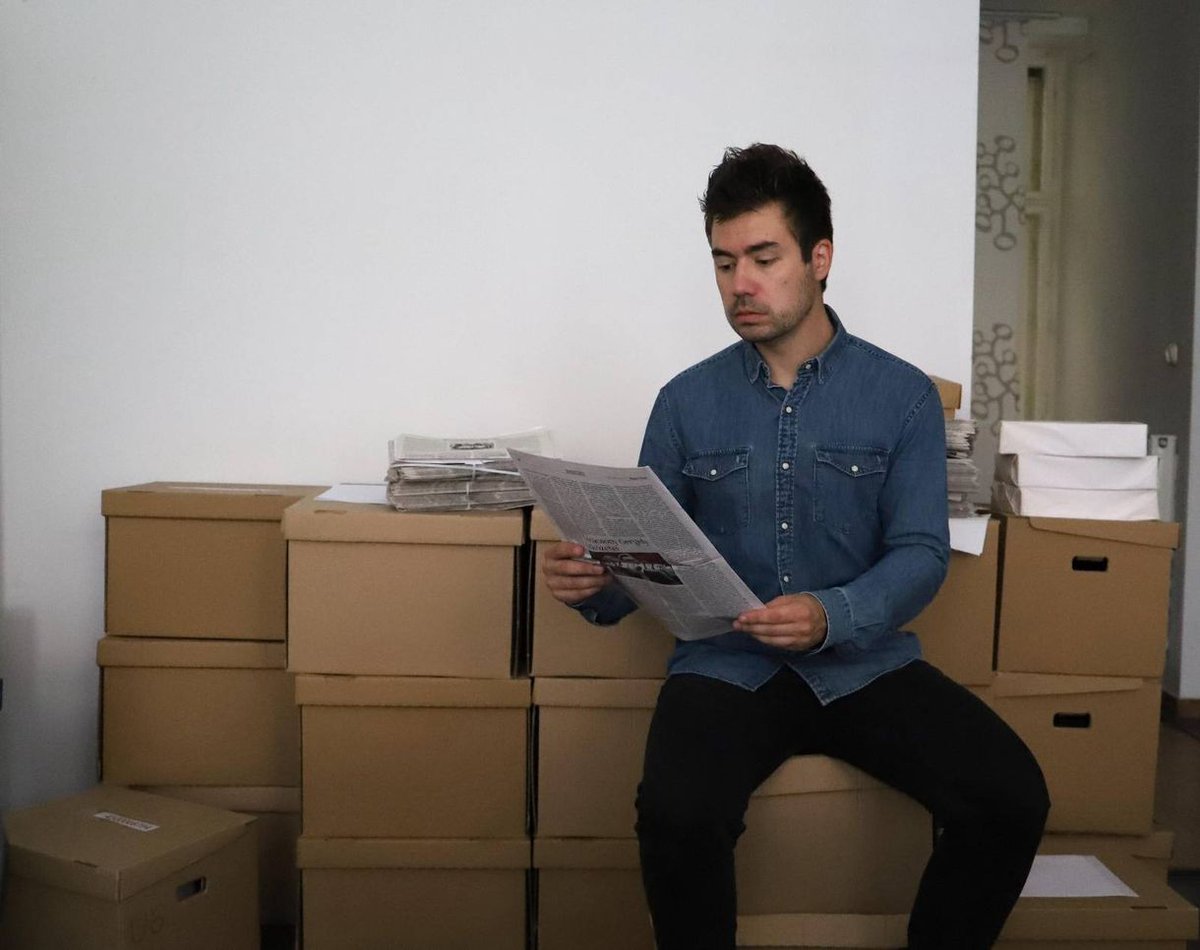
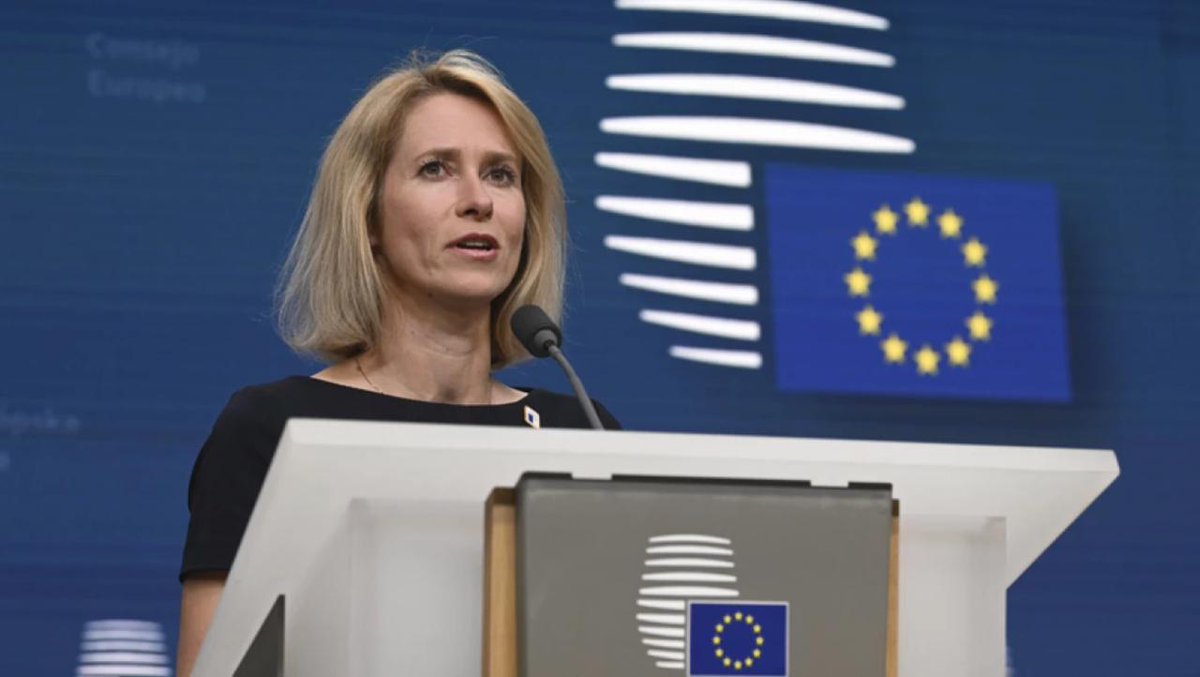
💥What we’ve all feared is happening: Hungarian Russia expert András Rácz wrote three days ago about a potential Russia-backed false flag attack in Serbia targeting the gas pipeline to Hungary. The same information had already reached multiple journalists, including myself, weeks earlier, from sources connected to Hungarian government circles.
Now Viktor Orbán has announced that Serbian president Aleksandar Vučić informed him about “explosives of devastating power” found at the gas pipeline connecting the two countries. Orbán and his propaganda machine are already amplifying the news everywhere, with the prime minister convening his security cabinet.
It remains unclear what measures the government might take using this alleged false flag operation as a pretext. But if the second part of the information we received also proves true, Orbán could declare a state of emergency, significantly affecting the election campaign—which he is currently losing—and potentially disrupting the organization of the April 12 election.
The opposition Tisza Party has been widening its lead to 15–20 points, if not more. Orbán accuses them of being "Ukrainian agents" for months. His propaganda would very soon link the Serbian false-flag both to Ukraine and the Tisza Party, I have no doubts about that.
I encourage all foreign reporters covering the Hungarian election to pay close attention and not fall for the government’s propaganda or the narratives pushed by its pundits on the Orbán government payroll, including here on X.
The situation could soon be very serious.
In den letzten zwei Jahren habe ich häufig mit deutschen Militärs darüber diskutiert, warum weiterhin Panzer und Schützenpanzer für zig Milliarden Euro beschafft werden, obwohl glasfasergeführte russische Drohnen im Wert von wenigen Tausend Euro jeden Panzer ausschalten können – wie wir es seit geraumer Zeit in der Ukraine beobachten.
➡️Die Antwort mehrerer hochrangiger Offiziere, die hier anonym bleiben sollen: Der Krieg in der Ukraine sei nicht repräsentativ für einen konventionellen Konflikt zwischen Russland und der NATO.
➡️Man arbeite mit der Doktrin der Luftüberlegenheit. Russland hätte demnach nach der Zerstörung seiner militärischen Knotenpunkte kaum eine Chance, Drohnen gegen deutsche Panzer im Baltikum oder anderswo einzusetzen.
➡️Zudem würden zukünftige Fahrzeuge – etwa der Leopard 2A8 und der GTK Boxer – über aktive Selbstschutzsysteme verfügen, vergleichbar mit dem israelischen „Trophy“.
➡️Mein Gegenargument: In einem asymmetrischen Krieg benötigt Russland keine klassischen Militärbasen, um verheerende Drohnenangriffe durchzuführen. Und Systeme wie „Trophy“ sind gegen langsam anfliegende, auf Kopfhöhe operierende, glasfasergeführte Kamikazedrohnen bislang weitgehend wirkungslos.
➡️Umso tragischer erscheint es, dass sich die Fehleinschätzungen westlicher Militärs aktuell etwa im Norden Israels und im Süden des Libanon widerspiegeln.
Hisbollah-Glasfaser-Drohne vs IDF Merkava Hauptkampfpanzer ⤵️
Das ist das Hauptproblem in der Debatte: im Grunde wird nur über Einnahmesteigerungen gesprochen. Das ist SPD-Politik seit 2013. Nichts Neues. Nur Ausgabenkürzungen führen zu wirklichen Entlastungen der Bürger. Spielraum gibt es genug.
Stubb: We are in a situation where the Ukrainians are killing over 30,000 Russians per month.
Russians are not able to recruit back. We're getting closer to the moment when there might have to be a general call from the Russian part. 1/
‼️Statement on the Orbán Government Accusing Me, an Investigative Journalist, of Espionage‼️
Today, the Hungarian government has filed a complaint against me for espionage. Accusing investigative journalists of espionage is virtually unprecedented in the 21st century for an EU member state. This is typical of Putin’s Russia, Belarus, and similar regimes.
I have spent over a decade documenting how Russian spies and interests have penetrated Hungarian politics, so I am probably the least surprised by this.
Despite growing signs that the Hungarian government acts as a Kremlin ally and copies the Russian model, I still trust that parts of the Hungarian state—and the judiciary—follow the Hungarian constitution, not that of the Russian Federation.
I have never engaged in espionage. I see my work as journalistic counterintelligence—from exposing the hacking of the Hungarian Foreign Ministry by Russian actors to revealing the activities of Hungarian pro-Kremlin propagandists.
Defending myself publicly would be easier if I were not bound by source protection. But that remains my top priority. I cannot reveal who provides me information or what I receive, including from within Hungarian state structures.
If I were not a journalist, I could list many facts proving it is impossible for the Hungarian state to genuinely believe I am spying. Certain meetings, contacts, and information gathering could never have happened otherwise.
This baseless accusation now forces me to share details of a specific investigation, including a conversation with a confidential source that appears to have been wiretapped. Normally, this would appear in a finished article or my upcoming book—not here. (It will appear there as well.)
Since 2023, I have investigated whether the relationship between Péter Szijjártó and Russian officials exceeds legal limits. The published audio, where I’m heard talking to a source, mentions that communication between Szijjártó and Sergey Lavrov is recorded by EU intelligence services. Less attention has gone to my point that this relationship raises strong suspicion of political intelligence activity and influence operations in Russia’s interest.
These are serious claims and hard to prove. As a journalist, I cannot force anyone to speak or hand over documents. That is why gathering this information has taken so long—and why I spoke to that sensitive source (while the conversation was secretly recorded).
Serious claims require serious evidence, and I believe I have gathered some. I have not engaged in espionage.
I have not cooperated with any foreign intelligence service in surveilling Szijjártó. Instead, I tried to verify earlier fragments of information about Szijjártó–Lavrov communication.
I sought to identify the channels and phone numbers used, and whether a secret channel—possibly used by Russian intelligence—exists. In other words, whether Szijjártó uses a hidden device or number unknown even within the Hungarian Foreign Ministry.
This was only one part of my research. The other, more serious topic is this:
Since at least 2016–2017, EU and NATO intelligence services have had indications that large amounts of cash and precious stones may have been transported from Russia on Hungarian government aircraft or private jets used by government figures. Officials from at least six countries made such claims to me.
These signals did not come from monitoring Hungarian targets, but, for example, from intercepting Russian officials discussing or preparing such shipments.
Alongside Szijjártó–Lavrov communication, I examined how baggage screening and handling works on such flights, which officials travel with what luggage, whether more packages arrive from Moscow than depart, and how such shipments could be handled discreetly.
I know how serious this is, and I would not have written even this much—but since I do not know what else may be taken from the edited recording, or what fabricated accusations (like, for example, that I was seeking such details to commit terrorism) may follow, I believe I must share this now.
Why do I investigate all this?
According to many sources familiar with the Hungarian state and counterintelligence, there is no independent body in the Orbán system able to investigate or act if a senior official is suspected of espionage.
Government members direct intelligence services and set expectations. The services lack both tools and authority to investigate a government member.
I knew this would be difficult when I chose to pursue it. But few people in Hungary can or dare to do this, so I felt it was my duty.
We have now reached the point where the Orbán government—of which Szijjártó is still a member—aware of my reporting plans and the risk they pose, has preemptively accused me of espionage.
I am a Hungarian patriot. I serve the public. As an investigative journalist, my job is to hold power accountable. Neither political theater nor legal threats will deter me.
Die aktuelle Bedrohungslage für Grönland ist weit mehr als eine bizarre Episode im Stile Donald Trumps. Sie ist ein Warnschuss für uns alle. Wer Trumps Slogan „Make America Great Again“ bislang nur als wirtschaftliche Kampfansage verstanden hat, hat ihn fundamental missverstanden. Trump nimmt diesen Satz wörtlich – auch und gerade territorial. Nach den jüngsten Aktionen der USA gegenüber Venezuela muss jedem klar sein: Es geht dem US-Präsidenten um die physische Vergrößerung des amerikanischen Einflussbereiches, wenn nicht sogar um die Erweiterung des Staatsgebietes. Grönland ist dabei kein Zufallsziel, sondern wegen seiner Lage zur Arktis und den dortigen neuen Handelsrouten von höchster strategischer Relevanz. Trump agiert hier im Geiste einer von ihm selbst so benannten „Donroe-Doktrin“ – einer aggressiven Neuinterpretation der klassischen Monroe-Doktrin.
Wir sind damit Zeugen einer historischen Zäsur: Wir erleben die Rückkehr des klassischen „Raumdenkens“, wie es der Staatsrechtler Carl Schmitt einst in seiner Theorie der „Großraumordnung“ skizziert hat. Das Zeitalter des reinen Völkerrechts, in dem Grenzen unverletzlich schienen, wird abgelöst von einem Zeitalter der imperialen Räume. Die USA definieren unter Trump ihren Raum neu und offensiv, genau wie es Russland mit seinem brutalen Angriffskrieg und China im Indopazifik bereits tun.
Für uns Europäer heißt das: Wir müssen diese neue Realität schonungslos anerkennen. Wenn die Großmächte USA, China und Russland wieder primär in Räumen denken, müssen wir das in gewisser Weise auch tun – nicht um fremde Gebiete zu erobern, sondern um nicht selbst unter die Räder zu kommen. Zbigniew Brzeziński hat Eurasien einst treffend als das „große Schachbrett“ beschrieben. Wenn wir nicht aufpassen, werden wir auf diesem Brett vom Spieler zur Spielfigur degradiert – zum bloßen Spielball im Kampf um Eurasien zwischen Washington, Moskau und Peking. Wir laufen Gefahr, lediglich auf dem Speiseplan der Großmächte zu stehen, statt selbst am Tisch zu sitzen.
Die Antwort auf diese Bedrohung verlangt, die eigene „Raumverteidigung“ zu organisieren – und zwar durch weltweite, belastbare Partnerschaften mit Japan, Taiwan, Australien, Südkorea, Kanada und Südamerika u.a. Wir müssen unseren Raum gemeinsam mit Gleichgesinnten verteidigen, um die liberale Demokratie zu schützen. Dabei geht es explizit nicht darum, imperiale Einflusssphären zu schaffen, sondern unsere Freiheit und unsere Werte zu schützen. Das erfordert zwingend den Aufbau eigener militärischer Fähigkeiten und geoökonomischer Stärke. Wir brauchen eine europäische Unabhängigkeit von den USA und China in den kritischen Bereichen Technologie, Verteidigung und Handel.
Hier zeigt sich jedoch die ganze Tragik der aktuellen deutschen und europäischen Politik: Wenn die EU es nicht einmal schafft, ein Wirtschaftsabkommen wie Mercosur zu verabschieden, brauchen wir über eine militärische Präsenz in Grönland gar nicht erst zu diskutieren. Wer schon bei Handelsverträgen zögert, ist für die harte Machtpolitik, die Trump uns aufzwingt, schlicht zu schwach. Die Zeit läuft uns davon, denn Trump schafft schnell und hart Fakten. Europa muss endlich lernen, seinen Raum selbst zu behaupten, damit wir nicht erleben müssen, daß andere über unsere Köpfe hinweg entscheiden. Das bedeutet, dass wir die Ukraine nicht länger als Außenposten, sondern als integralen Teil unseres eigenen freiheitlich-liberalen Raums begreifen müssen. Wie der Historiker Karl Schlögel treffend feststellte, ist die Ukraine „Europa en miniature“; ihre Städte sind europäische Städte, und ihre Verteidigung ist somit keine Hilfe für Dritte, sondern unsere eigene Verteidigung. Wir können und müssen mehr für die Ukraine tun.
Read this text from Volodymyr Kukharenko to understand the everyday life of Ukrainian people:
I have not been on vacation for four years. I have had no business trips to establish new connections. Currently, I live and work about 70% of the time without electricity. I had to buy batteries. On average, every two weeks I wake up in the middle of the night to explosions. My children have spent hundreds of days sleeping outside their own beds. Some of my friends have been killed; others are on the front line. Some members of my team joined the army, and one of them was wounded. I’ve seen hundreds of videos and photos of destroyed homes, murdered people, torture and executions, and children’s funerals. I may end up in trenches myself.
Do I want the war to end? Of course I do. Much more than you — believe me. So why don’t I support the “peace plan” Trump is pushing?
Because one does not have to be a genius to understand that this plan would bring only a short pause before a much bigger war. If no one but Ukraine uses force to stop Putin, why would he stop? He will come up with another excuse for why his army must move further. And if he knows that neither the U.S. nor the EU will intervene, what will stop him?
I often hear the argument: “I just want people to stop dying.” I want that too — far more than you —b ecause I am one of those people. But if Ukraine withdraws without a fight from the cities in Donbas that it has fortified for years, why do you think that will save lives? About 300,000 people live there. They will either have to flee or stay and undergo “filtration,” which means many will be tortured and executed. Men will be forcibly drafted into the Russian army. And then that army will march further, forcing Ukrainians to kill Ukrainians. Tell me — how does that save lives?
It also means the Russian army will gain the ability to bomb territories that are currently safe. The war will not end. Ukraine will simply lose its fortress cities without a fight. Those who “just want to go home to their families” and support this idea will eventually find themselves fighting again — this time in even worse conditions.
And who says that if they go home, they won’t be quietly taken in the middle of the night and simply disappear? That would be the most logical thing for Russia to do if it takes over. Genocide is the only way to break a nation’s spirit. In the 1990s, they killed 25% of the Chechen nation. They killed millions of Ukrainians before. They killed in Bucha and Izium in 2022, and in other occupied cities — you can find the photos if you want. Why do you think they won’t repeat it?
There is nothing that would protect us from this scenario. That is why there is absolutely no reason for me to support this plan. We need peace — not the horrors of occupation.
"When I hear that Ukraine is supposed to hold elections, I respond that Russia should also commit to holding free and fair elections, which they haven't had for 25 years. We need to shift the focus to where the real problem lies." - Kaja Kallas.
Wenn Sie heute nur einen einzigen Text lesen, dann bitte lesen Sie diesen ganzseitigen Gastbeitrag von @StefanKooths in der heutigen FAZ: Der ist so gut argumentiert, gedanklich so dicht und treffend, dass er hoffentlich eine sehr große Leserschaft erreicht. Er zeigt auf, was die schlimmsten Fehler in der (deutschen und europäischen) Wirtschaftspolitik sind, die Gründe für unseren Niedergang.
(Unten hat Prof. Kooths den Link zum frei lesbaren Text in der Zeitung gepostet)
Pete Hegseth says he’s going to court-martial me for saying the same exact thing he said 9 years ago. What changed for Pete? Well to start, he spends all day thinking about how he can suck up to Trump. When Trump says jump, he says how high.
Grossbritannien bereitet sich auf die Machtübernahme durch die rechtsnationale Partei Reform UK unter einem künftigen Premierminister Nigel Farage vor. Labour und Tories fürchten die Vernichtung. Dass es so weit kommen konnte, ist ihre eigene Schuld. https://t.co/b6kPPKey8q
Viele Europäer fühlen sich wie in einem bösen Traum: Die Welt ist aus den Fugen geraten, und das nicht nur wegen Trump. Sechs Szenarien zeigen, dass unsere Weltordnung nicht in Chaos und Unterang enden muss. https://t.co/Fn2is6S86O via @NZZ
Unless something dramatic changes, our calculations suggest that Vladimir Putin will be unable to win the war on the battlefield. The fact that he nevertheless continues to try suggests that he is out of ideas https://t.co/C2tMOwrcci
#Chatkontrolle ist so, als wenn man Briefe vorsorglich öffnet und man nachschaut, ob nicht etwas Illegales darin stehen könnte. Sowas hat im Rechtsstaat keinen Platz. Diese Linie habe ich als Justizminister durchgesetzt. Ein Kurswechsel wäre ein Jammer!
https://t.co/lZdjF18EHh
Das sagt ein ehemaliges SPD Mitglied.
Indem die linken Parteien die Brandmauer nutzen, um die CDU zu einer linken Politik zu zwingen, treiben Sie am Ende die CDU in die Hände der AfD.
Stubb: Conversations with my American friends and Trump show strong commitment to NATO.
A year ago, I’d dismiss going from 2 to 5% defense spending, but due to security circumstances and Trump’s persuasion, we did. He is committed to NATO and the eastern flank. 5X
Finnish President Alexander Stubb calls reforms to UN in his speech:
"No single country should have a veto in UN.
A Security Council member should also lose its voting rights for a fixed period if it violates the UN Charter."
💯🎯 Our president couldn't be more right!
Applebaum: Russia occupied Poland, Hungary, East Germany, Czechoslovakia after WWII. It's exactly the same.
They arrest teachers, policemen, mayors in Ukraine, put them in filtration camps, move people to prisons in Crimea and Russia. Ukrainians disappear like in the gulag. 1/
Dass viele Rechtsaußen in Deutschland jetzt behaupten, die Polarisierung geschehe alleine durch „Linke und Woke“, ist doch absurd. Es wäre so wichtig, wenn sich ALLE hinterfragen würden, wozu ihre Sprache führt. Und wer jetzt anderen Hass vorwirft, sollte sich beim nächsten Rant selbst einmal die Frage stellen, welcher Shitstorm dadurch ausgelöst wird und was das für die (andersdenkenden) Menschen bedeutet.
Jetzt geht es weiter mit der Forderung nach gemeinsamen Schulden, diesmal auf europäischer Ebene im Vorfeld des deutsch-französischen Ministerrats.
Für fast alle Vorschläge wird viel Geld gebraucht…