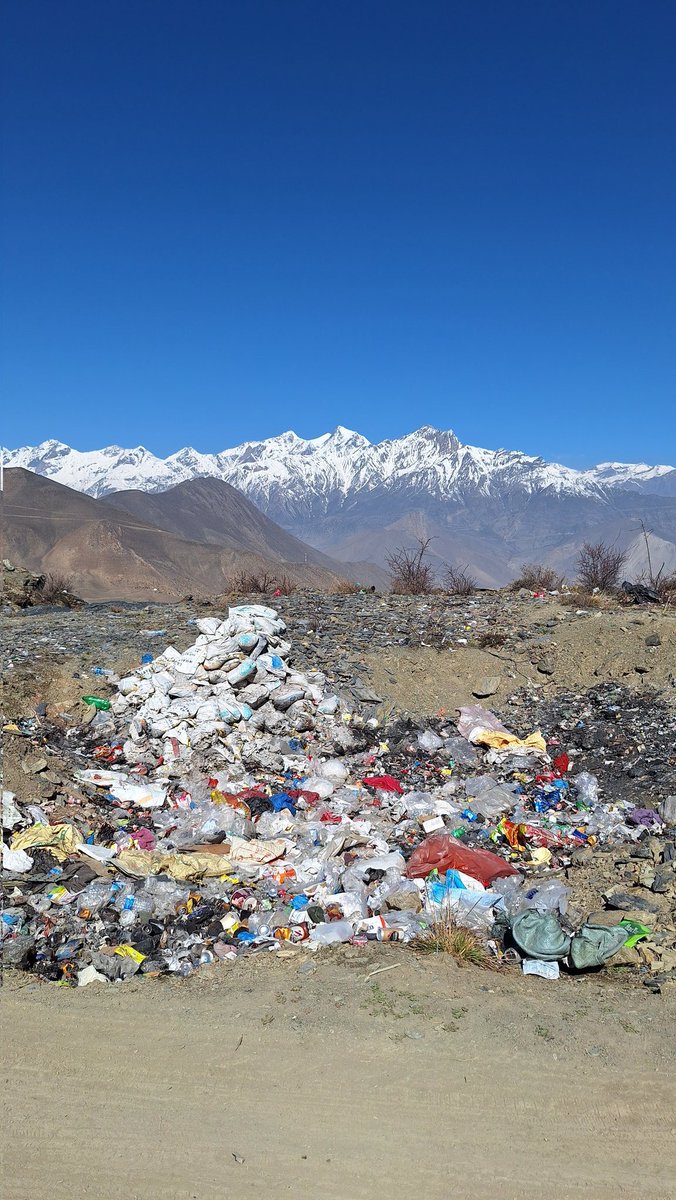
Kathmandu has normalised 2 problems.
Drinking water. Thousands of 20 litre jugs are found in hundreds of homes. Ppl paying upto Rs 160 for 20 litres..at home.
Raw Sewage flowing into Bagmati running through the city.
What are we actively chasing? Monorail in ring road.
६बर्ष पहिले नेपाल फर्किदा, एउटा हुटहुटी थियो। कम विकसित देशमा एउटा उत्कृष्ट अनुसन्धान संस्था निर्माण गर्ने र यहाँ बसेर विश्वस्तरिय अनुसन्धान गर्ने। त्यहि सोच अनुरूप हामीले ग्लोबल इन्स्टिच्यूट फर इन्टरडिस्प्लिनरी स्टडिजको स्थापना गर्यौं। शुन्यबाट शुरू भएकाे यात्रा सात बर्ष पुग्दा।
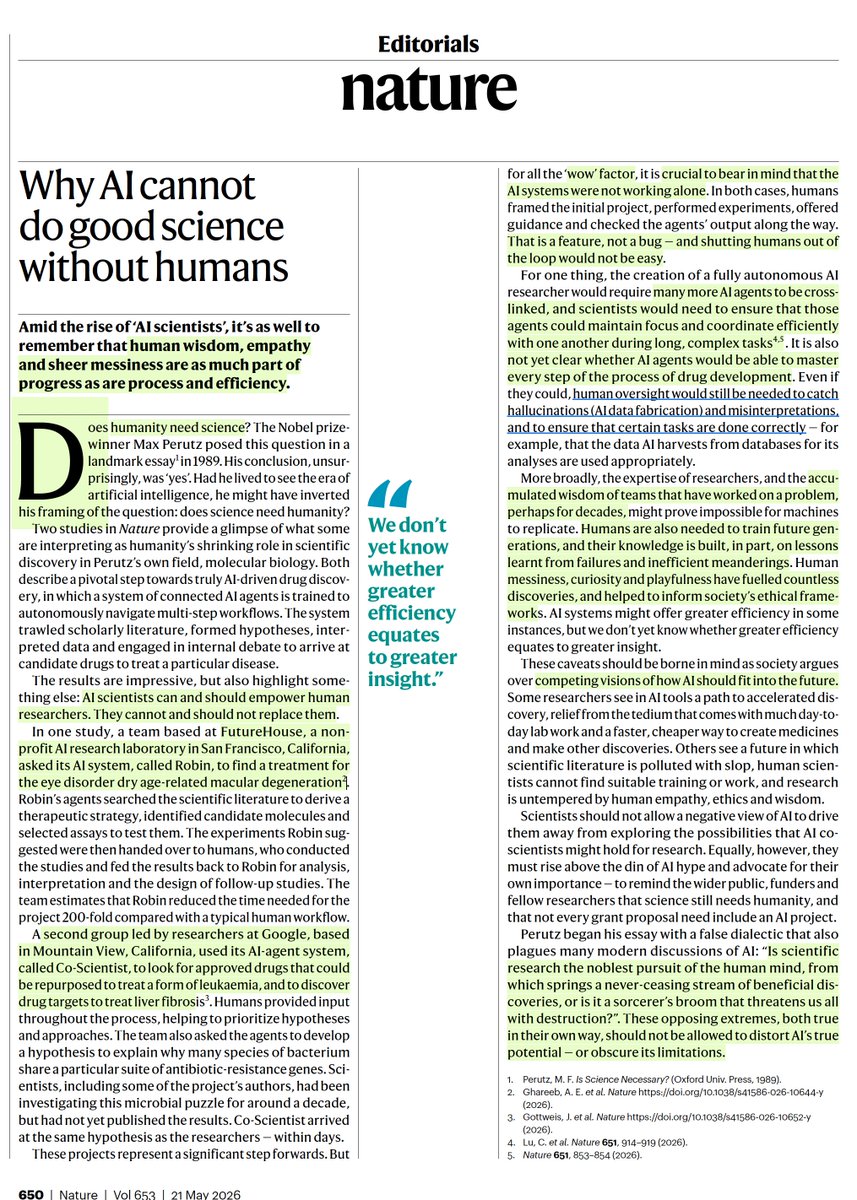
Important editorial @Nature on the new "AI-scientist" papers
"AI scientists can and should empower human
researchers. They cannot and should not replace them."
https://t.co/CZQUrMV8D1
Happy World Bee Day!
Protecting commercially managed honeybees is not enough. Our farms, forests, and food systems also depend on bumblebees, wild bees, butterflies, beetles, flies, and many other pollinators.
I wrote about this in Nepali: https://t.co/jnBVhBj7X8
#newspeciesalert
The hundred-year glow: New firefly species discovered in Meghalaya
For the first time in over a century, scientists from @DonBoscoUniv and @UOR_SL have discovered two new firefly species! Found in the remote forests of Meghalaya, Diaphanes meghalayanus and Diaphanes mawlynnong represent a leap for biodiversity research in the Indo-Burma hotspot.
To know more, tap:
https://t.co/v38U8gIF99
@JIBSBiotaxa | @moefcc
#newspecies #biodiversity #dumpyards #science #sciencecommunication #IndianScience #ScienceinIndia
My photo vs AI SLOP! You CANT tell the difference anymore! 😤
It is so SUFFOCATING to watch social media be filled with deceptive AI that is drawing attention away from real photographers and REAL stories trying to be told about wildlife!
It is so DANGEROUS for conservation! 🕷️
My latest op-ed in @Republica explores a question Nepal must take seriously: are we reducing forests to carbon numbers while overlooking biodiversity, local livelihoods, and community stewardship?
Inspired by: https://t.co/3QMxe7VfhZ
Read: https://t.co/8xLN34C29M
My contribution to @NatRevBiodiv draws on field experience from Nepal to highlight why baseline data matter for insect conservation in the Hindu Kush Himalaya.
Read: https://t.co/qJqYpekODf