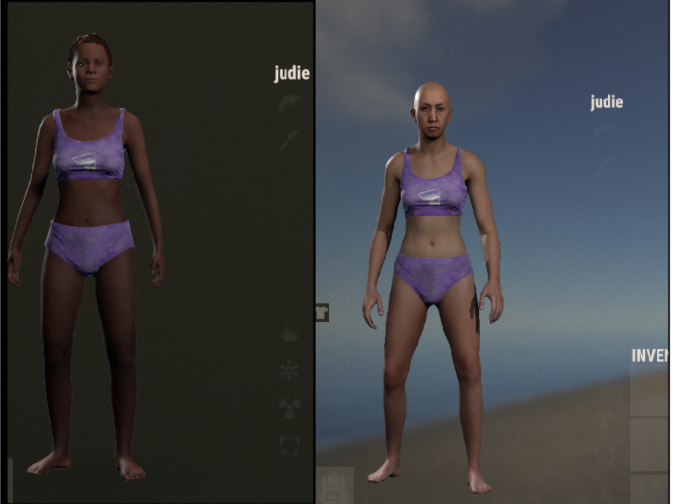
been playing cs my entire life and never once felt like i needed to run stretched
is it really that much of an advantage or is it just a crutch for noobs
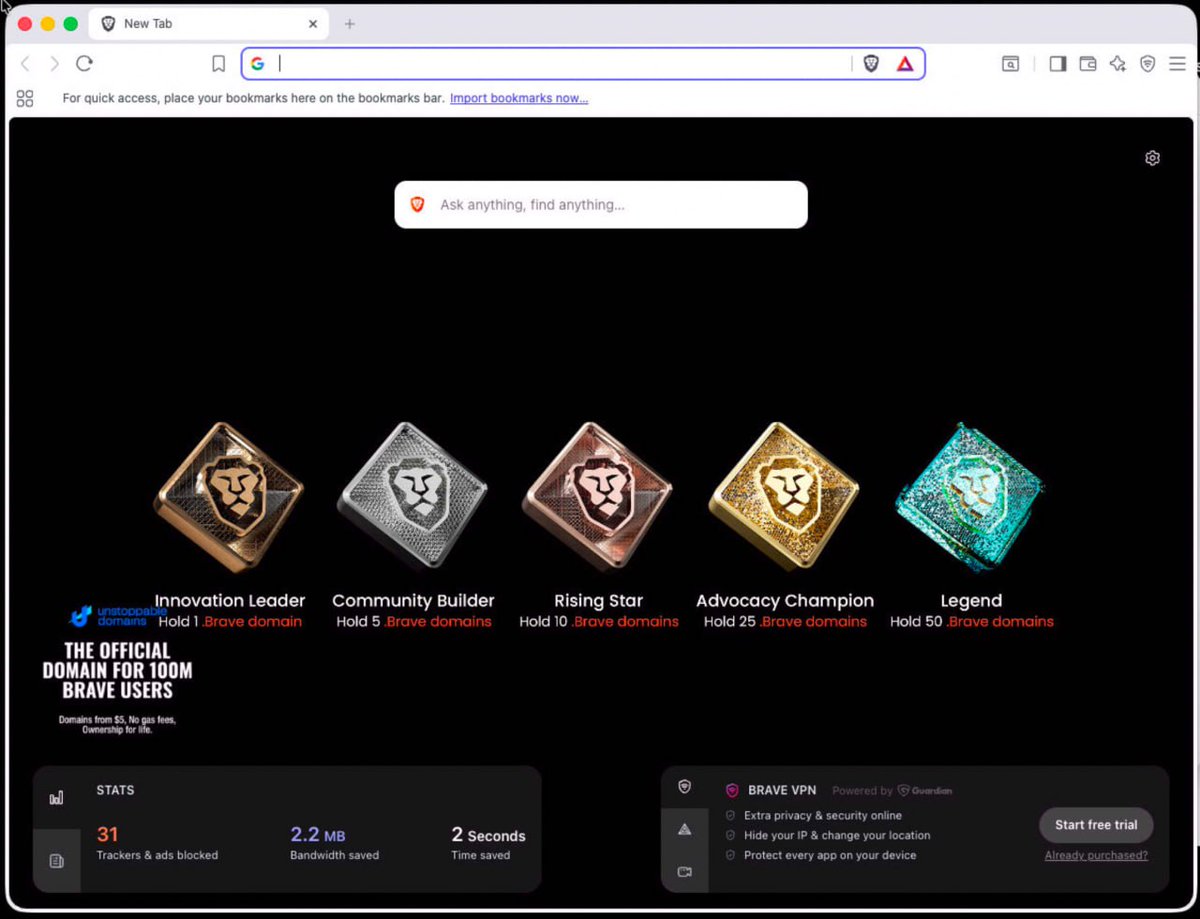
A fresh Brave install in 2026: sponsored ad wallpapers on new tab page by default (opt out). Brave VPN, News, Talk, Leo (AI), Rewards and other revenue-milking bloat is advertised/pinned by default. Analytics and "phoning home" by default. Google as default search engine in most regions by default. Sponsored search engines like Russian Yandex in CIS countries by default: https://t.co/nCK7ZErytG
Brave has an ad branch that handles advertising within the browser: https://t.co/EwJwKKgWxq. Brave does on-device ad targeting based on cohorts and interests, just like what Chrome used to do and what Google was largely hated for (remember FLoC?). This applies to additional (opt-in) rewarded ads, shipped as part of Brave.
Brave has injected referral IDs to crypto-related URLs entered into the omnibox in the past, intentionally, by design:
https://t.co/hovGMDz8Et
https://t.co/3wdWDEV85H
https://t.co/fo1mD75vAF
Brave also uses dark patterns to drive users away from turning off ads in their browser. For example, an article linked from the "opt out" button in the browser has a wall of text making excuses for ads before the actual steps needed to be taken to disable them: https://t.co/dka1EIMtbw
kind of hypocritical for brave to judge firefox for lesser bullshit, don't you think?
(not so) fun fact: brave's fingerprinting protection is a privacy theater mostly meant to pass benchmarks instead of offering real protection. brave has ignored several reports from researches for years, such as this one: https://t.co/mZDH7n2ny9, and didn't hold up any promises made
for comparison, @heliumbrowser offers higher quality fingerprinting protection (on less surfaces, admittedly), because we work with researchers like @cyyynthia_ instead of passively suppressing their reports and continuing to glaze self on social media.
browser fingerprinting protection as a whole is somewhat snake oil. it can be made more complicated, but can still be worked around in all browsers, including helium.
Last week, Canadian authorities arrested 23-year-old Jacob Butler, known online as "Dort". Butler was heavily involved in the development and operation of the KimWolf and Aisuru botnet
In December of last year, the Aisuru botnet launched the largest DDoS attack ever recorded against CloudFlare infrastructure, peaking at 31.4 Tbps and 200 million requests per second
The KimWolf botnet infected more than a million IOT devices, mainly including TV Boxes, cameras, and even digital photo frames
Butler is charged with one count of aiding and abetting computer intrusion. If convicted, Butler faces up to 10 years in prison