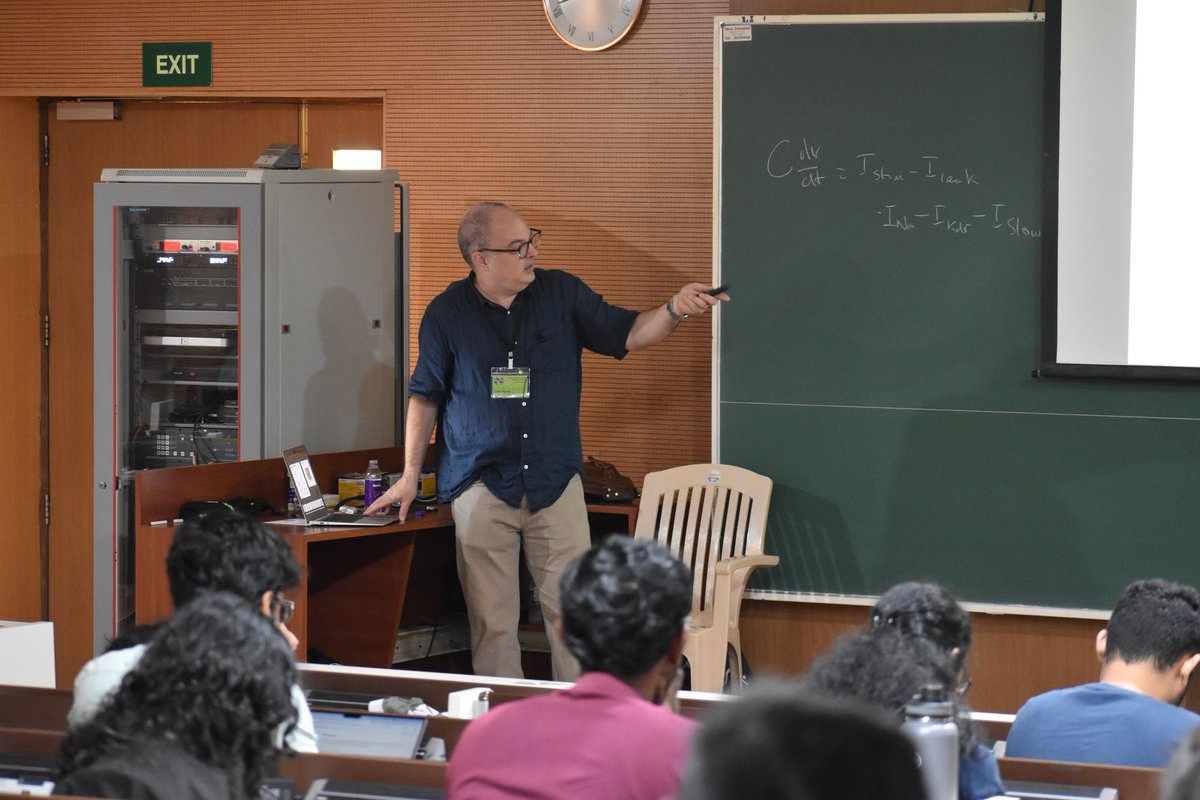
Quantifying the contribution of somatosensory afferent types and changes therein to pain sensitivity using transcutaneous ... https://t.co/T6nO7IRZmS #biorxiv_neursci
Out now in @SfNJournals! 👋 Our latest work on touch and vibration sensing in rodent mechanoreceptors.
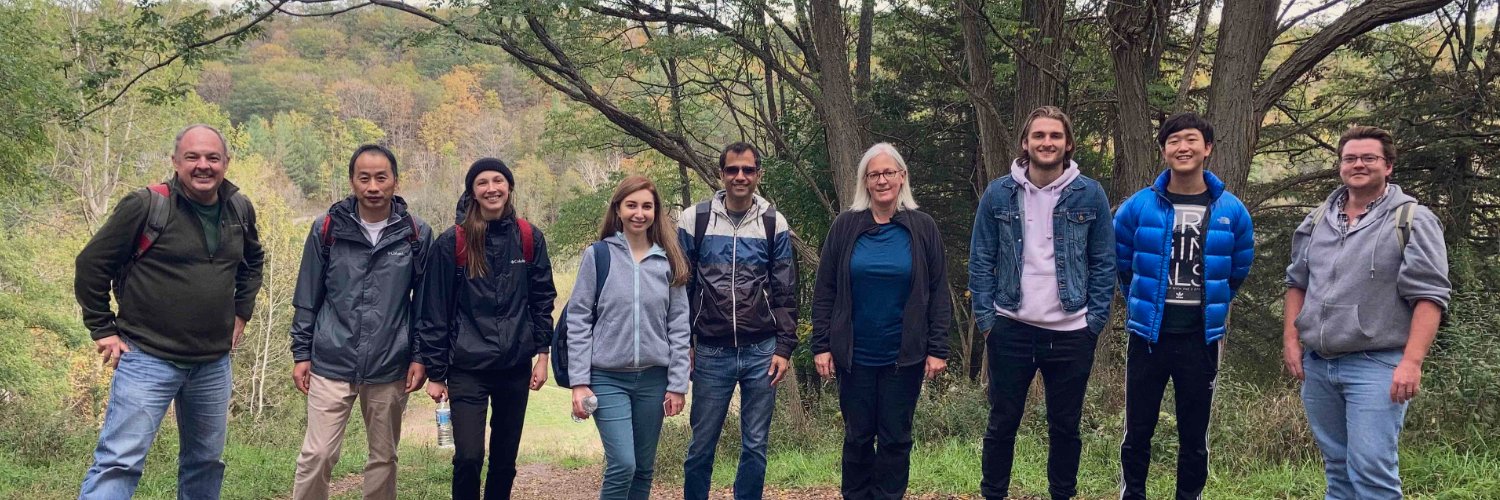
A beautiful experimental and modelling collaboration thanks to Dhekra Al-Basha, @Chris_Dedek, @AHalawa99 and the whole @PrescottLab team.
https://t.co/1totx2Wy12
Interested in Na+ channels and pain?
Come talk to Stephanie at #SfN2024 about our recent work showing that different Nav channel combinations can yield similar excitability in nociceptors!
🟡 Monday 8-12pm at 165.18
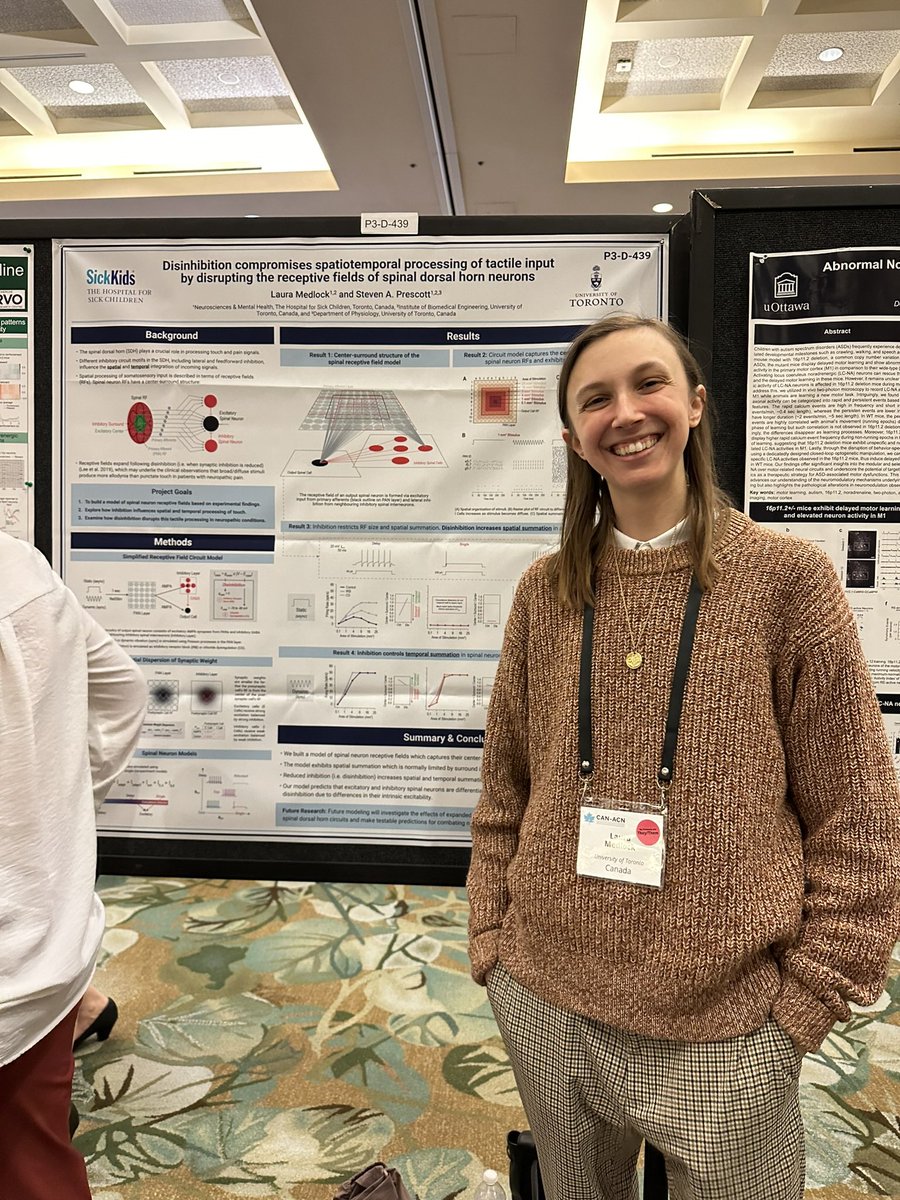
I’m at #SfN2024 presenting my latest work on spinal receptive fields and pain.
We show that spatially and temporally disorganized stimuli preferentially activates inhibition!
Come chat about the implications for therapeutic neuromodulation on Sunday from 1-5pm at 112.01 🤩
First in-person #RitaAllenFoundation meeting since the pandemic! It was fantastic to learn about so much great science and meet so many generous, open-minded people. And a big shout-out to the #PainScholars ! I encourage everyone to apply and join the foundation!
HOWZAT!!!
"Degeneracy makes it impossible to claim w/o reservation that one NaV subtype is uniquely responsible for pathological pain" 🤯
@eLife: Similar excitability through different NaV channels & implications for analgesic efficacy of selective drugs https://t.co/lxMzPMGRVB
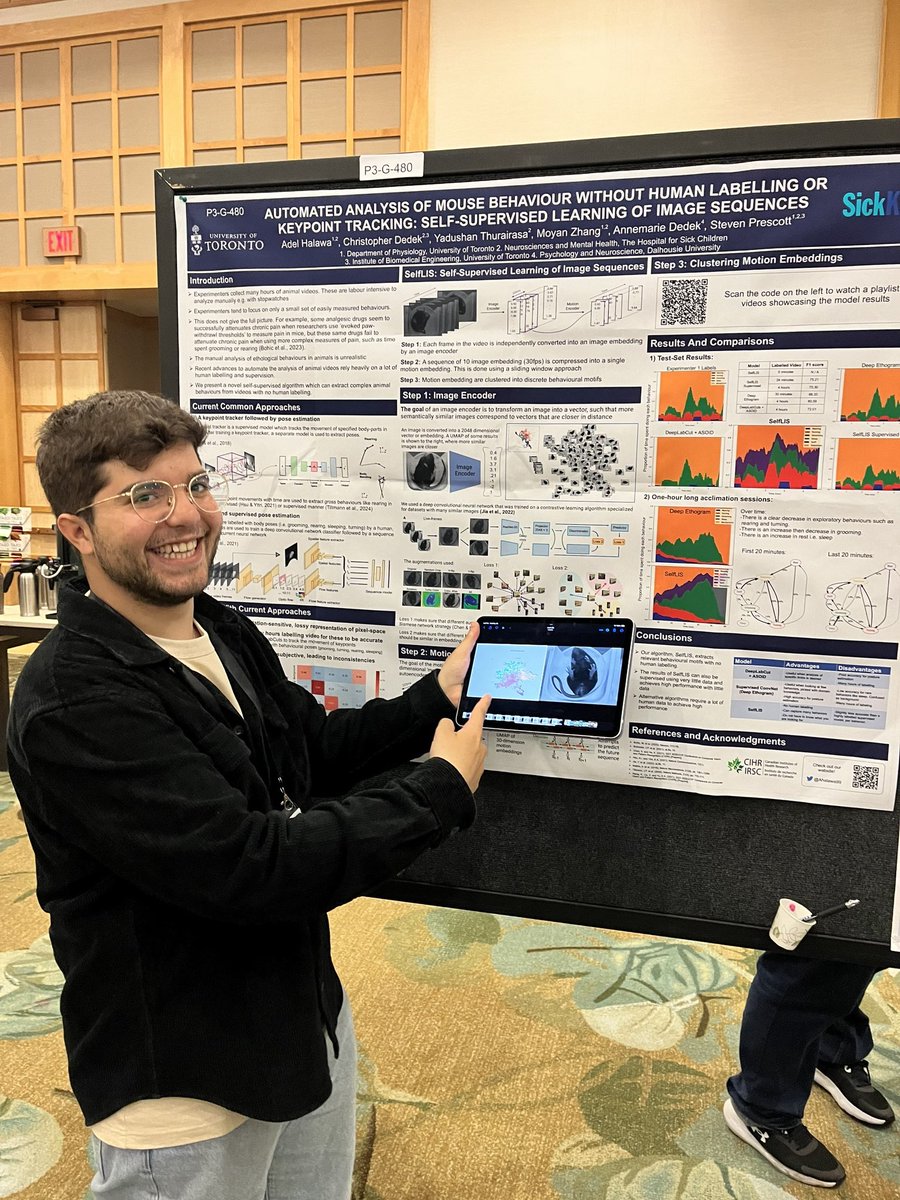
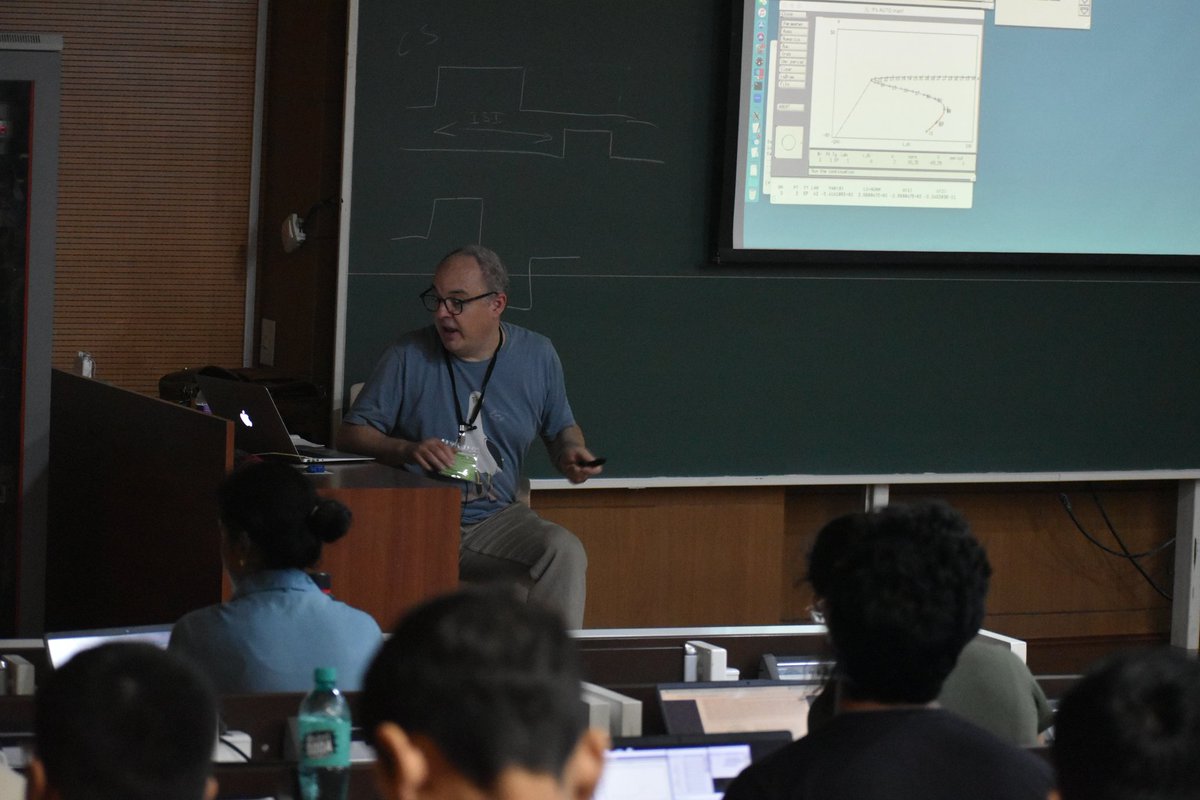
The Prescott Lab is at #CAN2024 in beautiful Vancouver 🏔️
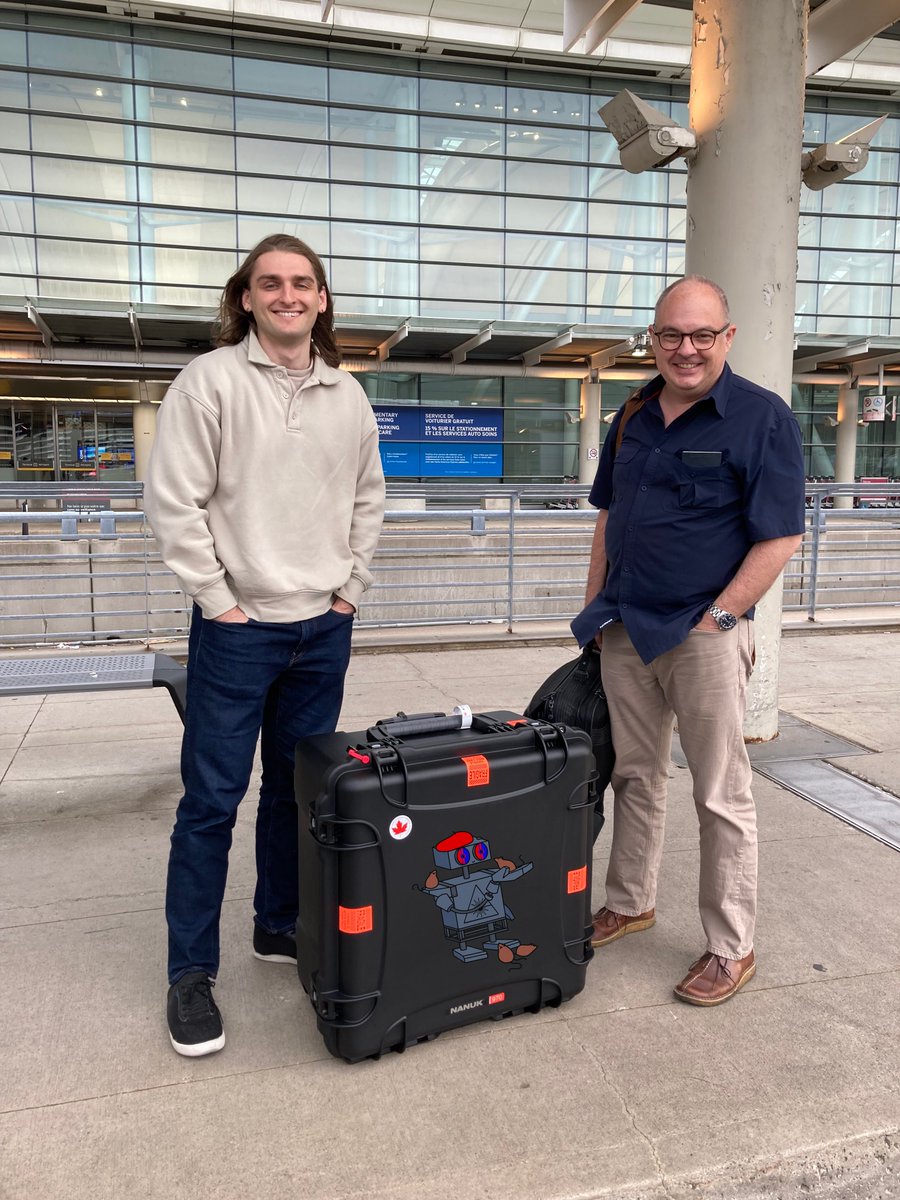
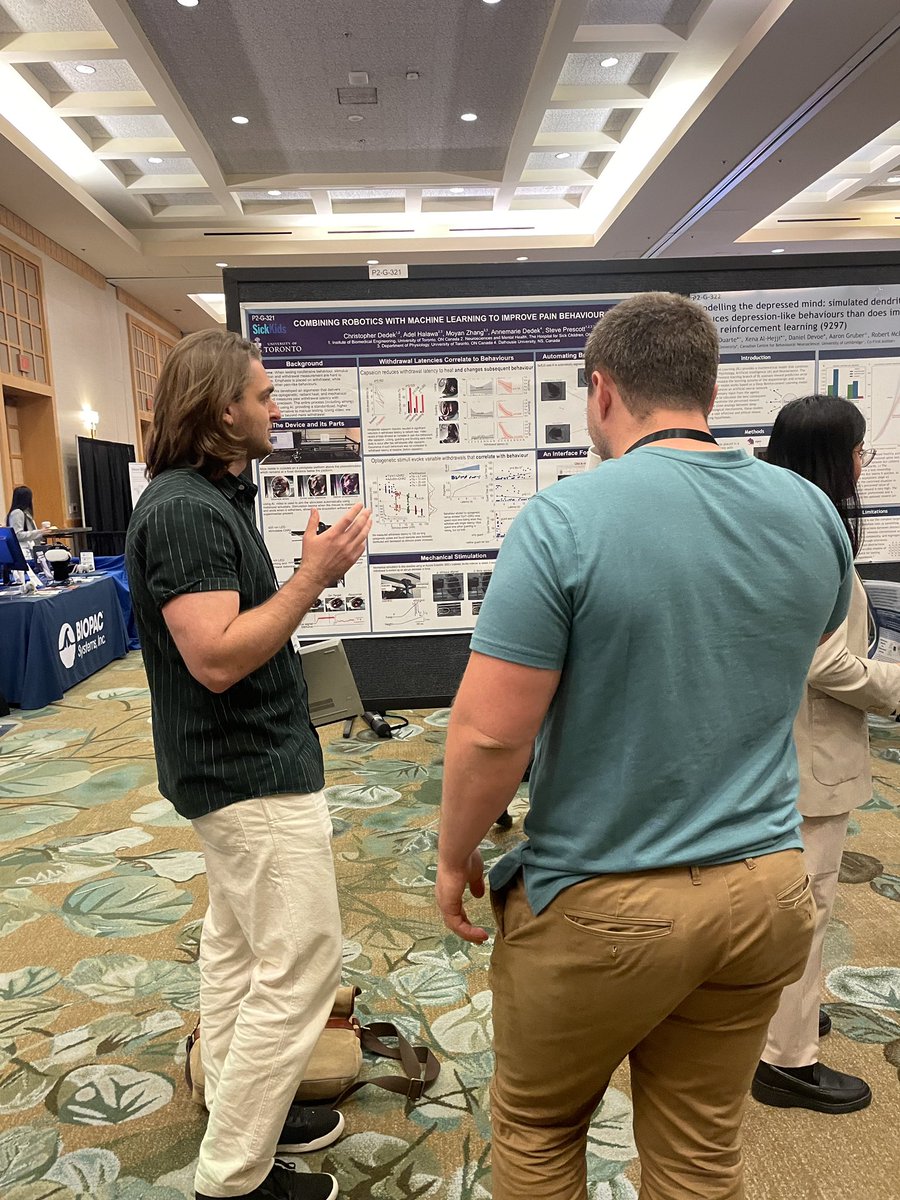
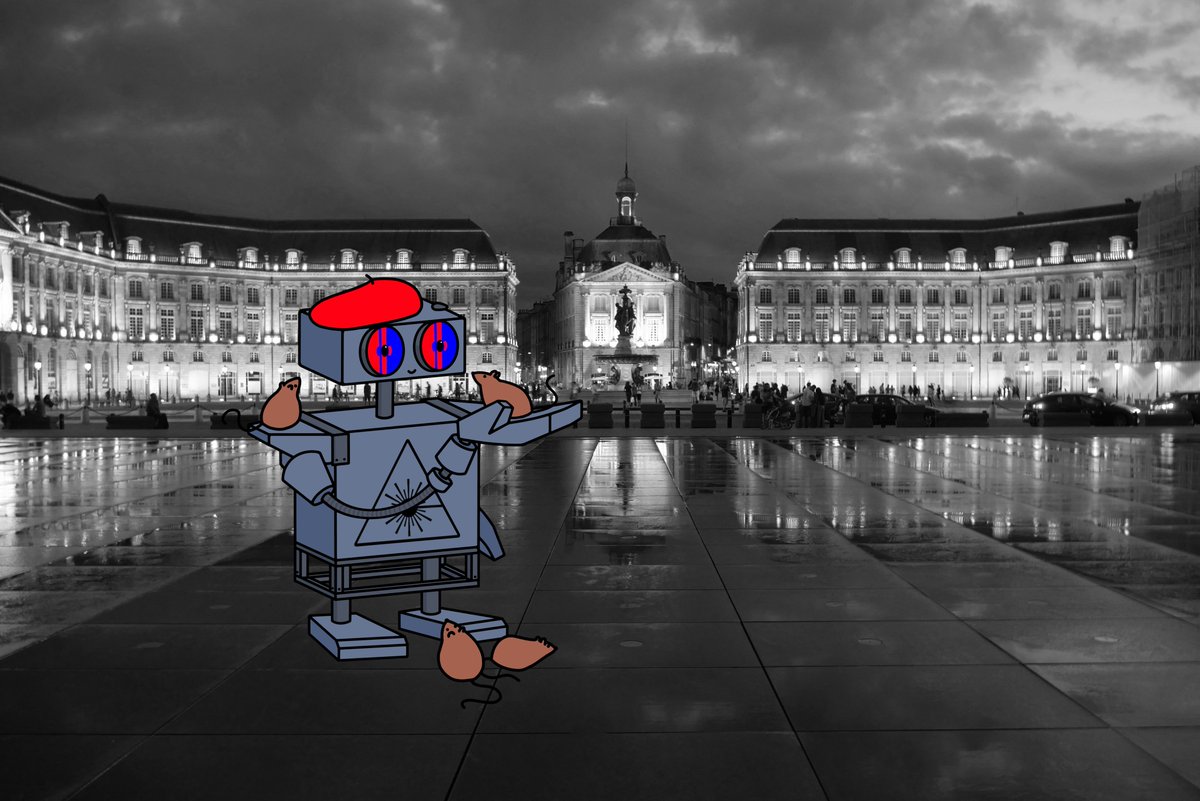
Stop by @Chris_Dedek’s poster today to meet @RAMalgoTheRobot and see our latest work in robotics, machine learning, and pain.
This just in: There are better ways to perform nociceptive behaviour tests! Read the latest @_TheTransmitter article highlighting the importance of reducing variability, including our work in the @PrescottLab!
https://t.co/yQgsrsWgiy
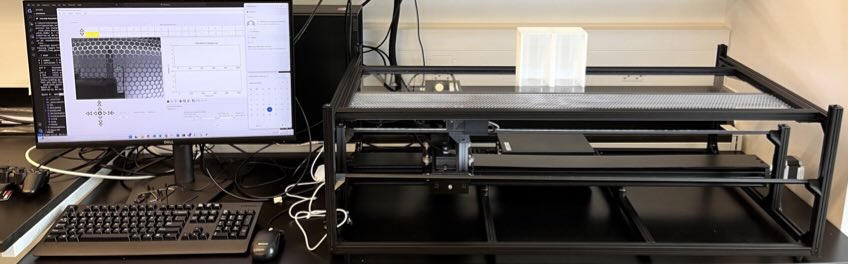
1. Excited to share our improvement of pain testing in rodents. No more back-breaking inconsistent poking of mouse paws. We present the ARM (Automated Reproducible Mechano-stimulator). 1/7
https://t.co/fVUqn19V83
Excited to be part of this incredible work by @SpinalCordMark and @VAbraira, out now in @NeuroCellPress! 🎉
https://t.co/dbJYieLmYh
In this work, @laurmedlock uses a network model to show how PV+ inhibitory neurons in the deep dorsal horn gate cutaneous-evoked muscle activity.
Together with an Evan Roger and @scott_lempka we published today a preview to the beautiful work from @PrescottLab detailing the effects of High-Frequency spinal cord stimulation on sensory axons! We need more of these works in the field! #neurotech https://t.co/ySSMcyVTdX