Postdoc @NASAJPL, previously @UniofOxford in Computer Sciences & ML, researcher and team lead at @FDL_AI, AI Artist at @UAL and analog photographer for fun.
Excited to share our new preprint on automatic detection of #methane leaks with ML and extensions of this system to other trace gases - NH3, NO2, and CO in #NASA's global EMIT imagery 🌍🤖
Try the Colab demo + access 348 newly detected point sources on: https://t.co/2e7fBwCmj3
If you'd like to know more details about the research, there's a public pre-print of my last paper available at: https://t.co/towqwEuYyq
(And soon the complete work will also be available in my PhD thesis)
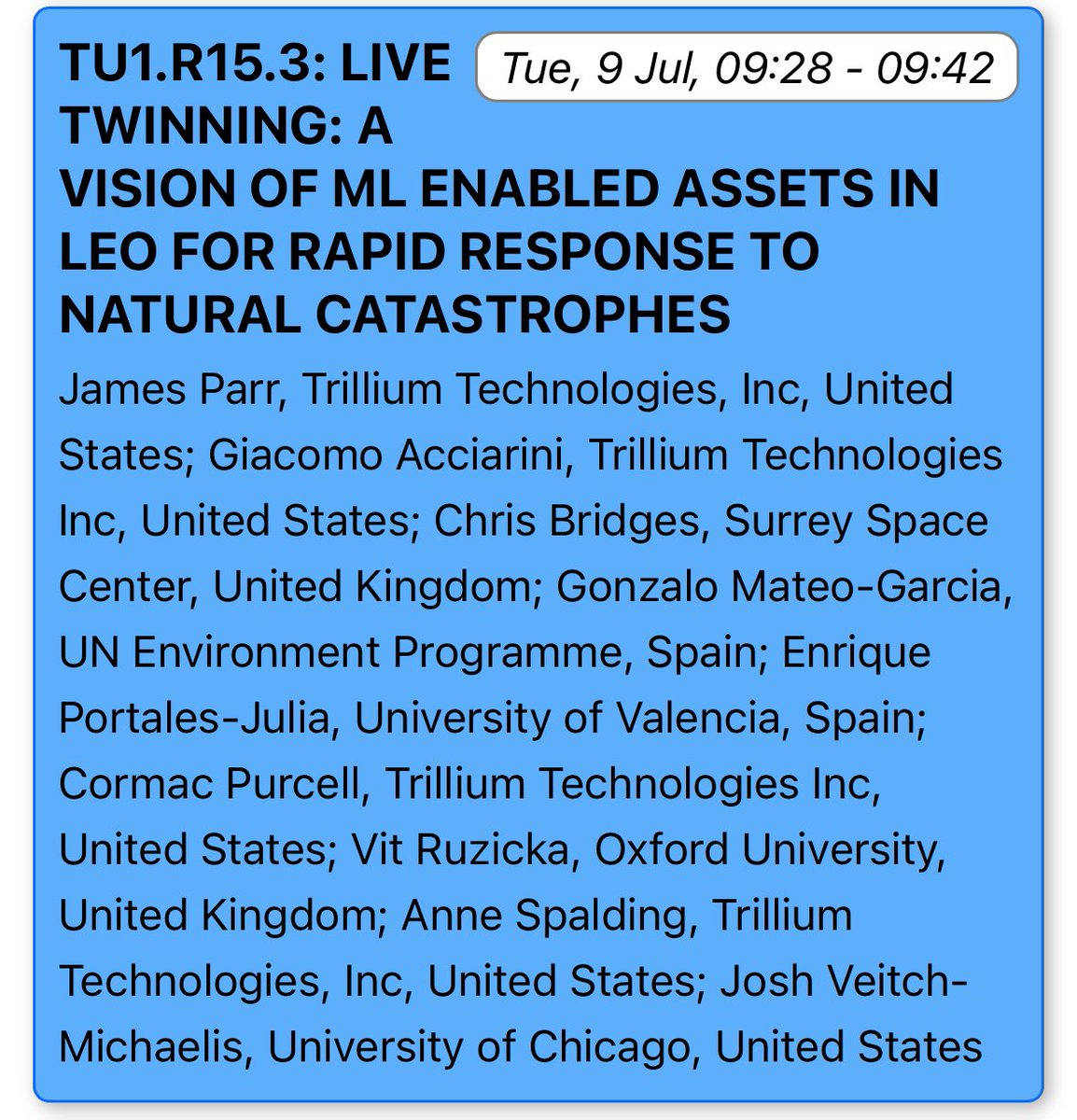
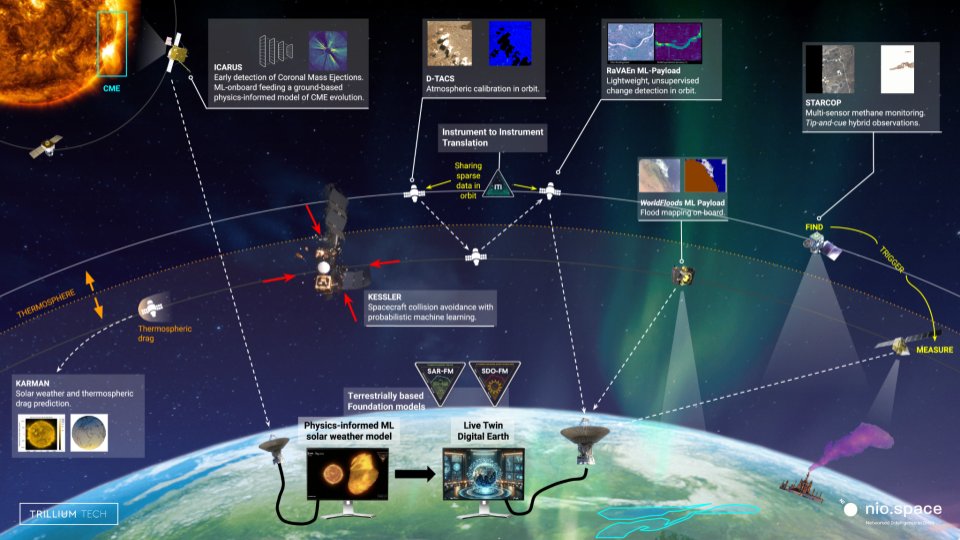
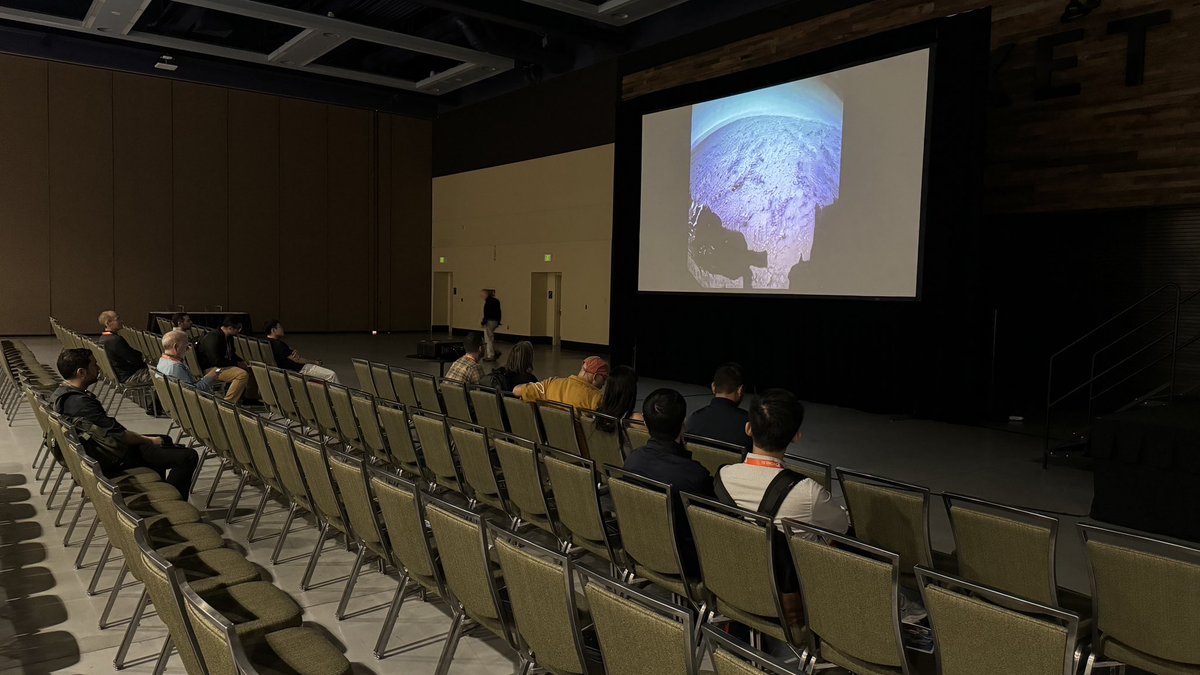
Tomorrow morning presenting Trillium Tech and @FDL_AI projects at #IGARSS about AI on-board of satellites for disaster detection and beyond.
Come say hi to the Mercury Hall!
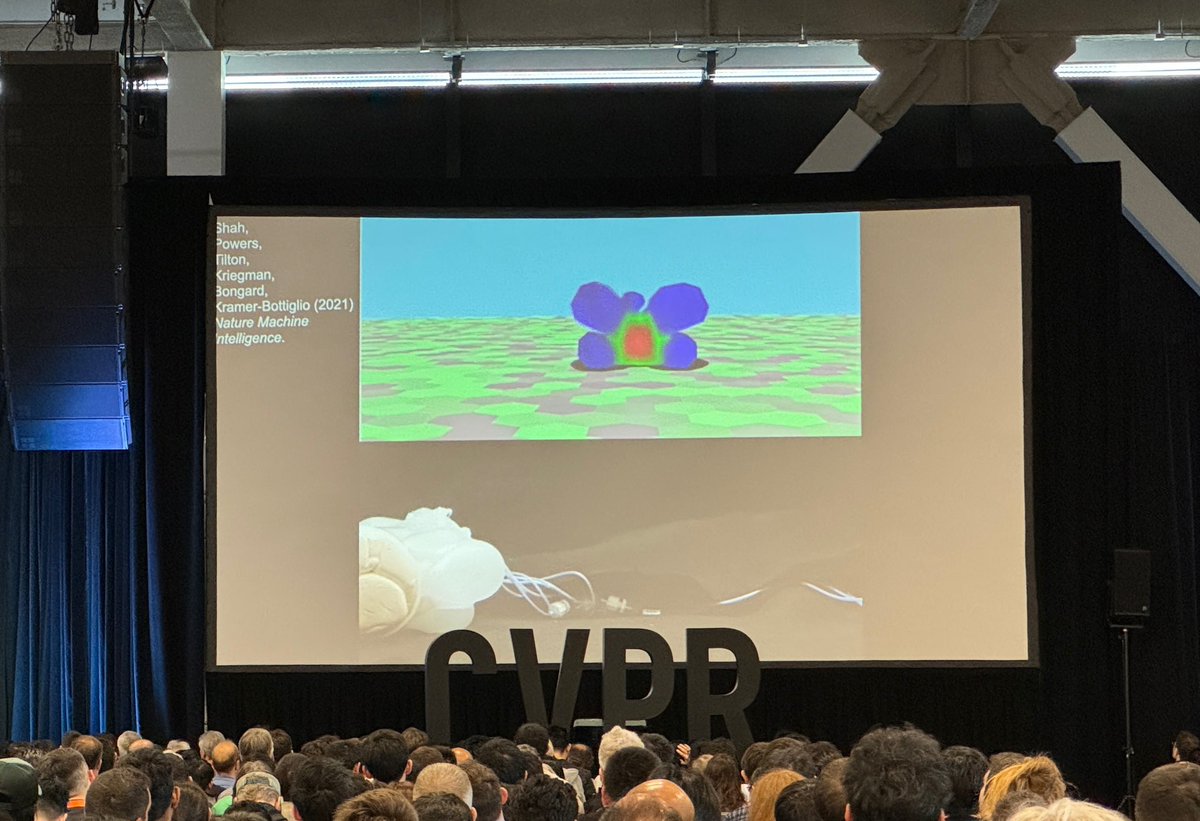
Like the old work by Karl Sims, but in reality and with frog cells. (What's crazy to me is that the simulation must be pretty accurate, so that whatever is created there also "works" with real cells)
Paper from 2019 already here - https://t.co/wcJAnw5ZuB
Highlight from the 1st keynote at #CVPR by Joshua Bongard @DoctorJosh:
Genetic algorithm for assembling heart and skin cells of real frogs to build robots out of biological materials. Crazy! First in simulation, then assembled in reality. With sensors and actuators.
Currently at #CVPR presenting my experimental short film "One Sol in the Life of Curiosity" at the AI art gallery.
Projecting in Arch, in the 4F area, Wed-Thu-Fri at 11am. Come check it out!
More info about the piece: https://t.co/uTYY9SgCO9
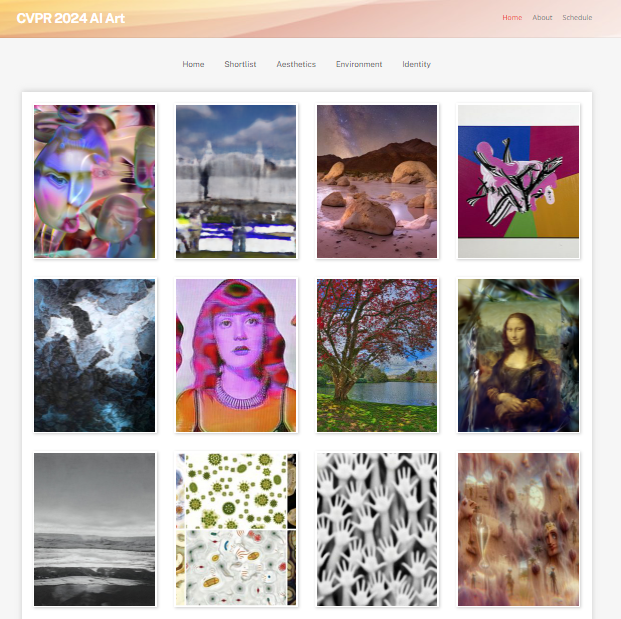
The @CVPR AI Art Gallery is now live 🤖🎨
Featuring 115+ artworks using or about computer vision😎
View them here: https://t.co/XTGoCWbbKG
#AIart#CVPR2024
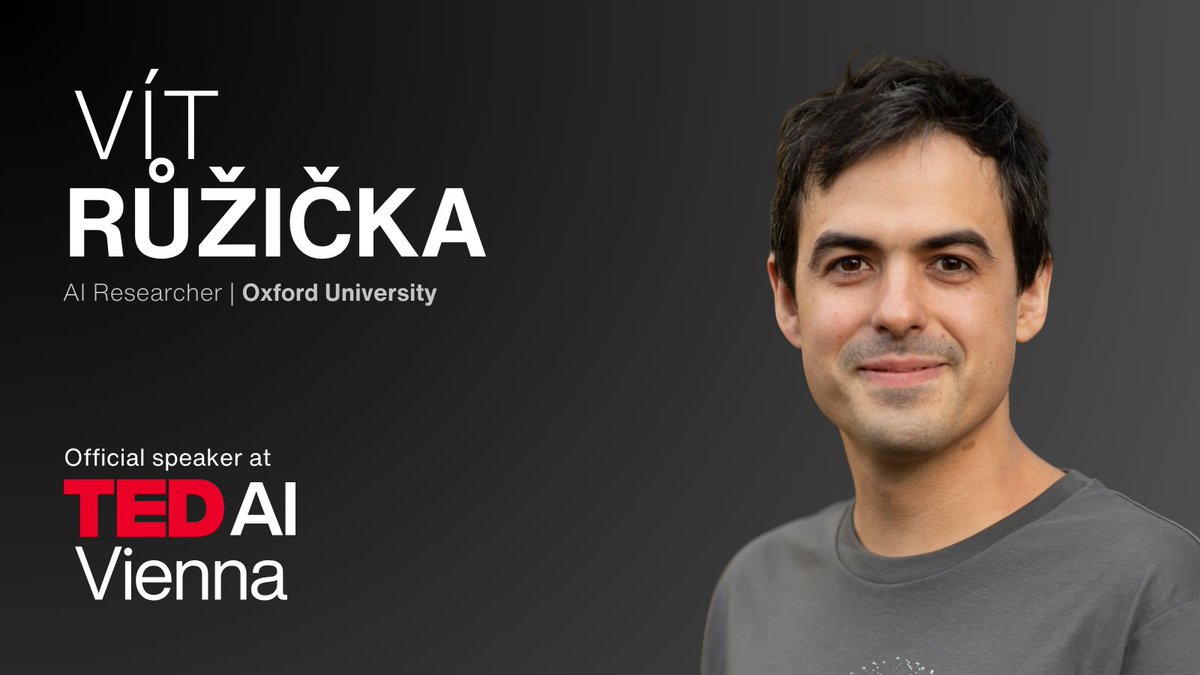
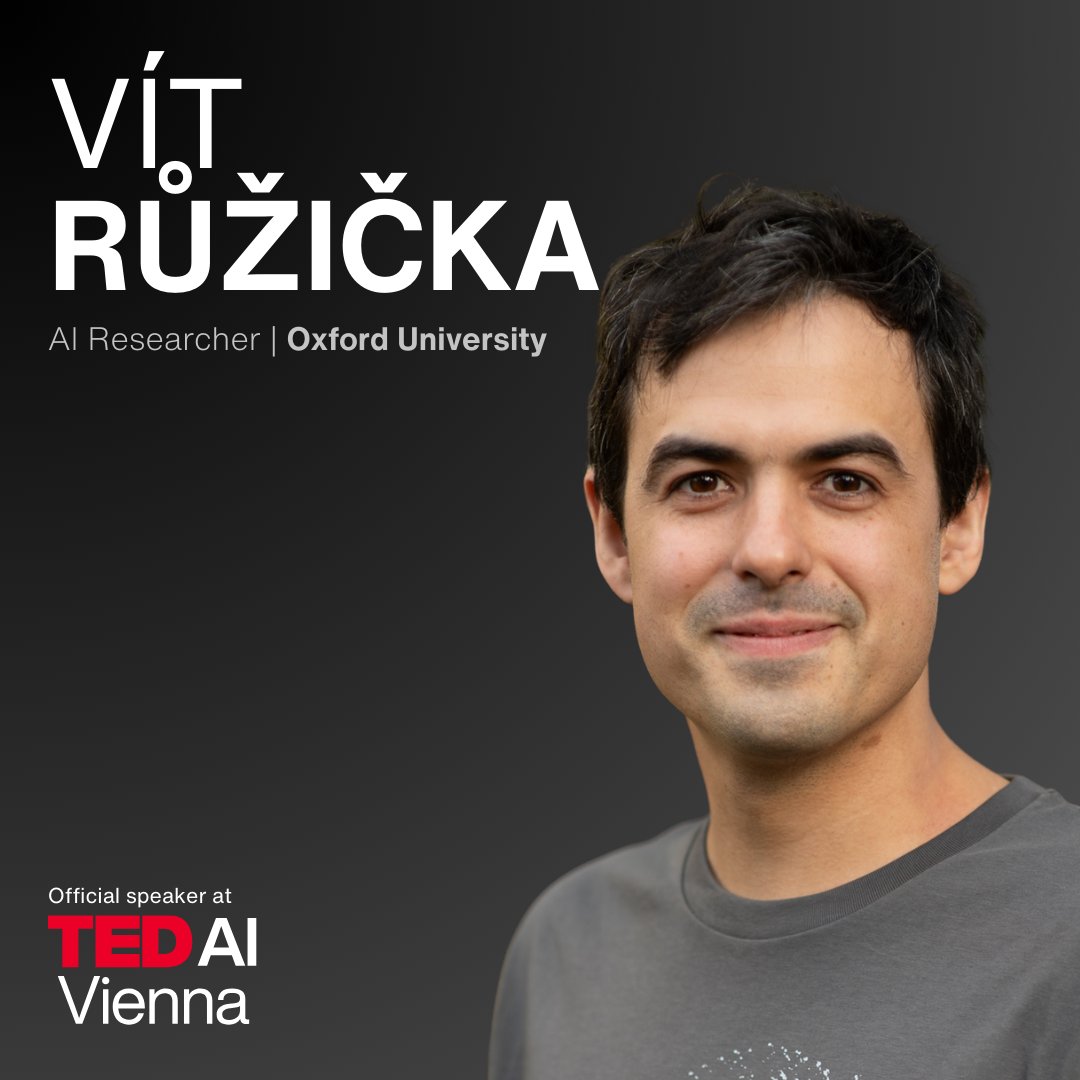
Very excited to share this amazing news, I have been invited to be a speaker at the upcoming TEDAI in Vienna this October!
I will be talking about my research in #AI4ClimateChange topics, namely for automated detection of methane leaks in satellite data.
#methane@TEDTalks
Curiosity is now recording short films observing day night cycle on Mars - https://t.co/1XugRSrIcx - it looks a bit like our generated short experimental film https://t.co/wlKMYISdYQ where AI filled in what's between real samples
Hey look – I’m a sundial!
Ok, not exactly, but I did get a sol to enjoy my surroundings. During solar conjunction, I used my hazard cameras to study the Martian weather and dust.
As this Earth year comes to an end, I hope you’ll take the time to soak in what’s around you.
Recruiting:
We are hiring a Research Associate on Optimisation for Game Theory and Machine Learning. The successful candidate will complete academic research & manage administrative activities. For details & applications: https://t.co/CpmOG3Mm8l
#compscioxford#oxfordrecruitment
AI detects #methane plumes from space, could be powerful tool in combating climate change @UniofOxford@SciReports https://t.co/yjsxVTeXKA https://t.co/qkpF27Tt9D
What's new in the world of Methane Detection with ML? Interested in doing research with Hyperspectral instruments, but missing data🤔?
Check out the news story released by @UniofOxford on our latest paper at: https://t.co/xYsWqSX9Uk
#Hyperspectral#MachineLearning for #methane
Finally, the data is open source and uploaded at: https://t.co/cNPgyZ46MZ
Codebase to explore the data and to use our pretrained models is at: https://t.co/wFdjxrq5RZ
For more details follow the paper here: https://t.co/Knhuym4Gc4