Botanical illustrator and author Wendy Hollender and this year's cohort of artists have returned to study and practice drawing plants at NTBG headquarters. If you're on #Kauai, mark your calendar for our Florilegium Art Exhibit March 13 -May 2. https://t.co/bG0MuswKcG
Relationships between people, plants, and places are central to meaningful conservation. Through the lens of traditional #Hawaiian oli (chants), we celebrate cycles of growth: seed, sprout, leaf, branch, and flower. Watch one planting oli that inspires us: https://t.co/4wiy8BIVpA
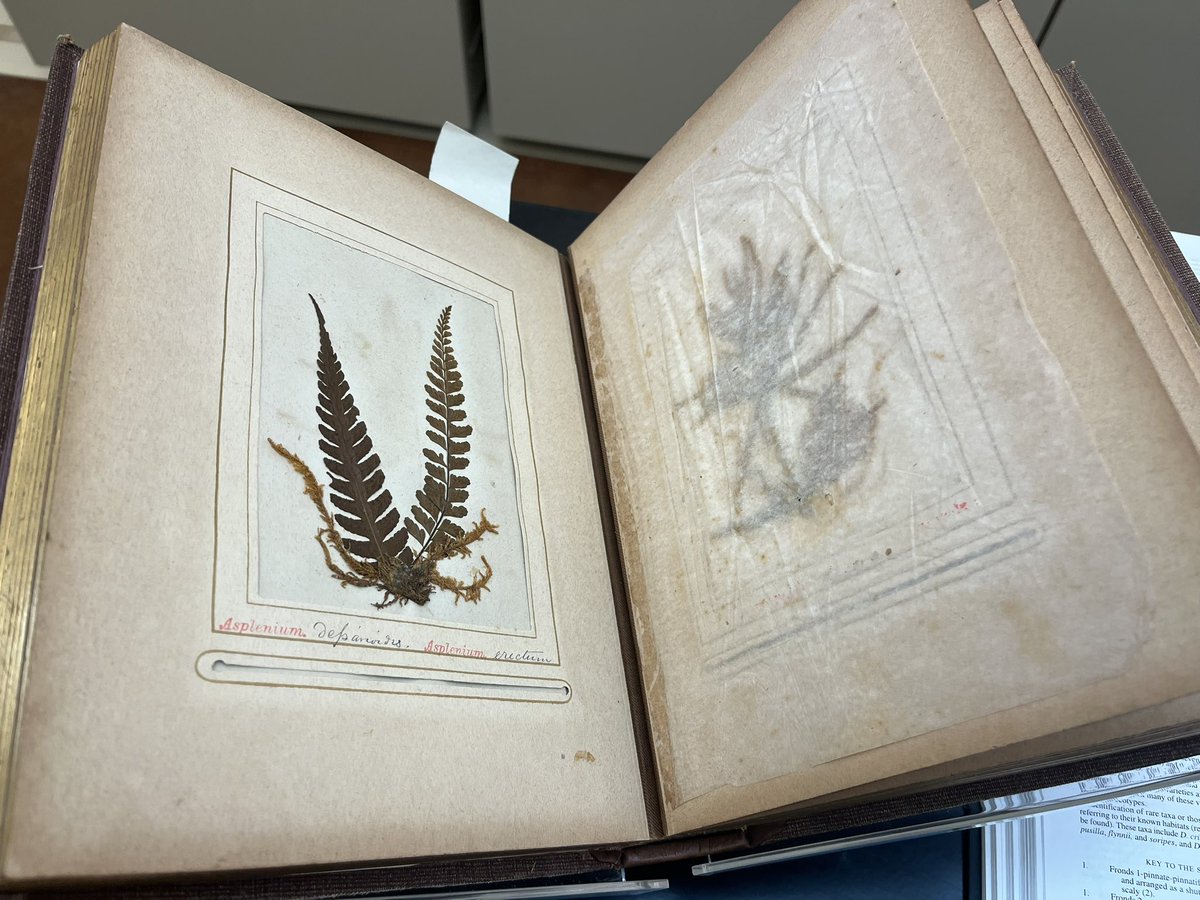
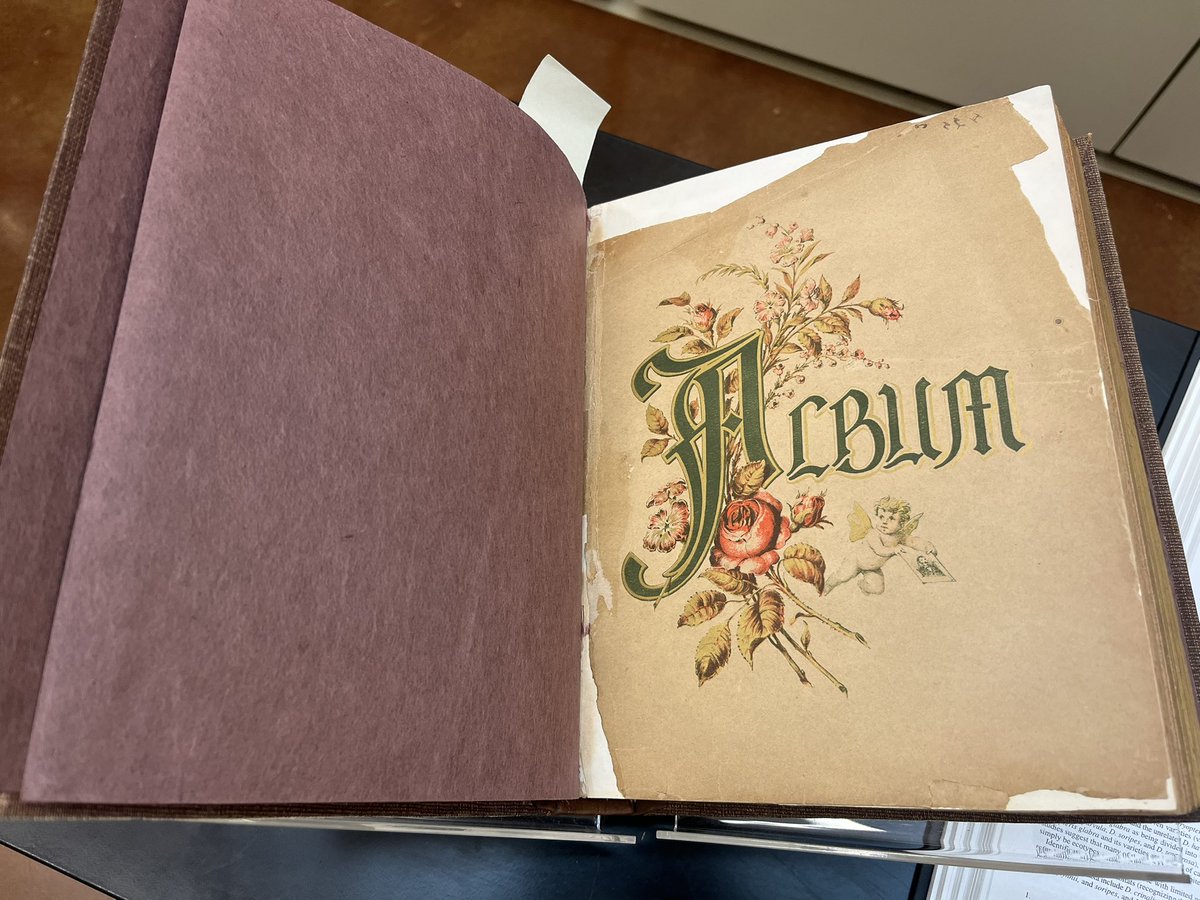
On #WorldBookDay, Dr. Susan Fawcett shows off a book of pressed ferns from our rare book collection. Common, rare, old, or new, we value books for the knowledge they hold, the stories they tell, and their unique ability to transcend time & place. What books are important to you?
ICYMI: @wearehpr's Catherine Cruz interview with our Breadfruit Institute staff about the role of #breadfruit in community forests, food security, and its long history as a treasured crop in #Hawaii, the Pacific, and beyond. https://t.co/hwyWk7QeUJ
Community conservation program pairs native plants with forever homes. @wearehpr's recent interview looks at the Grow Aloha plant adoption program which began at NTBG but is now offered on #Oahu#Maui#Molokai#Hawaii Islands: https://t.co/cyDNkEevHw
Science writer @goes_by_kim takes a deep dive into endangered #Hawaiian gardenia conservation and the role of mycorrhizal fungi for @SmithsonianMag . Great #sciencejournalism with quotes by NTBG's Dr. Mike Opgenorth, director of Kahanu Garden on #Maui. https://t.co/kFnmD9gbhL
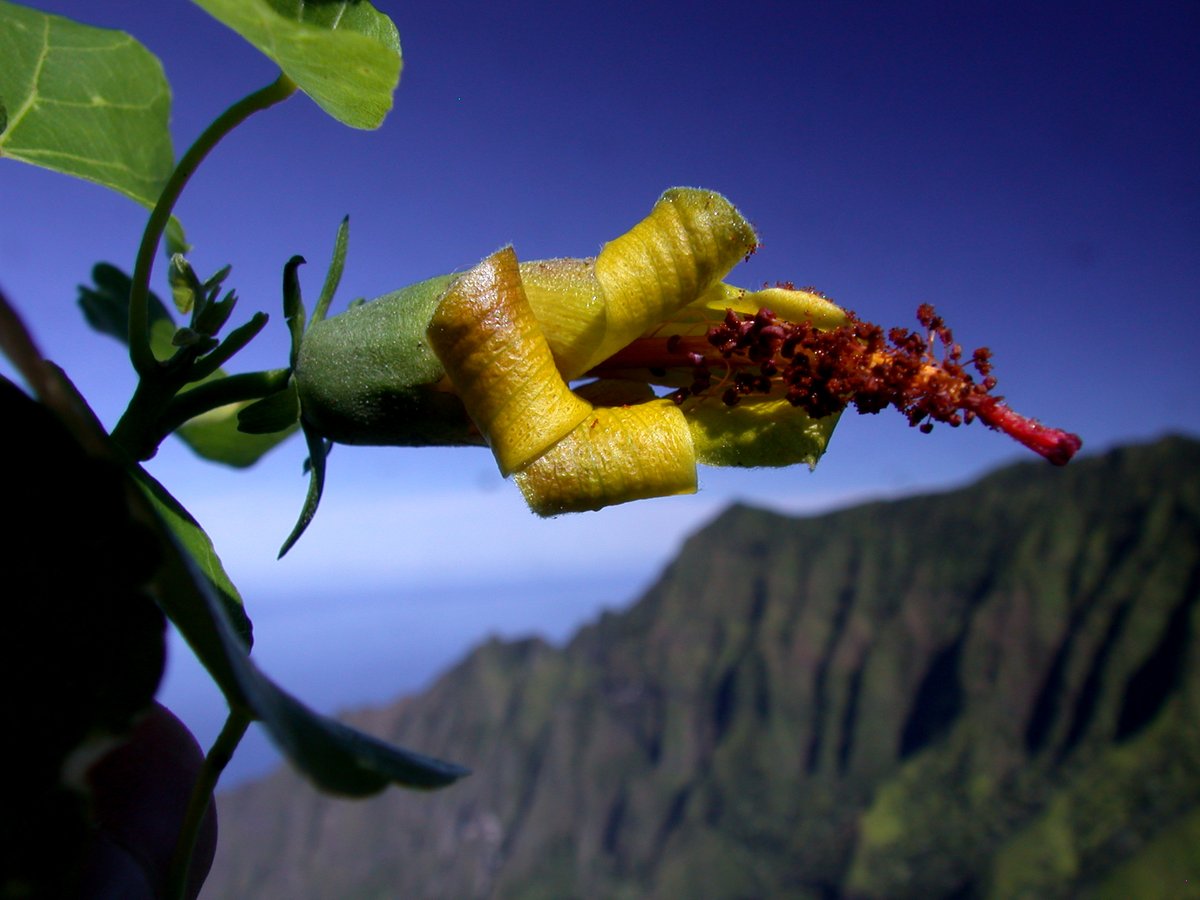
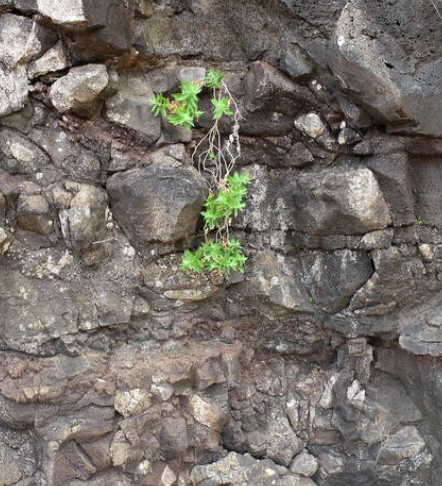
Mahalo @ecotraveler at @StarAdvertiser for covering the discovery of a new plant species on the high cliffs of #Kauai, something we achieved working with our partners and using drones and a robotic collecting arm. Read more: https://t.co/oAnxJLVmo6
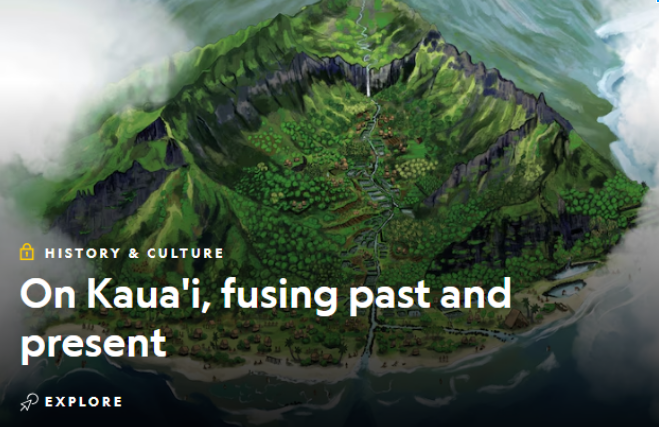
ICYMI @NatGeo's beautifully illustrated map exploring the traditional #Hawaiiansystem of land and resource stewardship is now fully accessible online. Learn about how people, plants, and place have thrived in #Kauai's Limahuli Valley for centuries. https://t.co/kwJzx0QFOd
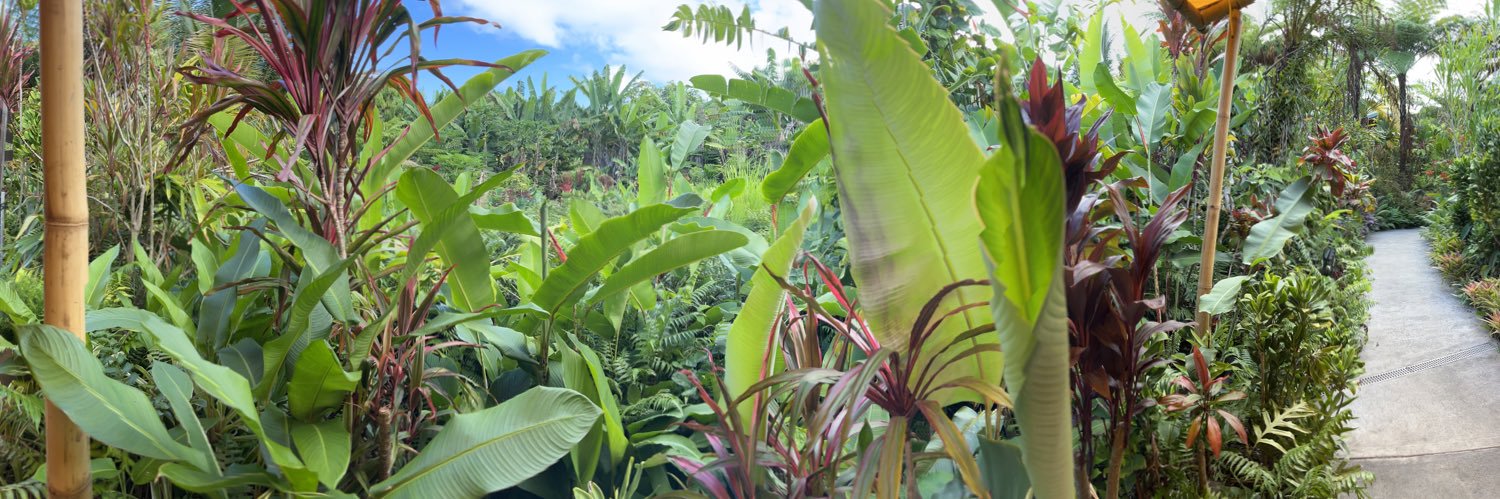
From establishing and preserving five garden sites on #Kauai, #Maui, and #Miami, to botanizing in #Hawaii, the Pacific and beyond, @NTBG has achieved so much thanks to so many dedicated people--from our Board and staff, volunteers, members, visitors, partners & others, MAHALO!!
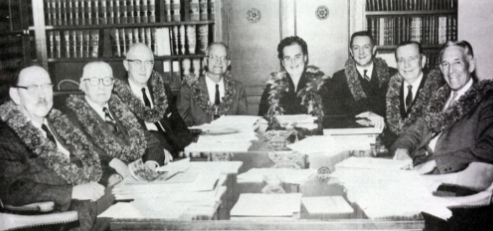
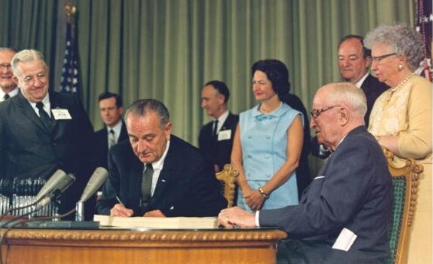
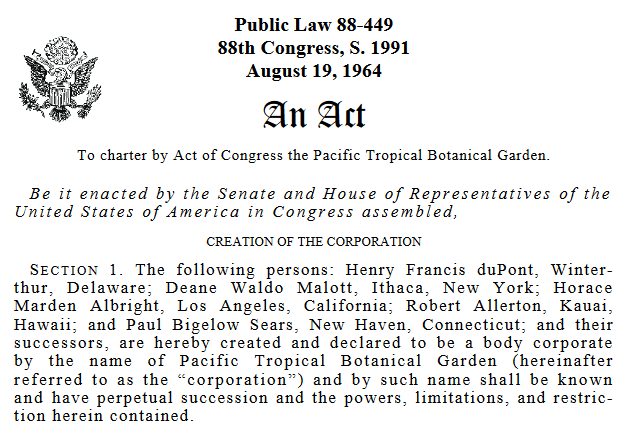
Happy Birthday to us!! Today, Aug. 19, NTBG turns 60 years old!!🎂 We were chartered by an act of Congress on Aug. 19, 1964. Here's to six decades of saving plants through exploration, discovery, research, conservation, education. Read our story here: https://t.co/WXpGRAI4vf
Interesting talk with @zteirstein of @grist >> What's VP Kamala Harris's record on climate policy? https://t.co/9tfK8uQYLh via WBUR Here & Now
This tiny fawn was born pretty early for Northern Minnesota as it was on its feet and walking as of May 16. Average date of birth for fawns in northern Minnesota is around May 26 per a study.
When fawns are born, it usually takes wolves a bit to “switch” to this new food source, likely because they have to develop, or re-develop the search image/scent of fawns.
For example, yearling wolves, which make up the bulk of most wolf populations, have never hunted fawns before so they have to learn those skills quickly.
To date, the earliest wolf-killed fawn we have documented is May 23. And this year, the first wolf-killed fawn we found was on May 27. The next kill we found wasn’t until June 3 this year.
But then predation increased as wolves started to learn how to find fawns (and as more fawns were born). Unsurprisingly, the next 3 weeks were the most intensive periods of predation on fawns but by mid-July, predation was very low.
For example, only 2 fawns have been killed by the 9 wolves we are currently studying over the past 16 days. A similar pattern that happens every year.
The reason: by about 6-8 weeks of age, fawns are fast enough that most are able to evade predators, and there are substantially fewer fawns alive by mid-July because predators have killed a substantial proportion of the fawns born by that point.
Studies on fawn survival have shown that, on average, fawn survival in forested ecosystems —with or without wolves—across North America is about 40%, and most mortality is via predation and most predation on fawns occurs when they are young and vulnerable (i.e., first 6-8 weeks of life).
Two studies in wolf range in Minnesota found that 47-49% of fawns survive past the first 3-4 months of life, when fawns are particularly vulnerable.
In wolf range in northern Wisconsin and the Upper Peninsula of Michigan, fawn survival was 45% and 49%, respectively. Notably, most of those studies found that bears and coyotes, not wolves, kill the highest proportions of fawns.
So from a wolf’s perspective: there is somewhere around a 40-50% decrease in their primary food source from late May to mid-July, and this food source can now largely evade them. The combinations of these is one of the reasons why late summer is a lean season for wolves.
Sources referenced in this post:
Gable et al. 2018. Weekly diet of wolves in northeaster Minnesota. American Midland Naturalist.
Carstensen et al. 2009. Survival, birth characteristics, and cause specific mortality of white-tailed deer neonates. Journal of Wildlife Management.
Kunkel and Mech. 1994. Wolf and bear predation on white-tailed deer fawns in northeastern Minnesota. Canadian Journal of Zoology.
Warbington et al. 2017. Cause-specific neonatal mortality of white-dailed deer in Wisconsin, USA. Journal of Wildlife Management.
Kautz et al. 2022. Compensatory human and predator risk trade-offs in neonatal white-tailed deer. Global Ecology and Conservation.
Gingery et al. 2018. Landscape-level patterns of fawn survival across North America. Journal of Wildlife Management.
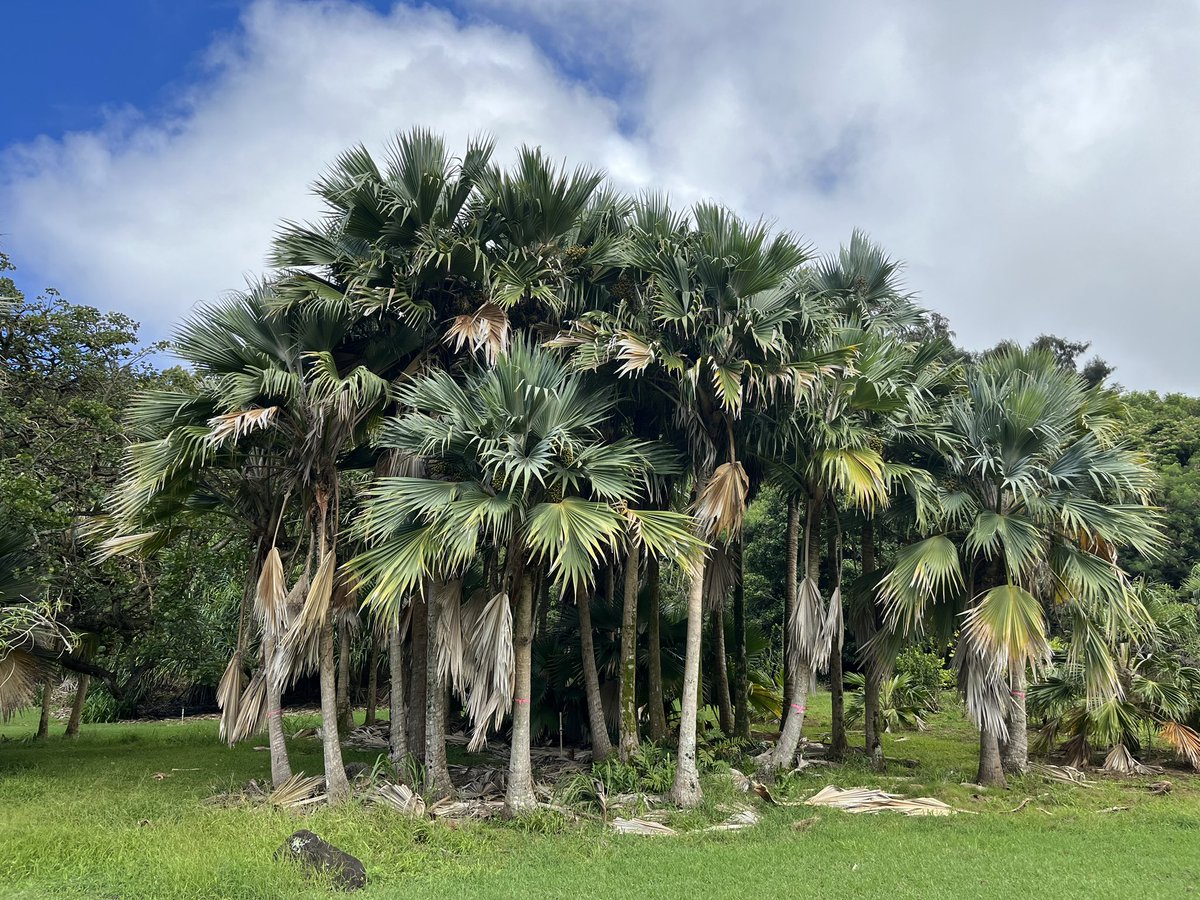
If you’re interested in protecting and growing loulu (#Hawaii's native palms), and want to prevent the spread of CRB (coconut rhinoceros beetle), check out this @NTBG podcast episode: https://t.co/Rrx6wcfEUn #Hawaiian#Kauai#conservation
This is a huge loss for anyone who appreciates meticulously reported, well-edited, thoughful, original, and engaging #journalism focused on coastal communities and ecosystems. Really no one else quite like @hakaimagazine out there.
Today, I’m heartbroken as the news is out—@hakaimagazine, a publication I helped launch with my dear friend and colleague @judeisabella, is done at the end of 2024. It’s such a shame for my colleagues, freelancers, readers, the science community and much, much more.
Check out the new @NatGeoMag's special issue: #Indigenous Futures with a beautiful, detailed graphic map that explains the #Hawaiian ahupua'a, a centuries-old system of land and resource stewardship that you can experience at Limahuli Garden on #Kauai.
https://t.co/CYMgSpGP4t
Andy Jasper has been named as the new Eden Project Group Chief Executive Officer, replacing Rob Chatwin who will step down in September after nearly three years in the role.
https://t.co/NLH3Fewptk
Congratulations to Mike Opgenorth with the PhD degree from @NHM_Denmark in collaboration with @NTBG on Conservation Horticulture of Hawaiian Gardenia. Supervisor @NinaRonsted. PhD committee @NdeVere. Patrick Griffith, Montgomery Botanical Center, and @ol1grace, @RBGE_Science.