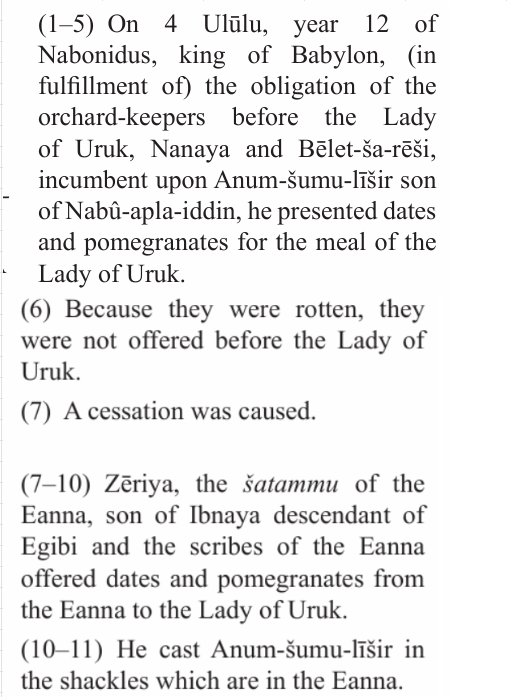
This Babylonian court record reports the imprisonment of an orchard-keeper of the temple of Eanna for offering a sacrifice of rotten fruits to the Gods.
The record is somewhat reminiscent of the story of Cain's rejected sacrifice of fruits in the Bible.
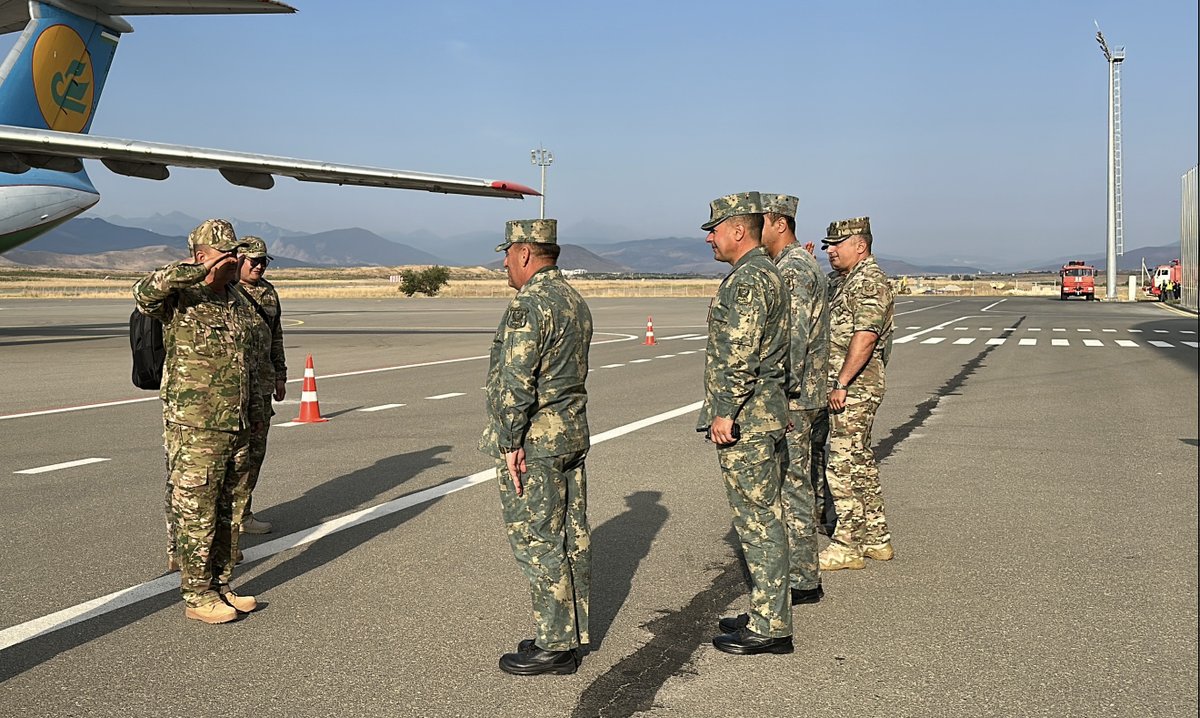
🇦🇿🇹🇷🇺🇿 Azerbaijan, Türkiye and Uzbekistan continue exercises as part of the “Power of Unity – 2026” joint military exercise.
Artillery units carried out precision strikes, destroying simulated terrorist strongholds, shelters and key military targets during the exercise.
I like the walking method. It doesn’t explain everything but it does explain the rounded / scalloped base found on some moai. The real mystery to me is not how the moai were transported form the quarry to their Ahu, it’s why the ancient Easter Islanders built a thousand stone giants and arranged them in a ring around the island all looking in towards the center of the island. What did they want us to see? Something important hidden in a cave in the center of the island for future generations to discover perhaps? Let’s be honest, you don’t just go to a minuscule island in the middle of absolutely nowhere and build a thousand stone giants for no reason.
But who gave the warning and the instructions to build the boat:
Enki (Sumerian) / Ea (Akkadian and Babylonian) instructed the flood hero in every major Mesopotamian version.
The gods (led by Enlil) decide to wipe out humanity. Enki/Ea, the god of wisdom, freshwater, and crafts, disagrees but is bound by an oath of secrecy. He therefore warns the chosen man indirectly—by speaking to the reed wall or reed hut of the hero’s house so the man overhears. He tells him to tear down the house, abandon possessions, and build a large boat to save his family and the “seed of all living things.” In some tellings he also draws the boat’s plan on the ground.
The heroes and texts line up as follows:
• Sumerian (Eridu Genesis): Ziusudra, king and priest of Shuruppak. Enki addresses the wall; the detailed boat-building instructions are lost in a lacuna.
• Akkadian (Atrahasis epic): Atrahasis (“exceedingly wise”). Enki speaks to the reed wall/hut and later supplies design details (cube-like vessel, roofed like the Apsu, sealed with pitch).
• Standard Babylonian (Gilgamesh Tablet XI): Utnapishtim (Uta-napishti), also of Shuruppak. Ea repeats the same reed-wall speech and specifies equal length and width, seven decks, etc.
The later Greek account of Berossus (Xisuthros) follows the same pattern, with Kronos (identified with Ea/Enki) giving the warning. The motif is therefore consistent across Sumerian, Akkadian, and Babylonian recensions: Enki/Ea is the instructor.
Although the origin of the name of the European continent also has a linguistic side, it takes its name from an ancient story of love and kidnapping.
According to mythology, Europa was a very beautiful princess of Phoenicia, a country in the Eastern Mediterranean.
When Zeus saw this beautiful princess playing with her friends on the beach, he fell in love with her at first sight. Zeus wanted to get close to her, so he came to the beach in the form of a calm, snow-white bull. Europa was impressed by how peaceful and beautiful the bull was, so she got on its back without being afraid. But at that moment, the bull suddenly ran into the sea and disappeared between the strong waves.
Zeus crossed the sea with the princess on his back and took her to the island of Crete. Because the princess was taken from the east and brought to the west, this land was called "Europa" by the ancient Greeks in her memory.
As the lands west of the Aegean became larger, the princess's name slowly became the common name of the whole continent.
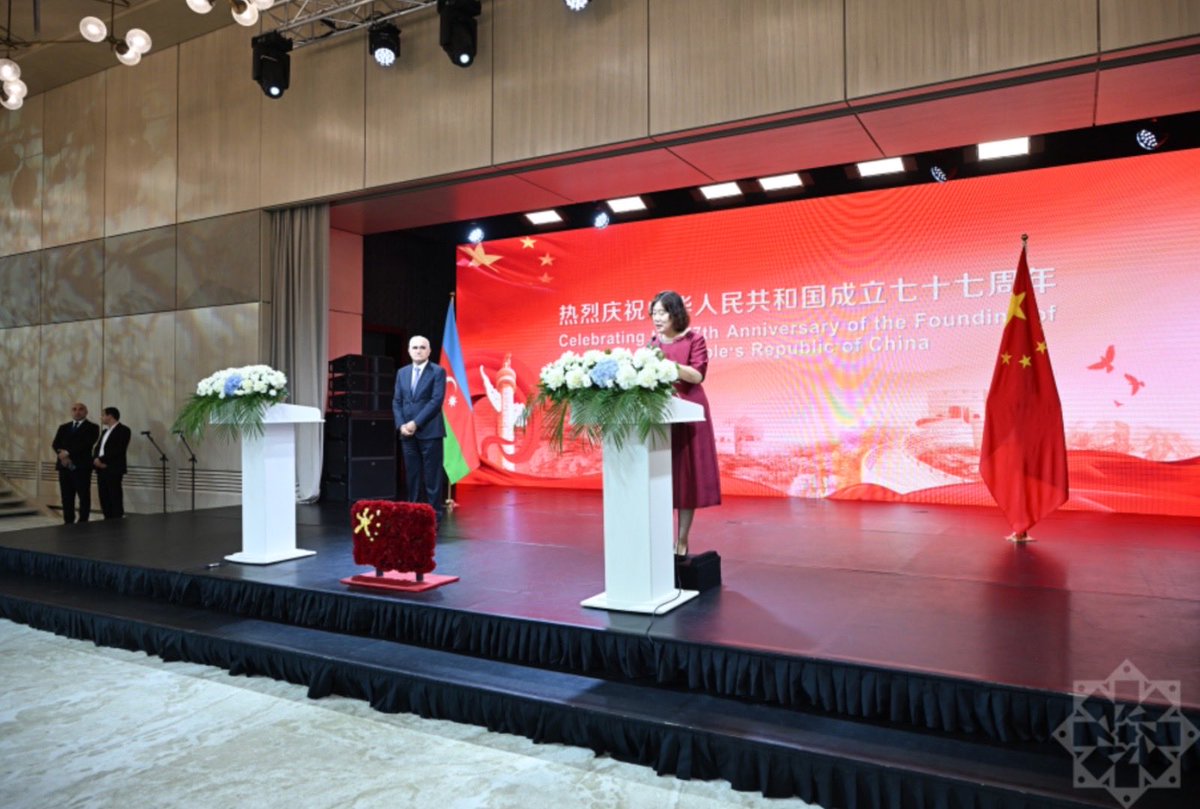
It was a great pleasure to attend the official reception at the Gulustan Palace dedicated to the 77th anniversary of the People's Republic of China.
🇦🇿🇨🇳Baku-Beijing relations have entered a brand-new stage, with bilateral trade turnover growing by 4.5% to reach $2.6 billion, and tourist flow from Azerbaijan to China surging by 85%. Having recently visited China myself, I gained incredible impressions—so much so that my video blog on China's education system surpassed 1 million views across social platforms.
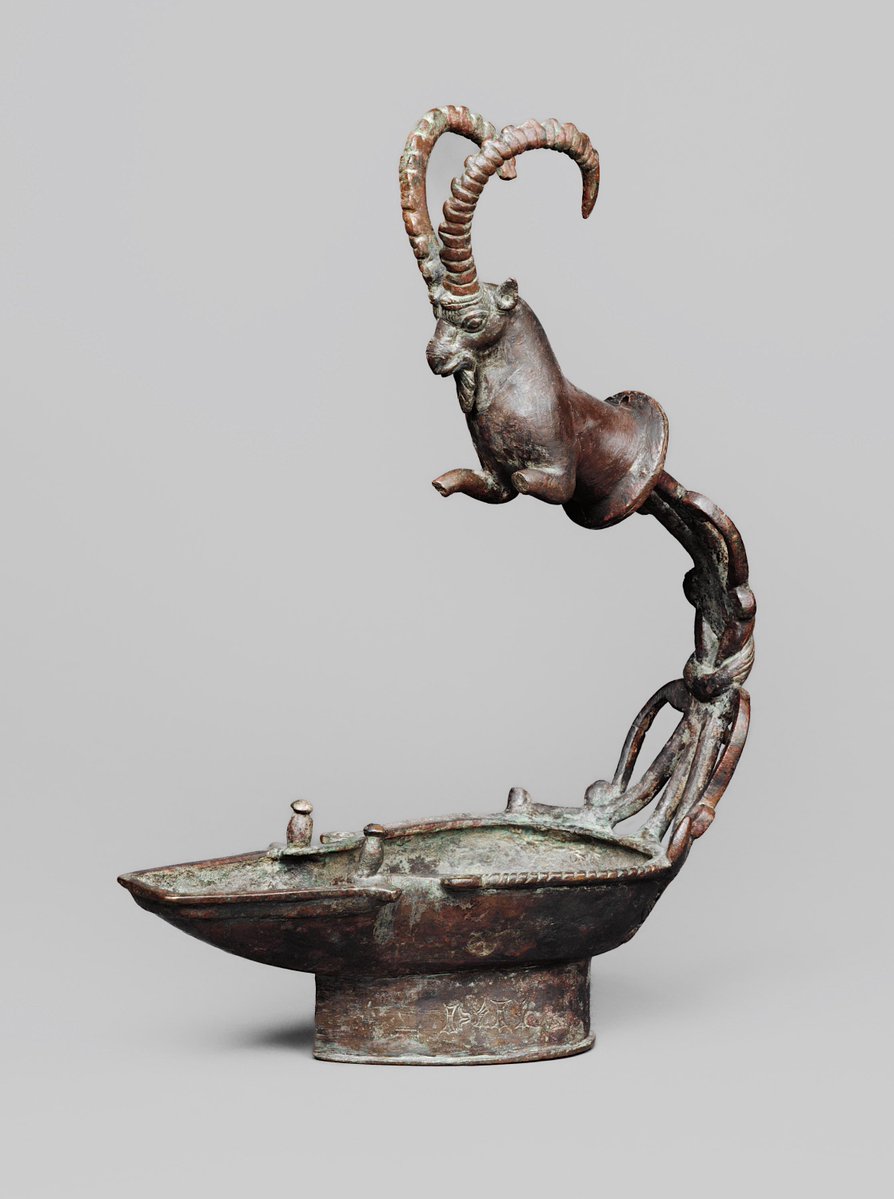
Yemeni bronze lamp adorned with a leaping ibex. The ibex was an important motif in Ancient South Arabian iconography and was associated with the moon god.
Scientists burn their own scrolls to help read 2,000-year-old Herculaneum papyri
X-ray scans and artificial intelligence could help researchers read more Herculaneum scrolls without opening them. Tiny amounts of lead in ancient ink create a strong...
https://t.co/Po7gsI7xjQ
An amazing group of people have started an online Ancient Greek text repository (like TLG) for FREE.
They currently have about 8000 texts online.
https://t.co/tAnJWpi1Nz
The oldest discovered and artificially mummified royal mummy, the Mummy of King Merenre Sixth Dynasty, ruled during the period (2283-2278 BC) preserved at the Imhotep Museum in Saqqara
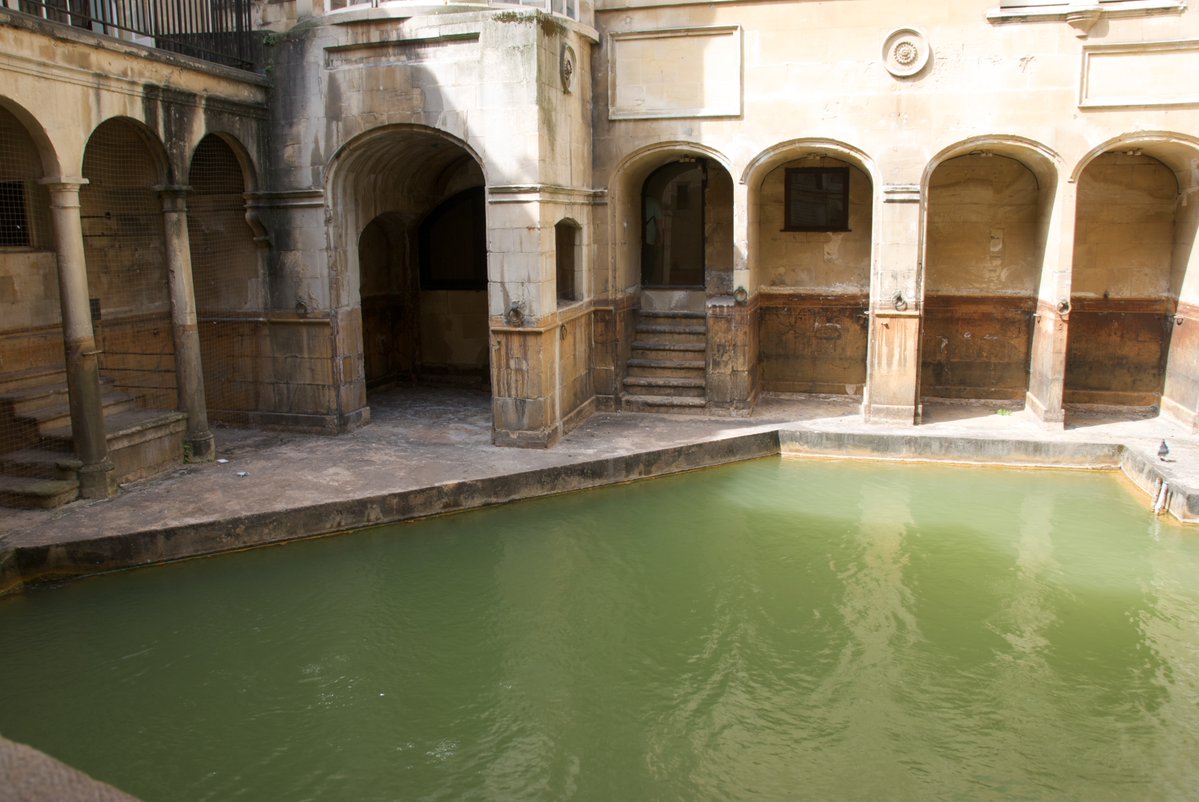
Someone stole six silver coins from a man called Annianus.
He had no idea who.
So he wrote to the goddess.
A sheet of lead, thrown into the sacred spring at Bath.
Whoever took the coins from his purse, the goddess was to make them pay.
In blood.
Man or woman. Boy or girl. Slave or free.
But before any of that, he checks the thief's religion first.
Seu gentilis seu Christianus.
Whether pagan or Christian.
It is the earliest known appearance of the word Christian in any inscription from Roman Britain. 🏛️
Swedish warship Vasa sank to the bottom of the Baltic Sea in 1628.
In 1961 it was salvaged and the wood was still strong enough to be able to walk the decks.
Today is the world's best-preserved XVII century ship.
Chief of General Staff of #AzerbaijanArmy Colonel General Karim Valiyev meets with Turkish delegation led by the Head of International Joint Strategic Command of the General Staff of 🇹🇷 Colonel General Sebahattin Kılınç
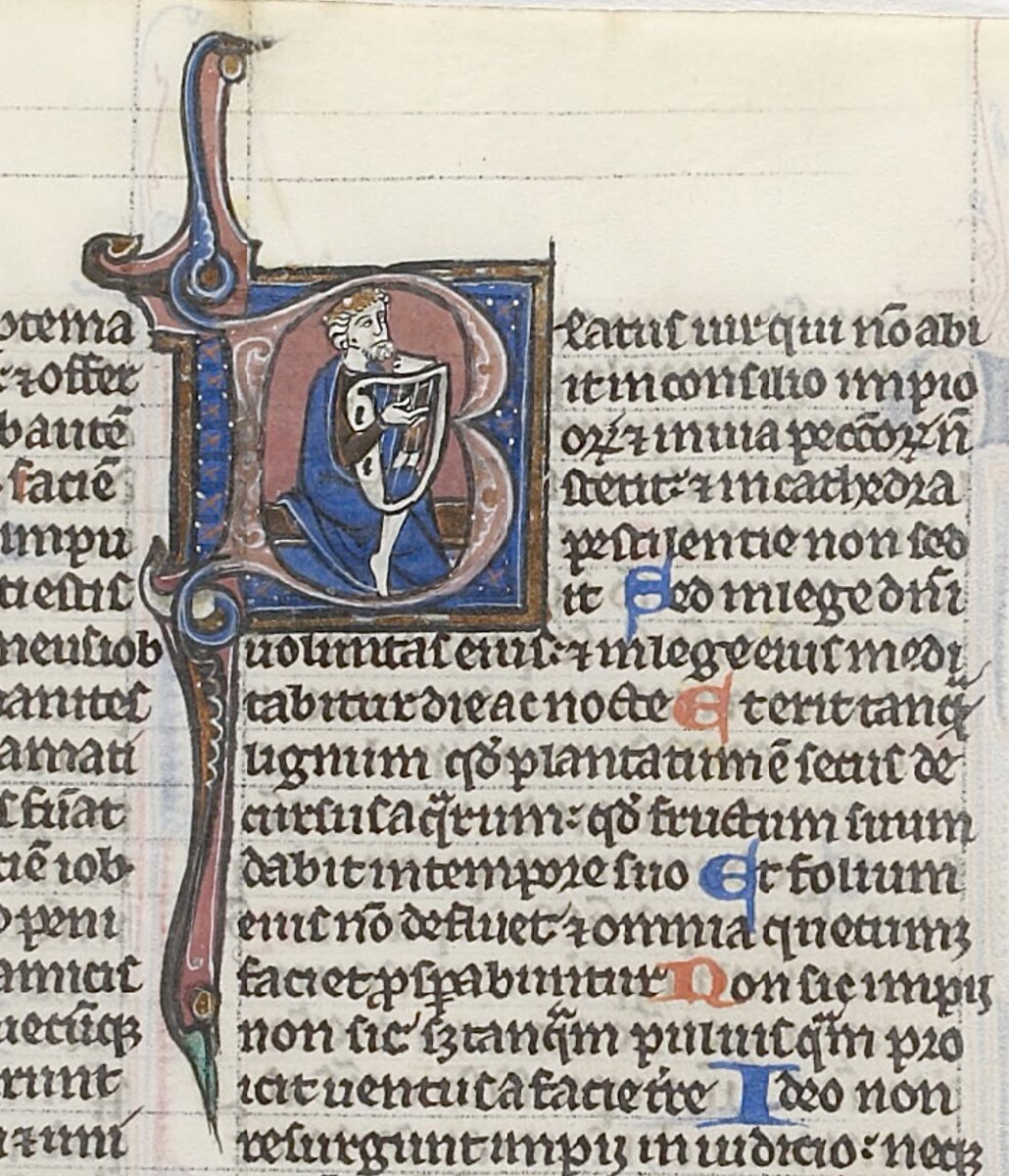
King David the musician in the initial B(eatus) at the beginning of Psalm 1
BnF MS Latin 10426; Biblia sacra (known as the Saint Louis Bible); 13th century (c. 1270); Paris; f.290r @GallicaBnF