The film has a grand vision that is artistically fulfilled but perhaps falters in articulating it fully. It's moody and quiet, like a Garland film. Boyle was trying to comment on the extremes of religion and scientism, and I think accidentally did something more.
I recently watched Danny Boyle’s ‘Sunshine’, which came off much more as a Garland film. Very underrated. It has a theme of sun worship that is critical to the film’s ending and very well done, though the ending is seen as a disappointment.
It summarizes the antagonist as, "While alone in the cold insensibility of space, he had a religious experience and realized that human existence is so insubstantial, it ought not to interfere with what God wills–it must allow the sun, and humanity, to die, and so find Heaven."
Most rightwing conversation is an asymptotic drive towards absolute esotericism and nicheness, such that these things are consumed and discarded at will without anyone really stopping to ponder them. Nietzsche, Girard, Spengler, Evola, and so on.
But what if I like Nietzsche?
@Ascion_Next@gever1el@PanopticonEmoji And I agree these are overused terms. But I try not to let the "overness on twitter" of a given concept affect my personal interests.
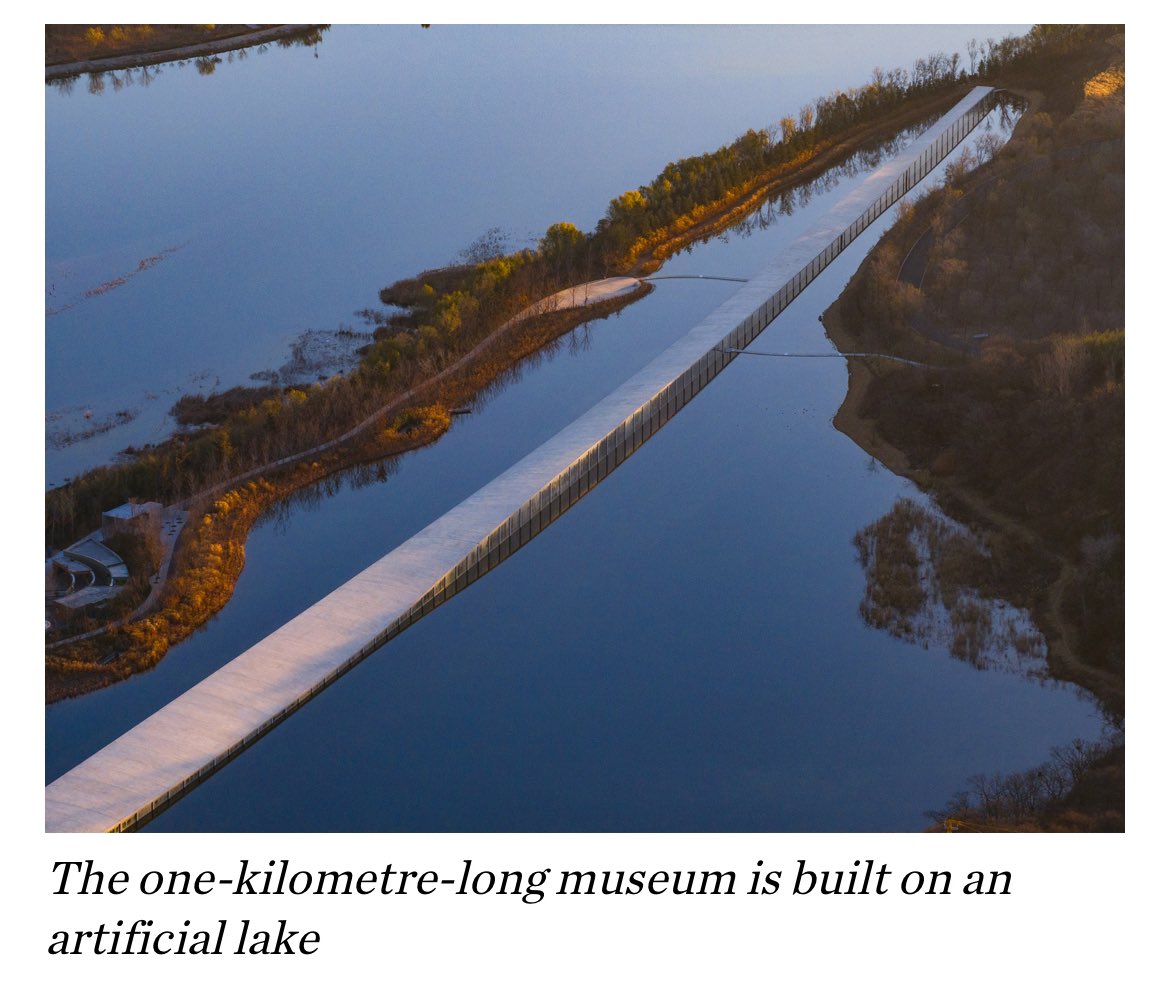
I continue to refine my theory that modernism (Le Corbusier, et al.) is the most Nietzschean architectural school. The divine spirit only visiting the earth in a tangential path; from the infinite into the infinite.
"The story of human integrity is what you have lived. And to my knowledge, you are the only one among the men of this century who has lived it. I am writing about a thing impossible these days. You are the only man in whom it is possible and real. It is not anything definite or tangible that I want from you. It is only the inspiration of seeing before me a living miracle — because the man I am writing about is a miracle whom I want to make alive."
Ayn Rand in a letter to Frank Lloyd Wright