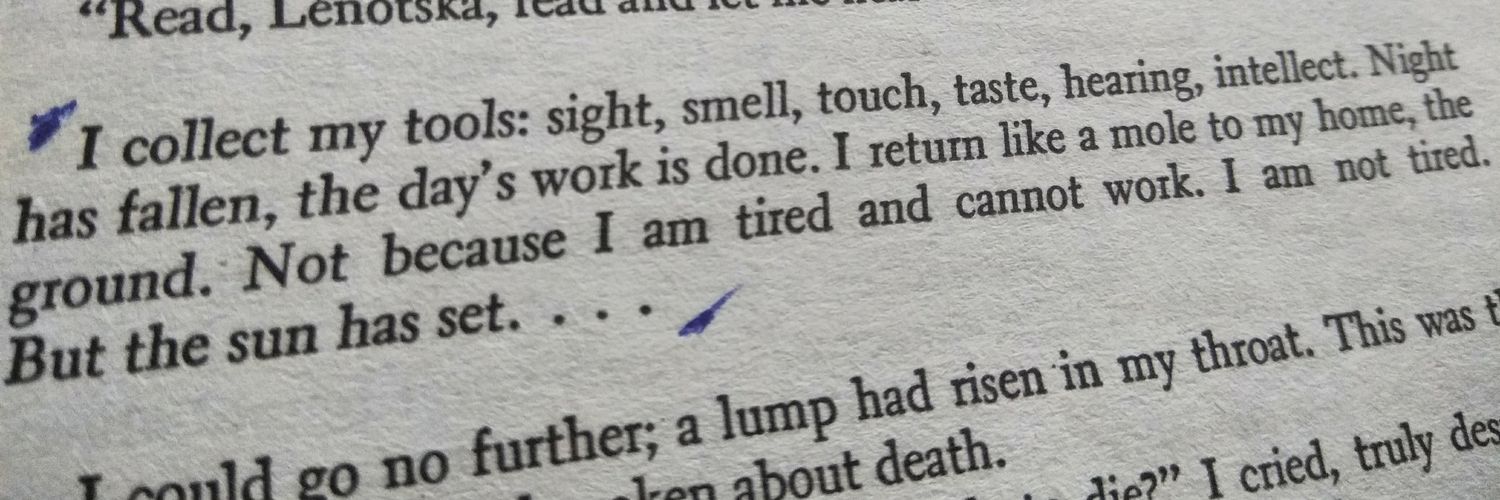
these melancholic, evocative pictures and audio spring forth from some dream; stirring in us the longing for some faraway non-existent place,the place of our parents and ancestors, the place of our birth, the place lost in violence; nowhere near, always far.
video @searchkashmir
Shashi Shekhar Toshkhani passed away in Delhi yesterday. He was the one who coined the idea: We once lived in Kashmir, and now Kashmir lives in us. Shashi Shekhar Toshkhani leaves behind a vast legacy in Kashmiri literature and culture, notably his scholarly fight for the true origins of the Kashmiri language—a battle he was uniquely equipped to lead. Even in his 80s, he remained active in cultural field. A few years back he opened up his library to be digitally archived also. But my most cherished memory of him is deeply personal. Many years ago, he sent me an unexpected email to praise a story I had written. It was an allegorical piece, its metaphors rooted in the forgotten tales of old Kashmir. That a writer and scholar of his immense stature would pause to encourage my attempt, displaying such humility about his own work, meant everything to me. His words offered a quiet, enduring validation. His generosity of spirit matched his formidable intellect. Farewell, sir.
Shamsbari Range, North Kashmir, on way to Tangdhar. 2026.
Audio: Nadim's nationalistic "Ye chu myon watan" written in war times rendered by famous Pyare Lal Razdan in 1979 for Radio Kashmir.
#kashmiri#tangdhar#kupwara#nadim
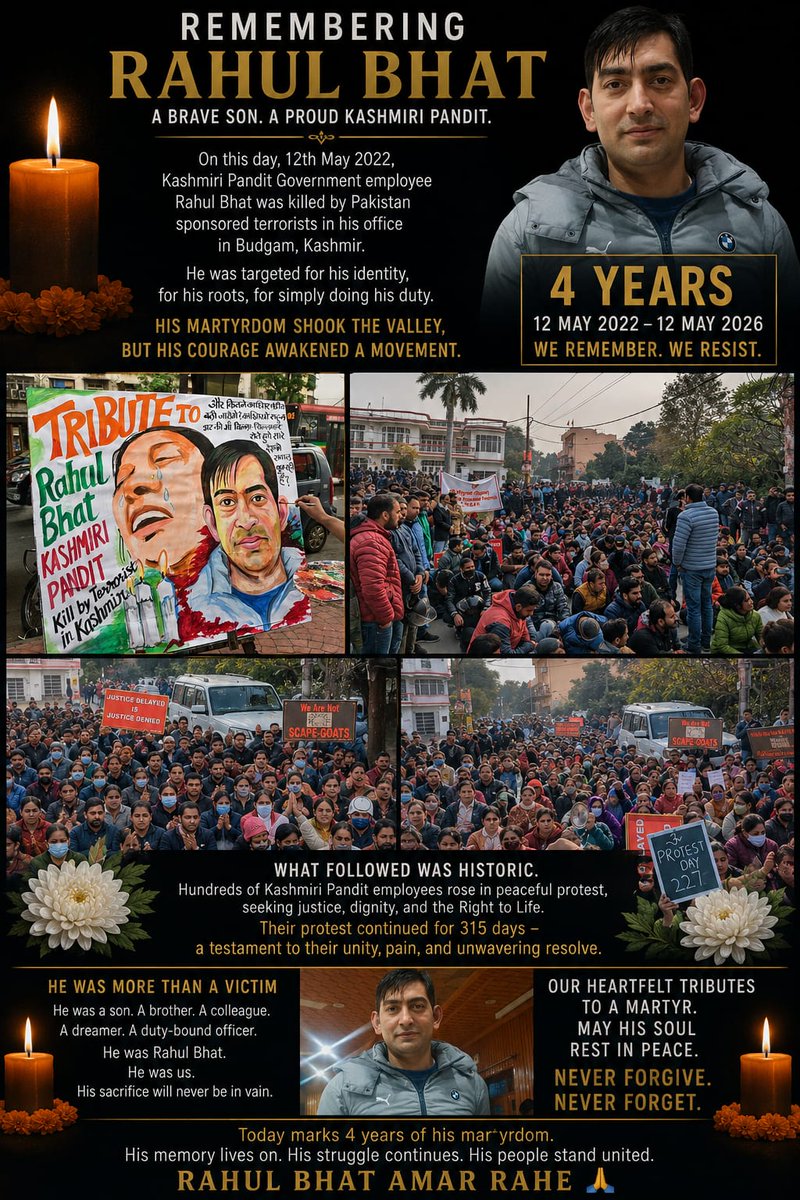
@Batt_Kot On the 4th death anniversary of Rahul Bhat, we remember with deep pain and sorrow the innocent life brutally taken by terrorists inside his office.
Your sacrifice shook every heart, but your courage and memory continue to inspire us.
May your pious soul attain Moksh.
🕉Shanti🕉
Neither Forgotten
Nor Forgiven
12th May - the black day for the entire PM Package employees in general & #KashmiriPandit community in particular
Shaheed Rahul Bhat was killed by terrorists on this day while delivering his services to the people of #Kashmir at his workplace
Never Forgive. Never Forget. On this day, 12th May (2022), a Kashmiri Pandit Government employee Rahul Bhat was killed in his office by terrorists in Budgam, Kashmir. What unfolded after that is being written in books for posterity. May his soul find everlasting peace.
A look at data from year 2012. Gave all my old notes to Claude to create this report on The Systematic Dispossession
of Kashmiri Pandit Property
https://t.co/4GAsLbFQhs
@SushantDhar7 reviews my debut book Grammar of the Void for @Openthemag.
Book Review | Inside “Grammar of the Void”: Stories of Trauma, Dreams, and the Darkness Within
https://t.co/nWT6qXst9v
It'll not be an exaggeration to say Dr Sushil Razdan treated Kashmiris across the religious divide despite his "exile". That a Kashmiri Muslim like you fails to honour and respect him only because he states his truth in his book title actually reveals your true colours of hatred.
There’s a piece of @RaghuRai1 in our collective memories as a country but also literally on the walls of my home and the albums of my life. A close associate of my mum Prabha, married earlier to her close friend Usha, I grew up on the adventures Raghu and Prabha shared as journalists. He also documented with a magicians lens the marriage of my parents, Prabha and Speedy and more recently shared other photos of all of them together from his collection. His eye had a reporters discipline for detail and his heart the giant embrace of life. From the Bhopal Gas tragedy’s defining image to riots to war to portraits- Raghu saw it all through his unique lens. God bless him 💜🙏🏾
Satyarth Pandita's debut book of stories, Grammar of the Void, arrives at Mrinalika, Santiniketan. As a publisher, all the books we produce are close to our hearts. However, a few are more intimate than the others. This collection features 10 stories with a fresh voice — tender yet steady, consistent yet bold. I said "intimate" because I worked in concert with the author to achieve a lasting impact.
I look forward to engaging Satyarth in conversation at Jammu on April 26.
#Hawakal #Fiction #Stories #ShortFiction #GrammarOfTheVoid #Debut #DebutBook
How a young Kashmiri pandit Ramesh Marhatta escaped definite death, survived the horrendous night of kidnapping, night-long torture and gunshots by armed terrorists way back in 1990. The miraculous saga of a captive https://t.co/c3Lz1aGQoK via @dailyexcelsior1
Hawakal's first in Jammu! Let us invite you to the formal launch of Satyarth Pandita's debut book of stories, Grammar of the Void, on Sunday, April 26, at 2.30 pm.
Venue: Writer's Club, J&K Academy of Art, Culture & Languages, Jammu
Join in, folks!
#Fiction #Stories #ShortFiction #Hawakal #Jammu
First of all this utter "Gun" nonsense has been normalised by a certain section including some Kp's also and now it has come to a point that Kp's happily start discussing around it, gain traction and score some new found victory, then rest KP's also huddle around, celebrate it
"...two choices: pick up the gun and risk the decimation of an already small community, or leave—and live."
Picking up a gun was NEVER an option. What have we come to! Our elders never chose it, Kashmiri Pandits need not rush to defend. For whom are KPs defending it for?
Instead of empathy, they faced denial, distortion and endless debate. Beyond the loss of home and identity, they carried the burden of explaining their own tragedy—again and again.
Kashmiri Pandits didn’t just endure a forced exodus in 1990—they’ve spent decades being asked to justify it. From propaganda that they were “sent away” by Jagmohan, to claims they should have stayed back and taken up arms, their lived reality has been constantly questioned.