WHAT A PHD IS AND WHAT IT IS NOT?
1. What a PhD Is (✅)
1.1 - A Journey of Research, Not Coursework
1.2 - Passion Matters More Than Intelligence
1.3 - Curiosity Is Your Greatest Strength
1.4 - Creativity Solves New Problems
1.5 - Discipline Builds Daily Progress
1.6 - Persistence Wins the Long Game
1.7 - Learning Never Stops
1.8 - Your Supervisor Is a Guide, Not a Teacher
1.9 - Collaboration Is Better Than Isolation
1.10 - You Become the Expert in Your Research
1.11 - A PhD Creates New Knowledge
1.12 - Your Work Contributes to the World
-------------------------------------------
2. What a PhD Is Not (❌)
2.1 - Not Just Another Degree
2.2 - Not About Memorizing Information
2.3 - Not a Shortcut to Success
2.4 - Not for Status or a Job Title
2.5 - Not an Easy Academic Journey
2.6 - Not Something You Can Finish Without Sacrifice
2.7 - Not a Solo Mission
2.8 - Not About Being the Smartest Person
2.9 - Not Guaranteed Without a Good Supervisor
2.10 - Not for Everyone
---------------------------------
3. Key Takeaways
3.1 - Choose Your Topic Carefully
3.2 - Choose Your Supervisor Wisely
3.3 - Stay Passionate During Difficult Times
3.4 - Expect Setbacks and Keep Going
3.5 - Involve Your Family in the Journey
3.6 - Celebrate Every Small Milestone
3.7 - A PhD Is About Making a Lasting Impact
Most researchers stop at collecting data.
Great researchers go one step further.
Data → Information → Knowledge → Wisdom
• Data answers: Who? What? When? Where?
• Information organizes the facts into something meaningful.
• Knowledge explains how things work.
• Wisdom understands why they matter.
A degree gives you information.
Research builds knowledge.
Experience develops wisdom.
Aim for more than publishing papers aim for understanding.
A strong academic argument isn't about having the loudest opinion. It's about making the strongest case.
A simple framework:
1. Start with a clear research question.
2. Introduce the topic and explain why it matters.
3. State your thesis in one clear sentence.
4. Build each section around one main idea.
5. Support every claim with credible evidence.
6. Analyze the evidence don't just describe it.
7. End by answering the research question and explaining why your findings matter.
Great academic writing isn't complicated.
It's clear, logical and evidence-based.
Learning is not the same as exposure.
Information enters through attention, moves through working memory, and is stored in long-term memory.
When working memory is overloaded, learning suffers.
Reduce distractions. Focus on the essentials. Build strong mental connections.
As Daniel Willingham put it:
"Memory is the residue of thought."
The more deeply you think about something, the more likely you are to remember it.
Good research design doesn't start with data collection.
It starts with a series of decisions.
Your philosophy shapes your approach.
Your approach guides your strategy.
Your strategy determines your methods.
Your methods produce your data.
The Research Onion reminds us that every layer of a study should align with the one before it.
Strong research is built from the outside in.
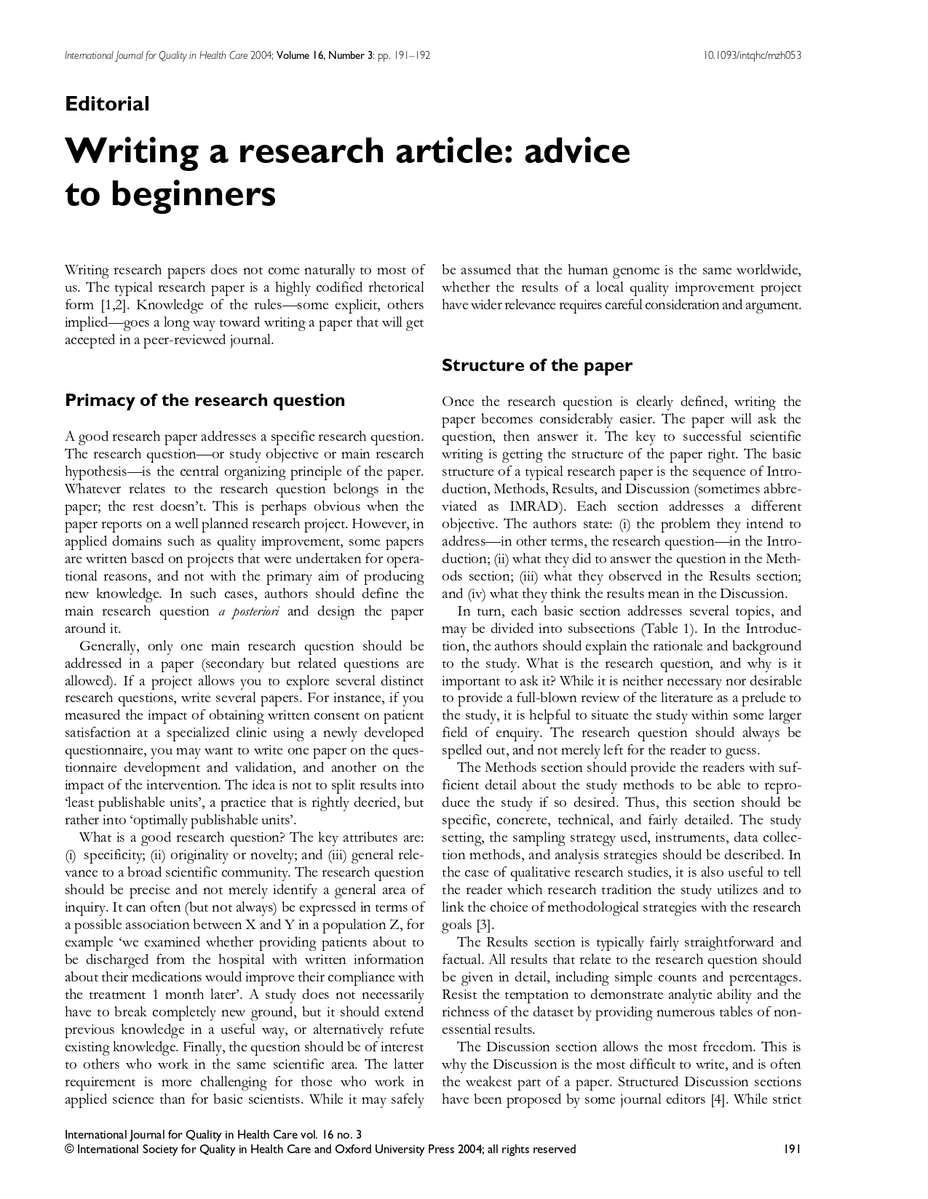
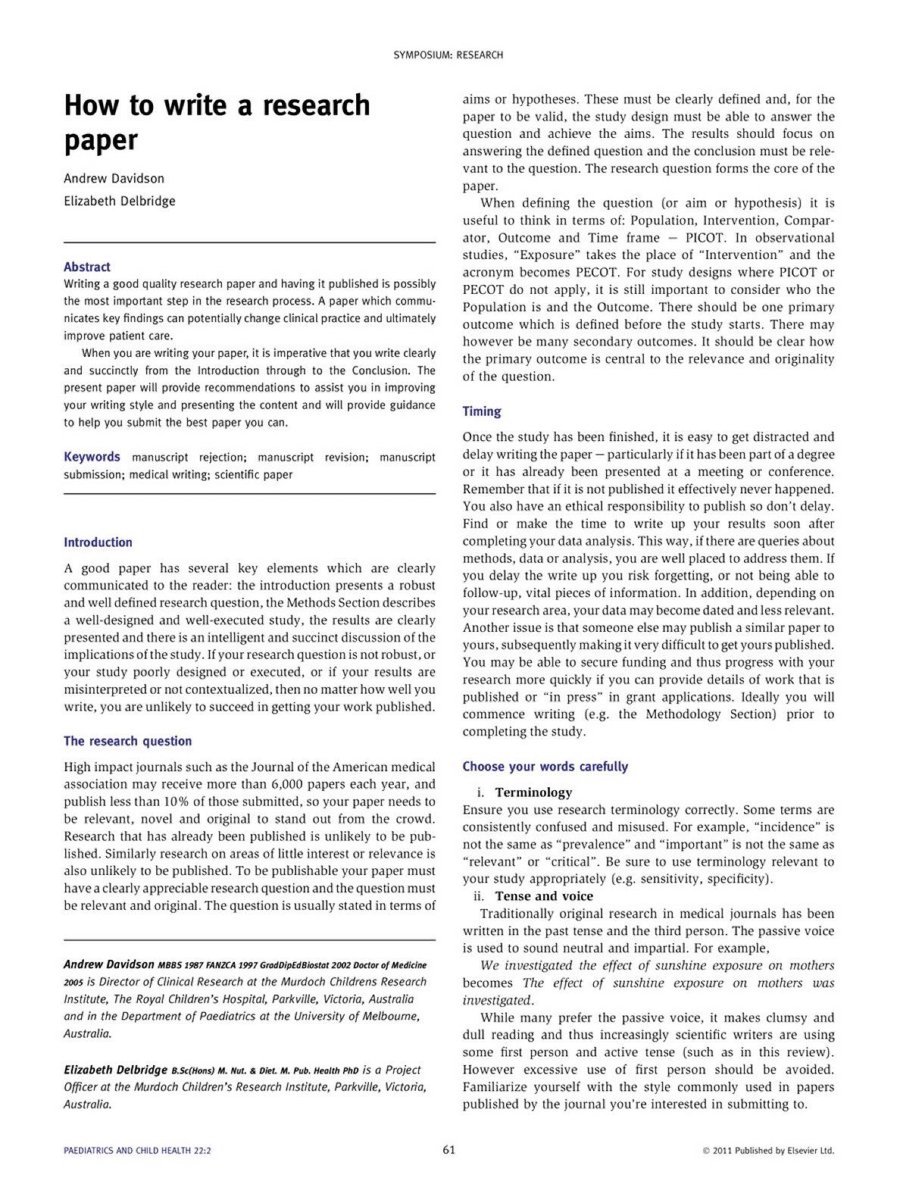
Writing a research paper becomes much easier when you treat it as a process, not a single task.
A strong paper usually follows this path:
Introduction → Literature Review → Methodology → Analysis → Limitations → Conclusions → References
Each section answers a different question, but together they tell one clear research story.
Good research is not just about findings. It's about structure, logic, and clarity.
A thesis and a journal article may be based on the same research, but they serve different purposes.
Thesis: Complete story. Full methodology. Detailed literature review. All findings.
Article: Focused story. Concise methodology. Key findings. Limited word count.
Think of a thesis as the full research journey and an article as the most important insights from that journey.
A great research paper is more than good results.
It tells a clear story:
1. Introduction → Why the study matters
2. Methods → How the study was conducted
3. Results → What was found
4. Discussion → What the findings mean
Strong research isn't just about discovering something new. It's about communicating it clearly so others can understand, evaluate, and build on your work.
A strong research plan is more than a requirement it's a roadmap.
Define your research question, explain your methods, set clear objectives, outline expected results and create a realistic timeline.
The clearer your plan, the smoother your research journey.
#PhD#ResearchTips #AcademicWriting #ResearchPlan #GradSchool
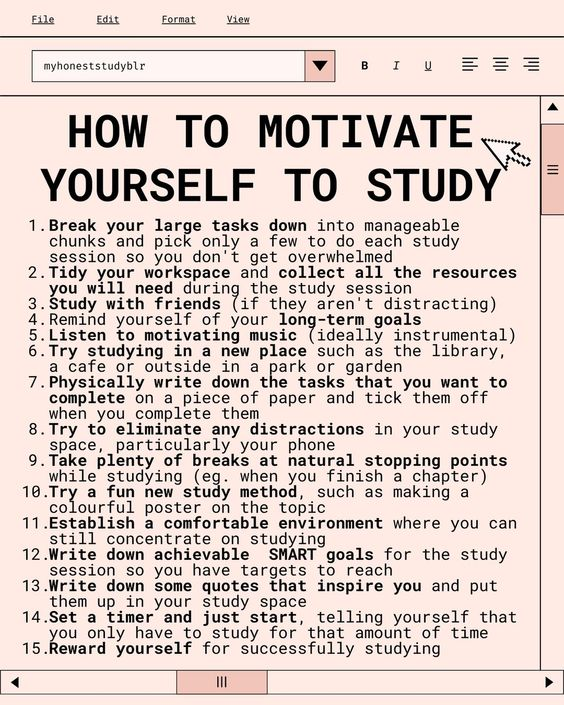
Most students don't struggle because they lack motivation. They struggle because they rely on motivation.
What works better:
• Break tasks into smaller steps
• Remove distractions
• Set clear goals
• Take regular breaks
• Just start, even for 10 minutes
Consistency beats motivation every time.
What's your go-to study habit?
After reading, reviewing, and publishing hundreds of papers, I've noticed the same patterns.
Here are 10 lessons I wish every researcher knew before writing a paper: