I build backend systems at scale and AI agents.
Engineer @gocashfree · GSoC ’25 @SwiftLang
Active in AI, developer tools & distributed systems, art and dance!
hii bangalore girlies, I will be hosting a dance workshop soon in blr
dance style: semiclassical
DM me! if you are into it, it’s going to be super fun and lots of cardio
I am always a big fan of pour-overs and go crazy for monsoon-malabar coffee beans.
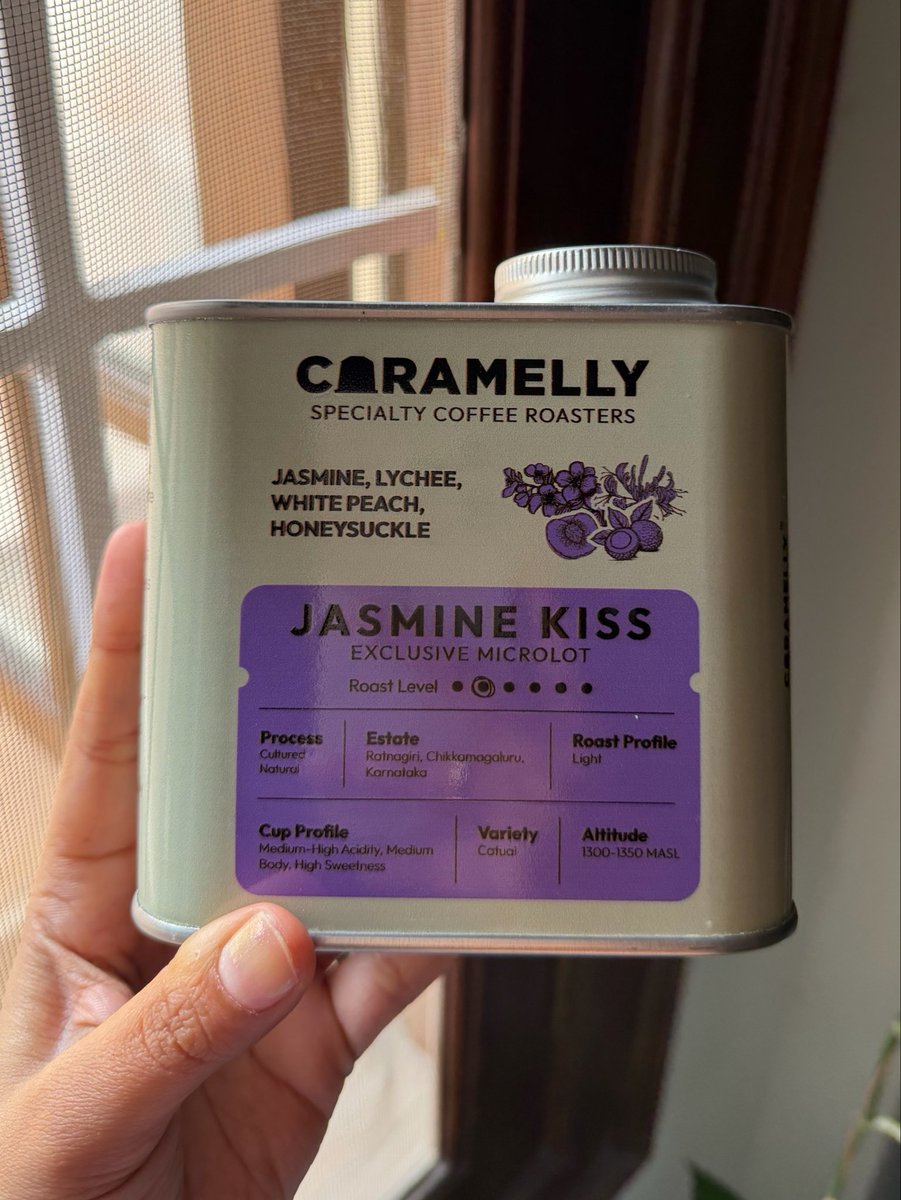
Recently, we have been trying different coffee beans every month curated by aaramse, and it's been interesting to judge the tasting notes and share feedback.
We received our beans for sept, let's see how this goes.
Don't hand over all your engineering decisions to an LLM.
Use it as a collaborator instead.
Before you implement, have it challenge your plan. I use skills like /grill-me to find gaps, refine the approach, and only then start coding.
A few things that have saved me a lot of time:
- add your coding preferences to your local LLM rules: no unnecessary comments, follow the correct Liquibase style, stay consistent with existing classes and patterns.
- every time the LLM does something you don’t want, don’t just correct it once. Add that lesson to a rule or script it can refer to next time.
- build a simple test framework around the features you’re working on, so the LLM can implement → run tests → fix issues in one loop.
- review the plan before reviewing hundreds of lines of generated code. Fixing the direction early is much cheaper than fixing a messy PR later.
The goal isn’t to make the LLM write more code.
It gives it enough context, rules, and feedback loops that it needs less supervision each time.
This has saved me a surprising amount of time, tokens, and rework.
Don't hand over all your engineering decisions to an LLM.
Use it as a collaborator instead.
Before you implement, have it challenge your plan. I use skills like /grill-me to find gaps, refine the approach, and only then start coding.
A few things that have saved me a lot of time:
- add your coding preferences to your local LLM rules: no unnecessary comments, follow the correct Liquibase style, stay consistent with existing classes and patterns.
- every time the LLM does something you don’t want, don’t just correct it once. Add that lesson to a rule or script it can refer to next time.
- build a simple test framework around the features you’re working on, so the LLM can implement → run tests → fix issues in one loop.
- review the plan before reviewing hundreds of lines of generated code. Fixing the direction early is much cheaper than fixing a messy PR later.
The goal isn’t to make the LLM write more code.
It gives it enough context, rules, and feedback loops that it needs less supervision each time.
This has saved me a surprising amount of time, tokens, and rework.