Advancing cellular health by supporting practitioners through lipid science.
Membranes, signaling, and the biology that drives brain & metabolic function.
Everyone is talking about AI.
But you’re already carrying the most powerful intelligence system you’ll ever own.
You program it.
You prompt it.
You shape its output.
Your brain is the original AI.
Watch the full webinar now: https://t.co/kQLdMslqJM
#BrainHealth#AI #Neuroscience #Mindset #HealthyAging
Chronic stress isn’t just exhausting—it can affect the brain.
Long-term anxiety is linked to hippocampal shrinkage, impaired memory formation, and increased dementia risk.
Brain health starts with stress management.
Watch the full webinar now: https://t.co/kQLdMslqJM
#BrainHealth #HealthyAging #DementiaAwareness #StressManagement #CognitiveHealth
Your brain doesn’t label experiences as “positive” or “negative” — it adapts to whatever you repeatedly expose it to. Every habit, thought pattern, and action becomes training for the mind.
The real question is: what are you teaching your brain to get better at?
Purpose shapes adaptation. Repetition strengthens it. Your mind evolves around the environment and direction you choose daily.
Watch the full webinar now: https://t.co/kQLdMslqJM
#BrainHealth #MindsetShift #Neuroplasticity #PersonalGrowth #MentalPerformance
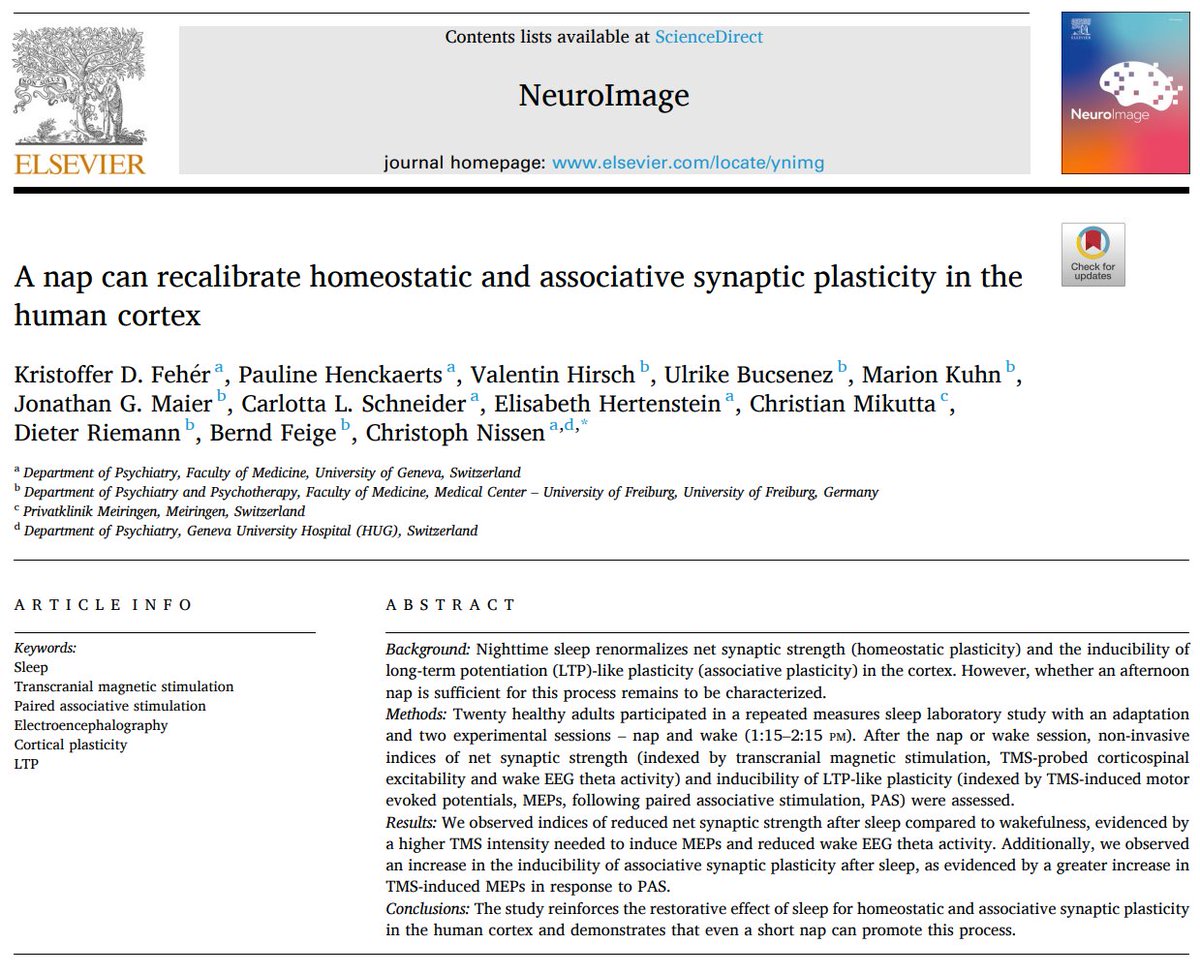
Pets don’t suddenly get sick overnight.
Often, there’s a hidden phase of decline first—less energy, slower movement, digestive changes, brain fog.
What if we supported health before disease appears?
If you’re a pet parent, this webinar from Dr. Goodenowe and Dr. Gary Richter, MS, DVM, is not one to miss: https://t.co/y3o6MjTHwE
Doing everything right…
But still not feeling the change?
It might not be what you’re taking.
It might be what your body already has.
There’s a hidden “reservoir” that changes everything.
Click the link below to read the blog post now:
https://t.co/G2oVCf1hfH
Protect the Walls of Your (Cellular) Home
You can’t expect a home to function with broken walls—so why expect your body to?
Every cell relies on a protective membrane to stay resilient. Plasmalogens are the "bricks and mortar" of those walls, supporting strength and integrity.
Learn why they matter:
https://t.co/RWzcnrgqCH just got a major upgrade!
To mark the official launch of PlasmalogenN3™ (formerly ProdromeNeuro™), we’ve redesigned the entire experience—clearer, sharper, and built to help you understand what your health may be missing.
Take a look → https://t.co/UfEVLyPxLI
One of our Elite Practitioners, Dr. Amber Bockneck (Toronto, CA), is launching her newest book alongside a live event dedicated to advancing women’s health.
Her work brings much-needed clarity and clinical insight to perimenopause, menopause, and post-menopause—areas where too many women are still left without real answers.
We’re proud to have her in the Prodrome community and highly recommend learning from her expertise.
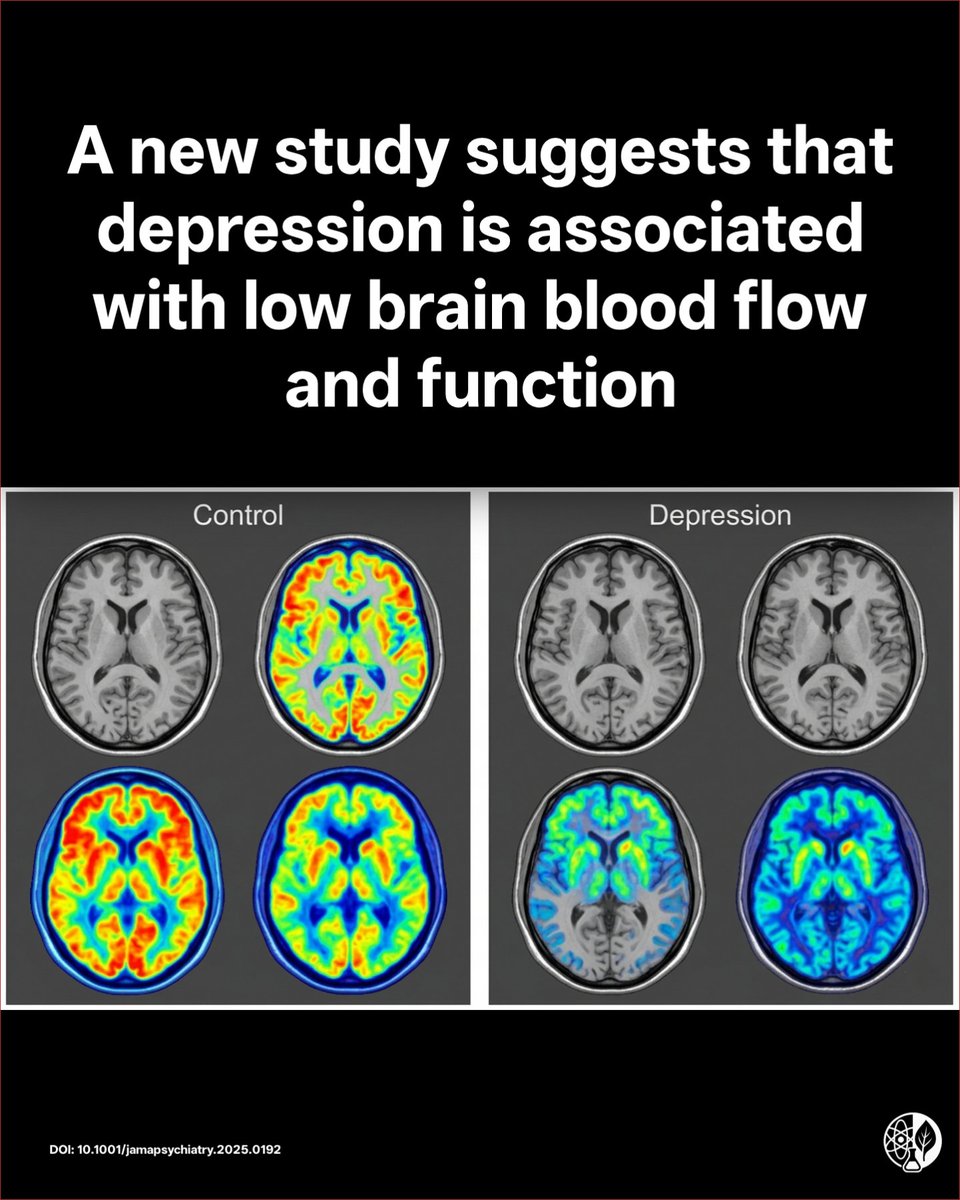
For decades, the search for the biological roots of severe depression has largely focused on looking for physical changes in the brain's shape or size.
However, major new research is fundamentally changing how we view the condition, revealing that the true key lies in how the brain operates in real-time.
Scientists utilizing advanced imaging techniques have discovered that depression is strongly characterized by localized drops in cerebral blood flow. This reduced blood flow creates a domino effect, preventing neighboring clusters of brain cells from communicating and synchronizing properly. Essentially, these specific regions are not receiving the optimal energy and oxygen required to maintain healthy neural connections.
This discovery is a significant leap forward for mental health science. By focusing on active blood flow and neural synchronization rather than physical structural scans, researchers have found a highly precise biological indicator that directly mirrors the intensity of a person's symptoms.
This deeper understanding paves the way for a new era of targeted, objective measurements and treatments focused on restoring healthy brain activity.
Journal Cite: Kochunov P, Adhikari BM, Keator D, et al. Functional vs Structural Cortical Deficit Pattern Biomarkers for Major Depressive Disorder. JAMA Psychiatry. 2025;82(6):582–590. DOI: 10.1001/jamapsychiatry.2025.0192
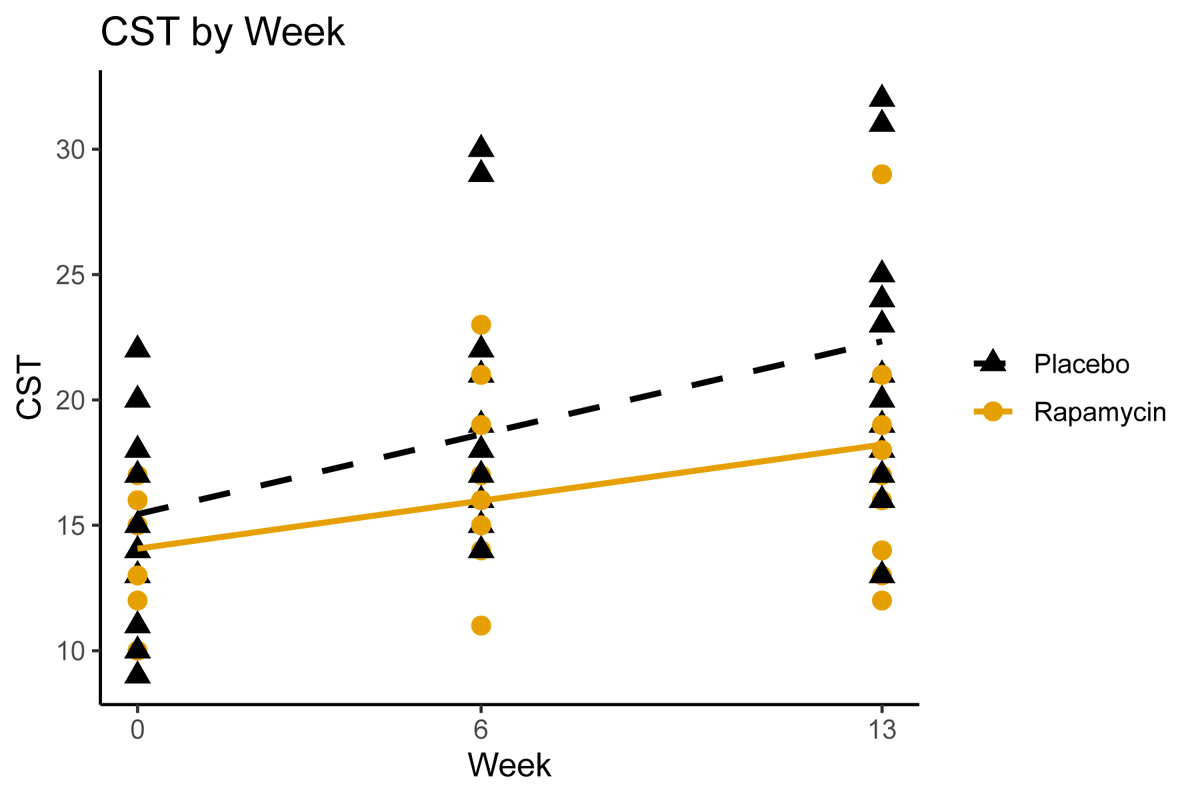
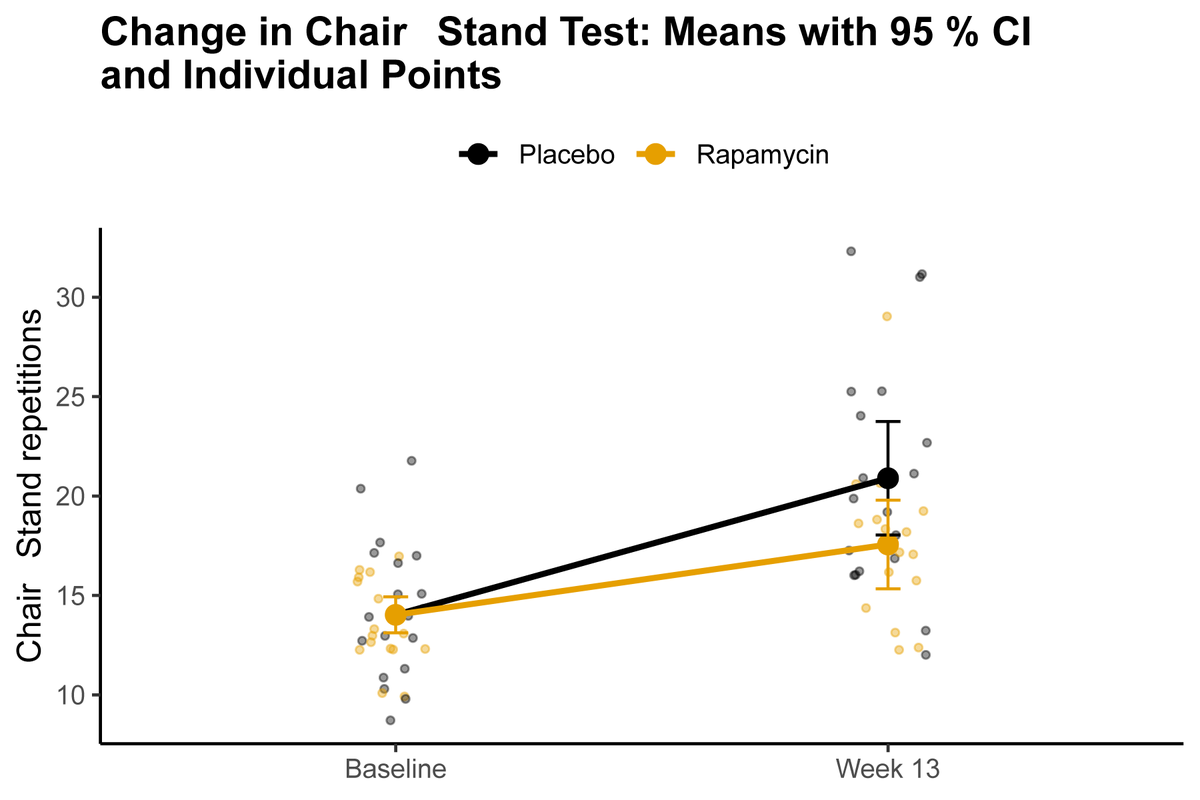
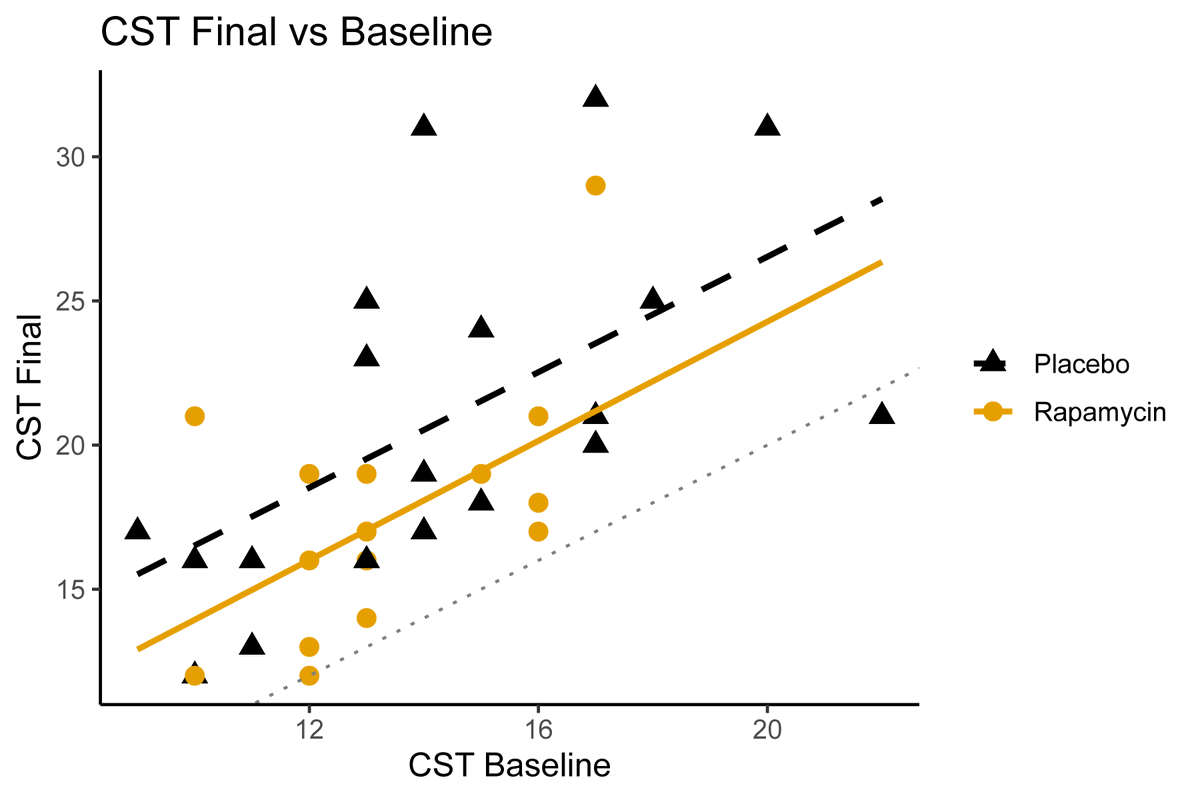
Our Rapamycin & Exercise clinical trial has just been published!
The topline result?
Rapamycin didn't help. Instead, it may have made things worse.
Here's what we found 🧵
https://t.co/vpy9bPrGDJ
Here is how to reverse brain atrophy
https://t.co/czd7QqxNDN
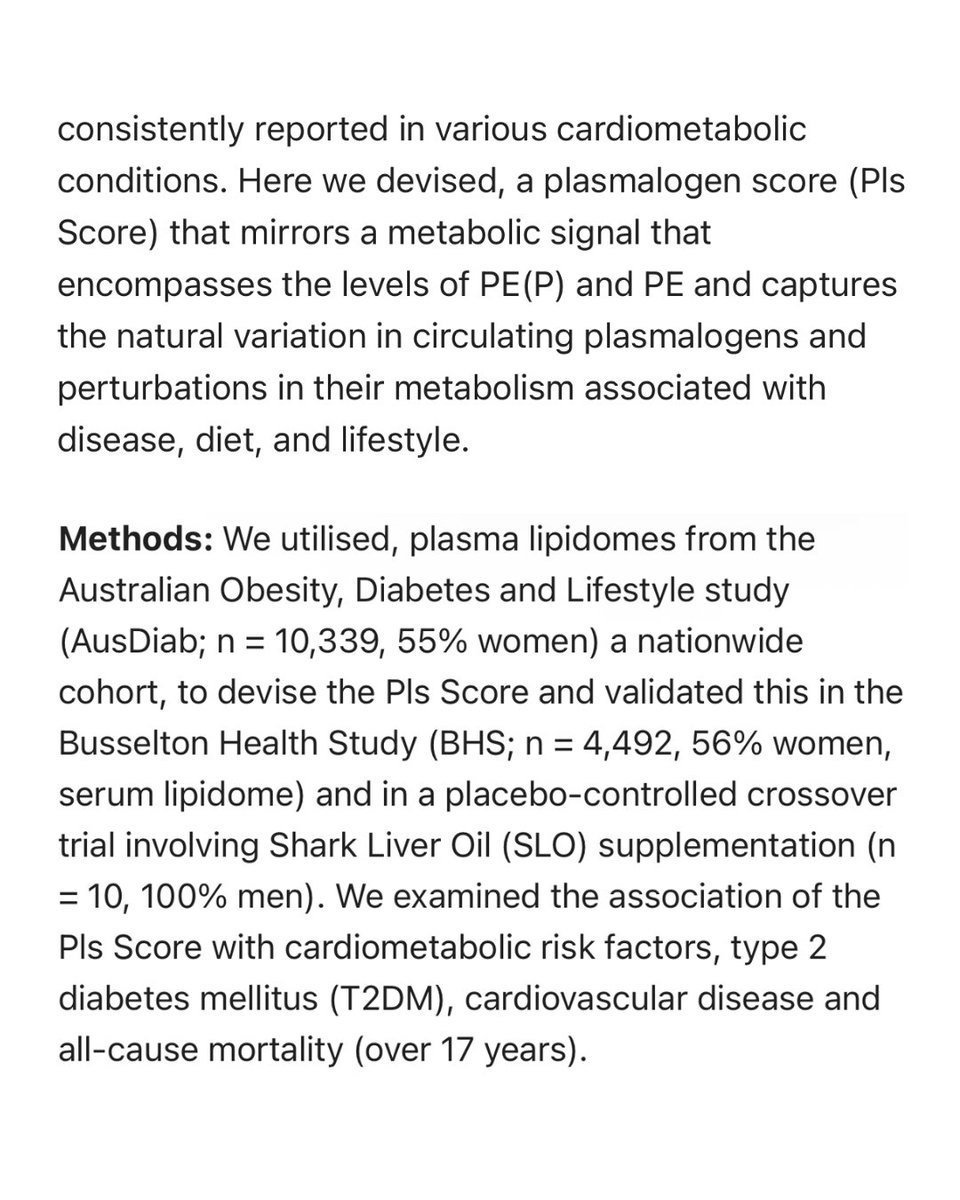
This is a summary on my Plasmalogen & Lipid Replacement Research
Reading it will give you insights into:
- What Plasmalogens are
- Plasmalogens in Diseases
- The mitochondrial-peroxisomal axis under viral attack
- A fletched out protocol to rebuild membranes & peroxisomes
Feedback is well appreciated