For Newbies, especially those in @cybersechaven community and those following @ireteeh
If you are having challenges installing kali Linux on Virtual box or Vmware...Kindly follow this thread.
I will be writing about some of these challenges and how they can be tackled.
We're launching the Anthropic STEM Fellows Program.
AI will accelerate progress in science and engineering. We're looking for experts across these fields to work alongside our research teams on specific projects over a few months.
Learn more and apply: https://t.co/MoF60j53pX
❗️ A scammer was caught using an AI face mask to hide his true identity.
He works for a fake company called "Global Metrix", which offers recovery services for stolen crypto.
In 2019, MIT professor Patrick Winston gave a legendary 1-hour lecture called “How to Speak.”
It has 18M+ views for a reason.
His frameworks:
• Your ideas are like your children
• The 5-minute rule for job talks
• Why jokes fail at the start
15 lessons on communication:
BREAKING: AI can now analyze stocks like Wall Street analysts (for free).
Here are 8 insane Claude prompts that replace $5,000/month Bloomberg terminals (Save for later)
A company that sells cybersecurity risk intelligence to 91% of Fortune 100 companies just got breached through an unpatched React app and a single overprivileged AWS role.
LexisNexis. 3.9 million records. 400,000 user profiles. 53 secrets extracted in plaintext from AWS Secrets Manager. Including credentials for production databases, Salesforce, Oracle, and analytics platforms.
The password "Lexis1234" was reused across five different internal systems.
This is a company that describes itself as "one of the largest protectors of private and confidential data in the world." They provide risk intelligence to 7,500 US government agencies, nine out of ten banks, and major insurers globally. They sell cybersecurity assessments to their customers.
And they couldn't secure their own AWS account.
Here's what makes this worse than a typical breach:
- The compromised data includes accounts tied to 118 .gov email domains. Three US federal judges. Four Department of Justice attorneys. SEC staff. Probation officers. Federal court law clerks. The attackers published doxxed profiles of federal officials tied to courts and regulatory agencies across the country.
- These aren't random consumer records. These are the digital identities of people whose exposure carries national security implications. A compromised federal judge's profile doesn't just enable identity theft - it enables targeted influence operations, blackmail, and intelligence gathering.
The attack path is textbook and that's the problem:
→ Unpatched React application - the front door
→ Single ECS task role with read access to every secret in the account - the keys to everything
→ 536 Redshift tables, 430+ database tables, full VPC infrastructure mapping - complete visibility
→ 53 secrets in plaintext including database credentials, API tokens, and development access keys
No zero-day. No advanced persistent threat. No nation-state capability required. Basic hygiene failures — unpatched app, overprivileged IAM role, password reuse, plaintext secrets.
This is LexisNexis's second confirmed breach in two years. The December 2024 incident exposed 364,000 individuals through a compromised corporate account on a third-party development platform.
Data brokers and analytics providers are not peripheral players - they're deeply embedded in today's risk landscape.
That's the pattern we keep seeing. Attack the aggregator, not the individual. BPO providers. Cloud platforms. Legal data giants. The organisations that hold everyone else's data are the highest-value targets - and often the weakest links.
For every enterprise that uses LexisNexis services:
→ Assume your metadata, contract details, and product usage history are exposed → Watch for targeted phishing using the exposed business relationship data
→ If your staff have LexisNexis accounts, reset credentials immediately
→ Ask your vendor risk team: when was the last time we assessed LexisNexis's actual security posture - not their marketing, their controls?
The company that indexes the world's legal information couldn't index its own IAM policies. And they're not the exception. They're the pattern.
More info: https://t.co/lzgKNNraWf
🚨BREAKING: A former Anthropic researcher just leaked the internal Claude prompting playbook.
No speculation. No guesswork. Direct from someone who built it.
You're burning 35% of Claude's reasoning capacity with one common mistake.
Here are the 10 prompts they use that nobody outside Anthropic knows about:
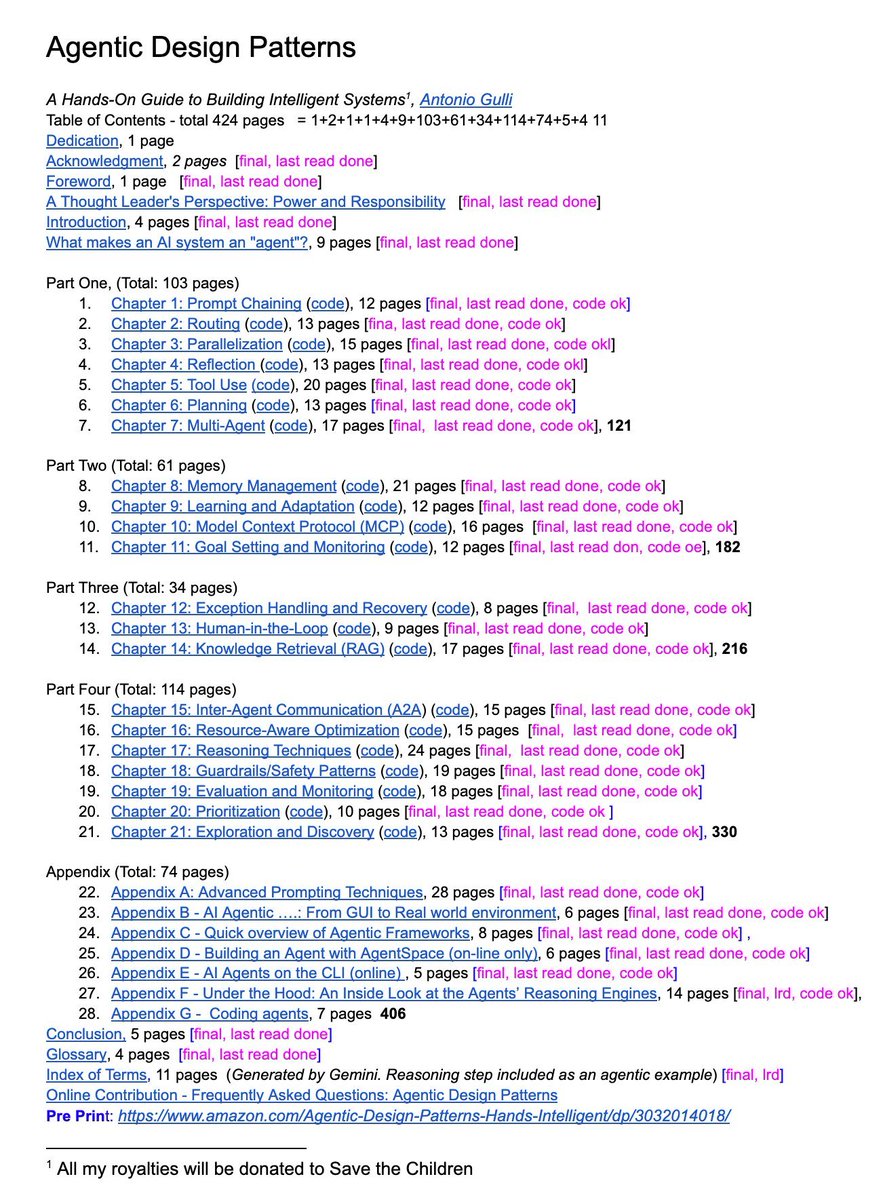
A senior Google engineer just dropped a 421-page doc called Agentic Design Patterns.
Every chapter is code-backed and covers the frontier of AI systems:
→ Prompt chaining, routing, memory
→ MCP & multi-agent coordination
→ Guardrails, reasoning, planning
This isn’t a blog post. It’s a curriculum. And it’s free.
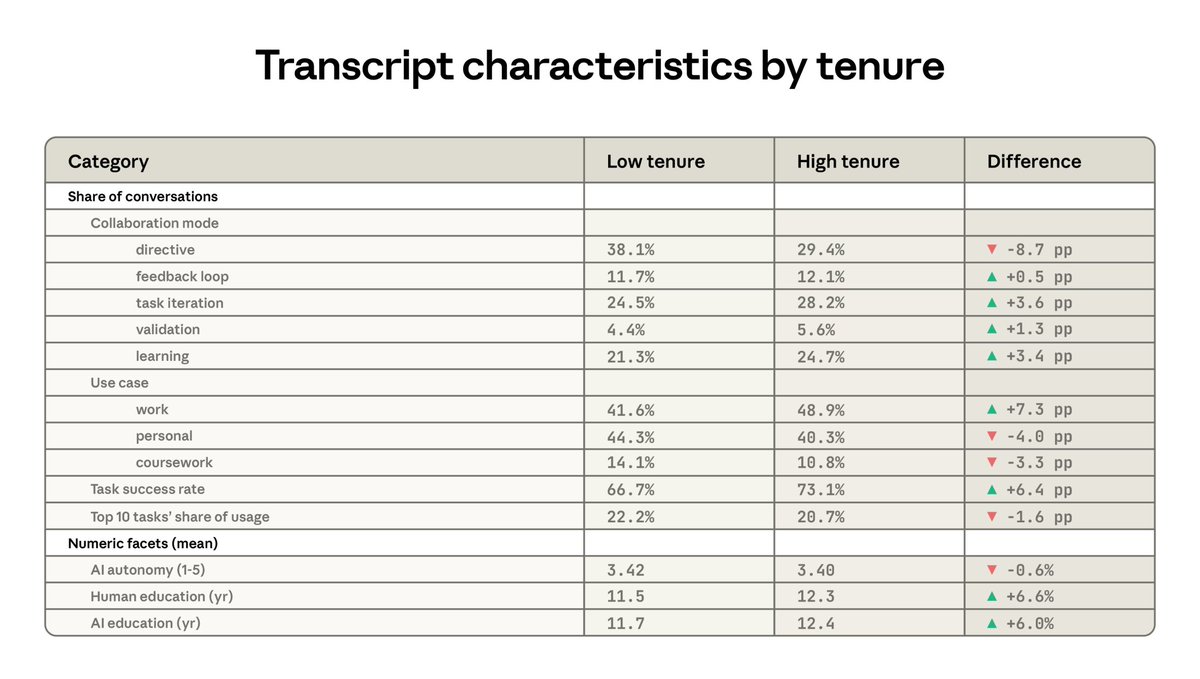
New from the Anthropic Economic Index: how people’s use of Claude changes with experience.
Longer-term users are more likely to iterate carefully with Claude, and less likely to hand it full autonomy. They attempt higher-value tasks, and receive more successful responses.
We invited Claude users to share how they use AI, what they dream it could make possible, and what they fear it might do.
Nearly 81,000 people responded in one week—the largest qualitative study of its kind.
Read more: https://t.co/tmp2RnZxRm
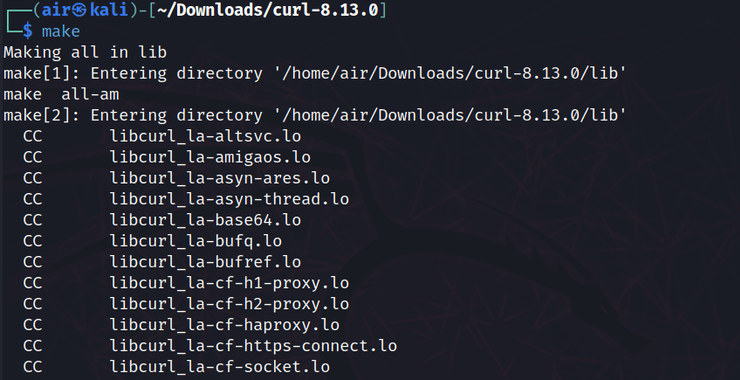
Linux Basics for Hackers, the Make Command: Compiling and Installing Software from Source in Linux
Gain control beyond package managers:
https://t.co/ji9JJP1Bg5
@three_cube@DI0256@IamSmouk
@lindaikeji Personally, sir, your point isn’t clear to me. If you have nothing valuable to add, it would have been better to stay silent. You seem to be addressing this only because it’s trending, so you can trend as well. As a pastor, not a content creator, you shouldn’t be chasing unnecess