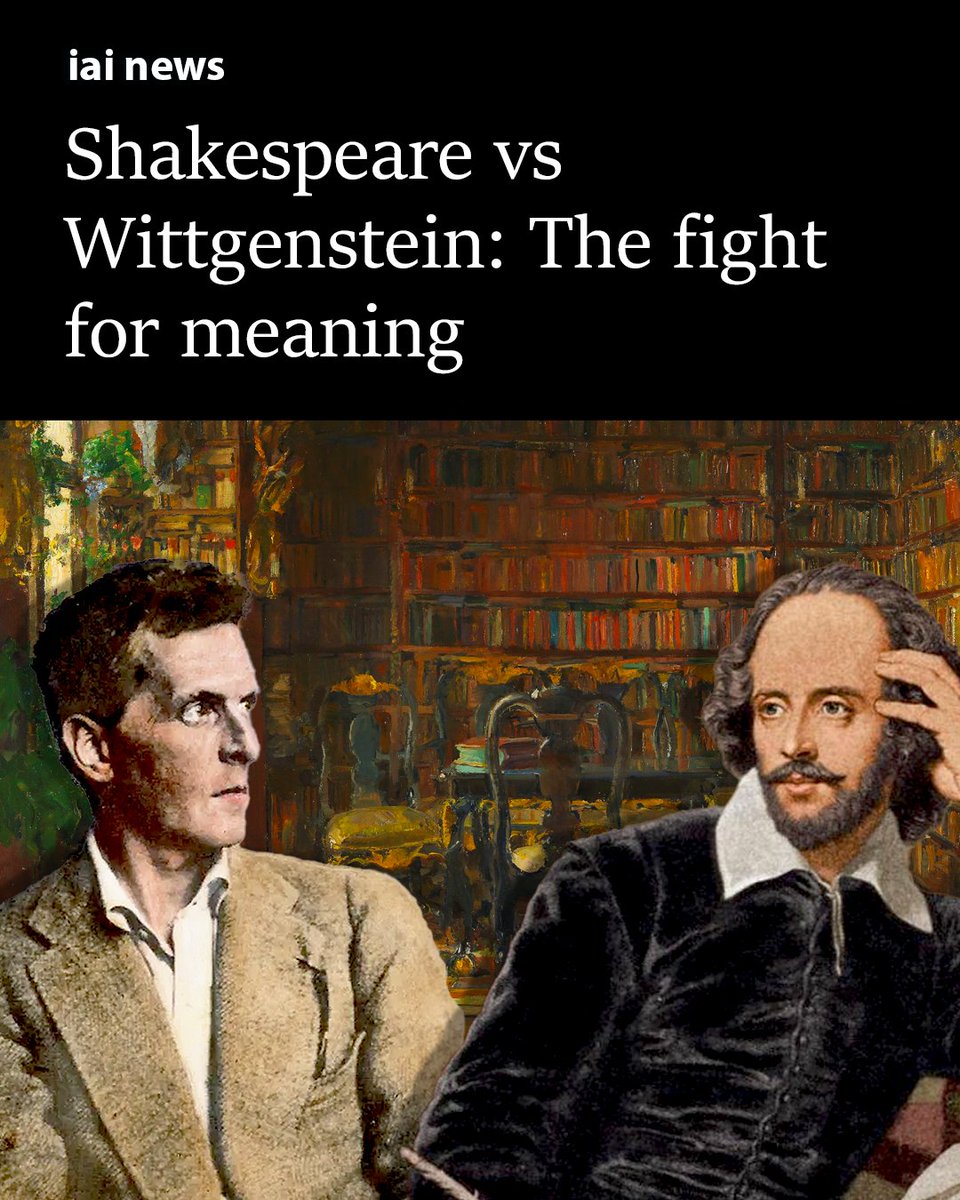
Ludwig Wittgenstein wrote in 1946 that “Shakespeare's similes are, in the ordinary sense, bad.” | https://t.co/AjzFykCpRN
But his famous distaste for him wasn’t fuelled by aesthetic differences.
Professor of Philosophy William Day argues that Wittgenstein sees in Shakespeare a fellow explorer of scepticism, but one willing to travel down dark alleys that Wittgenstein himself sought to avoid.
Schopenhauer did not hate Hegel because the two were rivals. He hated him because he believed that Hegel had turned philosophy into a theatre of obscure language, and that the university had rewarded precisely that. In Schopenhauer's view, Hegel was not searching for truth, but for authority.
History sometimes displays a particularly refined sense of humour by placing two philosophers in the same university and then calmly watching as one of them begins to suspect that the other is the greatest intellectual catastrophe since the invention of empty verbosity.
Schopenhauer could never forgive Hegel, not for thinking differently, but for having persuaded almost all of Germany that philosophy ought to become increasingly incomprehensible in order to appear increasingly profound, which, to Schopenhauer, was approximately as reasonable as concluding that a clock becomes more accurate once nobody can read the time anymore.
So, when he began teaching in Berlin, he decided to put not Hegel, but the students to the test, scheduling his lectures on the same day and at the same hour, because he was convinced that once truth and error stood side by side, reasonable people would choose the former without much hesitation.
Almost everyone walked into Hegel's lecture hall.
And if one is looking for the day on which philosophical pessimism finally ceased to be a theory and became a personal experience, it would be difficult to find a more appropriate date.
“The devil has the most extensive perspectives for God; on that account he keeps so far away from him:—the devil, in effect, as the oldest friend of knowledge.”
— Friedrich Nietzsche
Epigrama del joven Marx (1837): "Kant y Fichte se remontan al celeste azul/ en busca de un país lejano;/ yo busco entender, profundamente y de verdad,/ lo que en la calle encuentro!”.
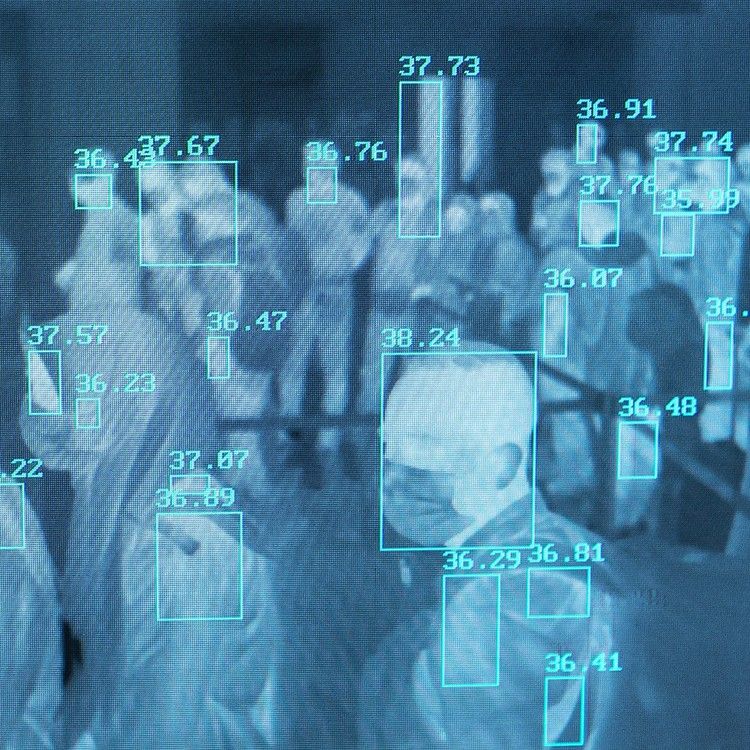
Ethics alone is not enough. We need a political philosophy of technology. Why? Aristotle gives a classic answer: “Ethical arguments may have the power to encourage and inspire those of noble character, but they are insufficient to lead the many towards nobility and virtue.”
So many people today — and even professional scientists— seem to me like someone who has seen thousands of trees but has never seen a forest. A knowledge of the historic and philosophical background gives that kind of independence from prejudices of his generation from which most scientists are suffering. This independence created by philosophical insight is — in my opinion — the mark of distinction between a mere artisan or specialist and a real seeker after truth.
-- A. Einstein, as mentioned in a 1944 letter to Robert A. Thorton
"Nietzsche e os nazistas: Uma visão pessoal", de Stephen Hicks. No livro, o autor investiga uma das controvérsias mais intensas da filosofia moderna: Friedrich Nietzsche foi realmente uma influência intelectual do nazismo ou suas ideias foram distorcidas e apropriadas para servir aos interesses do Terceiro Reich?
Link: https://t.co/hdYiXFhIka
Modiano: "El médico me decía que, antes de morir, todas las personas se convierten en cajas de música y que, durante una fracción de segundo, se oye la melodía que encaja mejor con lo que fueron sus vidas, sus caracteres y sus aspiraciones".
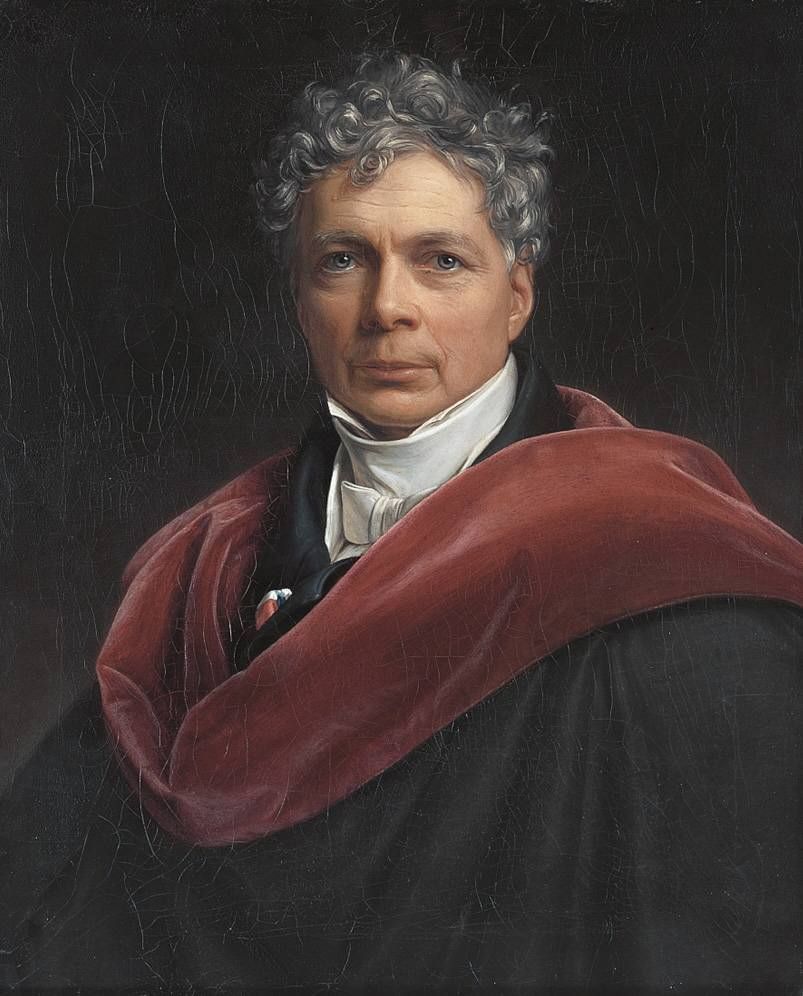
"Art is the only true and eternal organ and document of philosophy, which continuously and always documents what philosophy cannot represent externally..."
---F. W. J. Schelling, The System of Transcendental Idealism, 1800
“Por ateísmo tranquilo entendemos uma filosofia para quem Deus não é um problema, a inexistência ou mesmo a morte de Deus não são um problema, mas ao contrário, faz parte das condições que precisam ser consideradas para fazer surgir os verdadeiros problemas” - Gilles Deleuze