I'm a nuclear scientist and problem solver that likes to take on unique challenges that require novel solutions. Nuclear Robotics Science Engineering Innovation
💡 The second Leading Light episode featuring Professor Tom Scott releases today!
Meet our user community. Their research, their stories, our leading lights.
▶ Watch below. ⬇
https://t.co/cbaSR5qPIs
Dr Peter Martin from @UniBrisPhysics is now presenting the techniques used to analyse a fuel particle ejected from the #Fukushima power plant
#NuFor2019
The final talk of the conference is from Jeremy Inglis of Los Alamos National Lab. It's been a fascinating conference with a huge range of topics covered #NuFor2019
Fully automated UAV radiation monitoring of a #Fukushima nuclear waste storage site. Just some of the research from @NCNRobotics and @RAIN_hub aiming to make decommissioning safer and more efficient
Here we see some of the 800,000 liquidators making a survey of the radiation in the #Chernobyl exclusion zone to determine the extent of the damage. My collaborator, @proftbs@SWNuclearHub, has recently returned to repeat the exercise, with a drone: https://t.co/31veg0mQG6
That team of scientists are @NCNRobotics researchers from
@UniBrisPhysics @UoB_Engineering using high-resolution mapping technology in
#Chernobyl@BristolUni
Fascinating few days of radioactive detective work in Chernobyl with scientists from @BristolUni and the @NCNRobotics more on @itvnews at 6.30 and 10.00 tonight: https://t.co/Ol8bTnDEB2
Watch out for some @itvnews articles covering our recent trip to Chernobyl. Here is a short report from @TomClarke_ITV with more to follow this evening. The pressure was on to hand launch our titan fixed-wing #drone in front of the camera! @UOBFlightLab
It was pretty surreal having ITV news following us around for the final couple of days of our fieldwork in Chernobyl, but it was fun nonetheless! Tune into ITV news tonight at 6.30 and 10 to see the longer story! #lookmum#imonthetelly
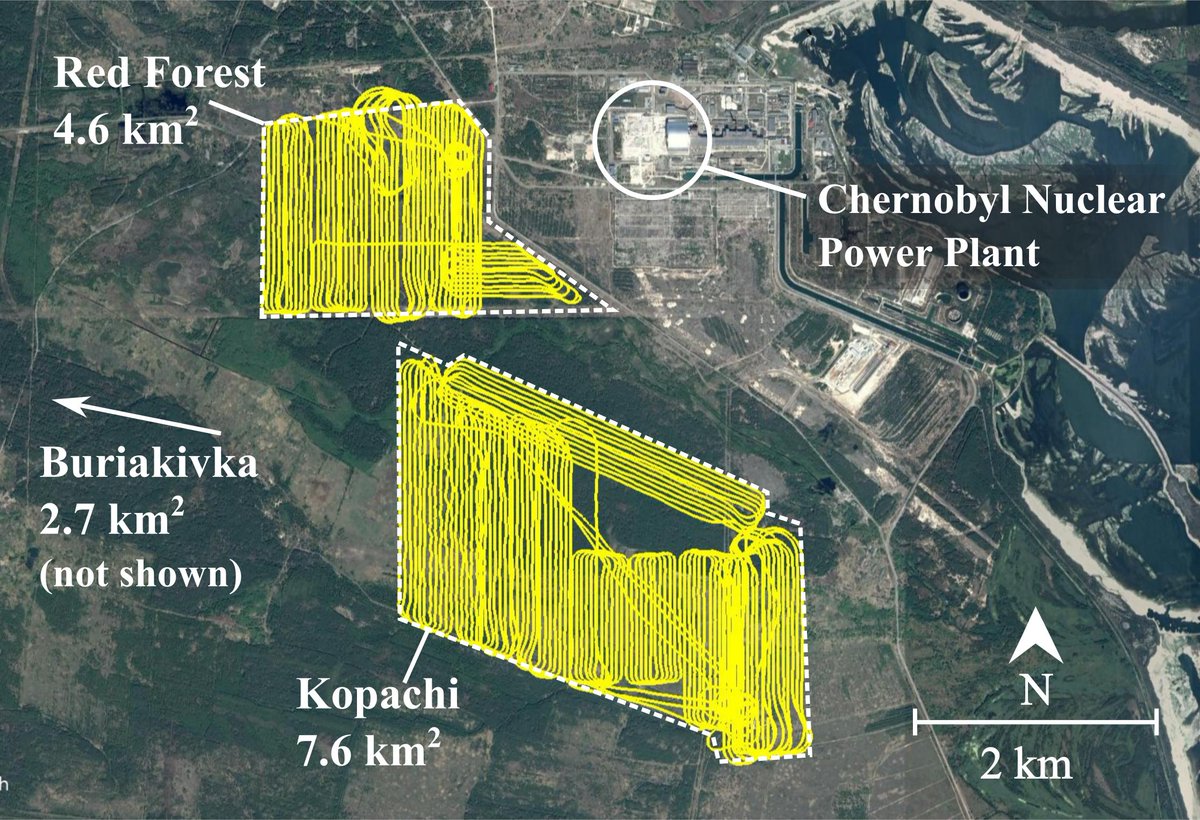
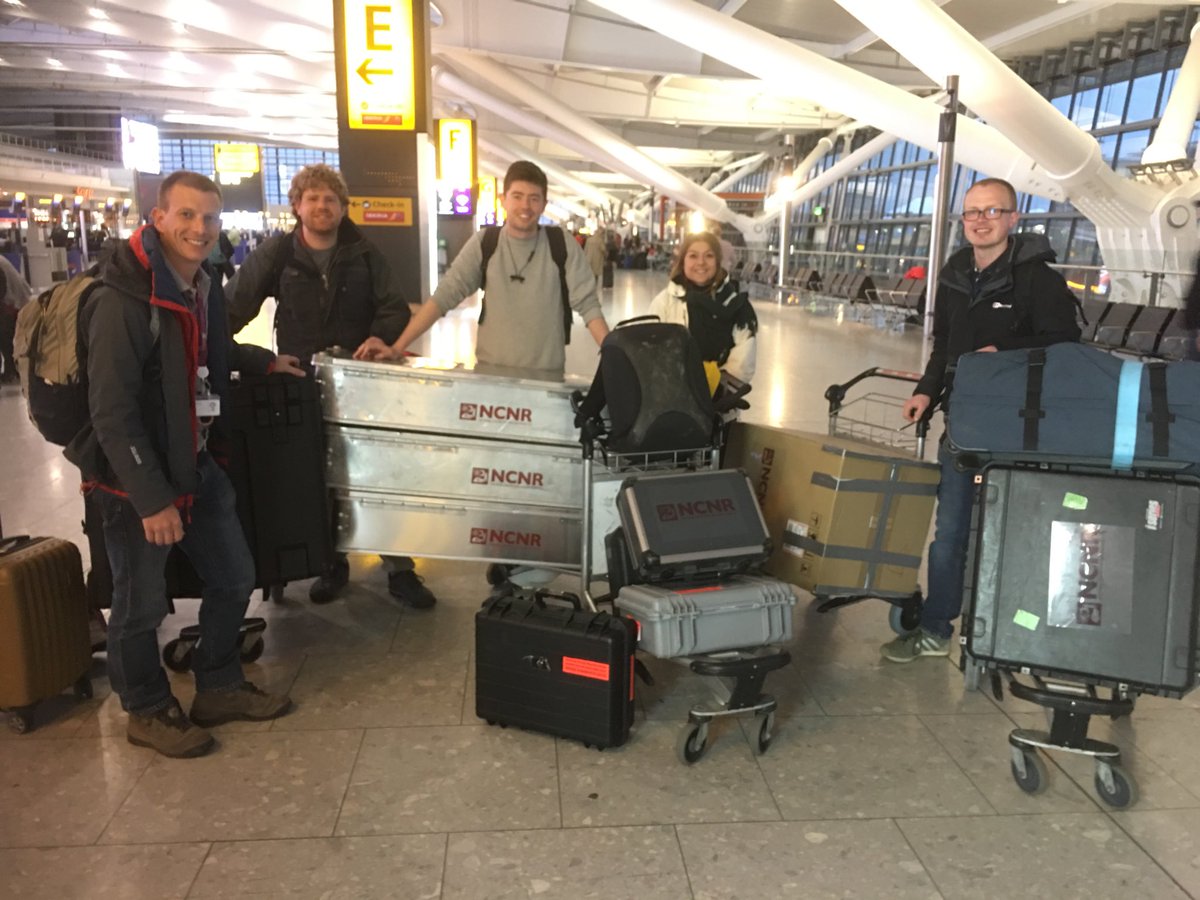
On the 33rd anniversary of the #Chernobyl nuclear accident, researchers from @UniBrisPhysics and @NCNRobotics have visited the region to develop high resolution maps using gamma-ray spectrometers
@proftbs@DrKieranWood
The @BristolUni@NCNRobotics UAS team have earned their flight hours! Over nine field days, the total airborne time was 24 hrs flying 730 km to produce comprehensive 15 square kilometre radiation map. Good work @DrKieranWood@proftbs, @D_Connor94, Yannick, Peter, and Sevda.
The Nuclear Innovation & Research Advisory Board has issued urgent recommendations to UK Government on the nuclear industry's need.
The report features input from Hub members including @proftbs and @james_marrow
https://t.co/N7qARW96U0
The drones are growing! This giant M600 is destined to carry a scanning LiDAR for mapping sites contaminated with nuclear waste. @UOBFlightLab@NCNRobotics@SWNuclearHub