Delighted to share that our new article has been published in Nat. Rev. Chem. 🤖📝
Expanding the conversation around AI in education. How AI is changing assessment and marking; and why validation, transparency and human oversight matters.
https://t.co/laj07co5QE
THRILLED to see our contribution featured in the latest edition of @InorgChemFront
, showcasing the power of hybrid basis sets to rapidly compute energies of organometallic reactions.
Well done team!
@JuAragon@IvannaJuliani
Fans of #StarWars will recognise the #Warp :)
Outside back cover of Issue 8 showcases research from Marcelo T. de Oliveira and co-workers:
"Accelerating computations of organometallic reaction energies through hybrid basis sets"
#Free_to_read at https://t.co/x6KWEIhkKi
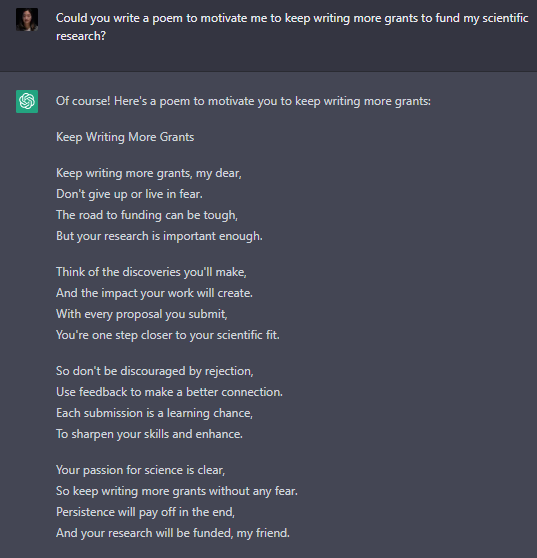
For those who need some inspiration to keep up the grant writing, #ChatGPT has got your back! 🥰 "Persistence will pay off in the end, And your research will be funded, my friend!"
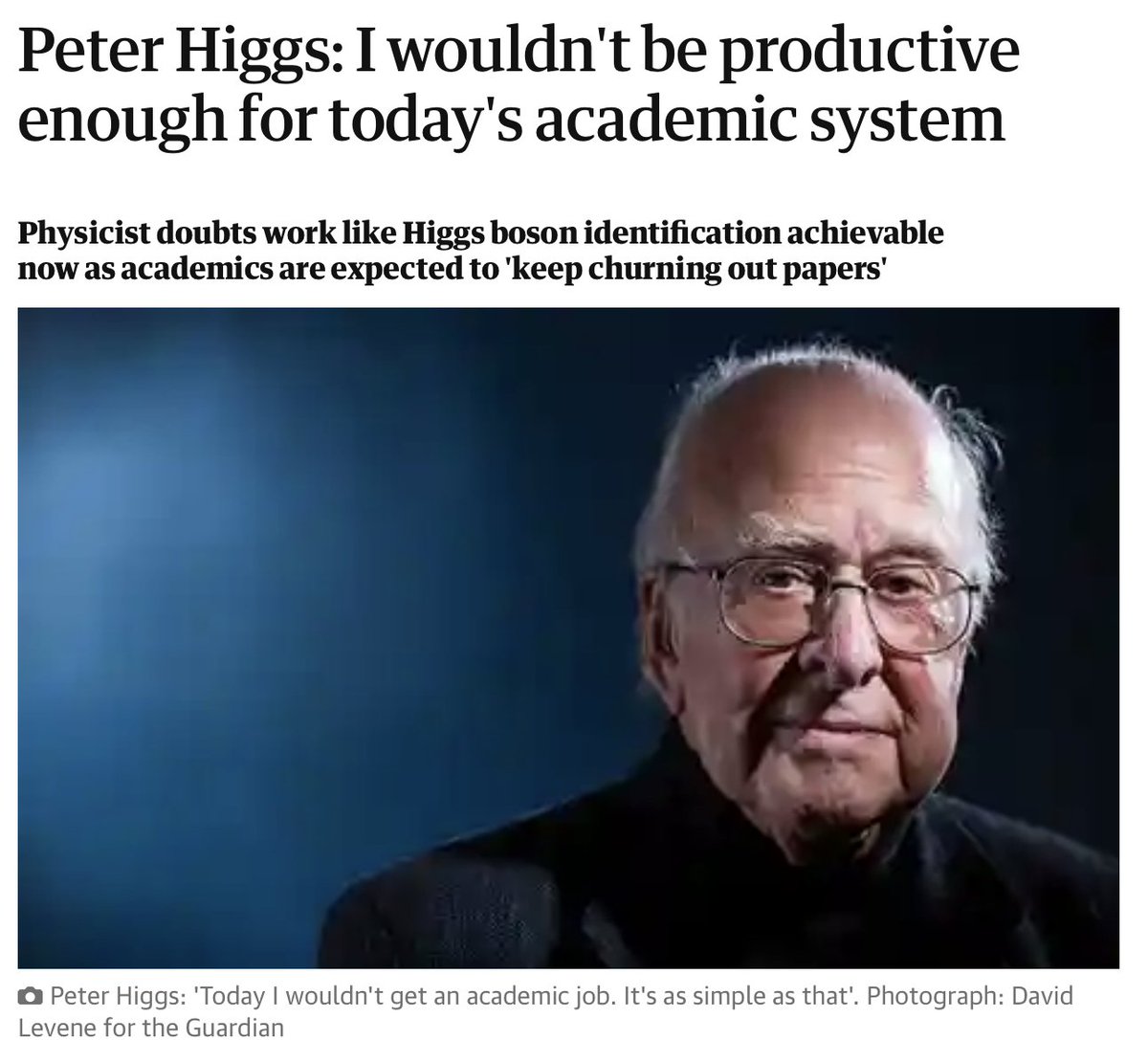
Peter Higgs believes he would be regarded as “unproductive" in today’s academic system. He simply wouldn’t be able to “survive” in #science.
On his way to Stockholm to receive a Nobel Prize in 2013, he said the following in an interview to Guardian:
#AcademicTwitter#phdlife
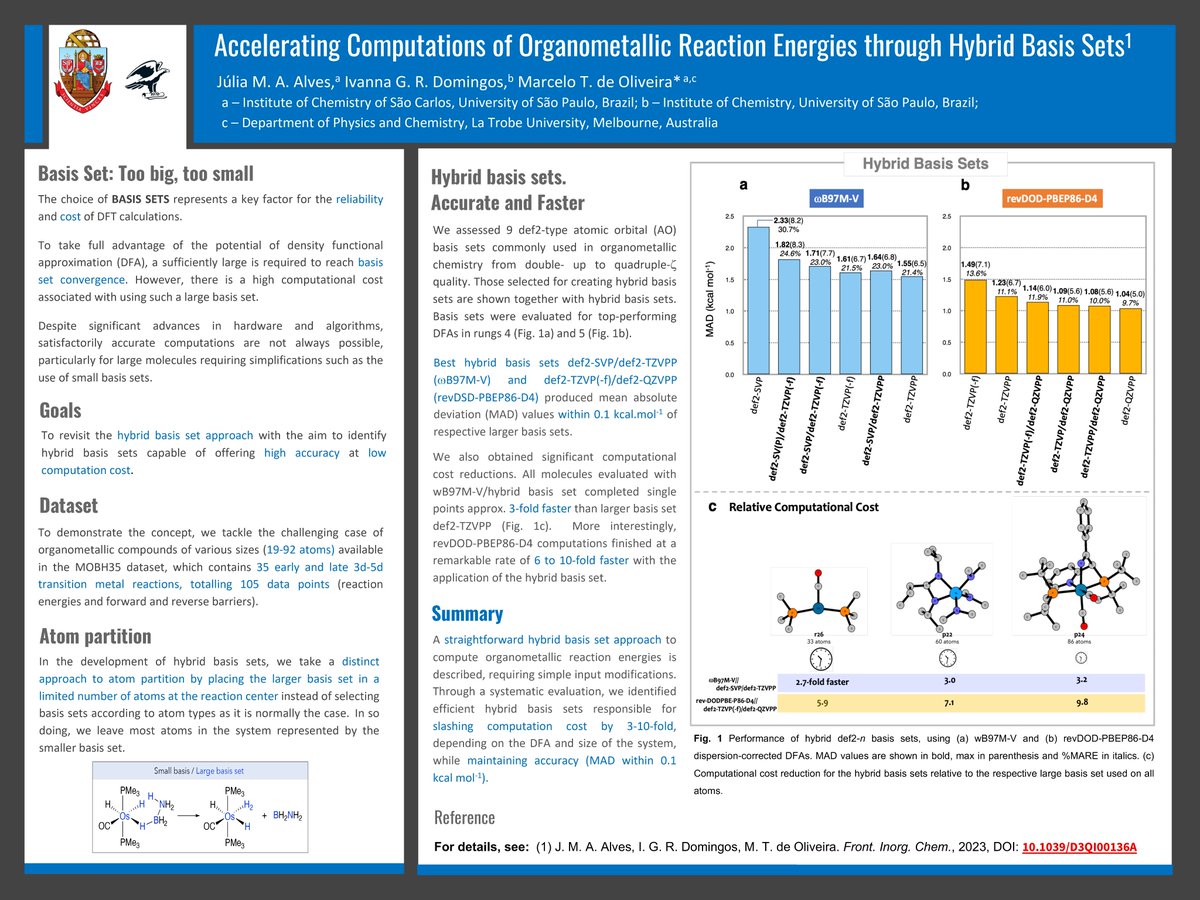
Check out our latest contribution showing DFT calculations for organometallic reactions at a reduced cost (3-10x).
"Accelerating computations of organometallic reaction energies through hybrid basis sets"
https://t.co/A5ns5xVacY
@GroupQuintana Only in the fictitious world. Like in the "Life of Brian", B3LYP/6-31(d) is not the Saviour or Messiah. It works sometimes, but it also fails a lot. Unreliable.
@EdGardner_ we considered a dataset containing organometallic reactions of various types (e.g., addition, elimination, isomerization) with 9 early and late 3d-5d transition metals.