Black sesame & almond sponge
+ osmanthus & vanilla bean infused custard
+ blackberry jam (homemade)
+ osmanthus-blackberry white chocolate ganache
+ honey salted caramel
topped with a layer of marzipan & honey mascarpone stabilized whipped cream
A mother octopus lays her eggs, then stops eating. She slowly starves to death while she guards them, and by the time they hatch, she's already gone. Her babies float off into the ocean and will never meet her.
An Oxford scientist named Tim Coulson thinks these animals could be the ones to take over after we're gone. He laid it out in a 2024 book, and the case holds up. An octopus has about 500 million brain cells, roughly the same as a dog. Two-thirds of them aren't even in its head. They're spread through the eight arms, so each arm can taste what it touches and move on its own. Octopuses open jars. They carry coconut shells across the seafloor to hide under later. They've squeezed out of sealed tanks in the dark and gotten away. No animal without a backbone comes close.
But being smart has never been enough to build a city. Everything humans built runs on one trick: each generation starts where the last one left off. A kid today learns in school what took people thousands of years to work out, and inherits all of it for free. An octopus inherits nothing. Its mother died before it hatched, so there's no one to copy and nothing left over from the octopus that came before.
So every octopus has to figure out the whole world by itself, starting from zero. And they're good at it, weirdly good. Then a year or two later they die and take everything they learned with them. Peter Godfrey-Smith, a philosopher who spent years diving with octopuses for his book Other Minds, points out that they pass almost nothing on to their young. The cleverest animal in the sea wipes its memory clean every generation and starts over.
Coulson said it could take hundreds of thousands of years, maybe millions, and he's right that the raw ability is already there. The brain is built, and the body can crack almost any puzzle you hand it. The only thing missing is a second generation that remembers the first.
Following up on the suggestion from Will Sawin, here is an illustration of the new configurations that disprove Erdos' unit distance conjecture (made with the help of ChatGPT 5.5 Thinking).
current morning routine fixation is building & debugging this ridiculous matlab sim project (for work but also it’s fun) & listening to weyes blood on shuffle
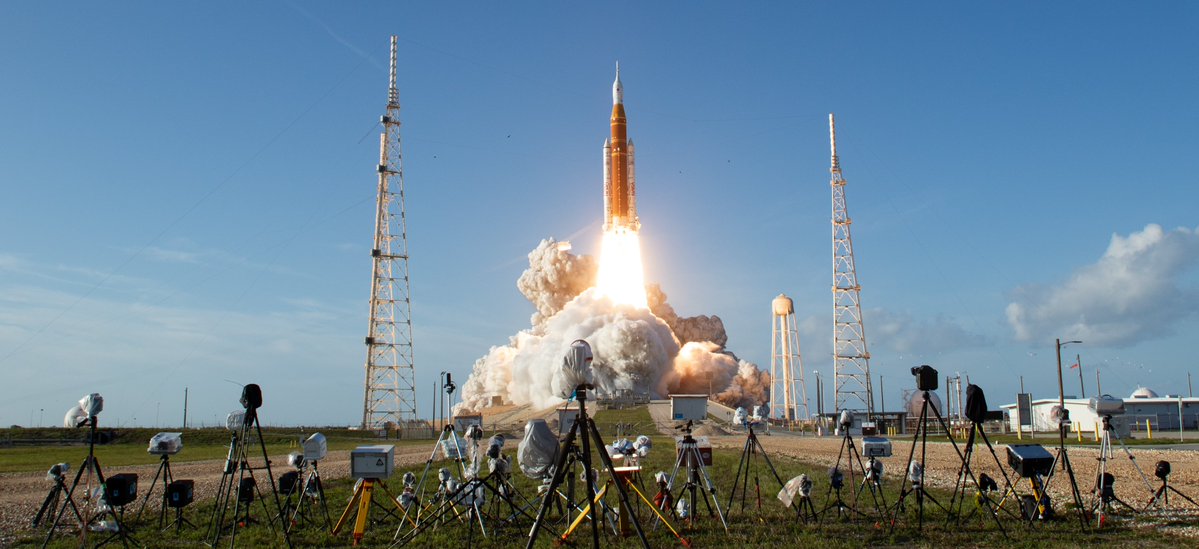
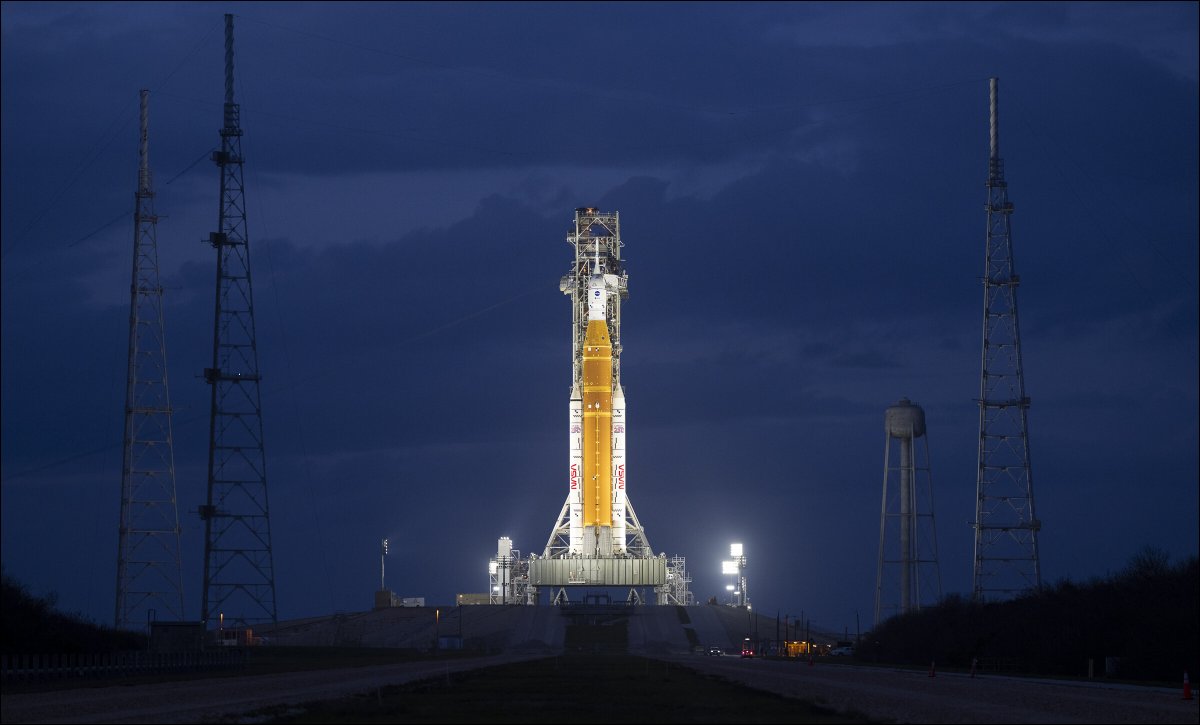
Check out images the #Artemis II crew with SLS and Orion at Launch Complex 39B as well as other images as final preparations for launch continue at @NASAKennedy 📷: https://t.co/0AEy2WWeQo
weird or maybe not but after I write a lot, particularly thought intensive stuff, I feel as though Ive literally scraped out my insides & am left diaphanous n hollow
the gale passing through Fl rn could very well be passing through my body too
@ 2, it’s not physics, we just predominantly deem physics as the field most capable of describing fundamental reality. the language of this underlying truth probably won’t be able to be expressed through physics
MIT researchers have been digging into the "brains" of 60 different scientific AI models, and have stumbled upon something wild.
It turns out, whether an AI is reading text or looking at 3D atoms, they are all starting to agree on the same hidden truth about our universe.
Here is the pattern you can't unsee. 🧵
1/
First, the premise.
We have AI models for everything now.
• Some read protein sequences (like text).
• Some look at 3D crystal structures (like vision).
• Some predict forces in materials.
They are built differently. They are trained differently. They should think differently.
2/
But a new paper from MIT just asked a massive question:
"Are these models actually learning the same physics?"
The answer is yes. And it’s kind of spooky.
3/
The researchers took nearly 60 models—from LLMs reading SMILES strings to complex 3D potentials—and peered inside their latent spaces (their internal "thoughts").
They found that as models get smarter, their internal representations of matter start to look identical.
4/
Think of it like this:
If you ask a poet and a physicist to describe a sunset, they use different languages. But if they are both experts, they are describing the exact same reality.
The AI models are converging on a "Universal Representation of Matter."
5/
This chart in the paper is the smoking gun.
It shows that an LLM (trained on text) and a 3D Atomistic Model (trained on geometry) align almost perfectly when looking at molecules.
The text model "hallucinated" the 3D structure implicitly. It learned the physics just by reading the chemistry.
6/
But that's not even the most interesting part.
This convergence gives us a new way to spot "fake" intelligence.
The researchers found that high-performing models all cluster together in this "truth" space.
But the weak models? They scatter.
7/
It’s the Anna Karenina principle of AI:
"All happy (smart) models resemble one another; every unhappy (dumb) model is unhappy in its own way."
If a model diverges from the pack on standard data, it hasn't learned a new trick. It’s just lost in a local sub-optimum.
8/
However, there is a catch.
When the researchers threw "out-of-distribution" data at the weak models (stuff they hadn't seen before), the behavior flipped.
Instead of scattering, the weak models collapsed. They all started making the same low-information mistakes.
9/
This reveals a massive problem in Materials Science AI specifically.
The study shows these models are currently "data-governed." They are memorizing their specific training sets rather than learning universal laws.
They aren't "foundational" yet. They are just really good parrots.
10/
So, what does this mean for the future of Science?
Efficiency: We don't need massive, expensive, symmetry-enforcing architectures. We can "distill" the knowledge from big models into simple, fast ones.
Truth: We can use "alignment" to fact-check AI. If a model disagrees with the consensus of other top models, it's likely wrong.
11/
The most profound takeaway?
pattern-matching
And the fact that different AIs are independently deriving the same laws suggests that these models aren't just pattern matching.
They are uncovering reality.
12/
If this research holds up, in 5 years we won't distinguish between "protein models" and "materials models."
We will just have "Matter Models."
One foundation to simulate it all.
13/
This paper is a dense but rewarding read. It fundamentally changes how I think about "generality" in AI.
If you want to dive deeper, grab the PDF here: [Link to 2512.03750v1.pdf]
And SUBSCRIBE to me for more breakdowns of the science that is quietly changing the world.









![IntuitMachine's tweet photo. MIT researchers have been digging into the "brains" of 60 different scientific AI models, and have stumbled upon something wild.
It turns out, whether an AI is reading text or looking at 3D atoms, they are all starting to agree on the same hidden truth about our universe.
Here is the pattern you can't unsee. 🧵
1/
First, the premise.
We have AI models for everything now.
• Some read protein sequences (like text).
• Some look at 3D crystal structures (like vision).
• Some predict forces in materials.
They are built differently. They are trained differently. They should think differently.
2/
But a new paper from MIT just asked a massive question:
"Are these models actually learning the same physics?"
The answer is yes. And it’s kind of spooky.
3/
The researchers took nearly 60 models—from LLMs reading SMILES strings to complex 3D potentials—and peered inside their latent spaces (their internal "thoughts").
They found that as models get smarter, their internal representations of matter start to look identical.
4/
Think of it like this:
If you ask a poet and a physicist to describe a sunset, they use different languages. But if they are both experts, they are describing the exact same reality.
The AI models are converging on a "Universal Representation of Matter."
5/
This chart in the paper is the smoking gun.
It shows that an LLM (trained on text) and a 3D Atomistic Model (trained on geometry) align almost perfectly when looking at molecules.
The text model "hallucinated" the 3D structure implicitly. It learned the physics just by reading the chemistry.
6/
But that's not even the most interesting part.
This convergence gives us a new way to spot "fake" intelligence.
The researchers found that high-performing models all cluster together in this "truth" space.
But the weak models? They scatter.
7/
It’s the Anna Karenina principle of AI:
"All happy (smart) models resemble one another; every unhappy (dumb) model is unhappy in its own way."
If a model diverges from the pack on standard data, it hasn't learned a new trick. It’s just lost in a local sub-optimum.
8/
However, there is a catch.
When the researchers threw "out-of-distribution" data at the weak models (stuff they hadn't seen before), the behavior flipped.
Instead of scattering, the weak models collapsed. They all started making the same low-information mistakes.
9/
This reveals a massive problem in Materials Science AI specifically.
The study shows these models are currently "data-governed." They are memorizing their specific training sets rather than learning universal laws.
They aren't "foundational" yet. They are just really good parrots.
10/
So, what does this mean for the future of Science?
Efficiency: We don't need massive, expensive, symmetry-enforcing architectures. We can "distill" the knowledge from big models into simple, fast ones.
Truth: We can use "alignment" to fact-check AI. If a model disagrees with the consensus of other top models, it's likely wrong.
11/
The most profound takeaway?
pattern-matching
And the fact that different AIs are independently deriving the same laws suggests that these models aren't just pattern matching.
They are uncovering reality.
12/
If this research holds up, in 5 years we won't distinguish between "protein models" and "materials models."
We will just have "Matter Models."
One foundation to simulate it all.
13/
This paper is a dense but rewarding read. It fundamentally changes how I think about "generality" in AI.
If you want to dive deeper, grab the PDF here: [Link to 2512.03750v1.pdf]
And SUBSCRIBE to me for more breakdowns of the science that is quietly changing the world.](https://pbs.twimg.com/media/G9fsOhYWwAAJ12I.jpg)









![IntuitMachine's tweet photo. MIT researchers have been digging into the "brains" of 60 different scientific AI models, and have stumbled upon something wild.
It turns out, whether an AI is reading text or looking at 3D atoms, they are all starting to agree on the same hidden truth about our universe.
Here is the pattern you can't unsee. 🧵
1/
First, the premise.
We have AI models for everything now.
• Some read protein sequences (like text).
• Some look at 3D crystal structures (like vision).
• Some predict forces in materials.
They are built differently. They are trained differently. They should think differently.
2/
But a new paper from MIT just asked a massive question:
"Are these models actually learning the same physics?"
The answer is yes. And it’s kind of spooky.
3/
The researchers took nearly 60 models—from LLMs reading SMILES strings to complex 3D potentials—and peered inside their latent spaces (their internal "thoughts").
They found that as models get smarter, their internal representations of matter start to look identical.
4/
Think of it like this:
If you ask a poet and a physicist to describe a sunset, they use different languages. But if they are both experts, they are describing the exact same reality.
The AI models are converging on a "Universal Representation of Matter."
5/
This chart in the paper is the smoking gun.
It shows that an LLM (trained on text) and a 3D Atomistic Model (trained on geometry) align almost perfectly when looking at molecules.
The text model "hallucinated" the 3D structure implicitly. It learned the physics just by reading the chemistry.
6/
But that's not even the most interesting part.
This convergence gives us a new way to spot "fake" intelligence.
The researchers found that high-performing models all cluster together in this "truth" space.
But the weak models? They scatter.
7/
It’s the Anna Karenina principle of AI:
"All happy (smart) models resemble one another; every unhappy (dumb) model is unhappy in its own way."
If a model diverges from the pack on standard data, it hasn't learned a new trick. It’s just lost in a local sub-optimum.
8/
However, there is a catch.
When the researchers threw "out-of-distribution" data at the weak models (stuff they hadn't seen before), the behavior flipped.
Instead of scattering, the weak models collapsed. They all started making the same low-information mistakes.
9/
This reveals a massive problem in Materials Science AI specifically.
The study shows these models are currently "data-governed." They are memorizing their specific training sets rather than learning universal laws.
They aren't "foundational" yet. They are just really good parrots.
10/
So, what does this mean for the future of Science?
Efficiency: We don't need massive, expensive, symmetry-enforcing architectures. We can "distill" the knowledge from big models into simple, fast ones.
Truth: We can use "alignment" to fact-check AI. If a model disagrees with the consensus of other top models, it's likely wrong.
11/
The most profound takeaway?
pattern-matching
And the fact that different AIs are independently deriving the same laws suggests that these models aren't just pattern matching.
They are uncovering reality.
12/
If this research holds up, in 5 years we won't distinguish between "protein models" and "materials models."
We will just have "Matter Models."
One foundation to simulate it all.
13/
This paper is a dense but rewarding read. It fundamentally changes how I think about "generality" in AI.
If you want to dive deeper, grab the PDF here: [Link to 2512.03750v1.pdf]
And SUBSCRIBE to me for more breakdowns of the science that is quietly changing the world.](https://pbs.twimg.com/media/G9fsOheWYAAQoxu.jpg)


